

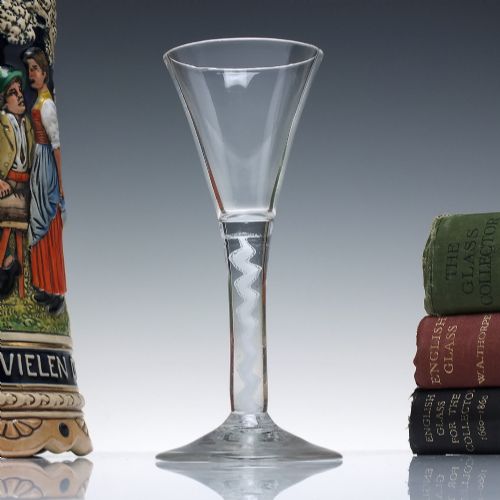
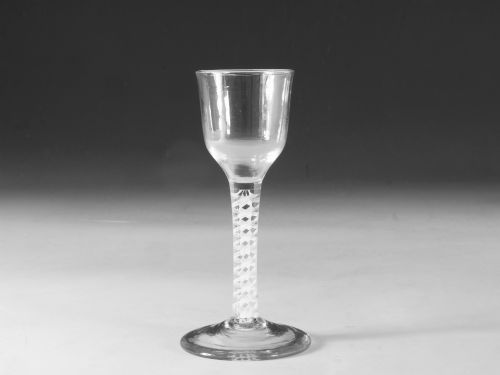
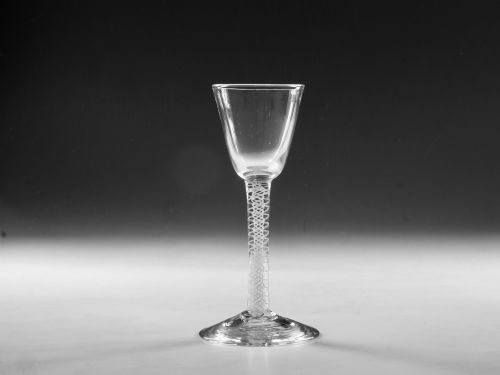
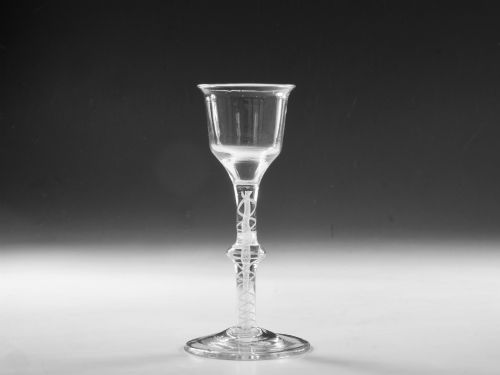
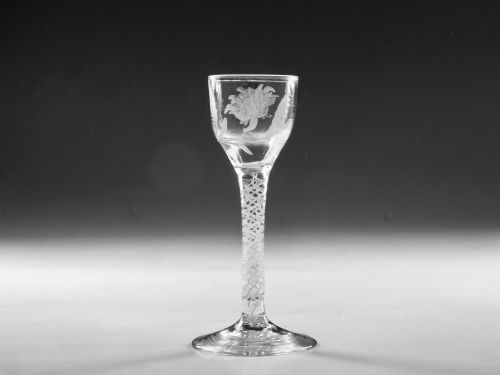
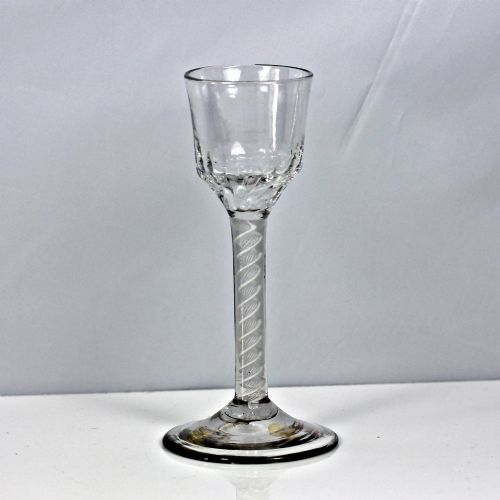

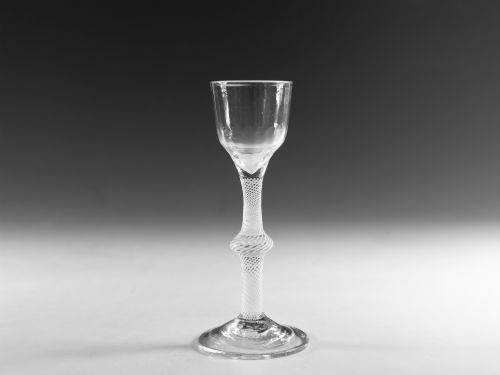
White Twist Stem Wine Glass
These white twist stem wine glass pieces bring eighteenth-century English craftsmanship to your table with delicate opaque enamel stems.
White Twist Stem Wine Glass
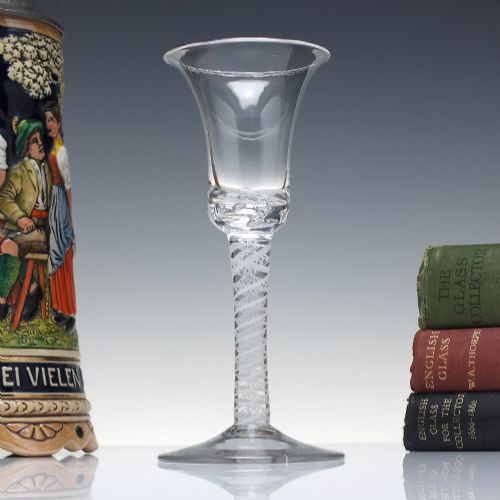
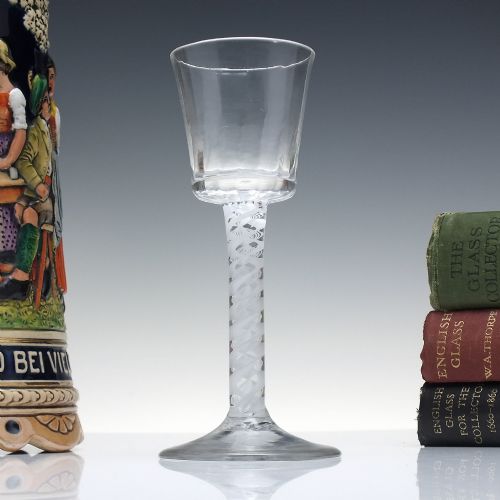
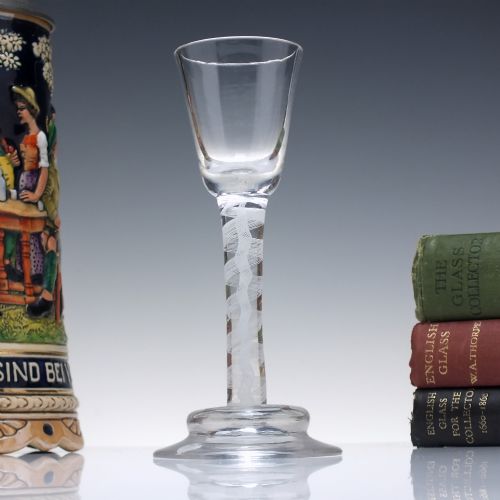
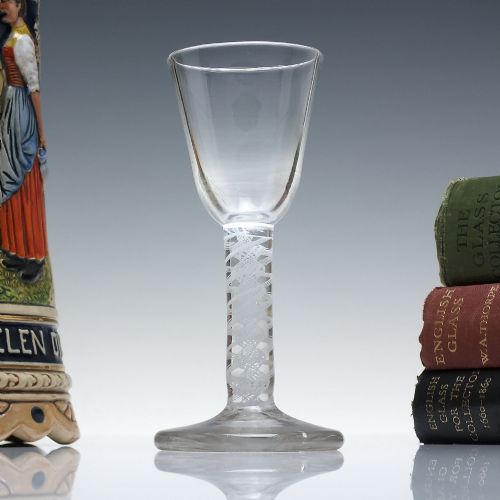
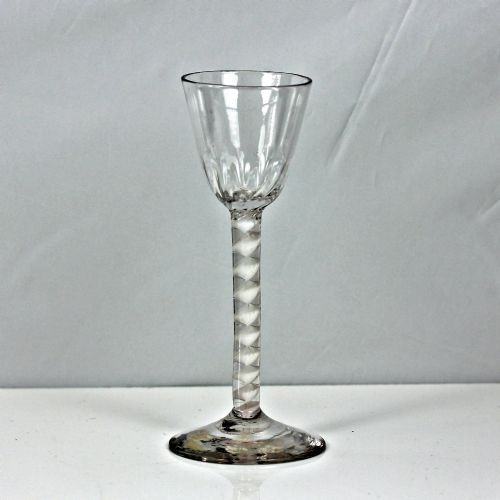
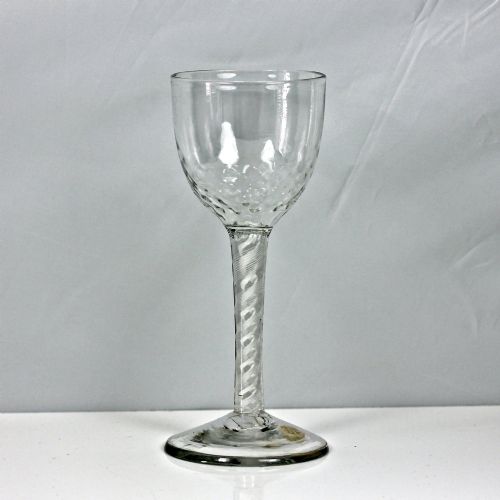
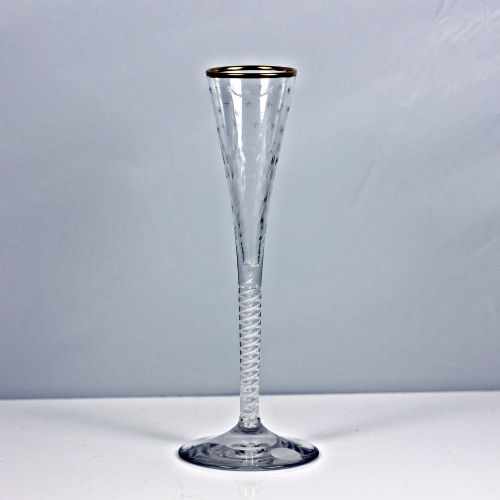
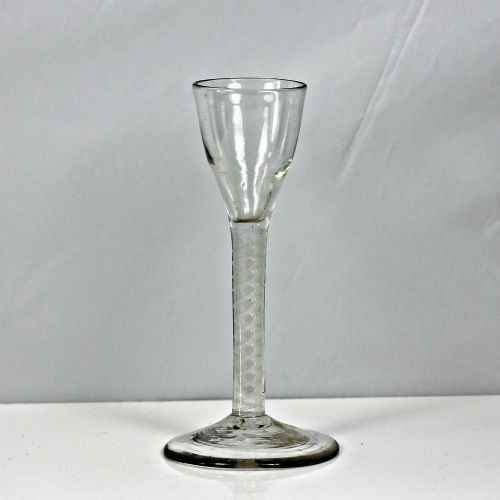
When you search for a white twist stem wine glass, you encounter drinking vessels from the eighteenth century and the Georgian period. The pieces on this page span forms such as wine glasses, cordial glasses, champagne or sweetmeat glasses, and ale glasses, all featuring distinct white enamel twists inside the stem. You will frequently find bowls shaped as ogee, bucket, rounded funnel, or trumpet designs.
The material composition relies on lead glass, clear glass, and lead crystal glass, paired with white enamel or opaque enamel. English examples dominate the listings, originating around the middle to late eighteenth century. These drinking glasses demonstrate the sophisticated glassmaking techniques of the period through varied bowl moulds and stem formations.
How white twist stem wine glass pieces were made
Maker operations utilised lead glass and clear glass to form the primary body of each vessel, blown into specific shapes like ovoid, fluted, and ribbed bowls. The distinctive stems incorporate white enamel or opaque enamel threads twisted through the glass matrix in single or double series configurations. Artisans also applied finishing touches such as engraving and gilding directly onto the glass surface.
White Twist Stem Wine Glass Retail Price Guide 2026
Typical asking prices for white twist stem wine glass among the pieces listed under this phrase on Sellingantiques today, from the lower quarter to the upper quarter. They describe what is for sale here now, not the wider market.
Certain eighteenth-century specimens incorporate secret anti-Jacobite symbols and Hanoverian liberty toasts directly into their engraved glass bowls.
What varies in quality in white twist stem wine glass items
The sophistication of the stem formation marks a primary division in quality, distinguishing straightforward single series twists from intricate double or multi-spiral opaque twists. The presence of additional decorative elements, such as detailed engraving or gilding on the bowl, elevates the complexity of the piece. Well-proportioned bowls paired with evenly spaced enamel threads reflect superior workshop execution.
Structural variations also influence the character of each piece, including the presence of multiple knops, ribbing, or flute-moulding on the bowl. The clarity of the lead crystal or lead glass substrate affects how the internal white enamel threads catch the light. Subtle details like a folded foot or a distinct firing foot demonstrate the care taken during initial manufacture.
The White Twist Stem Wine Glass Glossary
- Opaque twist
- A stem containing white enamel or opaque glass threads twisted internally. This decorative technique became prominent in mid-eighteenth-century English glassmaking.
- Ogee bowl
- An S-profile bowl shape curving out at the rim and in toward the base. It offers a characteristic eighteenth-century silhouette for drinking vessels.
- Firing foot
- A folded glass foot designed to withstand thermal shock in the kiln. These bases provide additional stability and thickness at the rim of the foot.
- Double series
- A stem containing two distinct sets of internal glass twists, often combining opaque enamel threads with clear glass cables.
- Sweetmeat glass
- A wide, shallow glass vessel used for serving confectionery or small sweet items. These pieces frequently share the opaque twist stem forms of wine glasses.
White Twist Stem Wine Glass: Frequently Asked Questions
What is a white twist stem wine glass?
A white twist stem wine glass is an eighteenth-century drinking vessel featuring a clear glass bowl atop a stem containing internal white enamel threads.
These pieces date primarily to the Georgian period and originate from English workshops utilising lead crystal and lead glass materials.
How were these glasses used originally?
These vessels served for drinking wine, ale, cordials, and champagne during Georgian dining and social occasions.
Different bowl shapes and capacities accommodated specific beverages, while specialised forms like sweetmeat glasses held confectionery.
How do I date a white twist stem wine glass?
Dating relies on stylistic indicators such as bowl shape, foot formation, and the complexity of the internal opaque twist stem.
Most examples on this page date from the mid to late eighteenth century, particularly around the seventeen-fifties and sixties.