

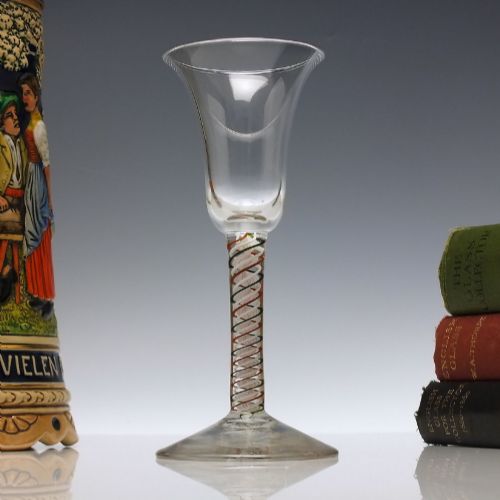
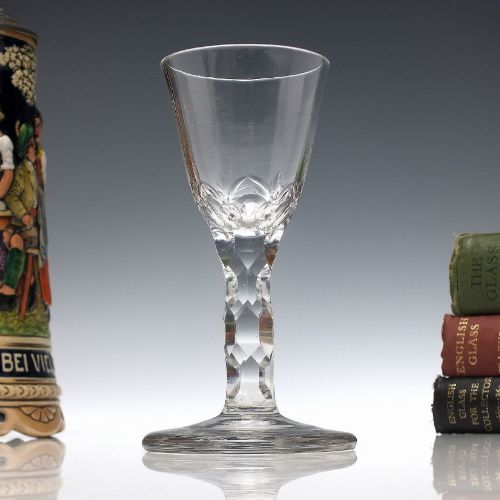
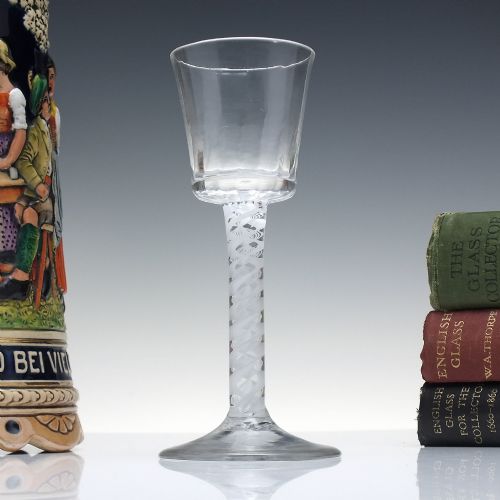
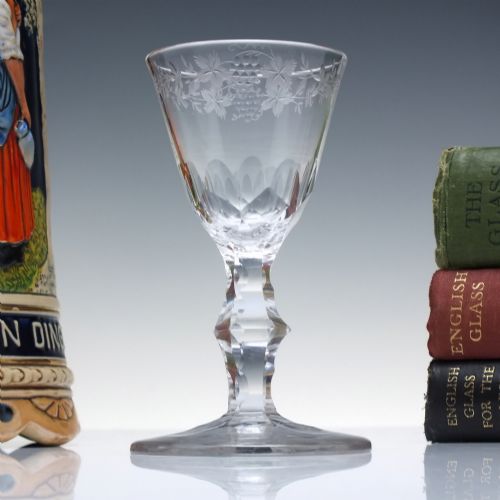
Clear Lead Glass Wine Glass
When you search for a clear lead glass wine glass, you enter a world of heavy metal composition and brilliant optical clarity.
Clear Lead Glass Wine Glass
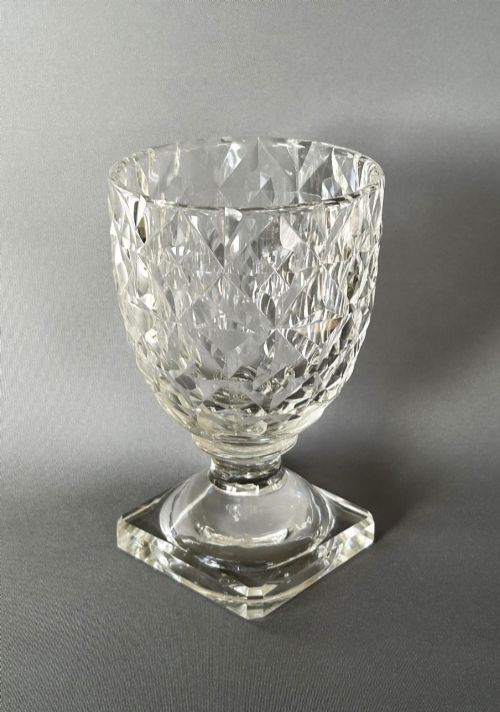
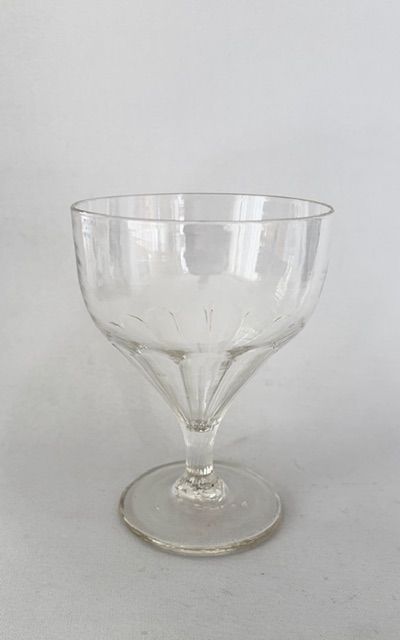
A clear lead glass wine glass represents centuries of British drinking vessels, originating from periods like the 18th century, Georgian era, and Victorian times.
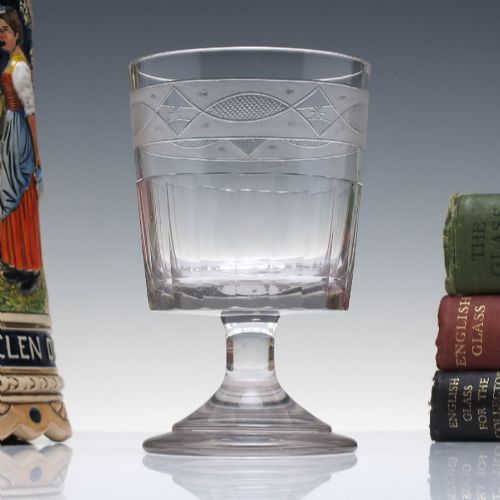
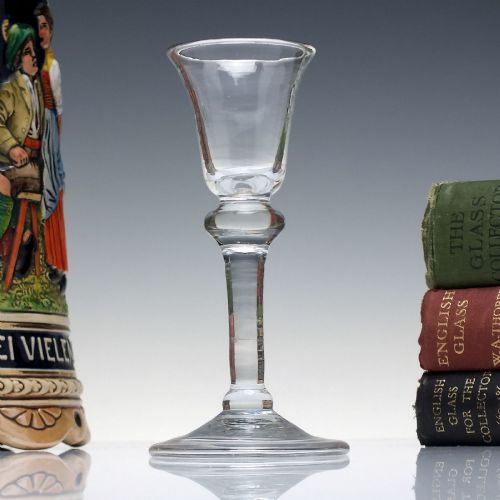
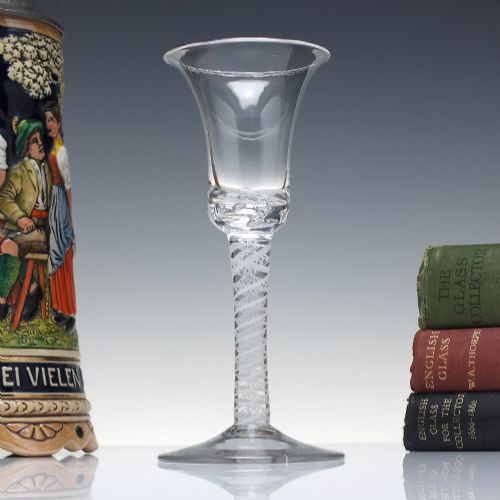
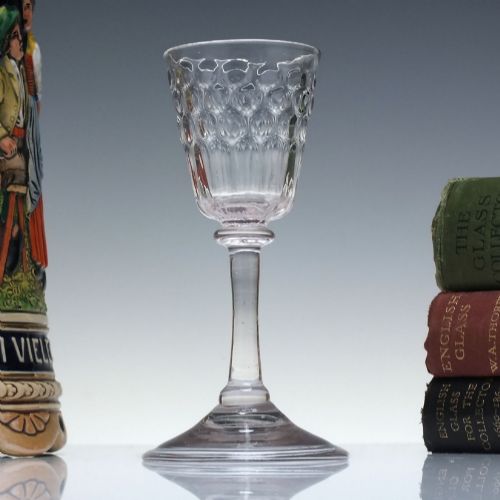
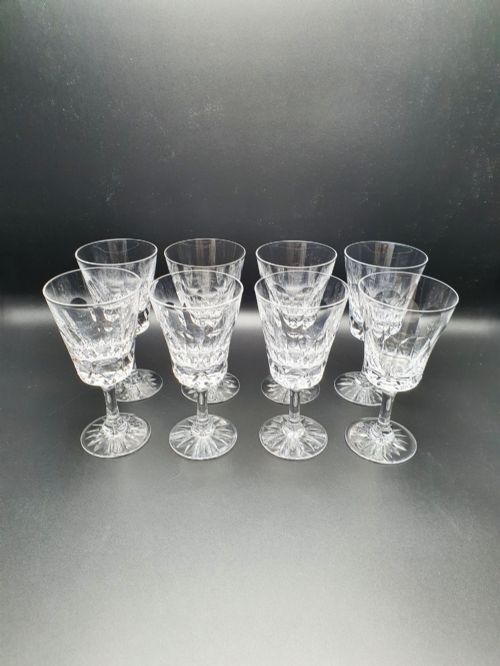
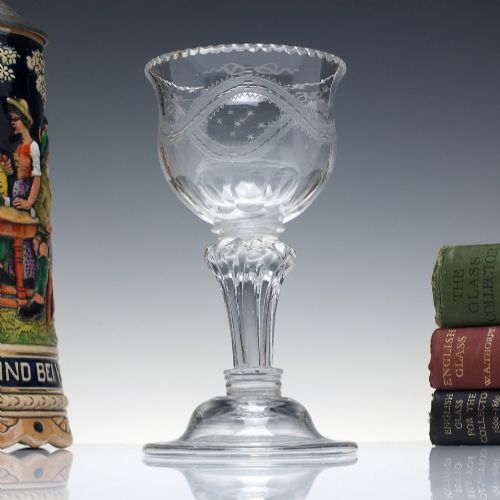
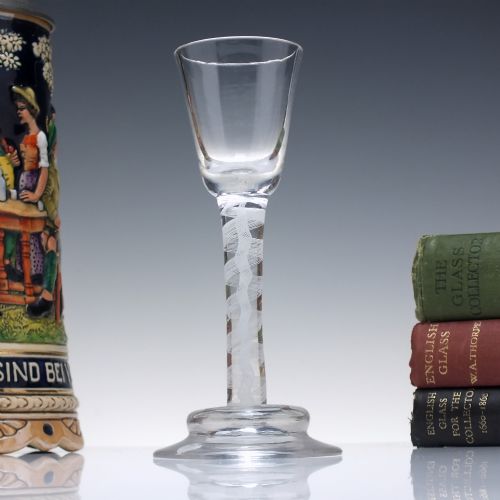
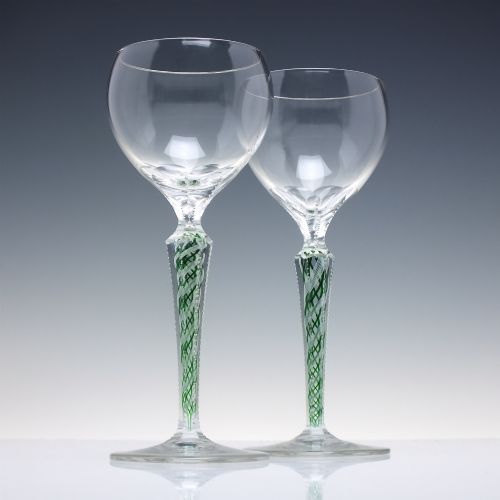
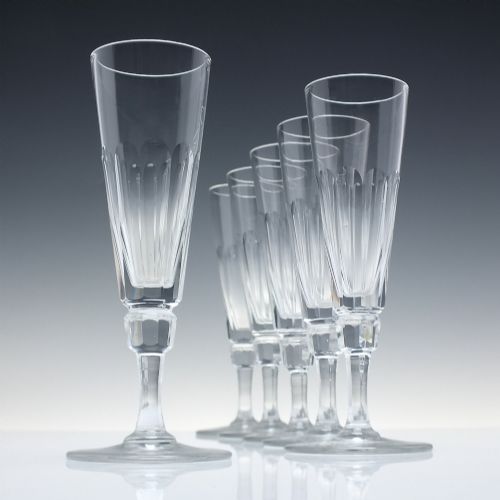
Buyers browsing this page frequently encounter forms such as baluster stems, opaque twists, and facet cut bowls designed for wine, drams, and sweetmeats.
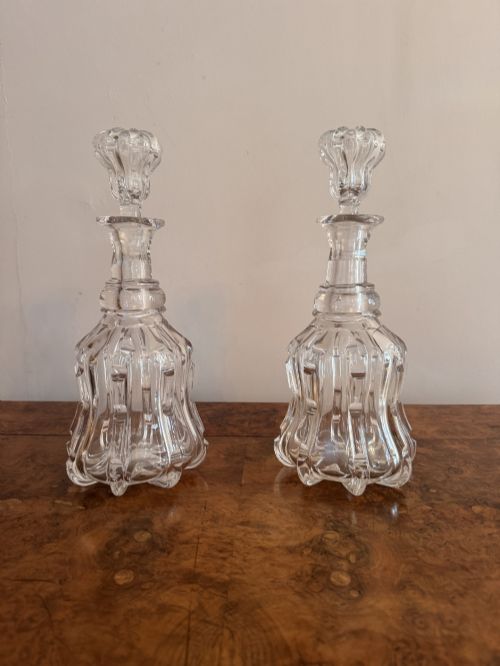
The selection spans simple table glasses to heavy rummers and decanters made from lead crystal, clear glass, and cut crystal.
How they were made
The material relies on heavy lead content, yielding a dense, bright crystal that holds a sharp edge when worked.
Glassmakers shaped these vessels using methods like moulding, free-blowing, and wheel-cutting to create facets, flutes, and engraved botanical motifs.
Clear Lead Glass Wine Glass Retail Price Guide 2026
Typical asking prices for clear lead glass wine glass among the pieces listed under this phrase on Sellingantiques today, from the lower quarter to the upper quarter. They describe what is for sale here now, not the wider market.
Parrots and crests hide amongst the engraved leaves on mid-nineteenth century jugs.
What varies in quality
The distinction between tiers rests upon the dexterity of the wheel-cut decoration, the crispness of facet edges, and the complexity of internal stem twists.
Weight, metal resonance, and the symmetry of the foot and bowl dictate the distinction between standard workshop output and superior cabinet examples.
John Walsh Walsh·James Powell
The Clear Lead Glass Wine Glass Glossary
- Lead glass
- A type of glass containing lead oxide that increases weight, refractive index, and working time for cutting.
- Air twist
- A stem formation enclosing elongated air bubbles spun into spirals inside the glass column.
- Opaque twist
- A stem decoration featuring white or coloured enamel threads drawn into complex internal patterns.
- Baluster stem
- A heavy, turned stem style popular in early Georgian drinking vessels, resembling architectural supports.
- Facet cut
- Geometric surface cutting that produces flat planes to refract light through the bowl or stem.
Clear Lead Glass Wine Glass: Frequently Asked Questions
What is an opaque twist glass?
An opaque twist glass contains white or coloured enamel glass threads pulled into spirals within the transparent stem.
These stems appeared frequently in English drinking vessels during the mid-to-late eighteenth century.
How do I date an antique wine glass?
Dating relies on combining the bowl form, stem construction, foot shape, and the presence of pontil marks on the base.
Changes in glass technology and taxation laws also altered lead content and weight across the Georgian and Victorian eras.
Can I use these glasses for wine today?
Many collectors use antique lead glass vessels for special occasions, provided they wash them carefully by hand.
The heavy lead composition requires gentle handling to avoid thermal shock or rim chips.
What is the difference between lead crystal and glass?
Lead crystal contains a higher percentage of metallic oxide, which gives the material greater weight, brilliance, and a resonant ring when struck.
Standard glass lacks this heavy lead content and displays lower light dispersion.