


White Porcelain Floral Plate
A white porcelain floral plate brings centuries of handpainted botanical detail and refined ceramic form straight to the table.
White Porcelain Floral Plate
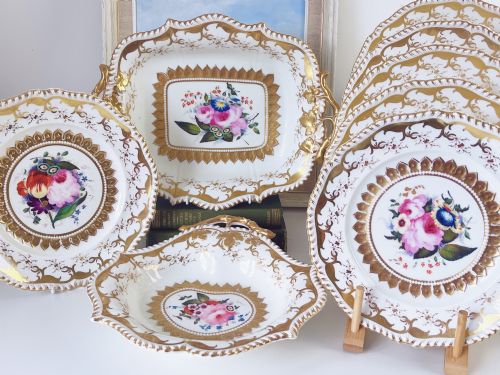
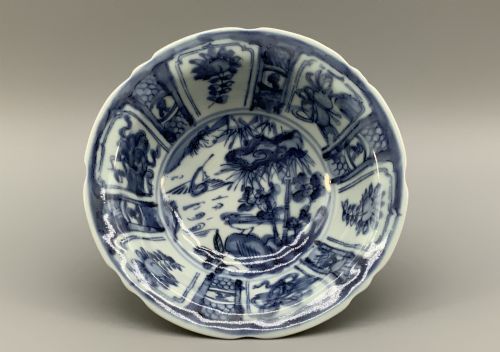
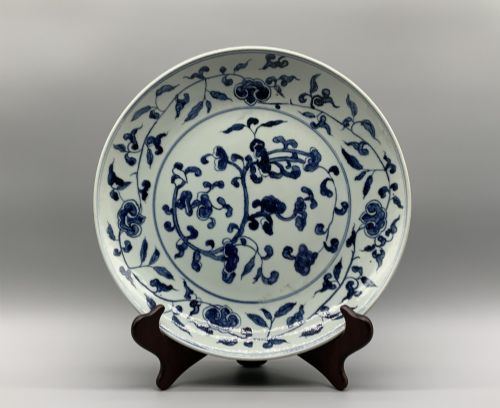
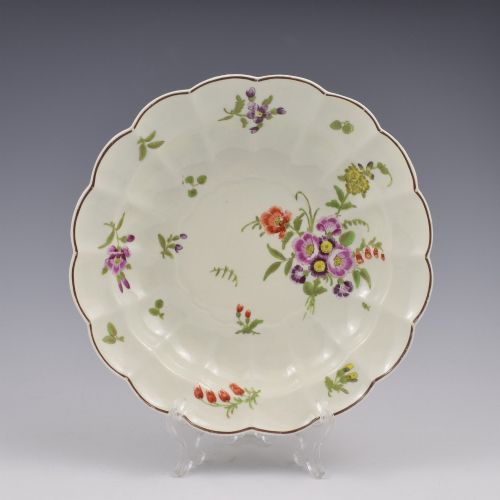
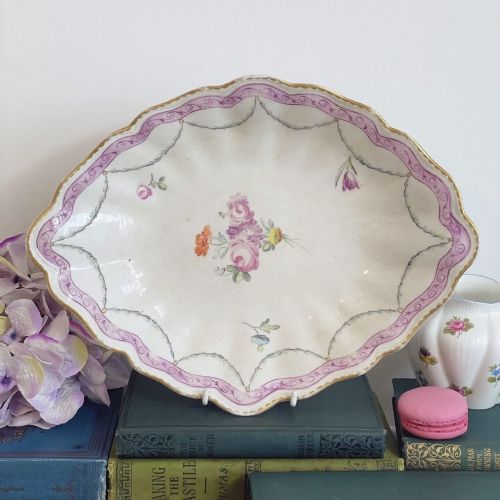
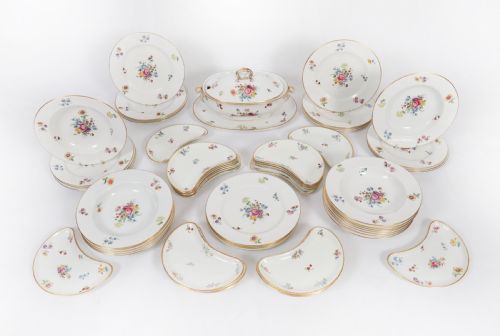
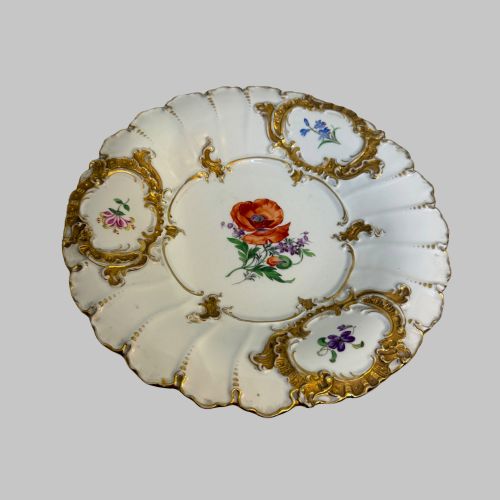
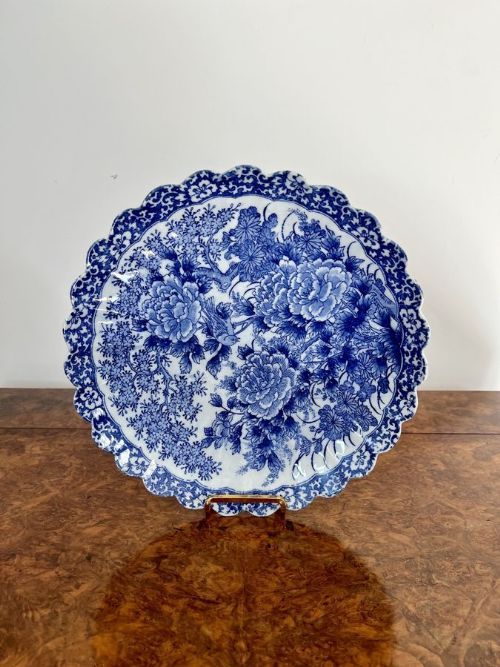
When you search for a white porcelain floral plate, you encounter items shaped for dining, dessert services, and display chargers originating from English, European, and Asian workshops. The selections span periods from the eighteenth century through the Victorian era and the early twentieth century, taking forms such as lobed bowls, scalloped edges, and basketweave patterns.
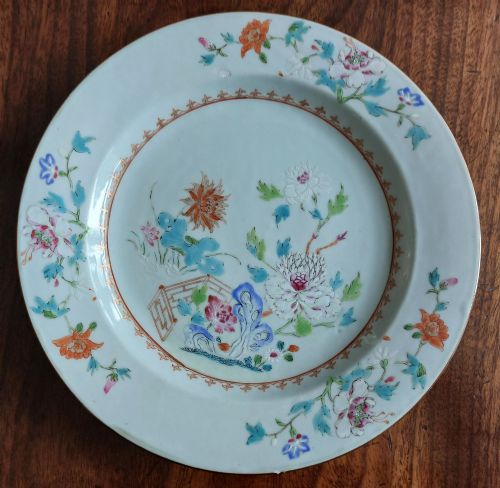
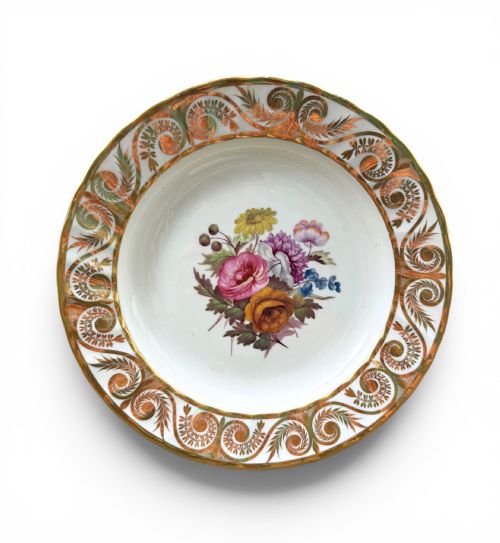
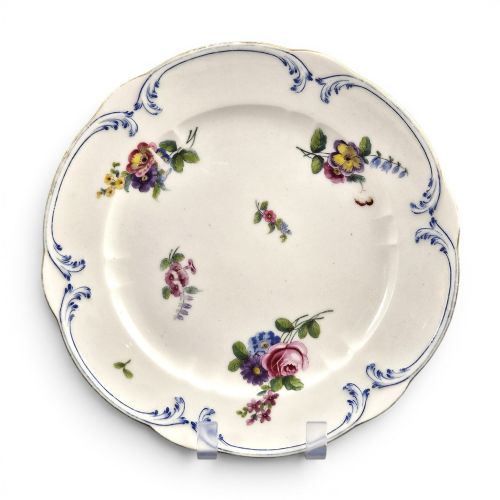
The English examples include pieces from factories like Derby, Worcester, Grainger Lee & Co, Minton, and Coalport, alongside continental factories like Meissen, Sèvres, and Chantilly. You also find Chinese export porcelain and Japanese Arita Imari wares, demonstrating how widely floral decoration travelled across global ceramic traditions.
How They Were Made
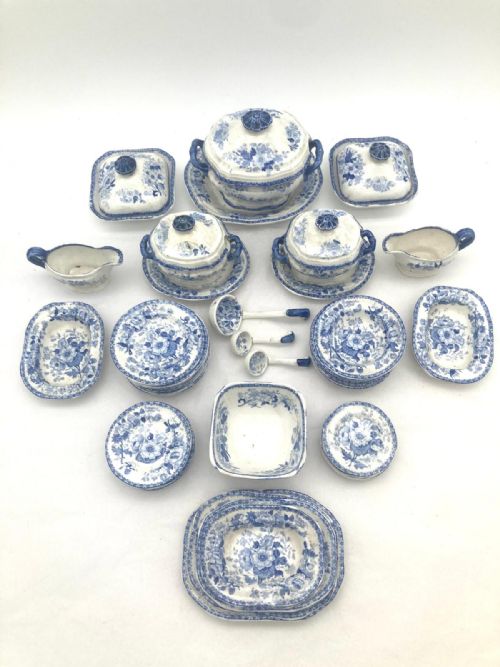
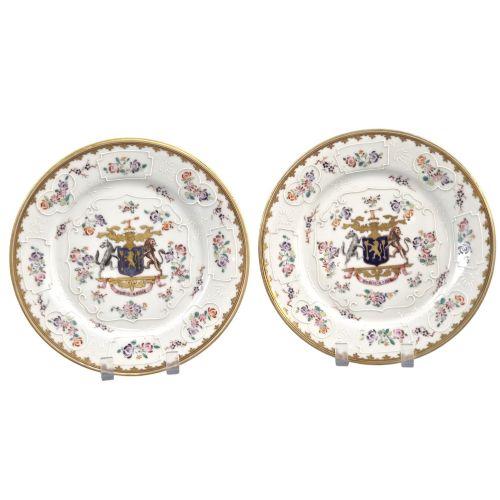
Makers shaped these objects using hard-paste and soft-paste ceramic bodies, applying white glaze to create a smooth canvas before decorating them. Artisans then employed handpainting, polychrome enamels, blue and white transfer printing, and cobalt glaze to render botanical motifs and floral sprays.
Certain workshops incorporated gilt accents, gold leaf, and raised moulding such as ozier borders or basketweave textures into the ceramic body. Kiln firing fixed the glaze and pigments, binding the floral details permanently to the porcelain surface.
Listings feature porcelain, earthenware, and ceramic bodies decorated with enamel, gold leaf, and cobalt glaze across multiple centuries.
What Varies in Quality
The standard of a piece rests upon the precision of the handpainted botanical brushwork and the clarity of the underlying glaze. Pieces decorated by named artists or produced during specific foundational periods display superior control over polychrome enamels and cobalt pigments.
Form also distinguishes the range, as moulded shapes like basketweave rims or lobed contours require greater skill in the ceramic forming stage than standard flat plates. Preservation of original gilding and the crispness of transfer-printed sheet patterns further separate everyday wares from exhibition pieces.
Grainger Lee & Co·Derby·Sèvres·Minton·Edmé Samson & Cie·Spode·Meissen·Furstenberg·Coalport·Chantilly·Carlton Ware
The White Porcelain Floral Plate Glossary
- Soft-Paste Porcelain
- A ceramic composition made from white clay, glass frit, and other materials fired at lower temperatures than hard-paste. It creates a warm translucent body common in eighteenth-century European factories.
- Famille Rose
- A palette of opaque enamels introduced in Chinese ceramics featuring pink or rose colours derived from colloidal gold. It dominates eighteenth-century floral and bird designs.
- Imari
- A style of Japanese export porcelain characterised by underglaze blue and overglaze iron red, green, and gold. Plates in this tradition often feature intricate panel and floral compositions.
- Streublumen
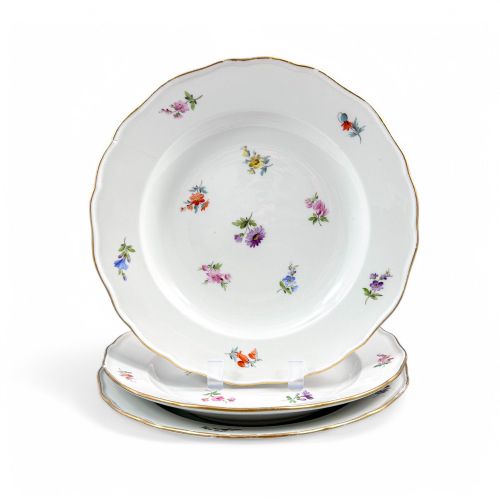
- A German term meaning scattered flowers. It describes a delicate decorative pattern of small individual floral sprays dropped across a white porcelain surface.
- Ozier Border
- A moulded basketweave or wicker pattern pressed into the rim of a ceramic plate. It mimics the texture of woven baskets popular in eighteenth-century European tableware.
White Porcelain Floral Plate: Frequently Asked Questions
How are these plates dated?
Makers marked their porcelain with painted ciphers, impressed stamps, or blue underglaze symbols that correspond to specific production years. Stylistic traits like handpainted floral palettes and moulding shapes also help determine the period of origin.
Analysing the paste type, whether hard or soft, provides further clues regarding the manufacturing era and geographic workshop.
Can I use them for dining?
Many of these pieces were originally created as part of dinner or dessert services intended for actual table use. However, age, delicate enamels, and fragile gold leaf often prompt owners to display them on walls or in cabinets instead.
Gentle hand washing preserves the painted floral surfaces and prevents wear on antique glazes.
What is blue and white transfer printing?
Transfer printing is a technique where an engraved copper plate transfers a design onto tissue paper, which is then applied to the ceramic body. This allowed factories to produce uniform floral patterns efficiently before glazing and firing.
It became widely used across nineteenth-century English factories for domestic service wares.
How do I identify Japanese Imari?
Japanese Imari pieces display a distinct combination of cobalt blue underglaze and iron red overglaze, frequently highlighted with gold leaf. The motifs typically combine floral arrangements with panel designs.
These chargers and plates were exported in large quantities and imitated by European factories.