


White Porcelain Dish
A white porcelain dish brings centuries of ceramic artistry to the table, offering both delicate utility and cabinet display.

White Porcelain Dish
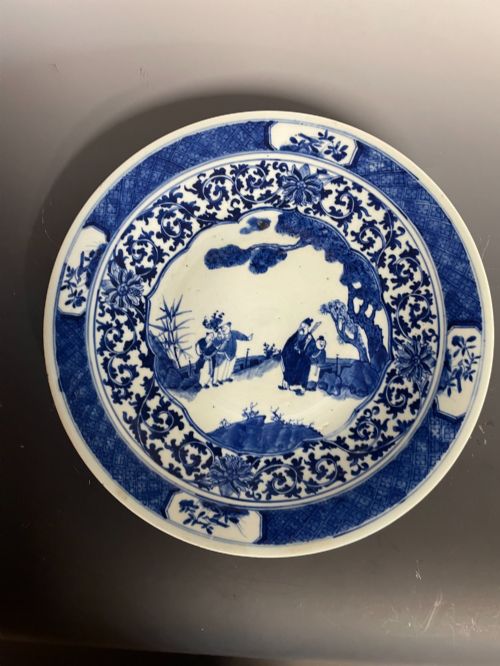
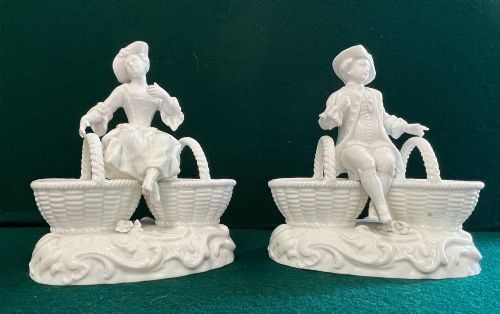
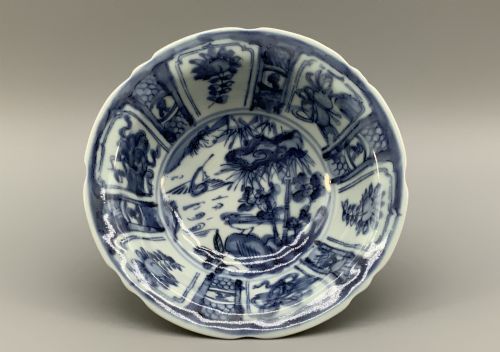
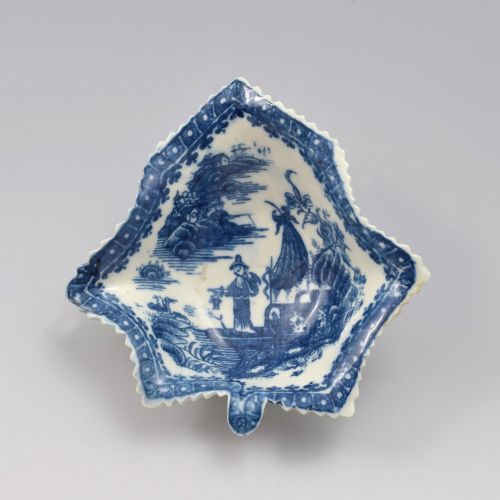
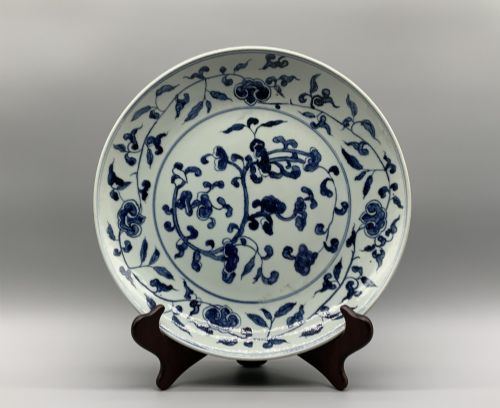
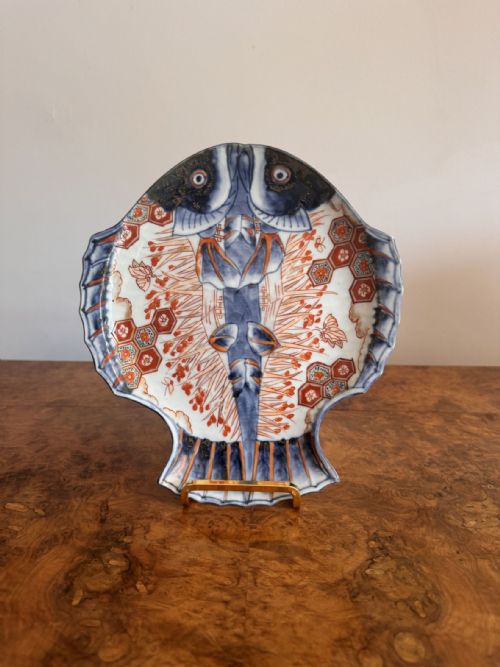
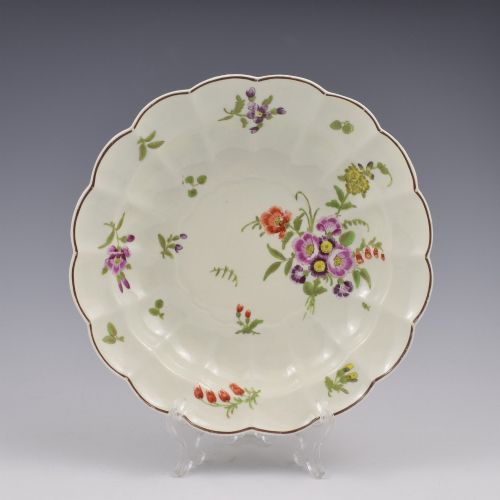
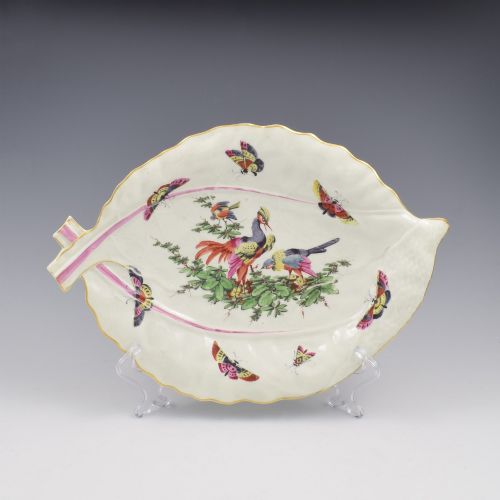
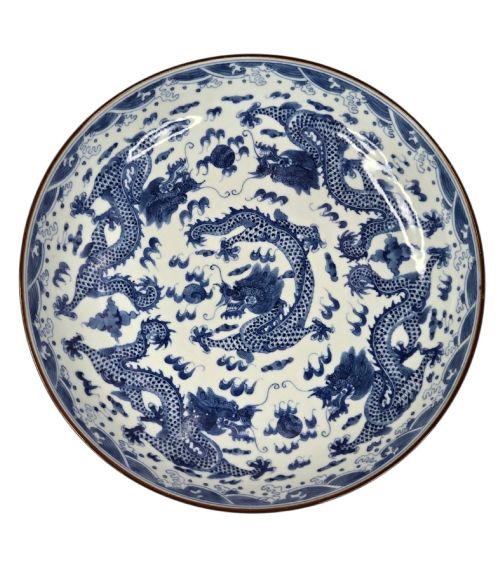
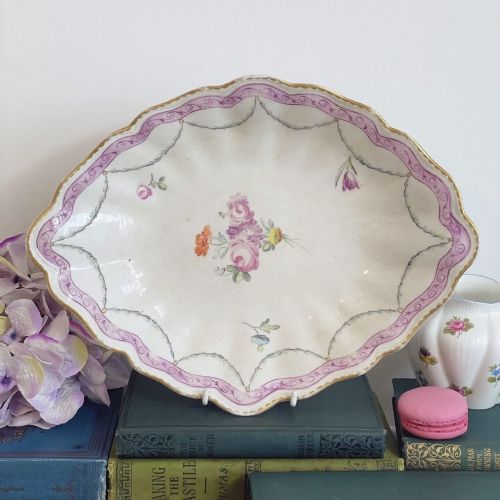
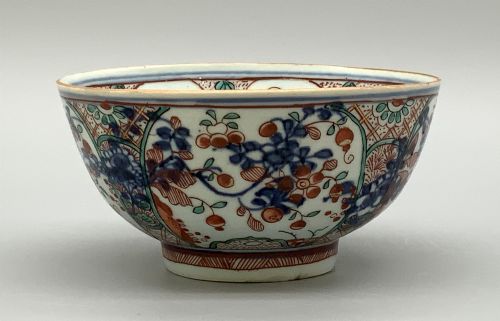
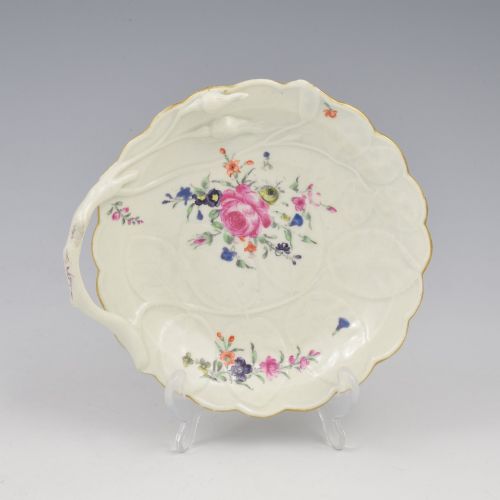
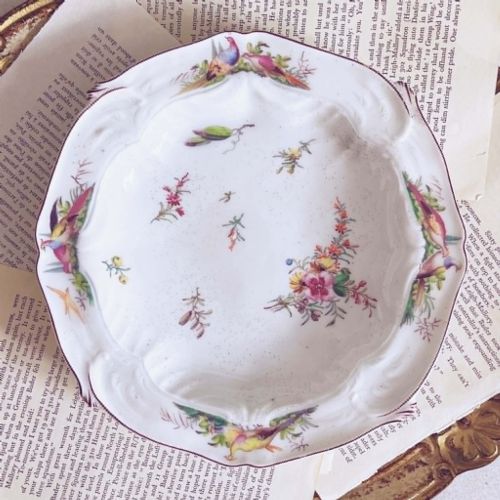
The selection ranges from eighteenth-century English soft-paste examples to nineteenth-century Japanese imports and continental porcelains. Forms vary from simple round plates to lobed pickle dishes, leaf servers, and deep chargers.
How they were made
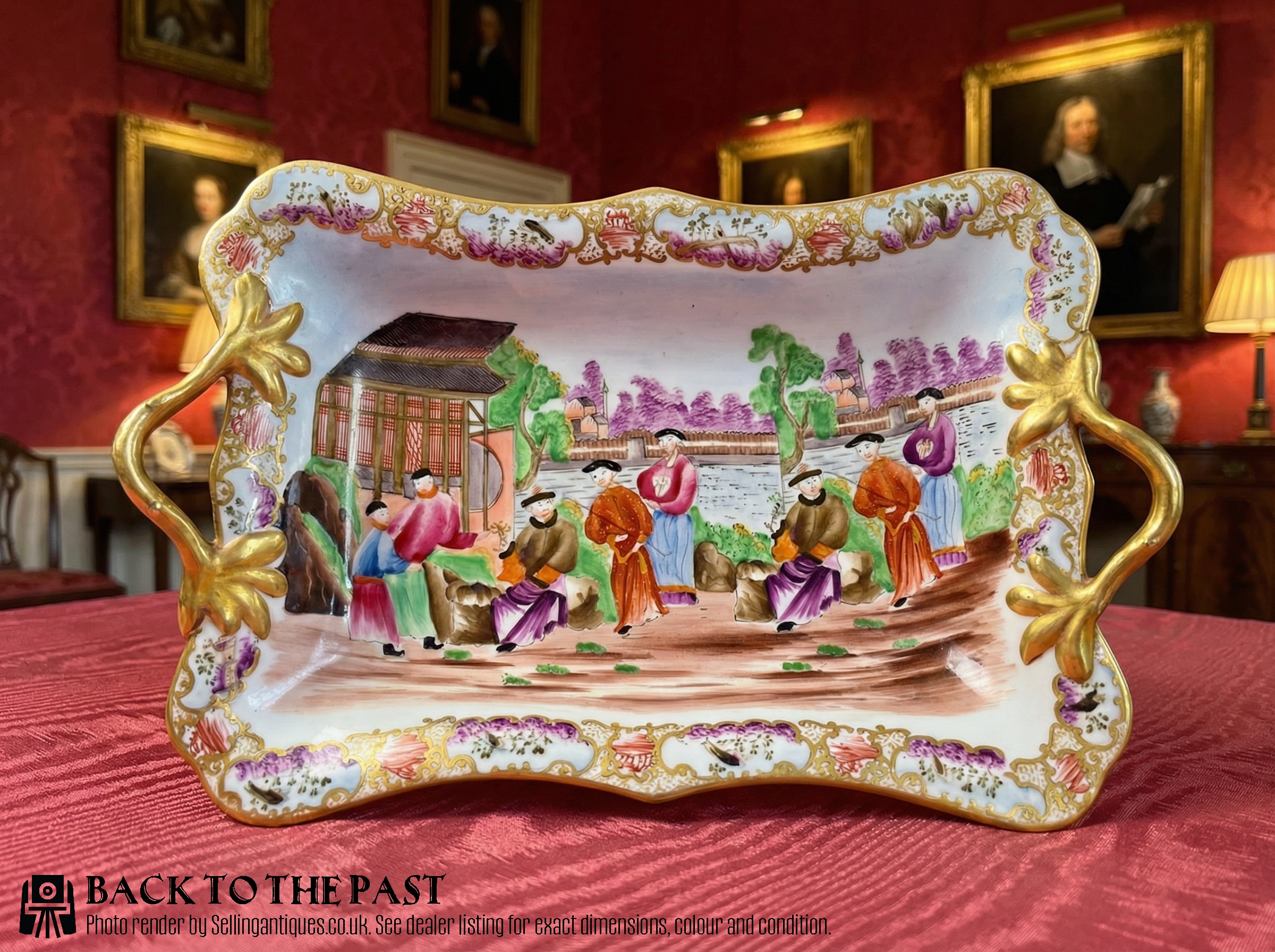
Potters utilised hard-paste and soft-paste porcelain bodies, coating them in transparent glaze before applying cobalt underglaze, enamel colours, or gold leaf accents. Many eighteenth-century English and continental pieces required meticulous handpainting over initial cobalt or monochrome templates.
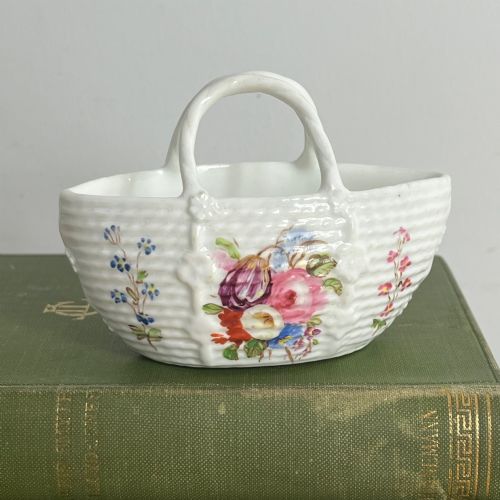
Moulding techniques allowed artisans to create raised botanical motifs, such as vine leaves or wicker textures, before high-temperature firing fixed the vitreous body and surface decoration together.
White Porcelain Dish Retail Price Guide 2026
Typical asking prices for white porcelain dish among the pieces listed under this phrase on Sellingantiques today, from the lower quarter to the upper quarter. They describe what is for sale here now, not the wider market.
Object forms span leaf-shaped pickle dishes, lobed bowls, flat plates, and large circular chargers from European and Asian makers.
What varies in quality
Quality rests upon the crispness of the porcelain moulding, the refinement of the glaze surface, and the dexterity of the handpainted or gilded ornamentation. Superior examples display precise brushwork and well-balanced forms without distracting kiln firing distortions.
The distinction between standard domestic wares and exceptional pieces often lies in the sophistication of the pattern and the prestige of the factory responsible for its creation.
Flight Barr And Barr·Meissen·Caughley·Chelsea·Dresden·Davenport·Kpm Berlin·Derby·Spode·Minton·Chamberlains Worcester·Royal Worcester
The White Porcelain Dish Glossary
- Soft-paste porcelain
- A glassy ceramic composition fired at lower temperatures than hard-paste porcelain, common in eighteenth-century English factories. It produces a warm, creamy translucent body.
- Pickle dish
- A small, specialised serving vessel shaped like a leaf, shell, or fan, historically used for condiments at the dining table. These are frequently found in eighteenth-century English ceramics.
- Cobalt underglaze
- A blue pigment applied to the unfired ceramic body beneath the transparent glaze before firing. This technique withstands high temperatures without losing definition.
- Charger
- A large ornamental or serving plate intended for display on a sideboard or table centre rather than everyday dining use. They often feature intricate handpainted narratives or floral designs.
- Kakiemon
- An asymmetric, restrained Japanese enamel style featuring delicate birds and flowers, widely copied by European porcelain manufactories during the eighteenth century.
White Porcelain Dish: Frequently Asked Questions
How do I clean an antique porcelain dish?
Wash antique porcelain gently by hand in warm water using a mild, non-abrasive liquid soap. Avoid soaking pieces with gilt highlights or overglaze enamels to protect the delicate surface decoration.
Dry each item thoroughly with a soft lint-free cloth before returning it to the display cabinet or table.
How can I tell eighteenth-century porcelain apart?
Examine the footrim and body under good light to observe the translucency and any glaze pooling characteristic of specific kilns. Pigment tones and potting weight also provide clues to the period and origin.
Factory marks painted or impressed on the base offer further confirmation when researchers have catalogued them.
What is the difference between soft and hard paste?
Soft-paste porcelain contains glass frit and clay substitutes, resulting in a softer body that scratches more easily and shows a warmer tone under the glaze. Hard-paste porcelain uses true china clay and petuntse, fired at much higher temperatures to create a dense, impervious material.
European factories developed both types at different times to replicate imported Asian wares.