

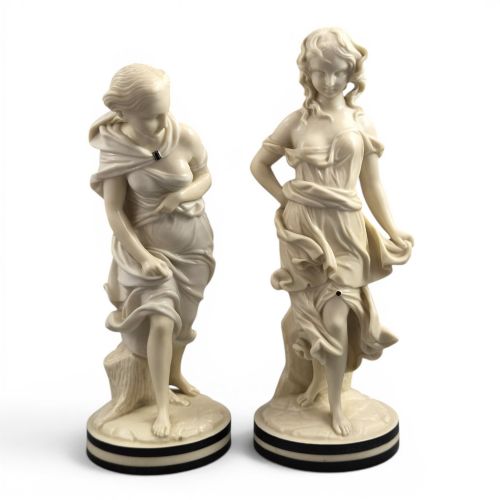


White Parian Sculpture
White parian sculpture captures the smooth marble look of classical art in accessible nineteenth-century porcelain.
What white parian sculpture is
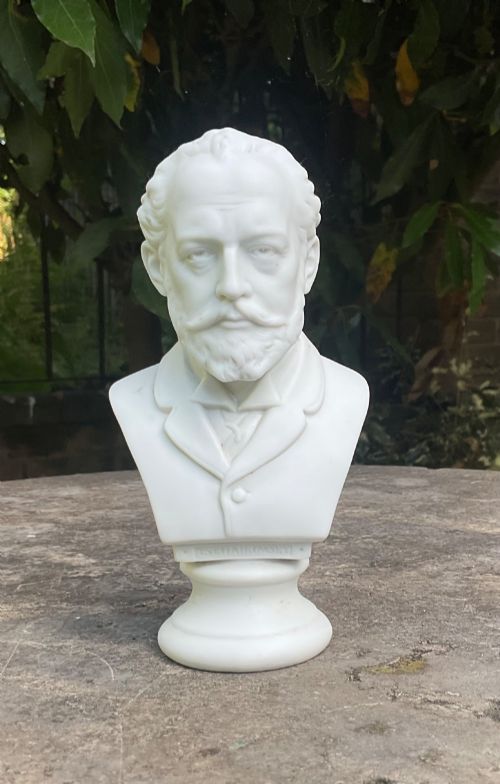
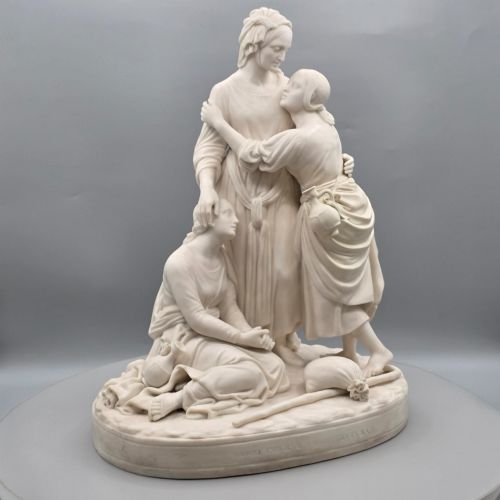
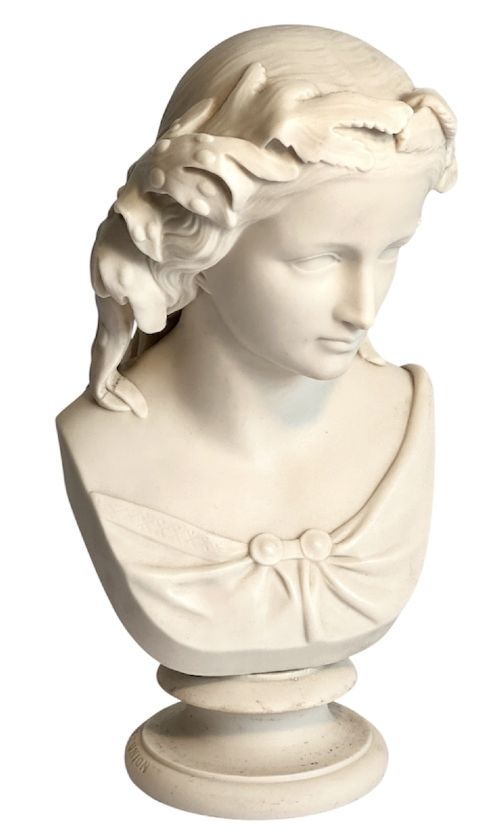
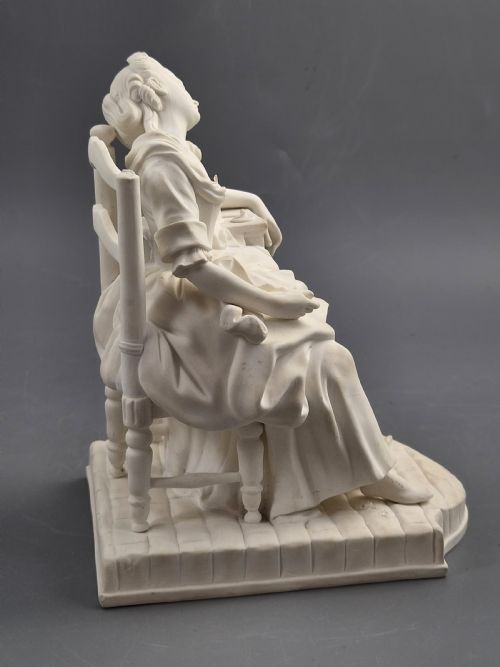
White parian sculpture encompasses nineteenth-century Victorian figures and busts modelled in unglazed ceramic. These pieces draw heavily on neoclassical styles, often reproducing famous European sculptural works in miniature form.
Collectors frequently encounter figures and larger scale studies depicting mythological subjects or notable historical personalities. The Victorian era embraced these ceramic statues as a refined addition to the domestic interior.
How they were made
Potteries utilised parian porcelain, bisque porcelain, and biscuit ceramic to achieve a matt, unglazed finish that closely mimics carved marble. Slip casting allowed makers to capture intricate details across complex sculptural forms.
British and European factories poured the liquid clay into multi-part moulds before firing the pieces at high temperatures. This technique produced durable figures with crisp lines and smooth surfaces.
Retail Price Guide 2026
Typical UK retail prices for white parian sculpture, calculated from the Sellingantiques database of over a million retail prices indexed since 2003. This retail price guide relies exclusively on Sellingantiques data; no external sources or auction records are used, so the figures do not describe the wider market.
What varies in quality
The scale of the piece and the ambition of the subject matter influence the overall standard. Works modelled after notable sculptors command greater attention for their artistic fidelity.
Copeland·Royal Worcester·Johann Heinrich Dannecker·John Durham
The White Parian Sculpture Glossary
- Parian ware
- A fine-grained unglazed porcelain developed in the nineteenth century to imitate carved marble. It fires to a smooth, matt white finish.
- Bisque porcelain
- Unglazed ceramic fired once to create a vitrified body with a tactile, stone-like texture. It is often synonymous with parian.
- Neoclassical
- An artistic style inspired by the classical art and culture of ancient Greece and Rome. It dominated nineteenth-century sculpture and decorative arts.
- Slip casting
- A ceramic manufacturing technique using liquid clay poured into moulds to create hollow figures. This method enables high detail reproduction.
Frequently Asked Questions
What is white parian sculpture?
White parian sculpture consists of nineteenth-century unglazed porcelain figures designed to imitate carved marble. These pieces range from mythological studies to portraits of Victorian public figures.
Makers produced these works during the Victorian period using specialised ceramic bodies that captured fine sculptural detail without requiring a glossy glaze.
How do I clean parian porcelain?
Cleaning unglazed parian ware requires gentle methods due to the porous nature of the biscuit ceramic surface. Dusting with a soft brush usually suffices for routine maintenance.
Avoid using harsh chemical cleaners or soaking the unglazed material in water, as moisture can penetrate the porous body and discolour the porcelain over time.
Are these pieces made of marble?
Despite their convincing appearance, these sculptures are made of ceramic rather than quarried stone. Parian porcelain was specifically formulated to replicate the smooth texture of white marble at a fraction of the weight.
Close inspection reveals the ceramic composition, particularly around unglazed bases or interior hollows where slip casting seams may be visible.
How do I date a parian figure?
Dating relies on identifying factory marks, stylistic cues, and the historical period of the subject depicted. Most pieces date from the nineteenth century during the height of the Victorian neoclassical revival.
Researching the specific maker or sculptor named in the title often provides a precise production window for the statuary figure.