




White Enamel Glassware
White enamel glassware brings together opaque milk glass, coloured vessels and detailed painted surfaces from the eighteenth and nineteenth centuries.
White Enamel Glassware
When you search for white enamel glassware, you encounter a varied selection of vessels spanning the Georgian, Victorian and Edwardian eras. These pieces include vases, decanters, biscuit barrels and drinking glasses created across European workshops.
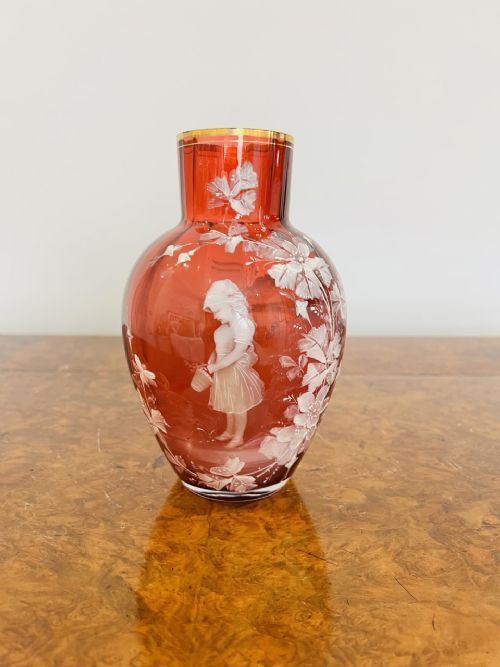
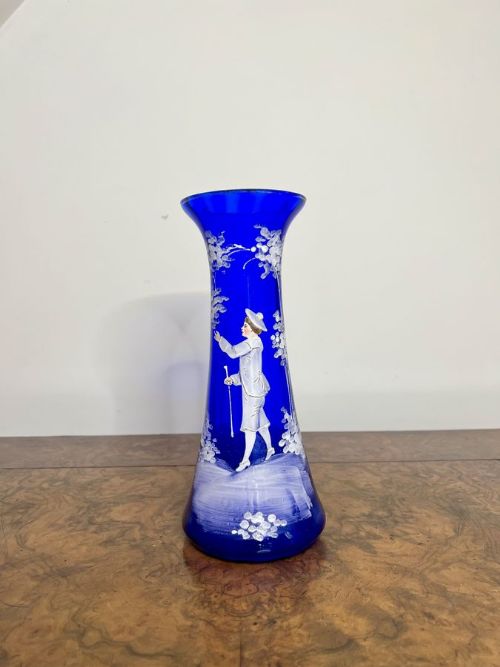
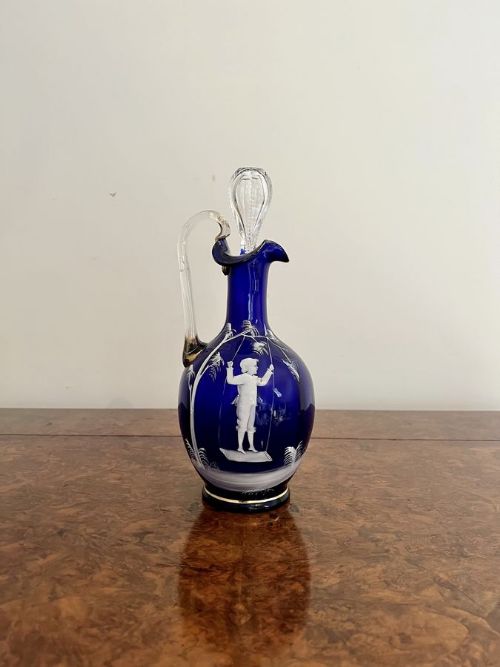
The most common examples on this page are Victorian pieces featuring white enamel painting, particularly the characteristic figures associated with Mary Gregory designs on cranberry, blue and green glass.
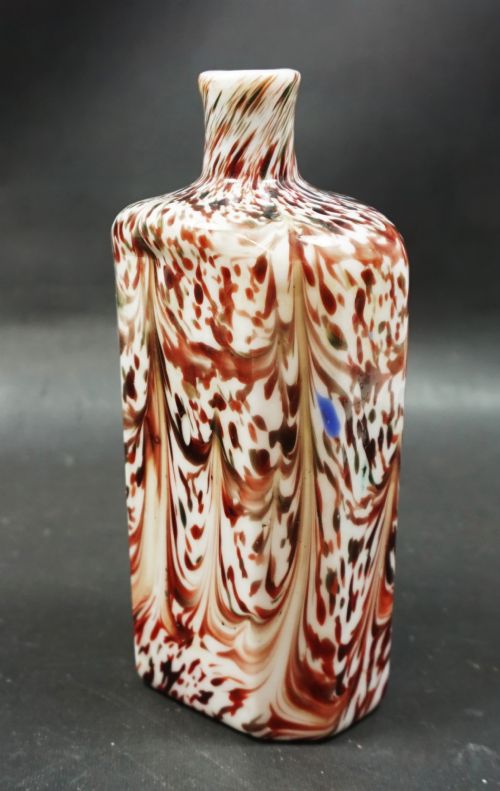
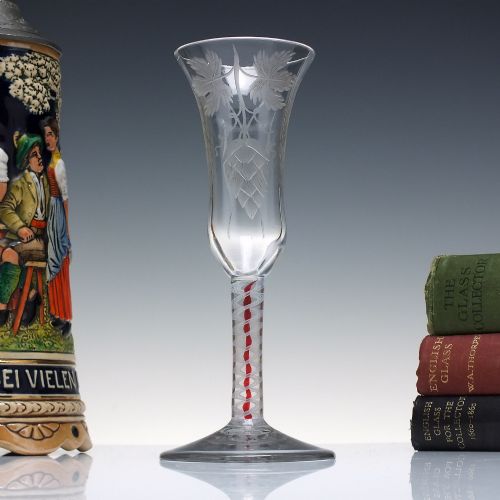
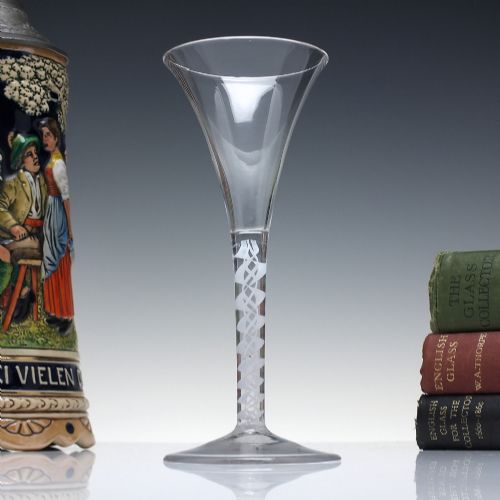
Earlier domestic items also appear, such as eighteenth-century milk glass flasks with splattered decoration and opaque twist wine glasses from the Georgian period.
How they were made
Makers shaped lead glass, cranberry glass and clear glass by hand, incorporating techniques such as flute-moulding for ogee bowls and forming dressing table sets, jars and ewers.
Designers applied enamel paint directly to the glass surface, often rendering detailed silhouettes of children in landscapes alongside foliage and gold leaf highlights.
Art Nouveau opaline vases demonstrate later developments in the application of opaque enamel decoration upon pale glass bodies.
Victorian glass painters often rendered children with disproportionately large heads, capturing a charmingly plump aesthetic across cranberry vases.
What varies in quality
The weight and clarity of the underlying glass vessel, whether deep cranberry, cobalt blue or milk glass, distinguishes finer productions from standard domestic wares.
The integration of decorative elements like gold leaf and the overall balance of the form determine the distinction of each item.
The White Enamel Glassware Glossary
- Mary Gregory glass
- Victorian glassware decorated with opaque white enamel figures, typically depicting children at play amidst foliage.
- Cranberry glass
- Transparent red-pink glass produced by adding gold chloride to the molten batch during manufacturing.
- Opaline glass
- An opaque or translucent pale glass developed in France and popular during the nineteenth century for decorative items.
- Opaque twist
- A Georgian drinking glass stem featuring white or coloured enamel threads enclosed within clear glass.
White Enamel Glassware: Frequently Asked Questions
What is Mary Gregory glass?
Mary Gregory glass refers to Victorian and later glassware featuring hand-painted white enamel decoration of children, birds or landscapes. These pieces were produced in various colours including cranberry, green and blue.
While traditionally attributed to an American artist, most pieces found today originated in European and Bohemian glassworks during the late nineteenth century.
How do I date white enamel glassware?
Dating relies on examining the form of the vessel, the colour of the glass and the style of the enamel painting. Georgian pieces often show simpler opaque twists or milk glass forms, whilst Victorian items frequently display ornate painted scenes.
Later Edwardian and Art Nouveau examples introduce distinct opaline bodies and flowing floral motifs that separate them from earlier periods.
Where were these pieces made?
Production centres varied across Europe, with significant quantities originating in English, Bohemian and Swiss workshops. Artisans utilised local glass-making traditions to create both utilitarian items and decorative tablewares.
Swiss makers produced items like milk glass flasks, while British and continental factories supplied the coloured glass vases and decanters.
How should I clean antique glassware?
Wash pieces gently by hand in lukewarm water using a mild detergent, avoiding harsh abrasives that might damage the surface enamel. Enamelled decoration can be delicate, particularly on older or nineteenth-century items.
Dry the glass thoroughly with a soft cloth to maintain the clarity of the material and protect the painted details.