


Hand Painted Decanter
A hand painted decanter brings vibrant colour and individual character to a table, combining practical service with expressive surface decoration.
Hand Painted Decanter
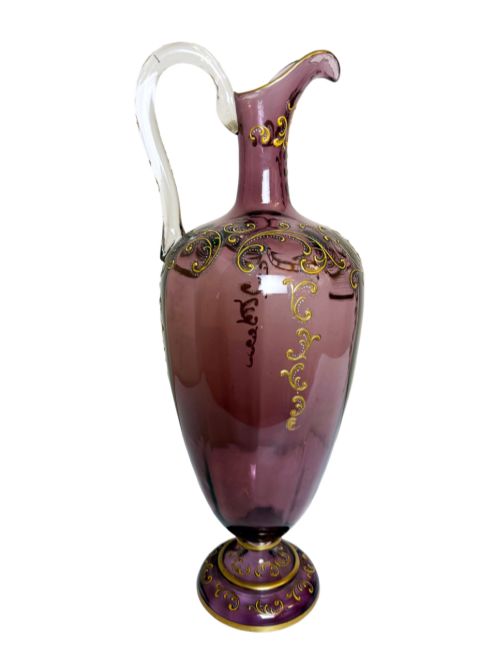
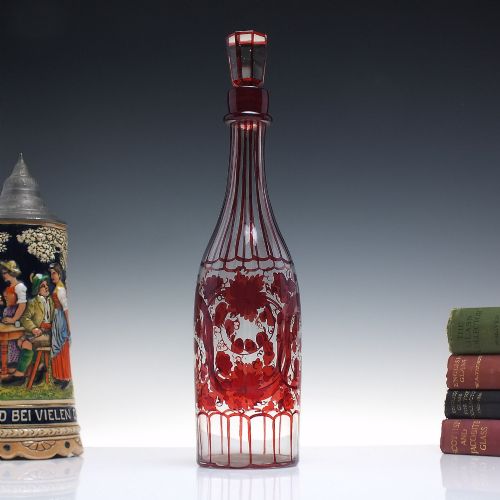
A hand painted decanter combines functional glassware with decorative artistry, serving as both a vessel for wine, spirits, or water and a focal point for display. When exploring this selection, buyers encounter various forms including traditional decanters, serving bottles, pitchers, ewers, and flasks originating from multiple periods.
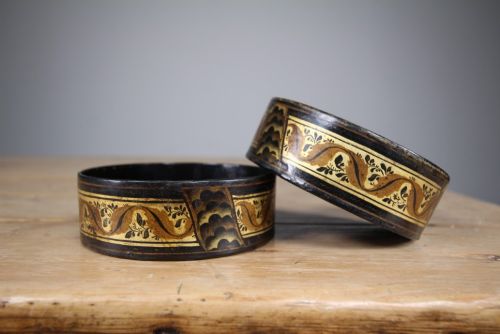
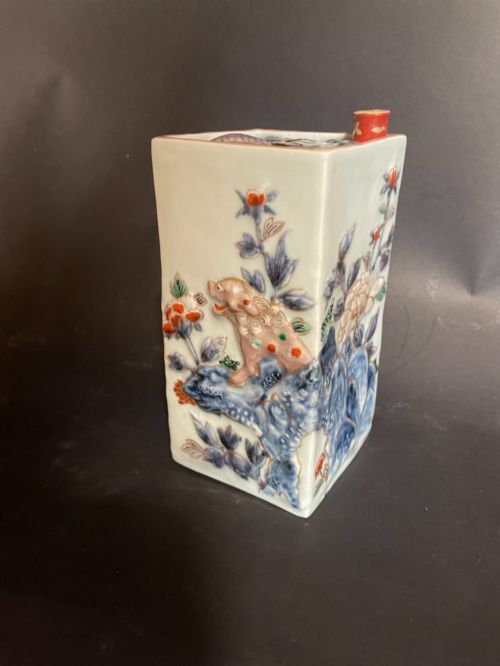
The pieces available span centuries of craftsmanship, featuring examples from the Georgian and Victorian eras alongside continental and international styles. Most items utilise glass as the primary medium, though related serving wares and flasks incorporate diverse materials such as porcelain, earthenware, and papier-mâché.
Makers and artisans applied painted details directly to the surface, resulting in contrasting colours and intricate patterns that define each individual object. Whether utilising clear glass, cranberry glass, or opaque opaline, these vessels demonstrate how historic workshops combined utility with ornamental design.
How they were made
Makers formed the foundational vessels using blown glass or moulded techniques, shaping clear or coloured materials into decanters, ewers, and flasks. Artisans then applied enamel paints, gold leaf, and gilding directly to the exterior surfaces, creating decorative motifs ranging from floral patterns to pictorial scenes.
Certain traditions incorporate specialised surface treatments, such as frosted glass, polychrome enamelling, and hand-applied appliques. Workshops also utilised materials like papier-mâché and ceramic bodies for related serving pieces, finishing them with detailed painted or gilded ornamentation.
Some antique cocktail shakers feature hand painted roosters, proving that Victorians and their successors enjoyed a cheerful dash of fowl play with their evening drinks.
What varies in quality
The standard of a piece depends on the precision and preservation of the painted or gilded surface work. Superior examples exhibit finely detailed enamel painting with minimal rubbing or loss, while lesser items show wear or crude application.
The clarity and weight of the glass body, alongside the sophistication of the form, separate standard production items from masterworks. Intricate colour saturation, such as deep cranberry or Bristol blue hues combined with crisp gilding, denotes higher craftsmanship.
Moser·Salviati·Mary Gregory
The Hand Painted Decanter Glossary
- Ewer
- A large pitcher or jug with a wide spout, often used for water or wine service. These vessels frequently feature applied handles and decorative enamel work.
- Mell decanter
- A specific bottle form with a broad shoulder and tapering body, historically used for serving whiskey or spirits. These pieces often display rich blue glass and painted details.
- Opaline glass
- An opaque or translucent glass developed in pale colours like white or blue. This material provides an ideal smooth background for detailed enamel painting.
- Polychrome enamel
- A decoration technique utilising multiple coloured glass enamels fused to the surface. It allows for vibrant, multi-coloured pictorial designs on clear or coloured vessels.
- Gilding
- The application of gold leaf or gold powder to accentuate rims, handles, and painted motifs. This technique adds metallic contrast and richness to the glassware.
Hand Painted Decanter: Frequently Asked Questions
What is a hand painted decanter used for?
These vessels were designed to hold and serve wine, spirits, or liqueurs at the dining table or sideboard. Their decorative surfaces also made them suitable for display in cabinets when not in active use.
Over time, collectors have valued them both as functional tableware and as decorative objects that reflect the distinct artistic tastes of their respective periods.
How do I clean an antique decanter?
Cleaning historic glassware requires gentle hand washing with lukewarm water and mild soap, avoiding abrasive pads that could damage painted surfaces or gilding. Care must be taken around delicate enamel details and gold leaf appliques.
Submerging antique pieces for extended periods or placing them in dishwashers should be strictly avoided to preserve the integrity of the glass and decoration.
How can I tell the age of these pieces?
Dating relies on observing the manufacturing techniques, such as pontil marks on the base of blown glass, alongside the specific artistic style and colour palette. Victorian, Georgian, and later periods each favoured distinct forms and decorative motifs.
Comparing the type of enamel work, glass coloration, and vessel shape against documented examples helps establish the likely era of production.
Are these decanters safe for modern dining?
While many historic glass vessels remain structurally sound for holding liquids, owners often choose to use them primarily for display or gentle service. Older enamels and glass formulations can be sensitive to certain liquids or vigorous cleaning.
Inspecting the interior for residue or staining helps determine whether a piece is suitable for serving beverages today.