


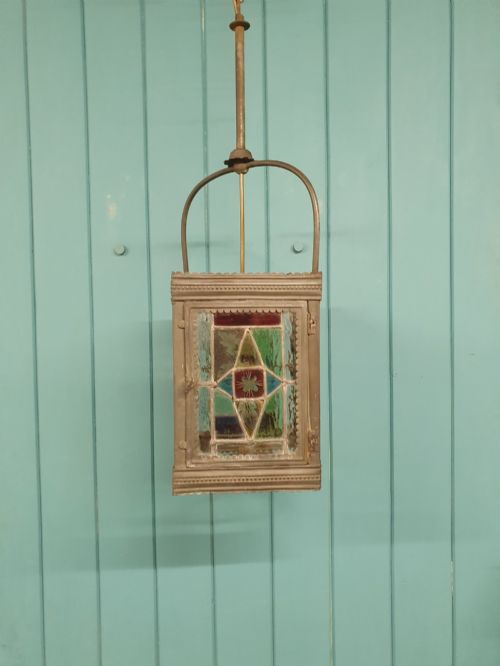


Victorian Green Art Glass
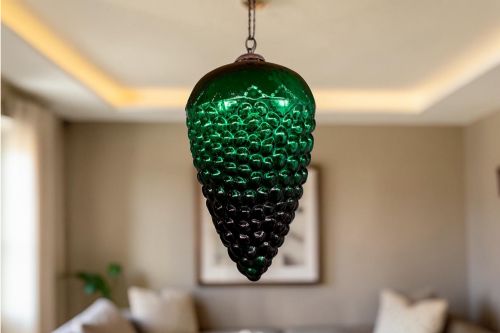
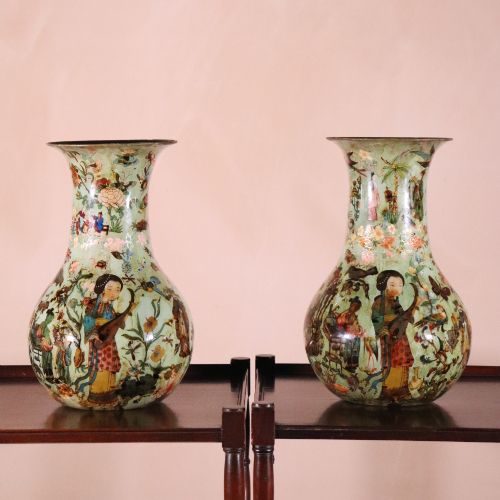
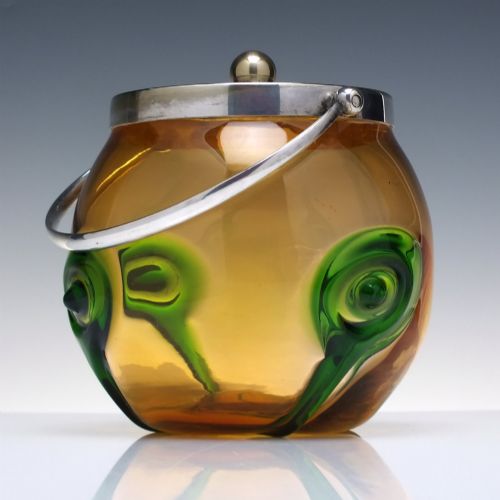
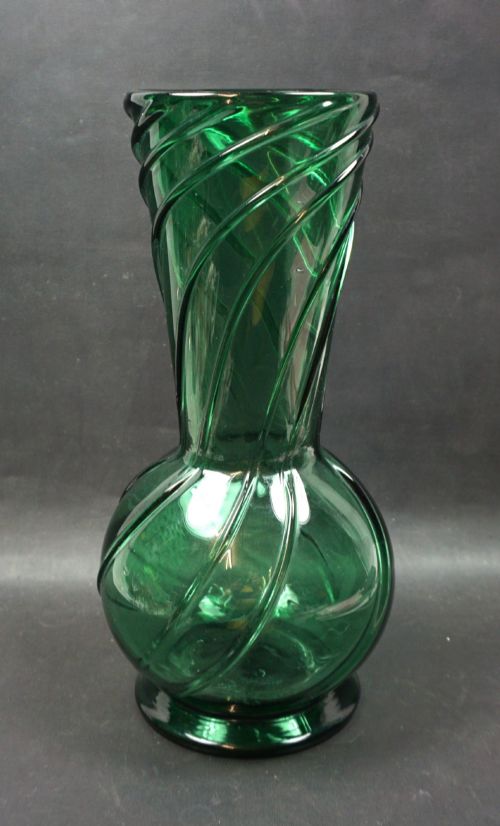
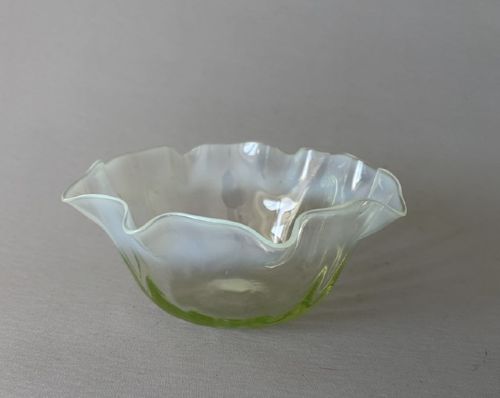
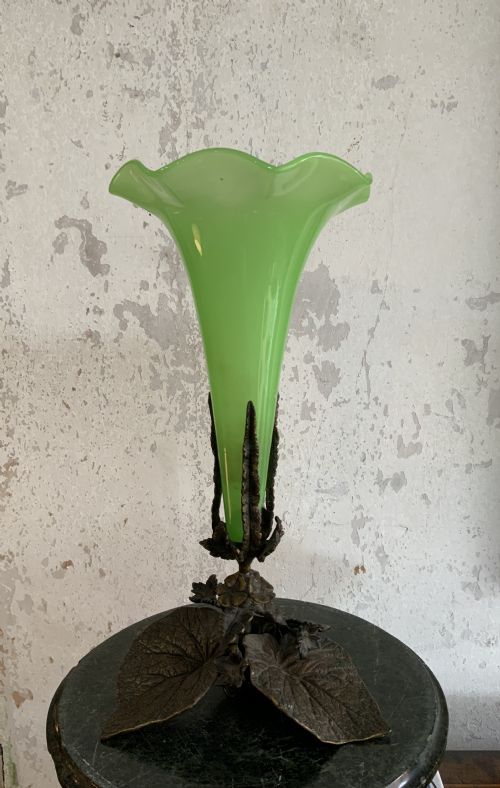
Victorian green art glass brings vivid colour and striking form to a room, spanning vibrant vases, epergnes and lamps.
Victorian Green Art Glass
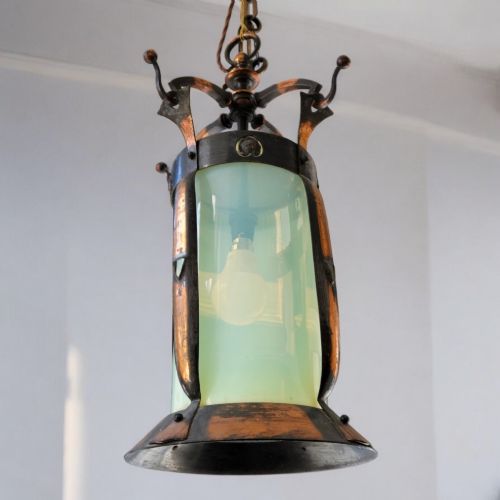
The selections span distinct stylistic movements, moving from traditional Victorian designs into the flowing curves of Art Nouveau and Arts and Crafts. Pieces often combine the vivid green glass body with metal mounts in brass, bronze or silver plate.
Origin points recorded across the inventory include English workshops, Venetian makers, Austrian studios and Bohemian glasshouses. This geographic spread yields everything from double-walled vessels to delicate cameo glass.
Materials and Techniques
Makers utilised glass as the primary medium, frequently introducing uranium to achieve a characteristic glowing green hue, or employing specialised techniques like latticinio and double-wall construction. These glass bodies were often shaped freehand or blown into moulds before receiving surface embellishments.
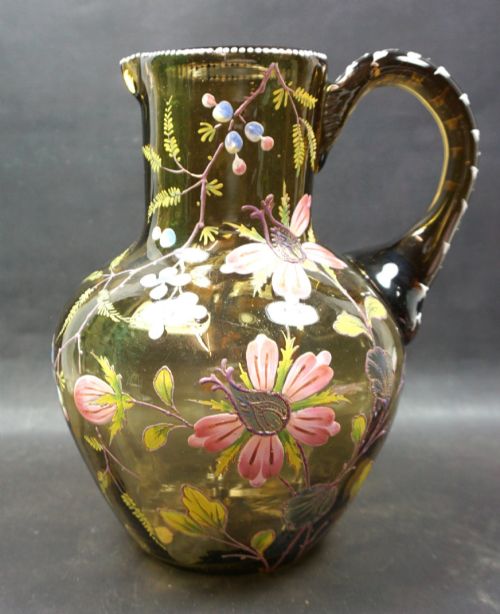
Metal components in brass, bronze, cast iron and silver plate frequently provide structural support or mounts, particularly in pieces like epergnes, centrepieces and hanging lamps. Artisans also applied enamel paint directly to the glass surface or integrated leaded cames in architectural window panels.
Victorian Green Art Glass Retail Price Guide 2026
Typical asking prices for victorian green art glass among the pieces listed under this phrase on Sellingantiques today, from the lower quarter to the upper quarter. They describe what is for sale here now, not the wider market.
Listings feature items from the 1860s through the 1930s, uniting Victorian, Art Nouveau and Arts and Crafts styles.
Assessing Quality
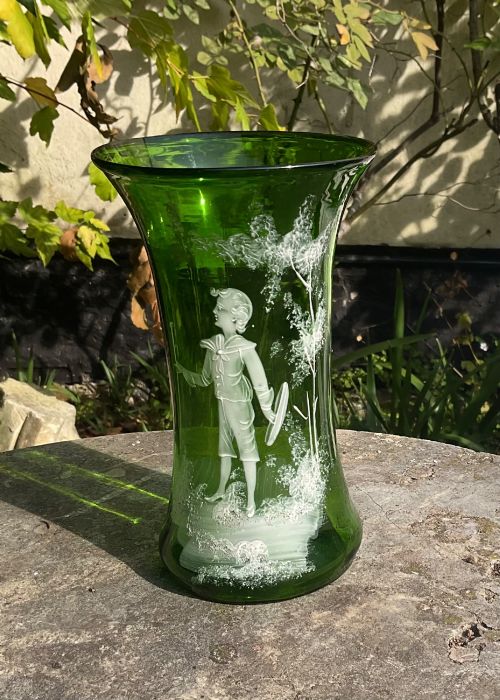
Quality reveals itself in the precision of the glass manipulation and the depth of the green coloration, whether achieved through uranium content or layered glass techniques. Superior examples display crisp surface detailing, whether through hand-painted enamel scenes or intricate cameo carving.
The integration between the glass vessel and its metal mountings, such as bronze or silver-plated frames, indicates the level of craftsmanship involved in composite items like epergnes and centrepieces. Well-executed pieces maintain structural harmony between the delicate glass elements and their supportive hardware.
Stuart for Liberty·Salviati Venice·Konstantin Stoitzner·Baccarat·WMF
The Victorian Green Art Glass Glossary
- Uranium glass
- Glass containing a small percentage of uranium dioxide added as a colourant, resulting in a fluorescent yellow-green appearance under ultraviolet light. This material appears frequently in nineteenth-century decorative vessels.
- Epergne
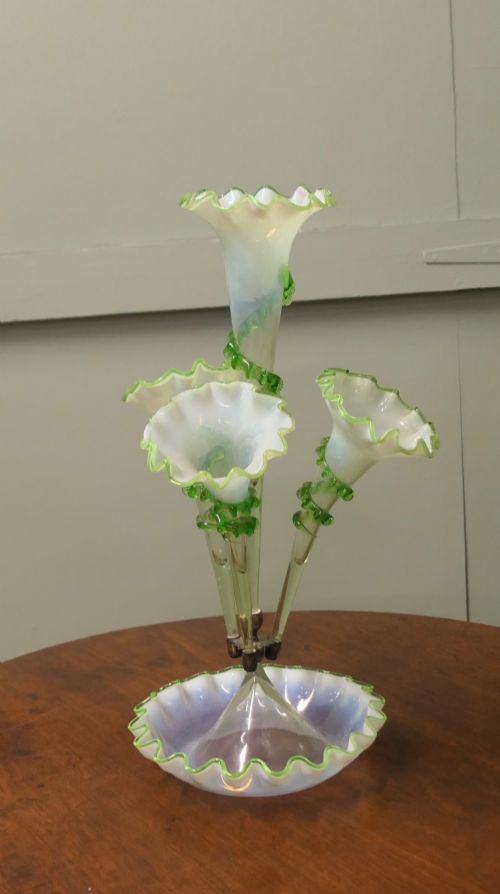
- A centrepiece table ornament featuring a central dish with multiple branching holders for fruit, flowers or small glass trumpets. They often combine green glass bowls with metal or glass inserts.
- Latticinio
- A decorative glass technique involving opaque white or coloured glass threads embedded within clear or tinted glass in regular net-like patterns. Venetian makers utilised this method on nineteenth-century plates and vessels.
- Cameo glass
- A luxury glass vessel produced by overlaying two or more layers of glass of contrasting colours and carving away the outer layer to form raised designs. Fine examples date to the late nineteenth century.
- Vaseline glass
- A transparent or translucent yellowish-green type of uranium glass resembling the petroleum jelly of the same name. It is commonly found in nineteenth-century centrepieces and decorative wares.
Victorian Green Art Glass: Frequently Asked Questions
What is Victorian green art glass?
Victorian green art glass encompasses decorative vessels, lighting and window panels produced during the nineteenth century and the turn of the twentieth century. These pieces utilise various shades of green, often incorporating uranium to achieve a bright, glowing tone.
You will encounter forms ranging from table vases and epergnes to architectural stained glass windows, reflecting both traditional Victorian aesthetics and later Art Nouveau influences.
How do I identify uranium glass?
Uranium glass typically exhibits a transparent or translucent yellowish-green colour in normal daylight, sometimes referred to as vaseline glass. The defining characteristic is its bright green fluorescence when exposed to ultraviolet light.
This material was widely used by nineteenth-century glassmakers for decorative items like vases and epergnes due to its striking optical properties.
Where were these glass pieces made?
The inventory records pieces originating from various European glassmaking centres, including English makers, Venetian workshops, Bohemian glasshouses and Austrian studios. Each region brought distinct techniques to the production of green art glass.
Venetian makers utilised methods like latticinio, while Bohemian and English glasshouses produced cameo glass, enamel-painted vessels and uranium glass pieces.
How should I display an epergne?
An epergne serves as a dramatic table centrepiece, designed to hold fruit, flowers or small decorative elements within its branching glass trumpets and bowls. Because these pieces combine delicate glass components with metal mounts, they require a stable surface away from heavy household traffic.
Placing them on a dining table or sideboard allows the green glass to catch natural light, highlighting the varying tones and forms of the individual vessels.