



White Ceramic Plates
White ceramic plates encompass centuries of porcelain, earthenware, and tin-glazed wares shaped into serving platters, chargers, and decorative dishes for domestic display and dining.
White Ceramic Plates
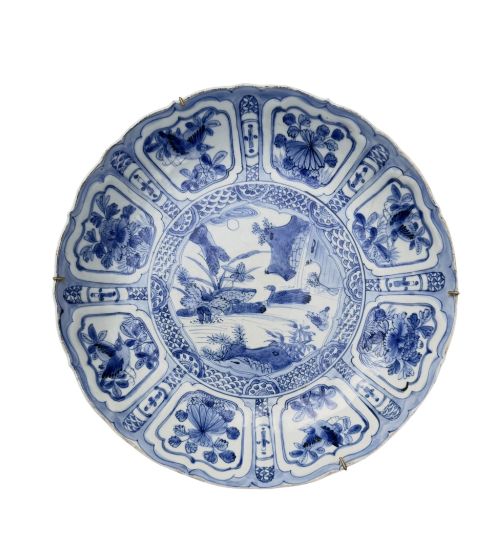
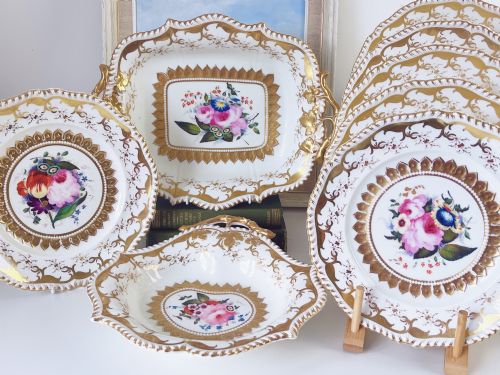
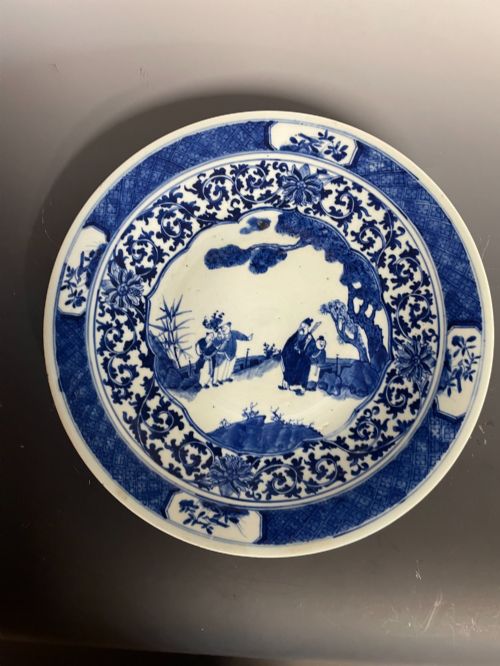
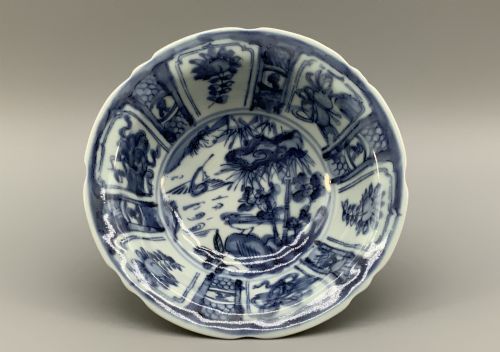
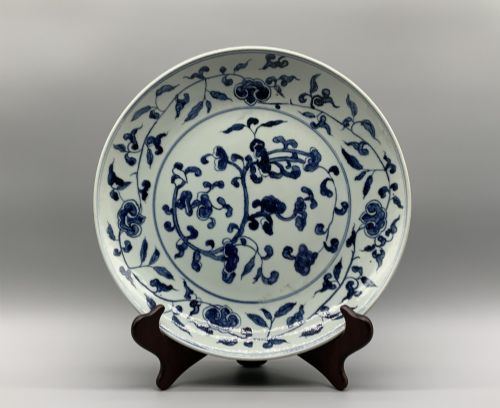
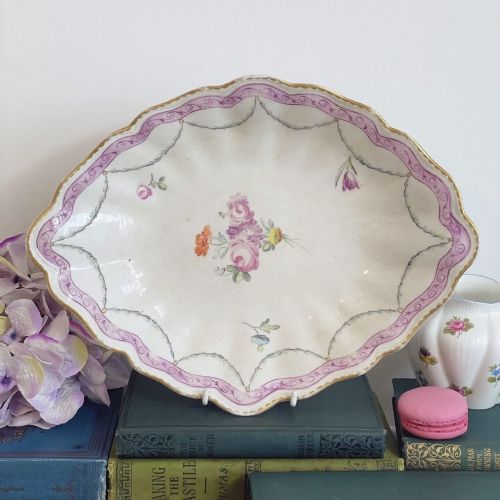
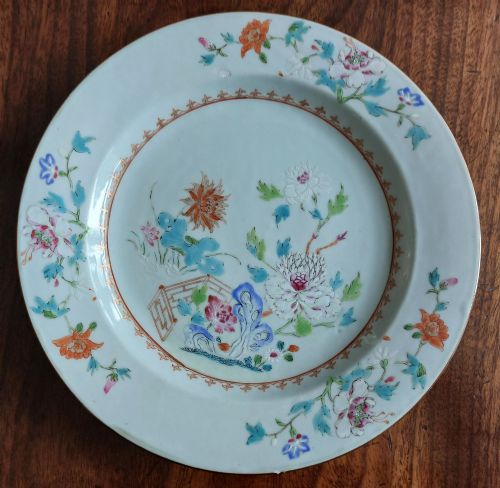
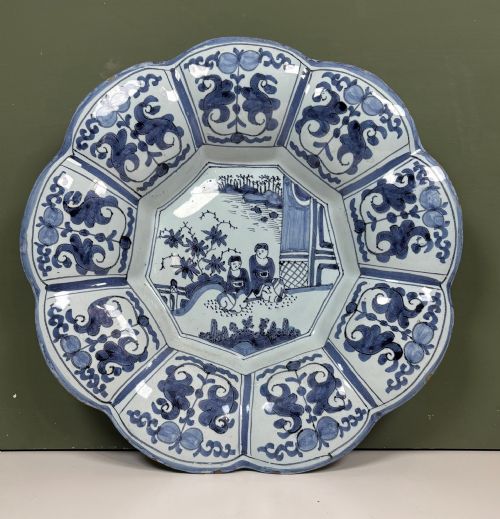
White ceramic plates emerge across the eighteenth, nineteenth, and twentieth centuries in diverse regional styles, including Chinese export wares, English creamware and porcelain, and continental Delft faience. When exploring white ceramic plates, buyers encounter forms ranging from simple eighteenth-century Delft chargers and nineteenth-century transferware meat platters to intricate Japanese Imari plates and aesthetic period dessert services.
The selection on this page spans utilitarian serving vessels and purely decorative chargers produced by factories such as Spode, Minton, and Worcester, alongside continental potteries. These pieces reflect shifting domestic fashions, moving from hand-painted botanical studies and blue-and-white Chinoiserie scenes to bold Japanese-inspired motifs and Moorish revival designs.
How they were made
Potters utilised body materials such as soft-paste porcelain, hard-paste porcelain, earthenware, and tin-glazed compositions, shaping them on wheels or pressing them into moulds. Artisans applied cobalt pigment, enamel colours, and gold leaf beneath or over the glaze before firing the pieces in kilns to achieve durable, vitrified surfaces.
Transfer printing developed alongside hand-painted polychrome decoration, allowing makers to apply complex topographical and narrative scenes efficiently. Tin-glazed earthenwares received an opaque white enamel coating that provided a smooth canvas for hand-brushed blue, manganese, and yellow pigments.
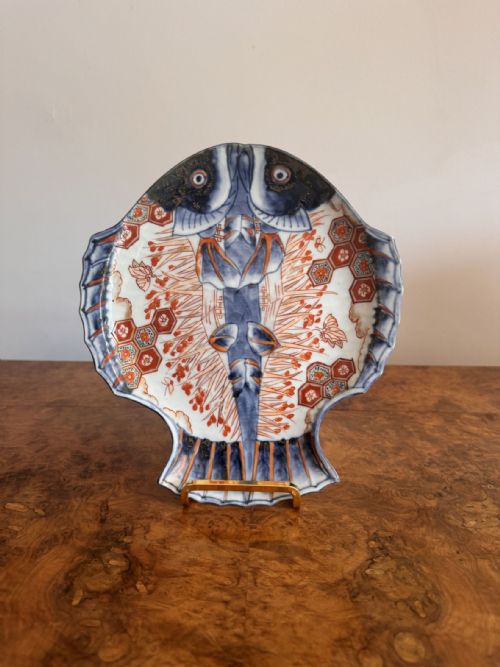
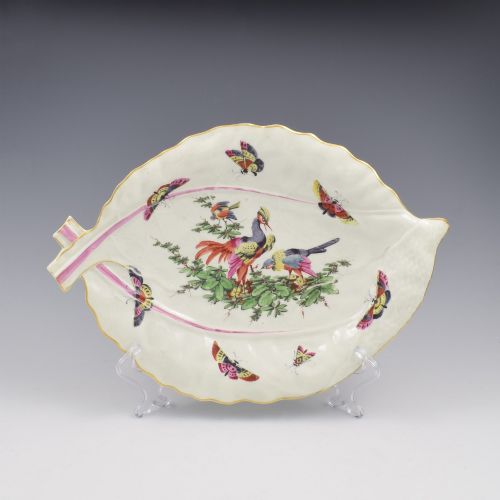
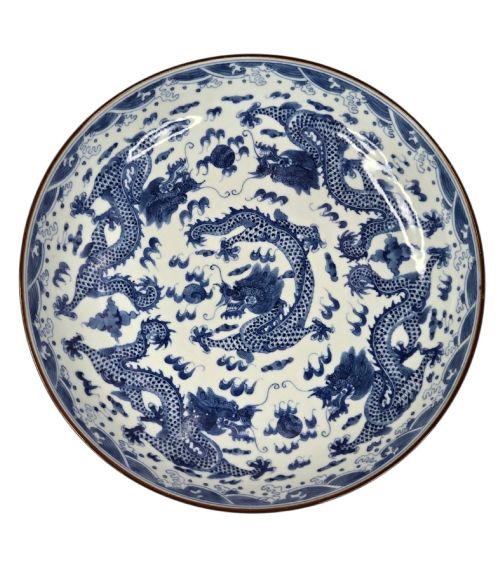
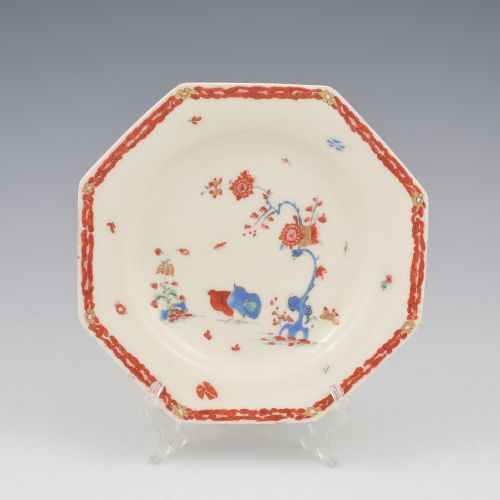
Japanese influence arrives in European drawing rooms via fish-shaped plates, leaping five-clawed dragons, and gilt suns paired with cheerful insects.
What varies in quality
Quality rests in the crispness of the moulding, the fineness of the ceramic body, and the skill evident in hand-painted details or transfer alignment. Early soft-paste bodies and delicate potting indicate greater technical ambition than standard utility wares.
The precision of the glaze application and the vibrancy of surviving enamel or cobalt pigments separate standard production items from exceptional factory exhibition pieces and premier period examples.
Grainger Lee And Co·Royal Bonn·Davenport·Spode·Meissen·Minton
The White Ceramic Plates Glossary
- Charger
- A large decorative plate or platter, typically measuring over twelve inches across, used historically for ceremonial service or displayed upright on sideboards. These substantial vessels often display the finest painted or transfer-printed scenes in a service.
- Tin-Glazed Earthenware
- Pottery covered in an opaque white glaze containing tin oxide, providing a smooth white background for painted decoration. This technique defines traditional Delftware and faience production.
- Transferware
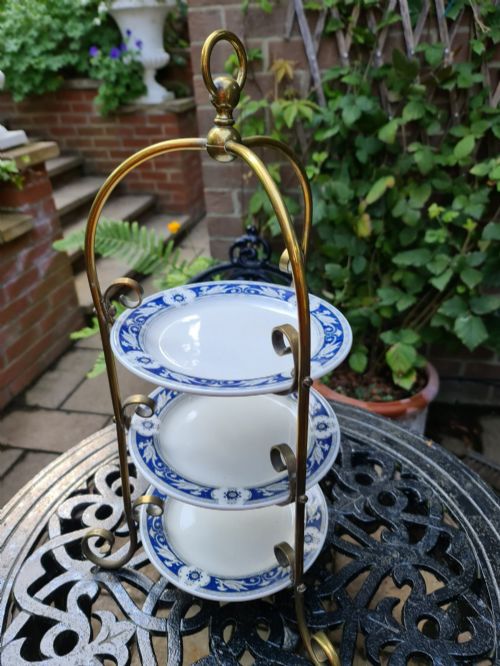
- Ceramic decorated by pressing a paper design inked with copper plates onto the biscuit or glazed surface before firing. This method enabled mass production of detailed topographical and pictorial patterns.
- Soft-Paste Porcelain
- An artificial porcelain composition fired at lower temperatures than hard-paste porcelain, resulting in a warm glaze texture and slightly softer body. Eighteenth-century English factories frequently utilised this formula.
White Ceramic Plates: Frequently Asked Questions
How do I identify a charger?
Chargers are distinguished by their unusually large diameter, generally exceeding twelve inches, which separates them from standard dining plates. They were designed primarily for formal display or grand service rather than everyday individual dining.
Examining the reverse often reveals suspension holes drilled into the footrim, intended for hanging the piece on walls during periods when ceramics formed key decorative interior displays.
What is tin-glazed earthenware?
Tin-glazed earthenware is pottery coated in a white glaze made opaque by the addition of tin oxide. This creates a smooth, pale surface suited to absorbing hand-painted pigments.
This technique forms the foundation of traditional Delftware and continental faience, producing characteristic blue-and-white or polychrome vessels with a slightly porous clay body visible on unglazed footrims.
Can antique plates be used?
Most antique plates and chargers serve primarily as decorative objects or collection pieces rather than functional tableware. Modern dishwashers and acidic foods can damage historic glazes and delicate overglaze enamels.
Gentle hand washing in lukewarm water with mild soap is recommended for occasional cleaning, avoiding soaking to protect older ceramic bodies and historical repairs.
How are porcelain periods dated?
Dating relies on factory marks stamped or painted on the reverse, alongside characteristic potting styles, glaze textures, and decorative palettes. Cobalt blue marks, impressed ciphers, and pattern numbers help narrow down manufacturing decades.
Stylistic indicators, such as the transition from hand-painted Chinoiserie to transfer-printed European landscapes, provide further clues to a piece's chronological origin.