



Gold Leaf Decorative Plates
Gold leaf decorative plates bring rich gilding and painted scenes into a room, offering striking display pieces for walls and cabinets.
Gold Leaf Decorative Plates
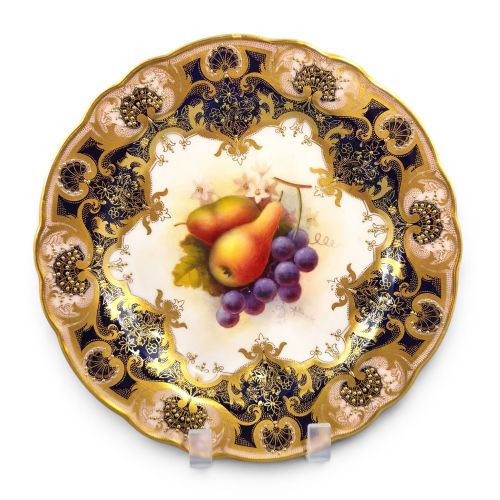
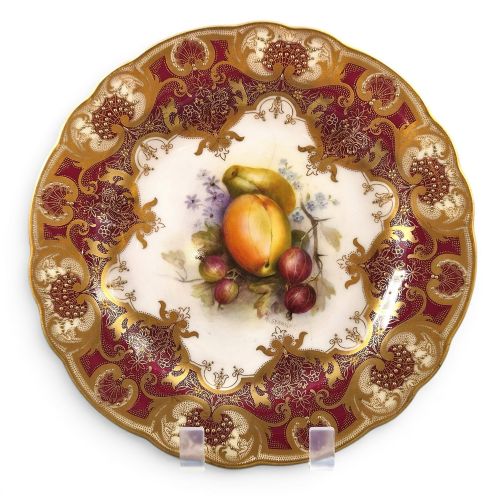
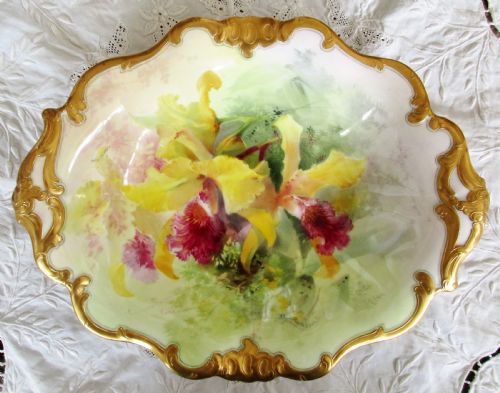
Gold leaf decorative plates encompass cabinet plates, chargers, and dishes produced across the Victorian, Edwardian, and early twentieth-century periods. These items serve primarily for display rather than dining, often featuring elaborate painted scenes or botanical studies.
The pieces listed on this page span porcelain, bone china, earthenware, and glass, frequently augmented with gilt or gold leaf finishes. Styles range from Neoclassical and Rococo Revival to Art Deco and Meiji Period designs.
Buyers encountering these items will find forms such as cabinet plates and decorative dishes originating from major English and continental factories. Each piece reflects the decorative tastes of its specific decade of production.
How they were made
Manufacturers utilised high-fired porcelain and bone china as the primary base materials for these plates, applying detailed hand-painted scenes directly onto the glazed surface. Artisans then incorporated enamel colours and delicate gilding to accentuate the central motifs and borders.
Techniques such as pate-sur-pate allowed makers to build up raised white porcelain relief designs over coloured slip backgrounds before applying gold leaf highlights. Frame pieces within the selection demonstrate traditional woodworking methods for giltwood mirror surrounds.
Listings feature items from the nineteenth century through the Edwardian era, employing porcelain, bone china, and giltwood materials.
What varies in quality
Quality in gold leaf decorative plates rests upon the skill of the painting and the precision of the gilding applied to the ceramic surface. Signed works by recognised painters command attention for their detailed brushwork and artistic execution.
The crispness of moulded details and the preservation of the delicate gold leaf or gilt highlights distinguish superior examples from standard production items. Pieces with complex narrative scenes or botanical studies typically represent more ambitious manufacturing efforts.
Koshida·Royal Worcester·Royal Doulton·Minton·Derby·Vienna·Coalport·Royal Crown Derby
The Gold Leaf Decorative Plates Glossary
- Cabinet plate
- A decorative ceramic plate intended for display in a cabinet rather than for table use. These pieces often feature elaborate painted subjects and gilt borders.
- Charger
- A large ornamental plate used as a base or displayed on a wall or dresser. They provide a wider surface area for intricate painted scenes.
- Gilt
- A thin layer of gold applied to the surface of porcelain, metal, or wood. It adds reflective warmth to the decorative design.
- Pate-sur-pate
- A ceramic technique where wet porcelain slip is built up in successive layers to create a low relief cameo effect. This method produces subtle tonal variations against a coloured ground.
- Neoclassical
- A style drawing inspiration from the classical art and culture of ancient Greece and Rome. It appears frequently in the symmetrical motifs and borders of these plates.
Gold Leaf Decorative Plates: Frequently Asked Questions
How were cabinet plates used?
Cabinet plates were designed exclusively for display in glass-fronted furniture or on walls rather than for serving food. Households used them to showcase artistic painted scenes and fine porcelain manufacture.
Over time, these pieces became central elements of interior decoration in formal reception rooms. Their delicate gilding and painted surfaces meant they remained protected from everyday wear.
How do I date a Victorian plate?
Dating a Victorian plate involves examining factory backstamps, registration marks, and the specific style of decoration employed. Victorian designs often incorporate heavy gilding and Revivalist motifs.
Comparing the manufacturing mark with established ceramic reference guides helps narrow the production decade. The type of paste and hand-painting style also offer clues to the period of origin.
What is the difference between porcelain and bone china?
Porcelain is a dense ceramic material fired at high temperatures, known for its fine white body and resonant quality when struck. It provides a smooth surface ideal for detailed miniature painting.
Bone china incorporates animal ash into the porcelain mixture, resulting in a slightly warmer tone and increased strength. Both materials served as standard bases for decorative cabinet plates.
How do I care for gilt plates?
Caring for gilt plates requires keeping them away from direct sunlight and moisture to protect the delicate gold leaf and enamel paints. Dusting should be done gently with a soft, dry cloth.
These pieces should remain on stable display stands or wall mounts rather than being handled frequently. Avoiding abrasive cleaners preserves the integrity of the painted decoration.