
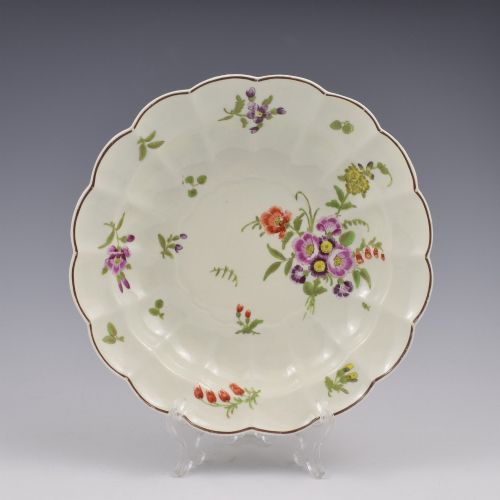
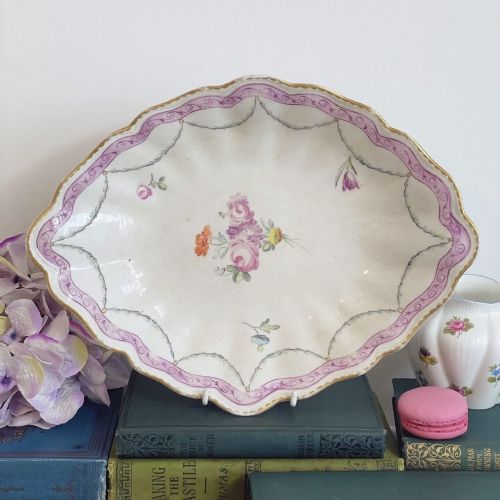
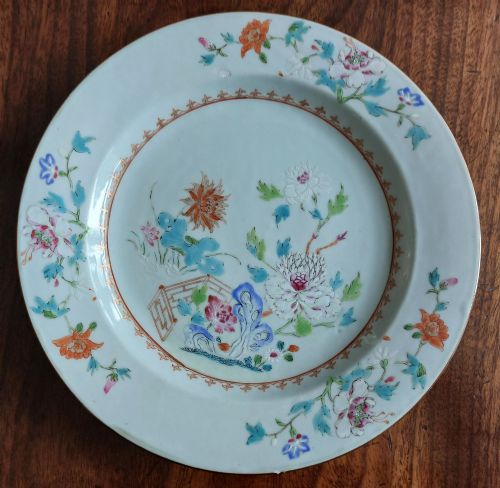

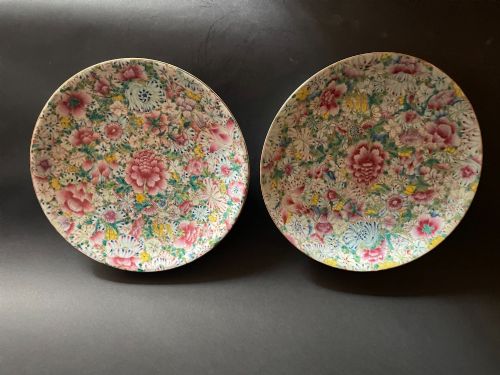


Polychrome Floral Plates
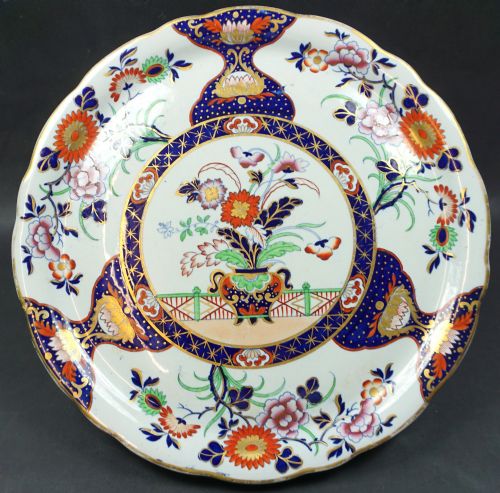
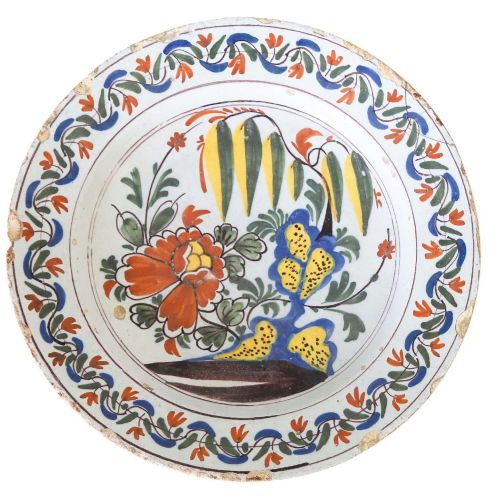
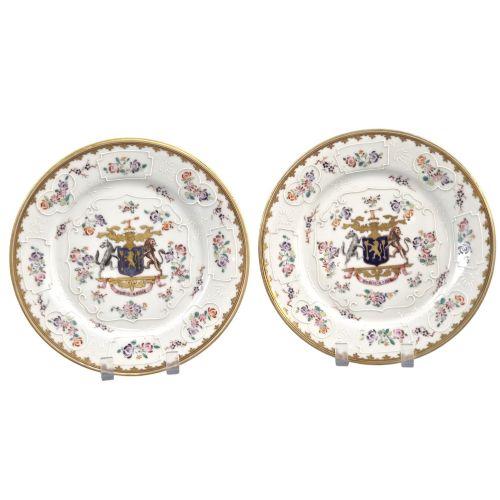
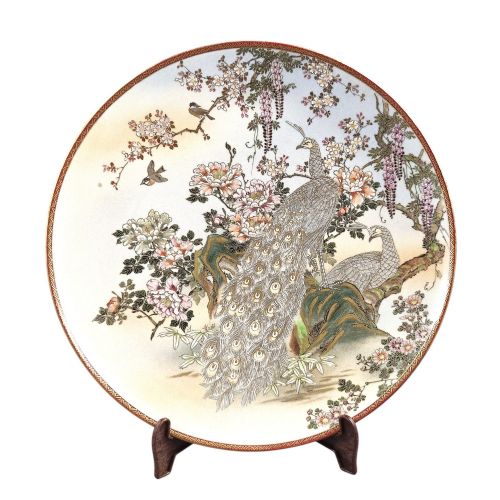
Polychrome floral plates bring hand-painted botanicals and rich glazes to the table, spanning English earthenware, Chinese export porcelain, and Japanese Imari.
Polychrome Floral Plates
Polychrome floral plates encompass a broad range of serving dishes, chargers, and table plates decorated with colourful botanical motifs. These pieces bridge several centuries of ceramic production across English, European, and Asian kilns.
The selection here draws heavily on eighteenth-century English porcelain from factories like Worcester and Derby, alongside tin-glazed Delftware and nineteenth-century ironstone. Alongside these sit Chinese Famille Rose and Japanese Imari wares from various historical periods.
Buyers encounter everything from deep seventeenth and eighteenth-century chargers designed for display to Victorian meat platters and tea plates intended for daily dining. Each piece reflects the dominant decorative tastes of its manufacturing era.
How They Were Made
Potters shaped bodies from porcelain, earthenware, or ironstone before applying tin-glaze, enamel, or standard ceramic glazes. Artisans then painted floral subjects by hand, utilising copper plates for transfer printing or direct brushwork.
Many items incorporate gold leaf or detailed enamel pigments that required secondary firing to bond the colours permanently to the ceramic surface. The resulting physical weight and glaze depth vary according to whether the body is dense stoneware, delicate porcelain, or porous earthenware.
The inventory spans the eighteenth, nineteenth, and early twentieth centuries, including Georgian and Victorian eras.
What Varies in Quality
The standard of painting defines the upper tier of these pieces, separating hasty factory output from meticulous brushwork by named artists or skilled hands. Crispness of detail in the botanical elements and the vibrancy of the underlying glaze reveal the maker's proficiency.
Material choice and firing success also set examples apart, with finer porcelain bodies and stable, unblemished glazes commanding greater attention from collectors. The complexity of the palette, especially where multiple enamel layers or gold leaf intersect, indicates the original ambition of the workshop.
Derby·Hicks and Meigh·John Ridgway·Minton·Shozo·Mason·Davenport·Furstenberg
The Polychrome Floral Plates Glossary
- Polychrome
- Decoration executed in multiple colours, typically applied through hand-painting or enamelling over a glazed ceramic base.
- Famille Rose
- A major palette of Chinese ceramic glazes introduced in the eighteenth century, distinguished by an opaque pink or rose enamel derived from colloidal gold.
- Imari
- A style of Japanese export porcelain characterised by underglaze blue and overglaze red, gold, and other colours, often featuring dense floral and geometric panels.
- Delftware
- Tin-glazed earthenware produced in the Netherlands and England, noted for an absorbent white surface that accepted painted decoration before final glazing.
- Ironstone
- A durable type of heavy earthenware patented in the nineteenth century to rival porcelain in strength and utility.
Polychrome Floral Plates: Frequently Asked Questions
How do I clean antique ceramic plates?
Wash these pieces gently by hand using lukewarm water and mild dish soap. Avoid soaking items with porous earthenware bodies or delicate overglaze enamels.
Dry them immediately with a soft, lint-free cloth to protect the glaze and any residual gold leaf from moisture damage.
Can I use these plates for serving food?
Many nineteenth-century ironstone and stoneware plates remain robust enough for occasional dining use. Eighteenth-century porcelain and tin-glazed earthenware are better suited for display or careful presentation.
Older glazes may contain lead or show susceptibility to staining from acidic foods over time.
What is the difference between porcelain and ironstone?
Porcelain is a vitrified, translucent ceramic fired at high temperatures from refined kaolin clay. It offers a delicate appearance and resonant ring when tapped.
Ironstone is an opaque, heavy earthenware developed for maximum durability in domestic and commercial service.
How do I date a hand-painted floral plate?
Examine the foot ring, glaze texture, and any factory marks or blue crescents stamped underneath. Stylistic clues in the floral arrangement and colour palette also point toward specific manufacturing decades.
Comparing the potting technique against known factory periods helps narrow the production window.