


Gilt Porcelain Service Plates
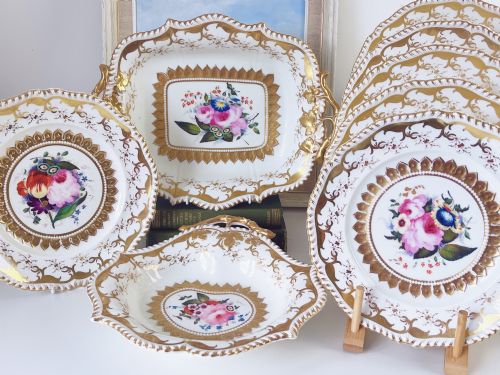
These gilt porcelain service plates bring grand dining rooms to life with opulent gold leaf and hand-painted artistry.
Gilt Porcelain Service Plates
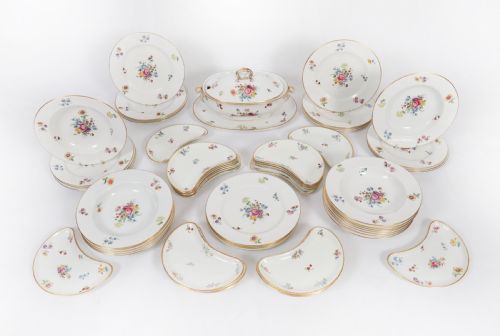
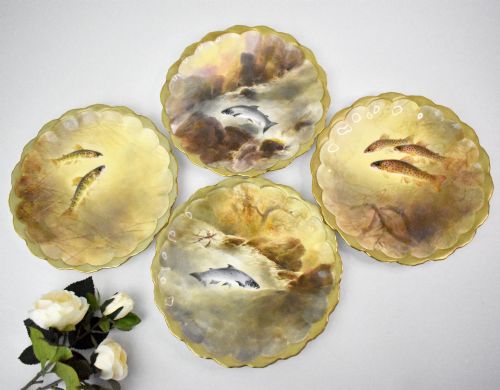
Gilt porcelain service plates encompass elaborate dinner and dessert services, cabinet plates, and decorative tableware formed from ceramic, bone china, and porcelain. Buyers searching for gilt porcelain service plates encounter comprehensive dinner sets, dessert plates, and fish plates designed for formal table settings.
The pieces on this page span the Georgian, Regency, Victorian, and Edwardian periods, stretching from the late eighteenth century into the early twentieth century. Common configurations range from single cabinet plates to extensive sixty-piece dinner services and child's toy dinner sets.
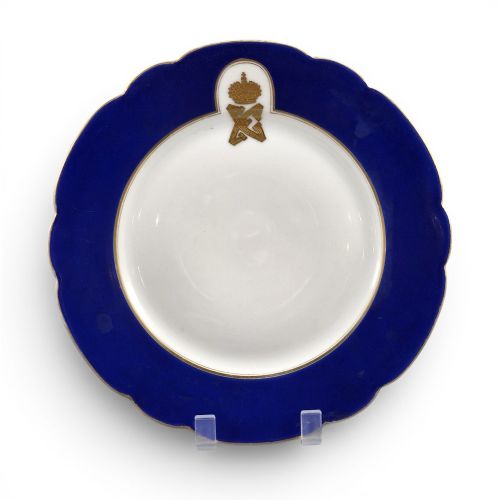
Origins represented in the inventory cross English potteries and factories alongside continental and Imperial Russian makers. These wares include specialised services such as armorial plate sets, wedding services, and fruit-painted dessert plates.
How they were made
Potters shaped fine porcelain and bone china bodies before applying foundational glazes, including cobalt glaze and pink ground colours. Artisans then executed hand-painted botanical, landscape, and fish motifs using detailed enamels.
Gold leaf and gold gilt were applied by hand to borders, rims, and raised elements to create the characteristic metallic sheen. Pieces often underwent multiple firings in kilns to bond the enamels and gilding securely to the ceramic body.
Listings feature porcelain, bone china, and ceramic bodies decorated with gold leaf, enamel, and cobalt glaze across multiple historic periods.
What varies in quality
The distinction between standard tablewares and masterworks rests in the execution of the hand-painted decoration and the precision of the gilding. Named artists painting botanical subjects or landscapes elevate a service far above factory-standard floral sprays.
The provenance and historic association of a service heavily influence its standing, particularly items connected to royal commissions, specific noble houses, or documented factory patterns. Intricate techniques like pearl jewelling and armorial crest work demand superior craftsmanship compared to plain gilt borders.
Grainger Lee And Co·Imperial Porcelain Plate·Copeland Spode·Royal Doulton·Rockingham Pottery·Coalport·Derby Porcelain·Minton·Flight Barr And Barr·Limoges·Royal Crown Derby·Chamberlains
The Gilt Porcelain Service Plates Glossary
- Porcelain
- A white, vitrified ceramic material fired at high temperatures to achieve a dense, impermeable body. It serves as the primary canvas for fine nineteenth-century tablewares.
- Gilt
- A thin layer of gold or gold leaf applied to the surface of ceramic objects for decoration. This finish catches the light along plate rims and moulded borders.
- Bone china
- A type of porcelain incorporating bone ash, yielding a strong, slightly translucent body. It became a favoured medium for English dinner and dessert services.
- Cabinet plate
- A decorative plate intended for display in a cabinet rather than functional dining use. These pieces typically feature elaborate hand-painted scenes and rich gilding.
- Cobalt glaze
- A deep blue ceramic pigment applied under the glaze to create rich background tones. It frequently forms a contrasting field for gilt ornamentation.
Gilt Porcelain Service Plates: Frequently Asked Questions
How do I date these plates?
Dating relies upon factory backstamps, paste characteristics, and stylistic markers associated with periods like the Regency or Victorian eras. Examining the style of hand-painted decoration also provides clues to the manufacturing decade.
Factory marks evolved over time, allowing collectors to narrow down the production period. Comparing pattern numbers with factory archives offers further precision.
Were these plates used for dining?
Many of these pieces formed part of functional dinner and dessert services used during formal meals. Service plates acted as base plates or chargers for successive courses.
Grand services were commissioned for specific banquets and aristocratic households. Cabinet plates, however, were often made strictly for visual display.
What is an armorial plate?
Armorial plates feature the painted coat of arms or crest of the original commissioning family. These bespoke sets denoted high social standing and wealth.
Potteries produced armorial services for nobility and prominent figures. They remain sought-after today for their historical association.
How should I clean gilt porcelain?
Gilt porcelain requires gentle care to protect the delicate gold leaf and hand-painted enamels. Washing by hand in warm water with mild soap is essential.
Harsh detergents and abrasive sponges must be avoided to prevent wearing away the metallic gilding. Modern dishwashers will permanently damage the historic surfaces.