

Edwardian Hand Painted Ceramic
Edwardian hand painted ceramic pieces bring intricate brushwork and rich porcelain forms into domestic interiors.
Edwardian Hand Painted Ceramic
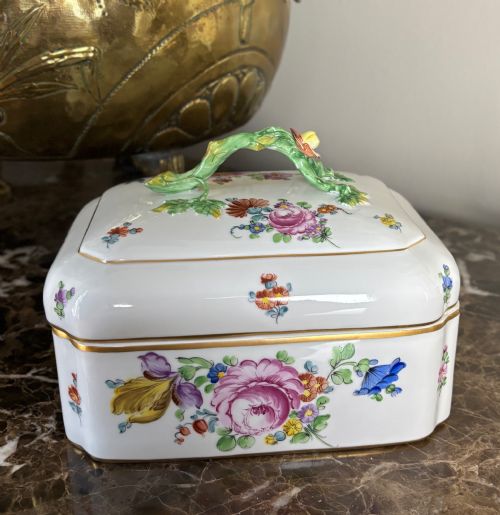
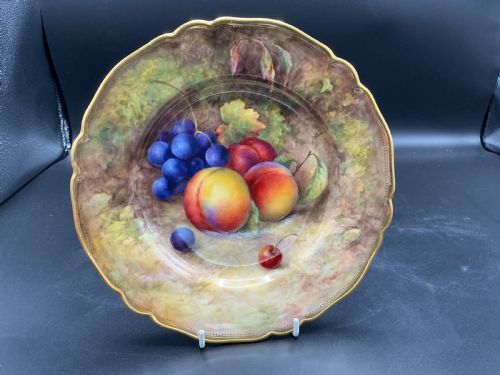
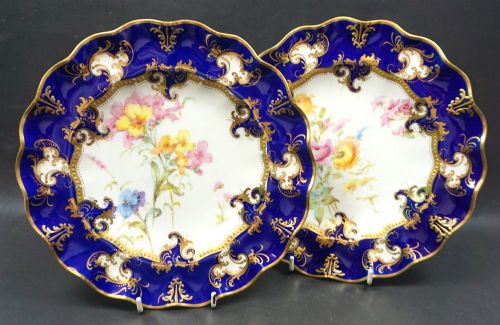
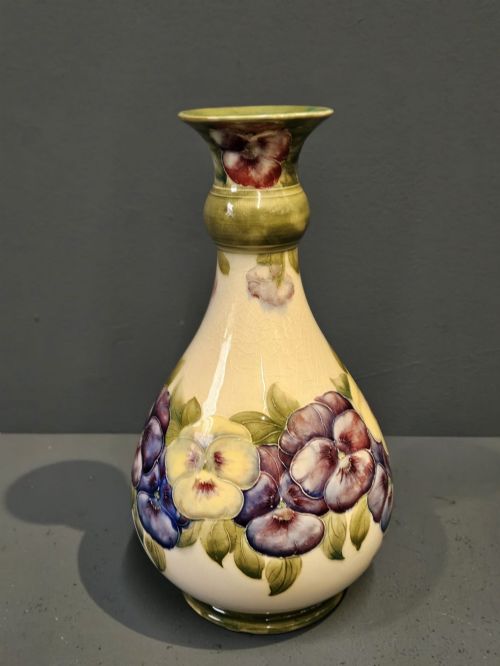
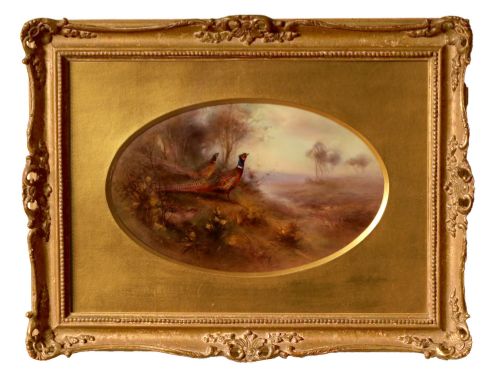
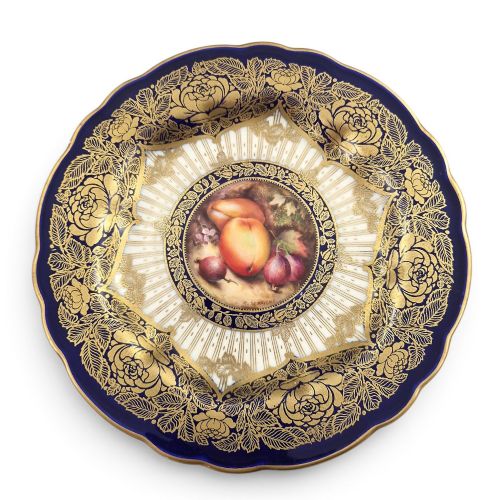
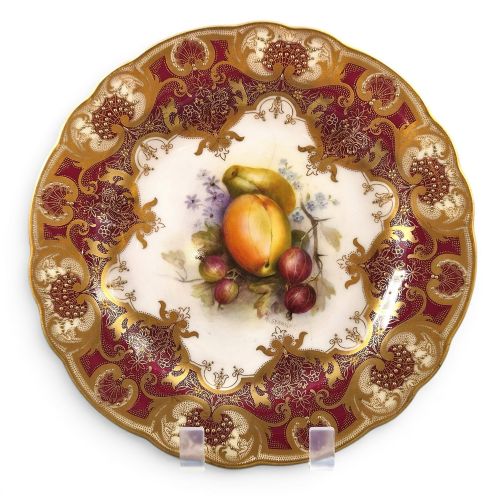
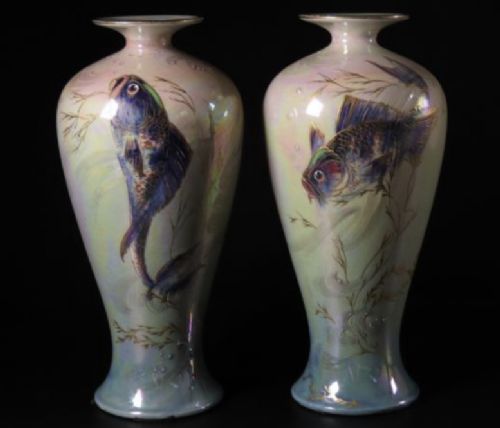
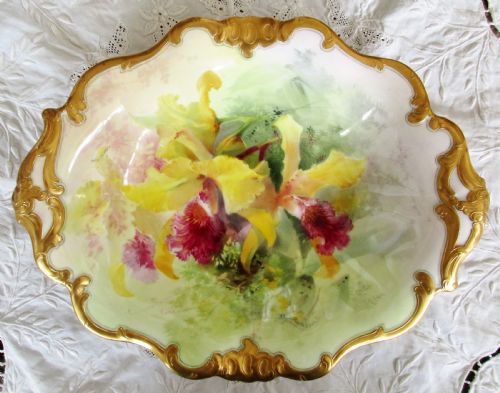
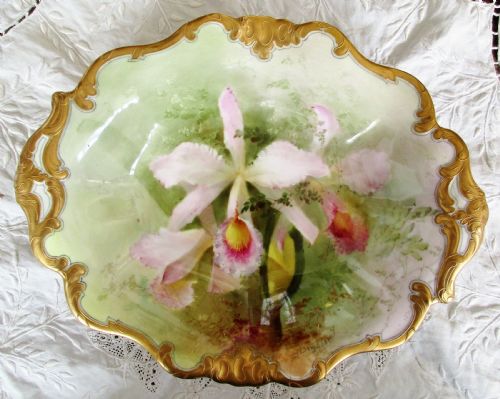
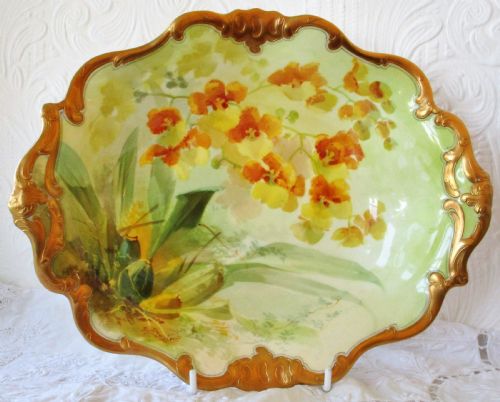
Edwardian hand painted ceramic objects include decorative vases, cabinet plates, centrepieces, and storage boxes originating largely from the early twentieth century alongside the broader Edwardian period. The versions most commonly found here feature floral, fruit, or wildlife motifs applied meticulously to porcelain or earthenware bodies.
Makers and factories of the era such as Royal Worcester, Royal Doulton, and Moorcroft dominate the forms, often pairing traditional ceramic glazes with detailed brushwork. These pieces span utility items like wash sets and breakfast services alongside pure display items like framed plaques and decorative bowls.
How they were made
Potters shaped porcelain, earthenware, and fine ceramic bodies before applying smooth glazes to create the primary canvas for the artist. Skilled painters then executed detailed scenes using enamel colours and mineral pigments, sometimes integrating gold leaf or gilt highlights.
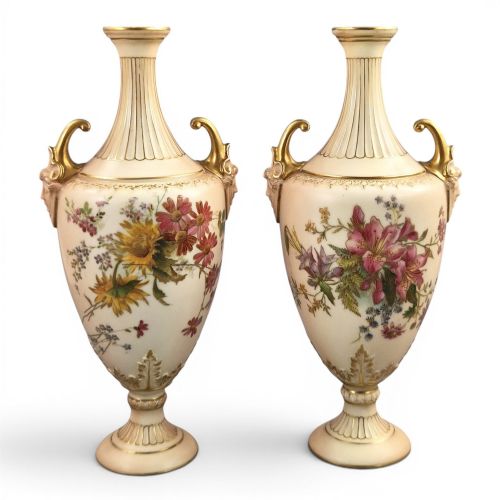
Firing techniques fixed the pigments into the glaze, securing the lustre of the finish across items such as blush ivory vases and scalloped edge bowls. Additional embellishments like enamel decoration and gilding required secondary kiln firings to bond the metallic and raised elements.
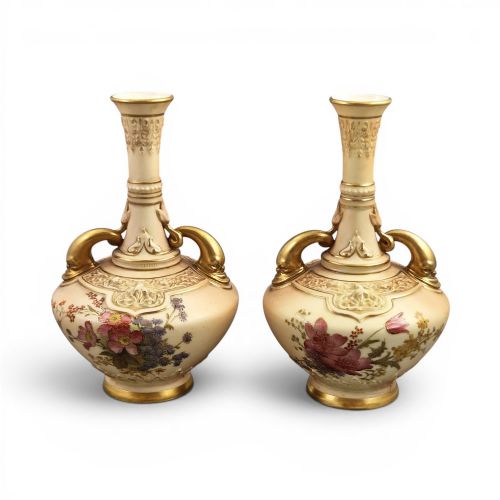
Dolphin-handled vases demonstrate the era's fondness for marine creatures holding up floral pots.
What varies in quality
Quality rests significantly upon the skill of the painter and whether a recognised artist signed the work. Pieces bearing the signatures of noted ceramic artists display greater nuance in brushwork and shading than standard factory output.
The complexity of the ceramic form and the richness of the glaze or gilding further separate standard items from superior pieces. Intricate shapes with hand-modelled handles or extensive enamel work demand higher levels of craftsmanship.
Royal Worcester·Royal Crown Derby·Royal Doulton·Moorcroft·Coalport·Wileman Intarsio·Shelley·Minton·TG Green·Walker and Hall·Dresden·Hinks and Taylor Tunnicliff
The Edwardian Hand Painted Ceramic Glossary
- Blush ivory
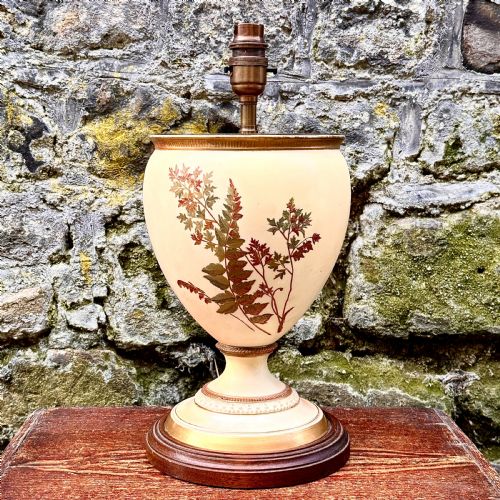
- A soft, creamy ceramic glaze developed by Royal Worcester with a matte finish that resembles unglazed ivory. This surface often served as a backdrop for delicate floral sprays.
- Cabinet plate
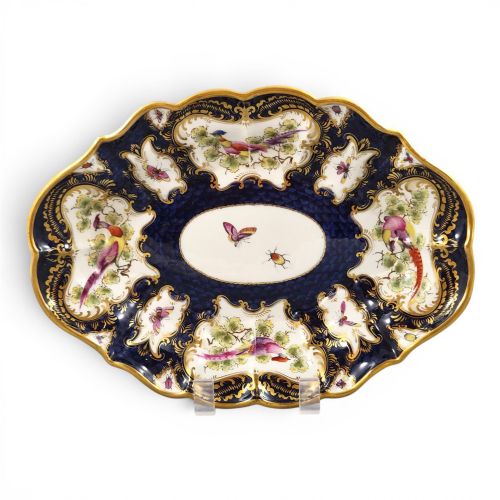
- A decorative ceramic plate intended for display in a cabinet or on a wall rather than for dining use. These items typically feature elaborate hand painted scenes.
- Imari
- A traditional Japanese style of ceramic decoration characterised by cobalt blue, iron red, and gold accents. British factories frequently adopted and adapted these patterns.
- Lustre
- A type of ceramic glaze containing metallic oxides that impart an iridescent, reflective sheen upon firing. This technique produces shifting rainbow or metallic surface effects.
- Enamel
- Opaque glass-like pigments applied over the fired glaze to add raised colour and detail. Artisans fix these decorations with an additional low-temperature kiln firing.
Edwardian Hand Painted Ceramic: Frequently Asked Questions
How do I display these ceramics safely?
Place cabinet plates securely on specialised stands or mount plaques safely on walls away from direct sunlight. Keep delicate vases and bowls on stable surfaces where accidental knocks are unlikely.
Avoid high-humidity areas and clean the surfaces only with a soft, dry cloth to protect the painted enamel and gilt edges from wear.
Were these items meant for daily use?
Most decorative bowls, cabinet plates, and painted plaques served primarily as ornamental display pieces in Edwardian homes. Their intricate brushwork and delicate gilding made them unsuited for heavy practical service.
Some breakfast sets and wash items were functional, yet their surviving condition often suggests careful handling or preservation rather than rough domestic use.
How can I identify the maker?
Inspect the underside or base of the ceramic body for printed factory stamps, impressed marks, and pattern numbers. Many period pieces also carry hand-written signatures or monogram initials from the specific artist.
Matching the style of the floral motifs or glaze type helps confirm the origin when factory marks are faded or obscured by subsequent decoration.
What distinguishes blush ivory pieces?
Blush ivory pieces feature a distinctive matte, cream-coloured ground that mimics the warm tone of elephant tusks. Factories used this specialised finish as a subtle base for hand-painted floral sprays.
The surface absorbs light differently than standard glossy glazes, giving the decorated flowers a softer and more integrated appearance.