

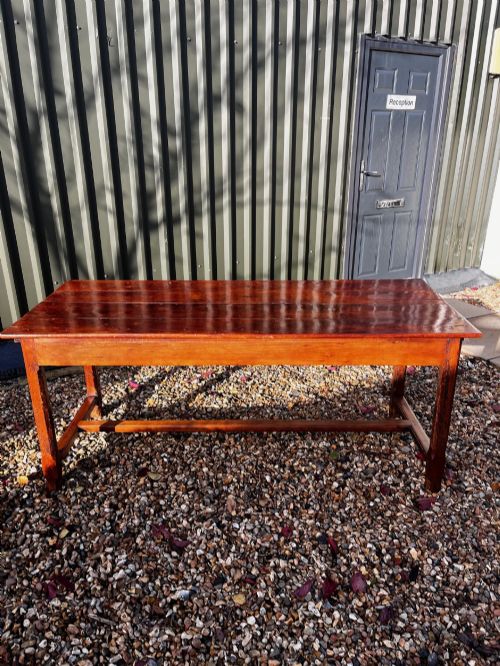
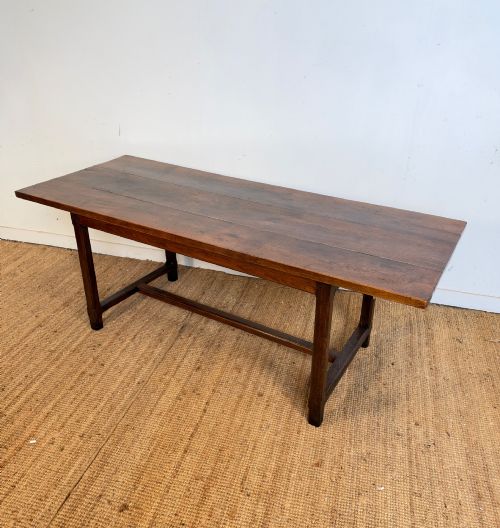
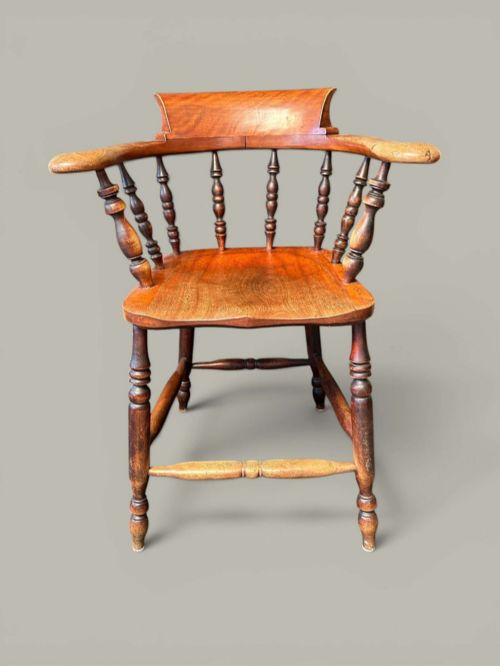
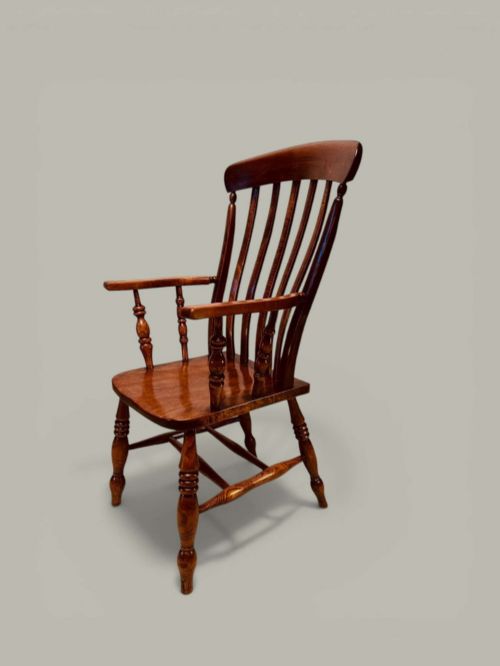
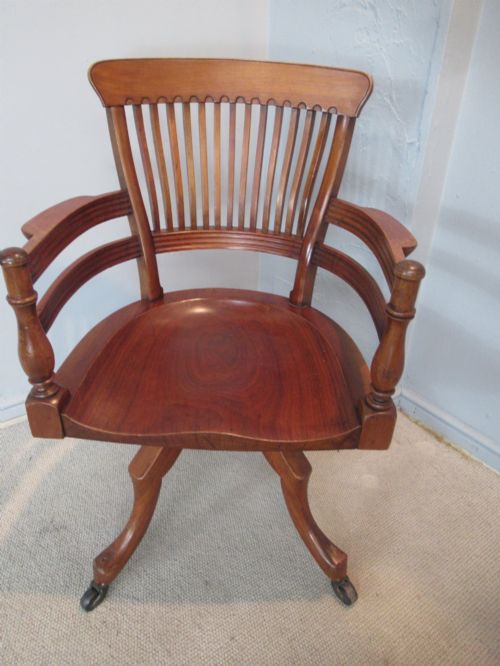
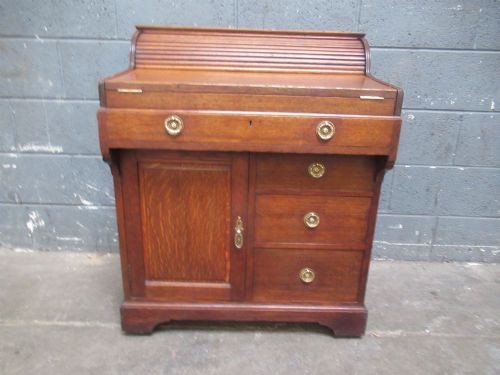
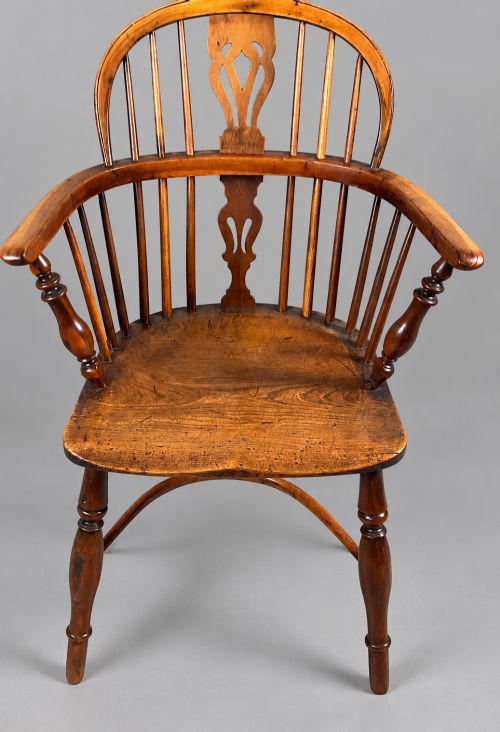
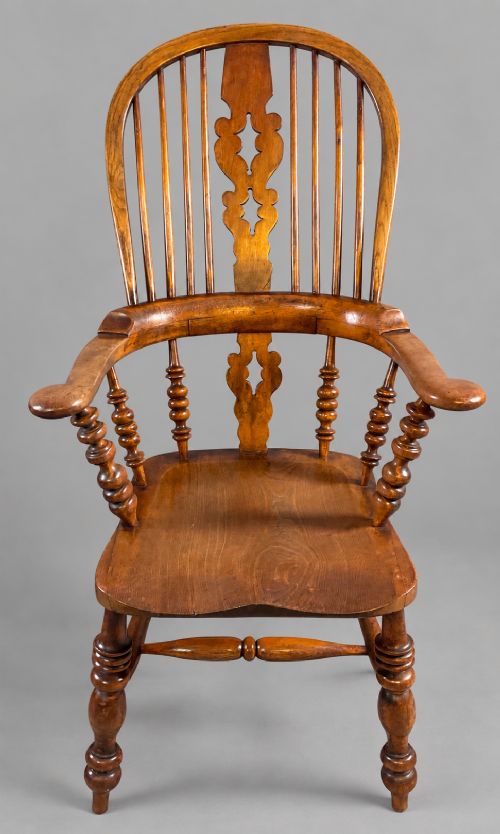
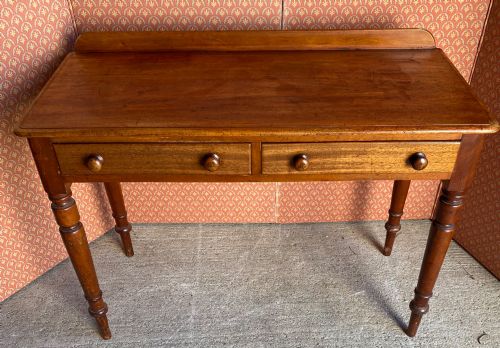
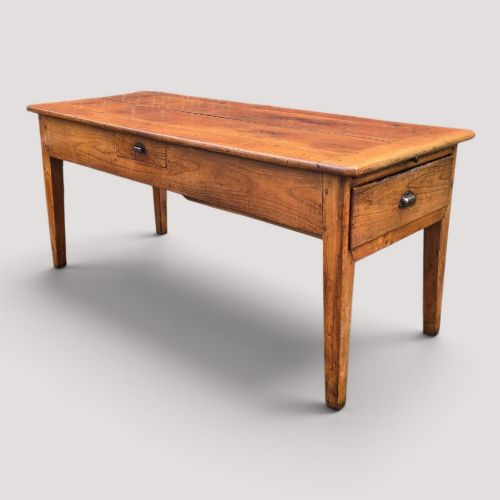
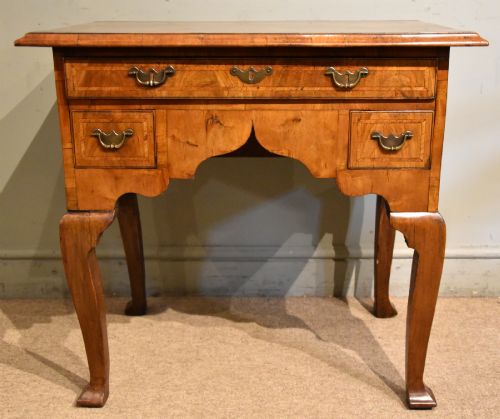
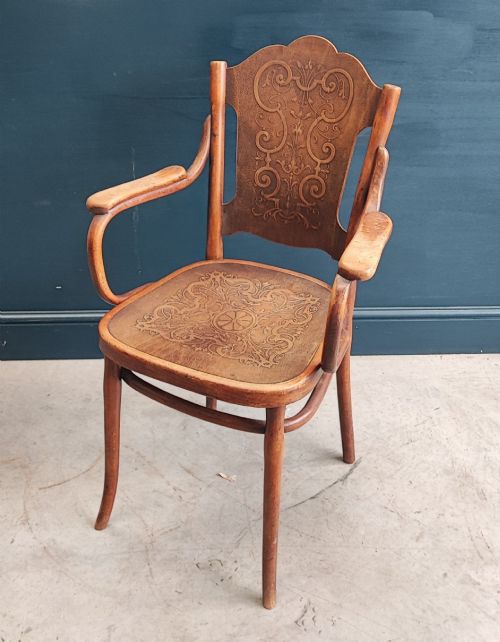
Warm Brown Desk
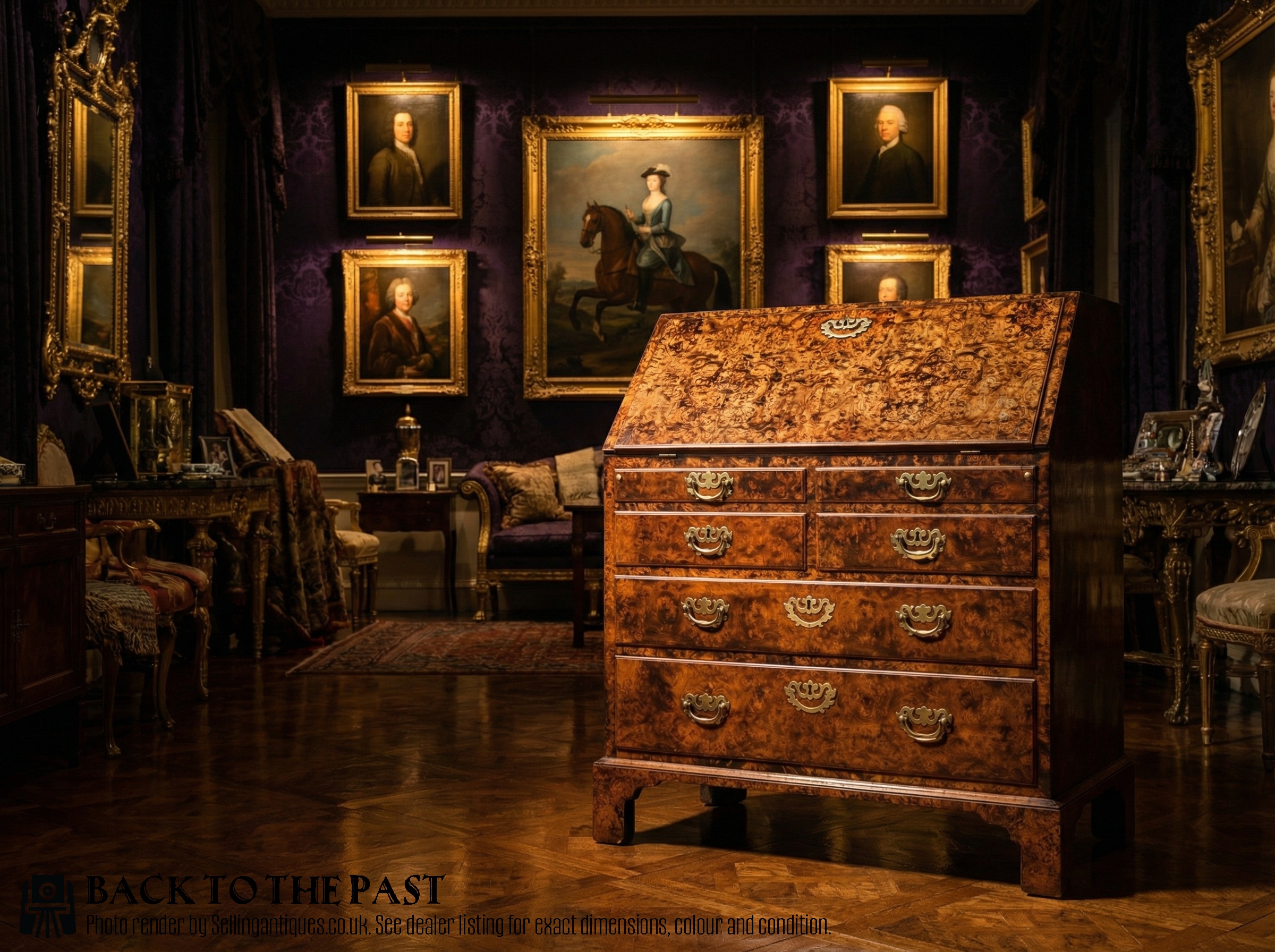
A warm brown desk brings deep timber tones and traditional craftsmanship into a room, offering a practical writing surface with distinct period character.
Warm Brown Desk
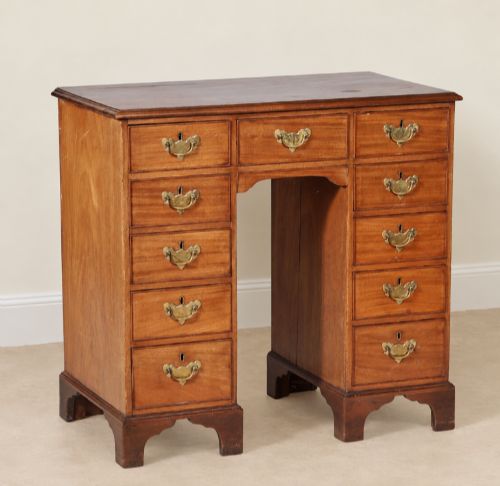
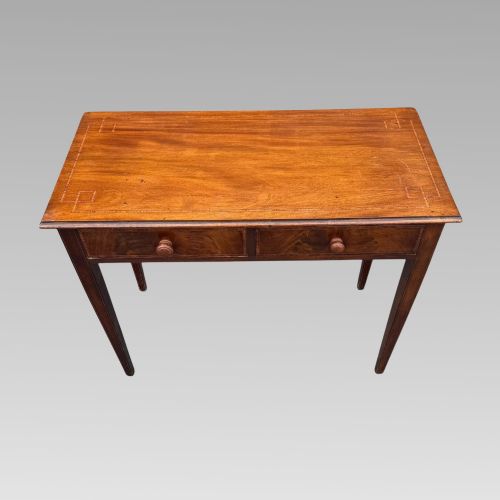
A warm brown desk encompasses various timber writing surfaces, writing tables, and bureaus found in materials such as oak, walnut, mahogany, and fruitwood. These pieces span several eras, including the Georgian, Victorian, and Edwardian periods, reflecting distinct regional designs and cabinet-making traditions.
The most common examples on this page take the form of traditional writing tables, pedestals, and fall-front bureaus in rich, mature woods. They combine functional drawers and fitted interiors with the natural warmth of aged grain.
Buyers select these desks for their tangible history and honest materials, which suit both period interiors and contemporary workspaces. Each piece displays the specific coloration and surface wear accumulated over centuries of daily use.
Materials and construction methods
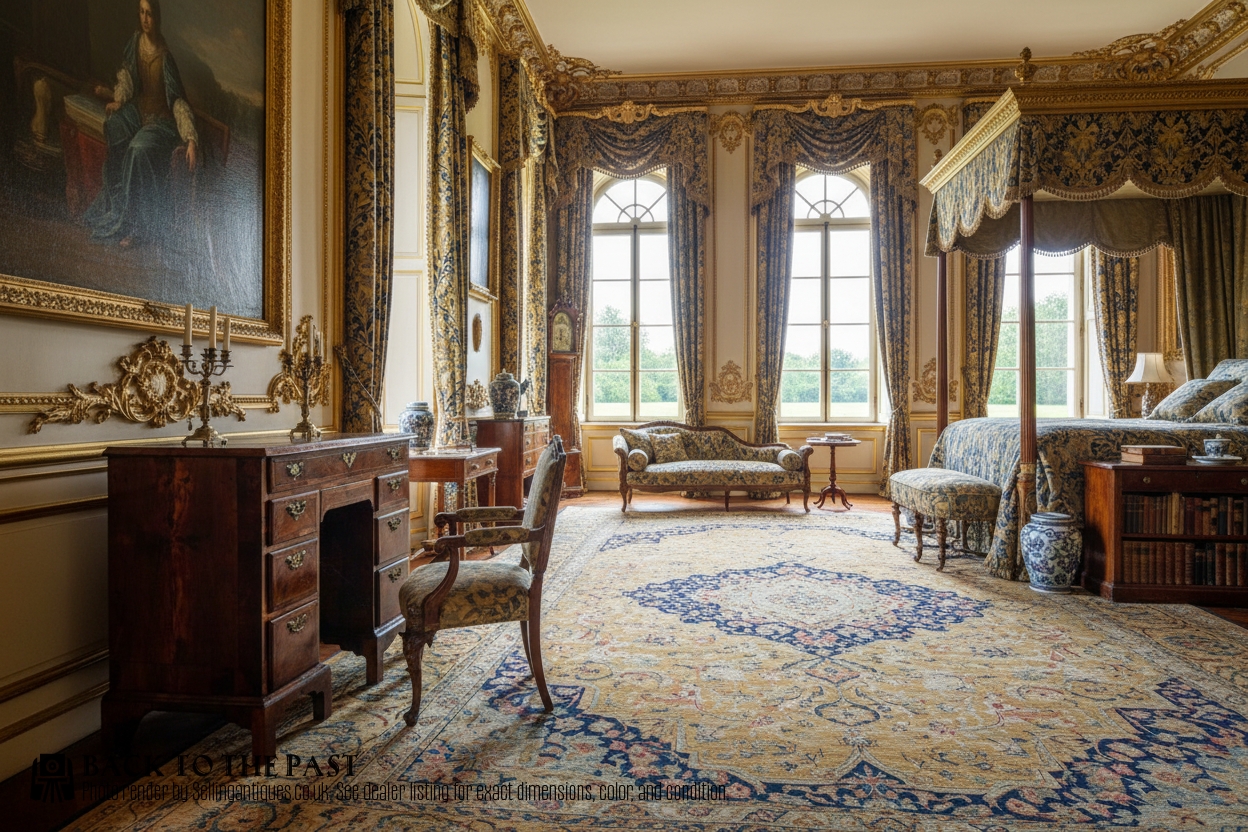
Cabinet-makers relied on solid hardwoods like oak, walnut, and mahogany, frequently pairing them with secondary timbers like elm, fruitwood, or cedar for internal framing and drawer linings. Surface decoration often involved marquetry, parquetry, or cross-banding using contrasting veneers.
Joinery techniques relied on hand-cut dovetails for drawer construction and mortise-and-tenon joints for structural stability. Metal hardware such as brass handles, key escutcheons, and drop pulls were cast and fitted by hand.
Warm Brown Desk Retail Price Guide 2026
Typical asking prices for warm brown desk among the pieces listed under this phrase on Sellingantiques today, from the lower quarter to the upper quarter. They describe what is for sale here now, not the wider market.
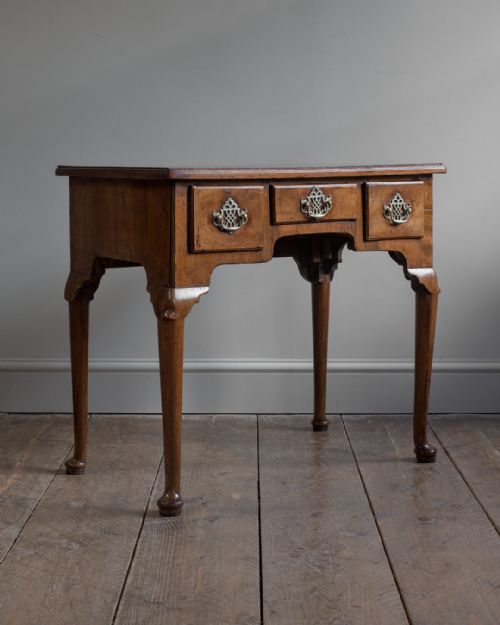
The inventory includes desks alongside related forms like lowboys, side tables, and bureau bookcases.
Distinctions in construction and finish
Quality rests in the selection of timber figures, such as flame mahogany or burr walnut, and the precision of the underlying joinery. Superior examples maintain original brass hardware, uncompromised secondary timbers, and well-fitted internal writing compartments.
The condition of the surface finish dictates visual appeal, with depth of colour and untouched patina separating exceptional pieces from those with heavy interventions or stripped surfaces.
Edward Barnsley·Maple and Co
The Warm Brown Desk Glossary
- Bureau
- A sloping writing cabinet that opens to reveal a fitted interior with small drawers and pigeonholes. These pieces often sit above a chest of drawers or a stand.
- Marquetry
- The art of forming decorative patterns on woodwork by fitting together small pieces of coloured wood, veneer, or shell. This technique appears frequently on French and Dutch writing tables.
- Lowboy
- A small side table with one or more rows of drawers, commonly produced in walnut, oak, or fruitwood during the Georgian era. They often served as dressing tables or writing surfaces.
- Secretaire
- A desk or cabinet featuring a pull-down writing drawer that conceals a fitted interior of small compartments. They appear integrated into bookcases and military chests.
- Cross-banding
- A decorative border applied to the edges of a tabletop or drawer front, where the grain runs at right angles to the central panel.
Warm Brown Desk: Frequently Asked Questions
How do I identify a Georgian desk?
Georgian desks are typically constructed from solid mahogany, walnut, or oak, displaying hand-cut dovetails and traditional bracket feet or cabriole legs. The proportions prioritize utility and classical symmetry.
They often feature cockbeaded drawer edges and original brass hardware, distinguishing them from later Victorian and Edwardian reproductions.
What is a bureau desk?
A bureau desk is a writing cabinet featuring a sloping lid that drops down to create a flat writing surface. Inside, it contains a series of small drawers and pigeonholes for correspondence.
These pieces provide concealed storage while maintaining a compact footprint within a study or living space.
How do I care for antique wood?
Antique wooden desks require protection from direct sunlight and sudden temperature changes, which can cause timber to split or veneers to lift. Regular dusting with a soft, dry cloth preserves the polished surface.
Application of traditional beeswax helps nourish the wood and maintain its natural lustre over time.
What is a pedestal desk?
A pedestal desk consists of a large top resting on two separate piers or pedestals containing banks of drawers. They offer substantial workspace and generous storage capacity.
Many examples feature inset leather writing surfaces bordered by gold tooling.