

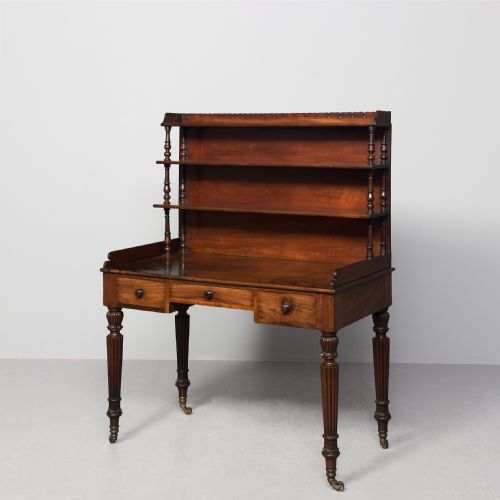
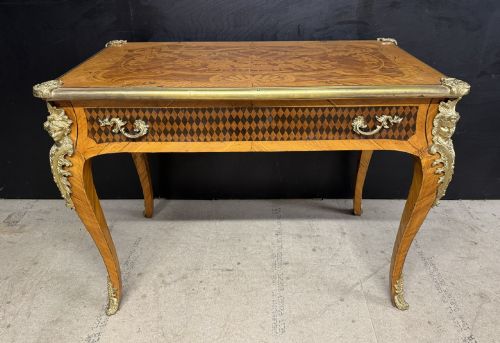
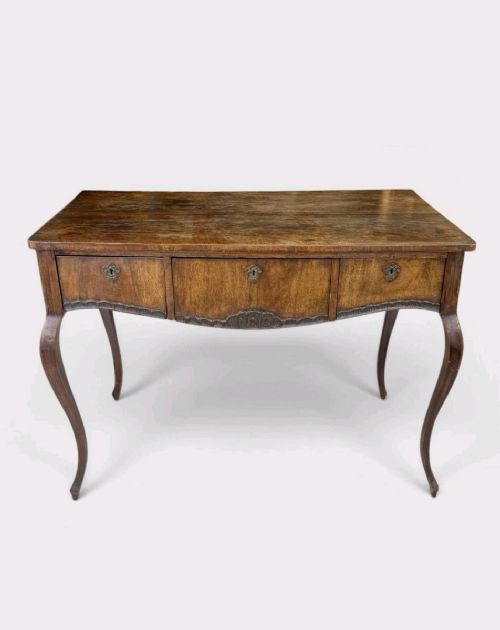
Wooden Study Table
A wooden study table provides a dedicated workspace built from timber, shaped across periods from the Victorian era to Art Deco.
Wooden Study Table
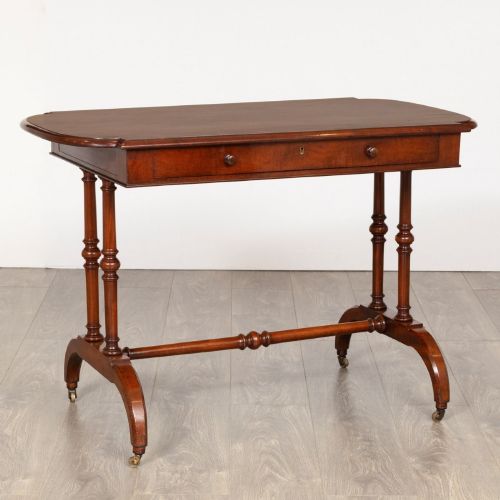
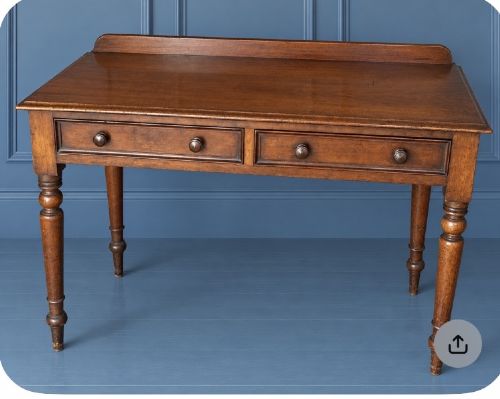
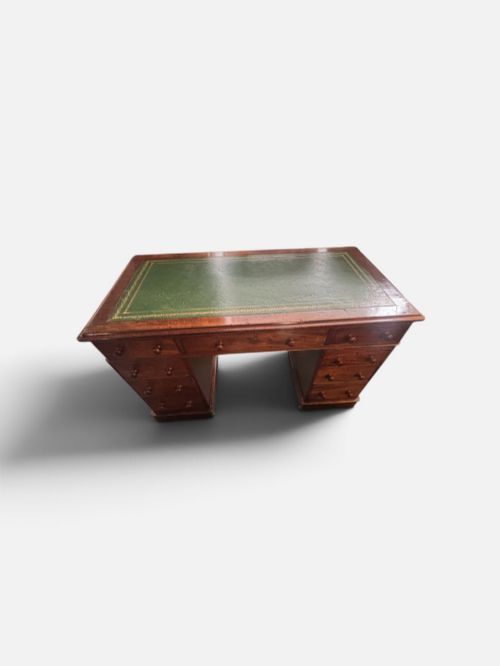
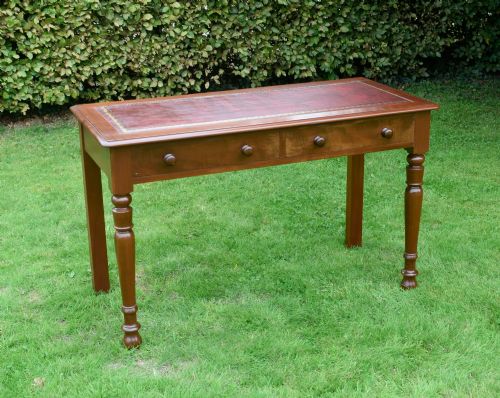
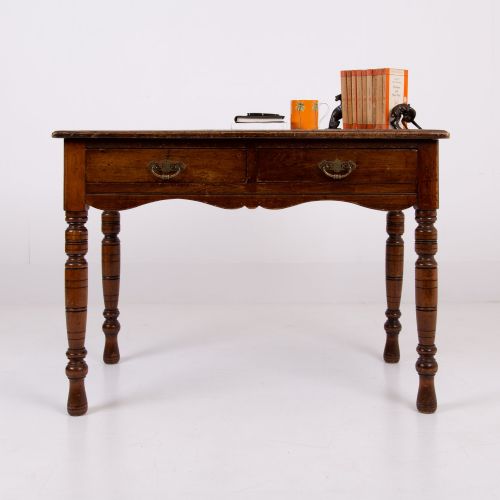
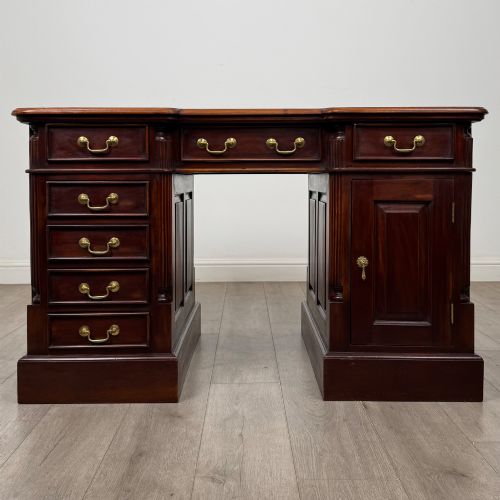
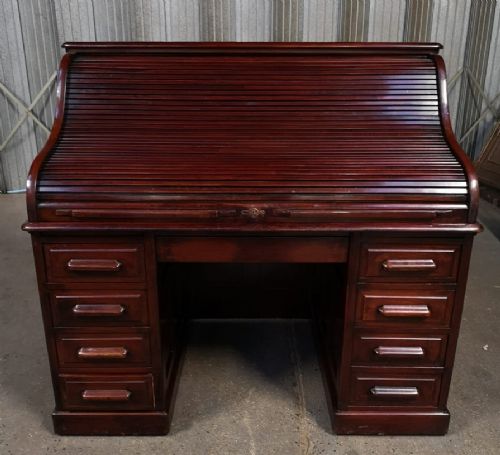
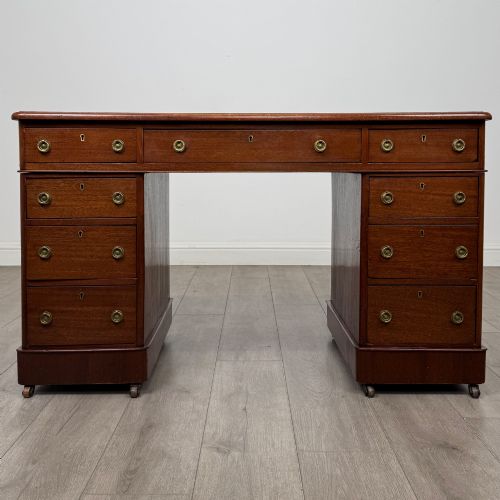
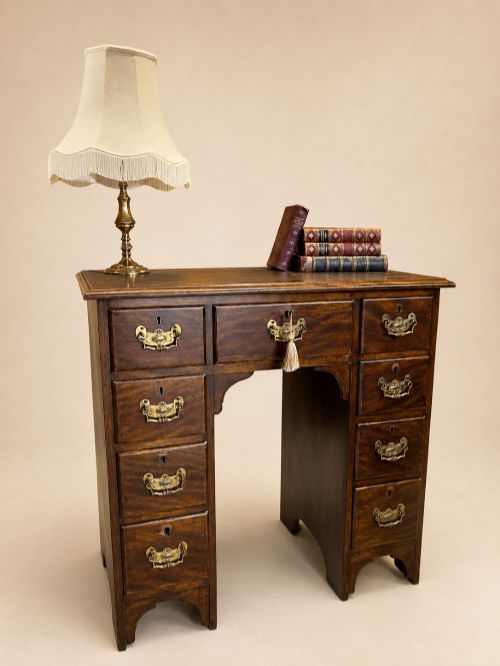
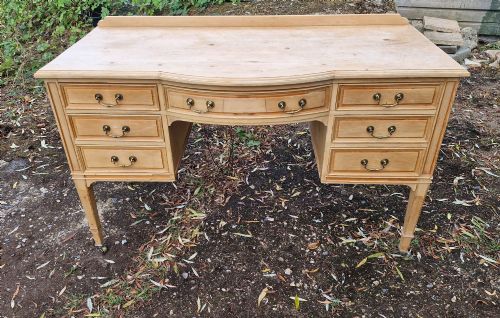
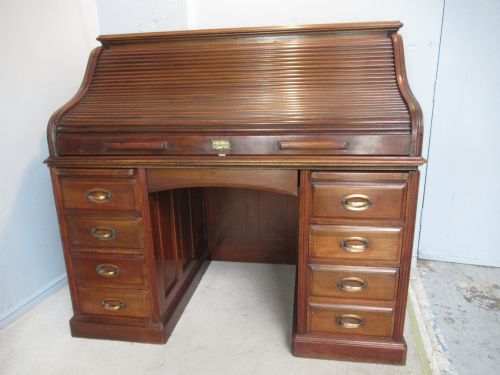
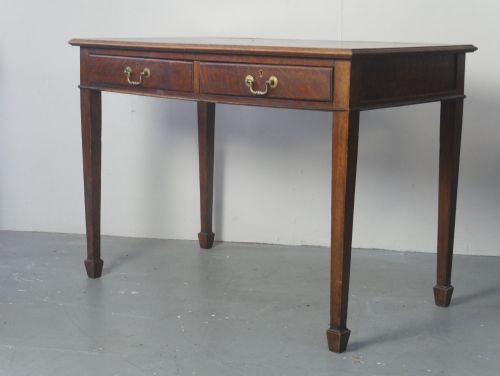
A wooden study table serves as a functional workspace, appearing in forms such as writing desks, pedestal desks, kneehole desks, roll top desks, and library tables.
Buyers encountering this page will most frequently find nineteenth-century and early twentieth-century examples, spanning Victorian, Edwardian, and Art Deco periods.
Origins include English workshops and French cabinet makers, yielding pieces designed for personal writing, library study, and office organisation.
Materials and construction
Cabinet makers utilised dense hardwoods like mahogany, oak, and walnut, frequently selecting figured veneers such as burr walnut and burr elm for primary surfaces.
Insets of tooled leather provide a durable writing surface atop timber frames, while brass hardware and handles accent drawers and pedestals.
Listings span Victorian, Edwardian, and Art Deco periods, utilising mahogany, oak, walnut, pine, and brass.
Build and proportion
Superior examples demonstrate careful timber selection, where matched veneers and solid secondary woods ensure stability and longevity across pedestals and tops.
Refinement of design separates standard utilitarian pieces from exceptional commissions, visible in balanced proportions, integrated drawers, and executed details.
James Mein of Kelso·Hobbs and Co.·Maple and Co.
The Wooden Study Table Glossary
- Pedestal desk
- A freestanding writing table featuring two banks of drawers supporting the top surface.
- Kneehole desk
- A compact desk with a central recess for the user's legs, flanked by pedestals or small drawers.
- Roll top desk
- A cylinder-top desk that encloses the writing surface and pigeonholes when closed.
- Marquetry
- Decorative veneer work forming intricate patterns using various coloured woods.
- Leather top
- An inset panel of cattle hide, often gold-tooled, serving as a smooth writing surface.
Wooden Study Table: Frequently Asked Questions
How do I identify an Art Deco desk?
Art Deco desks typically date from around nineteen thirty and display streamlined forms, often utilising burr walnut, burr elm, and glass. Their lines reject Victorian ornamentation in favour of geometric clarity.
These pieces frequently incorporate skyscraper silhouettes and contrasting wood veneers to achieve a modern aesthetic.
Are these tables suitable for daily work?
These tables provide practical surfaces for reading and writing, constructed from solid timbers like mahogany, oak, and walnut. Their built-in drawers accommodate modern stationery just as they did historical correspondence.
Placing a blotter or desk pad protects the historic leather or wood surface from heavy daily use.
What is the difference between a writing table and a library table?
Writing tables usually incorporate drawers beneath the top for paper storage and lean towards personal study. Library tables are often larger, designed to stand centrally in a room to hold heavy volumes.
Both forms utilise timber construction, but library tables generally prioritise expansive top surfaces over compartmentalised storage.