
Antique Hallway Desk
An antique hallway desk provides a practical surface and traditional character in a narrow space, drawing on Georgian and Victorian forms.
Antique Hallway Desk
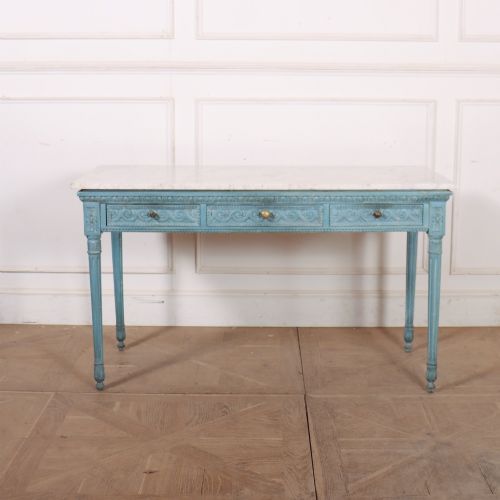
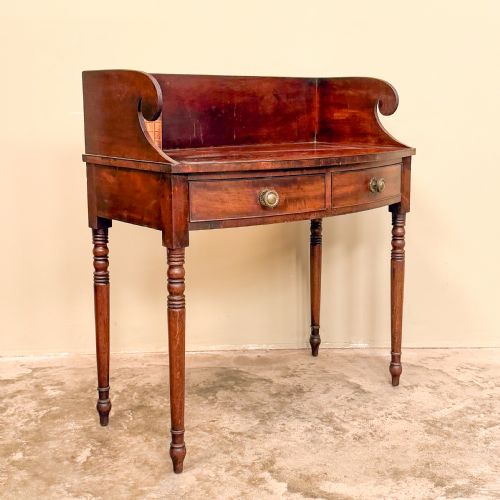
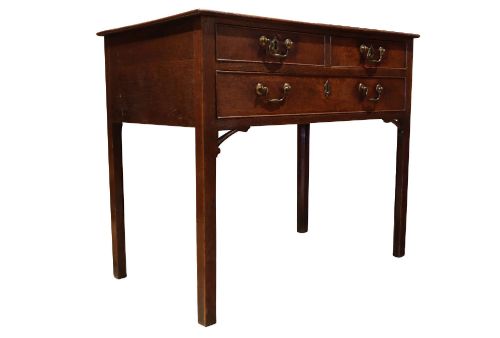
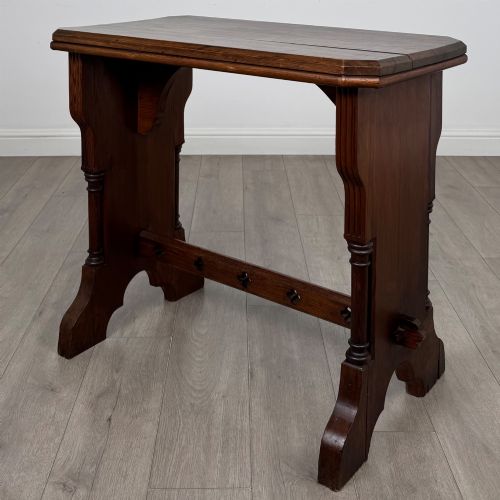
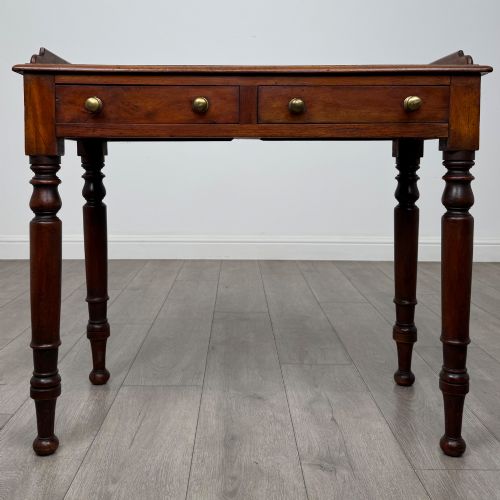
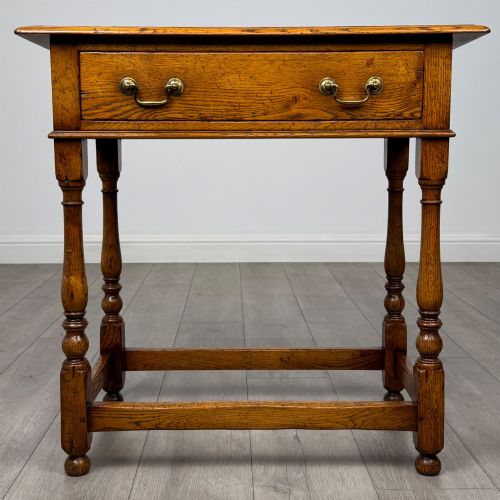
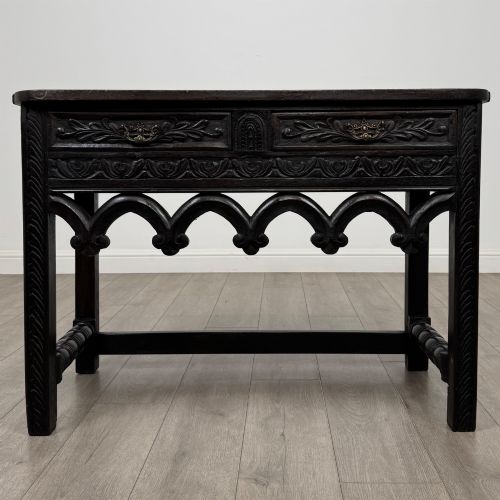
When you search for an antique hallway desk, you encounter various compact surfaces adapted for narrow spaces. These pieces primarily manifest as side tables, console tables, and lowboys dating from the 18th century through the Edwardian period.
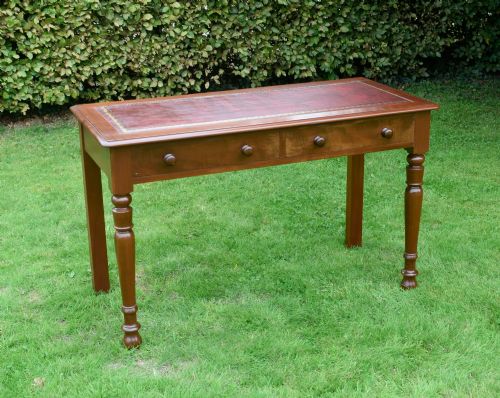
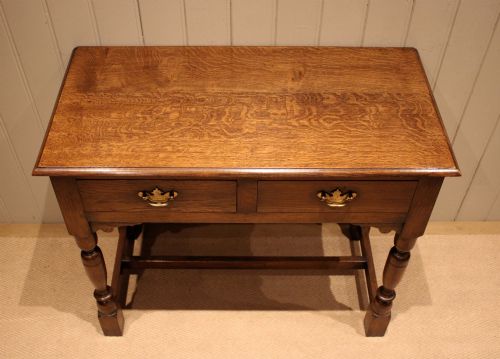
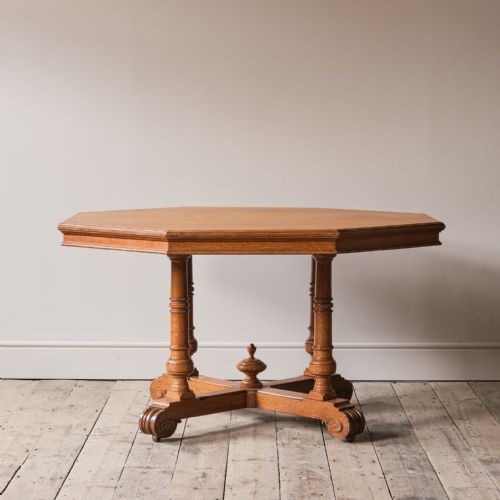
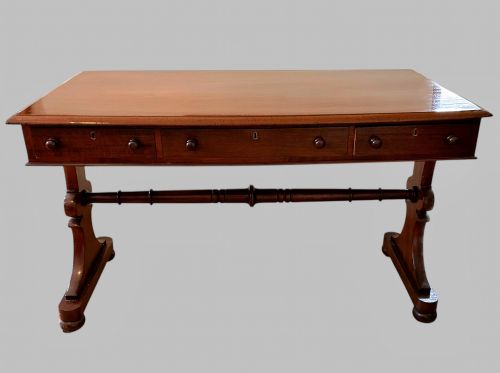
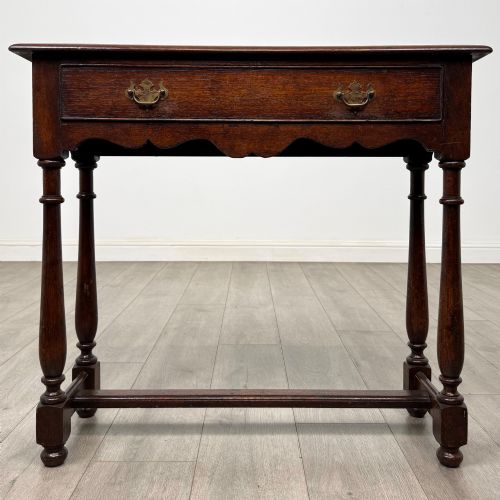
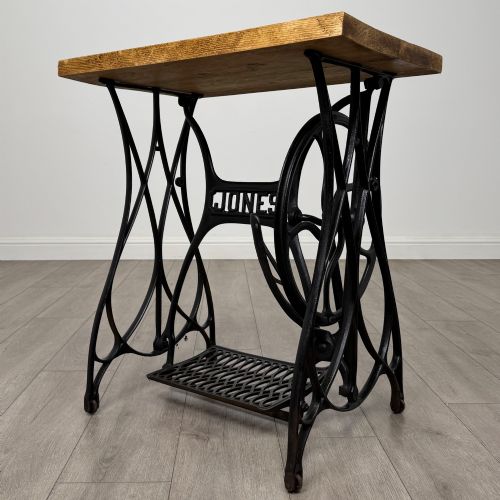
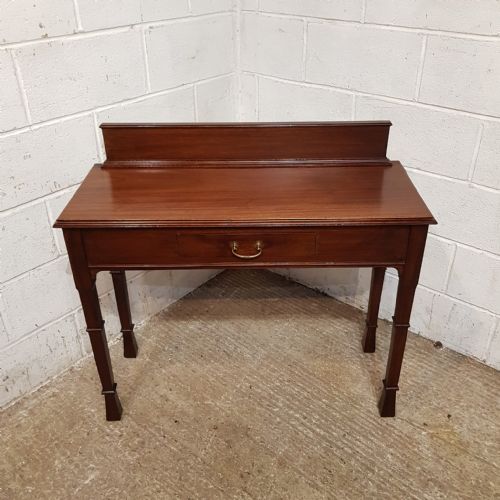
The selection on this page relies heavily on side tables, writing tables, and lowboys executed in oak and mahogany. Many pieces date from the Victorian and Georgian eras, offering modest proportions suited to entrance spaces.
Makers and designers also produced console tables and washstands in walnut, pine, and birch. These forms serve effectively in hallways where depth is restricted.
How they were made
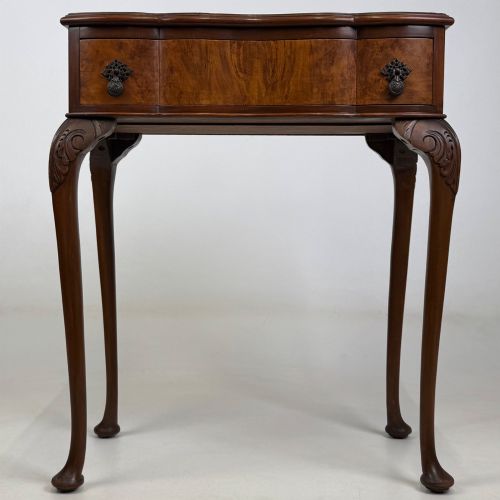
Cabinetmakers utilised solid timbers such as mahogany, oak, and walnut, often applying burr walnut veneers to prominent surfaces. Construction methods included dovetailed drawers and turned or cabriole legs.
Details such as brass hardware and carved ornamentation appeared on finer examples from the Georgian and Victorian periods. Secondary woods like pine frequently form the internal drawer linings.
Listings feature pieces spanning the 18th, 19th, and 20th centuries, utilising materials such as mahogany, oak, pine, and walnut.
What varies in quality
The distinction between standard examples and superior pieces rests on the choice of timber and the crispness of the carving. Figured veneers and solid oak construction elevate a piece above simpler pine or mixed-timber items.
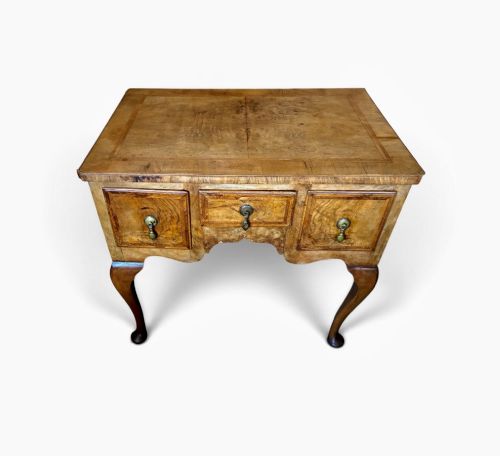
Proportion and execution of detail determine the standing of an antique hallway desk. Well-balanced George III lowboys display refined cabriole legs and careful joinery that lesser utilitarian tables lack.
Hubert Simpson of Kendal·Fortnum and Mason
The Antique Hallway Desk Glossary
- Lowboy
- A small dressing table or side table featuring drawers, typically raised on tall legs. These pieces date frequently from the 18th century.
- Console table
- A table designed to be fixed against a wall or supported by brackets, often featuring elaborate carving.
- Washstand
- A piece of furniture made to hold a basin and pitcher for washing, frequently adapted for modern hallway use.
- Sofa table
- A rectangular table with drop leaves on either side, traditionally placed in front of a sofa but useful in hallways.
- Burr walnut
- A veneer taken from the burl growth of a walnut tree, prized for its swirling, decorative grain patterns.
Antique Hallway Desk: Frequently Asked Questions
What is an antique hallway desk?
An antique hallway desk is typically a compact side table, lowboy, or writing table sourced from the Georgian, Victorian, or Edwardian eras. These pieces fit narrow areas while offering surface space.
Such furniture often includes one or more drawers for storage, constructed from timbers like mahogany, oak, or walnut.
How do I date an antique hallway desk?
Dating relies on observing the secondary woods, construction methods, and stylistic cues present in the piece. Georgian items often display hand-cut dovetails and timber specifications distinct from later Edwardian examples.
Details like brass drawer pulls and leg designs such as cabriole or tapered styles also indicate the period of manufacture.
Where should I place a hallway desk?
These tables suit narrow circulation areas, entryways, and landings where floor space is limited. Their modest depth allows them to sit flush against a wall without obstructing passage.
They provide a convenient drop-off point for keys and post while introducing period character to an interior.
Are these desks suitable for daily use?
Most antique hallway tables and writing desks handle everyday tasks such as correspondence or holding small items. Solid timber construction ensures durability across generations of use.
Care should be taken to protect polished wood surfaces from moisture and heavy wear.