
Walnut Parquetry Table
A walnut parquetry table brings geometric warmth and intricate timber work into a room.
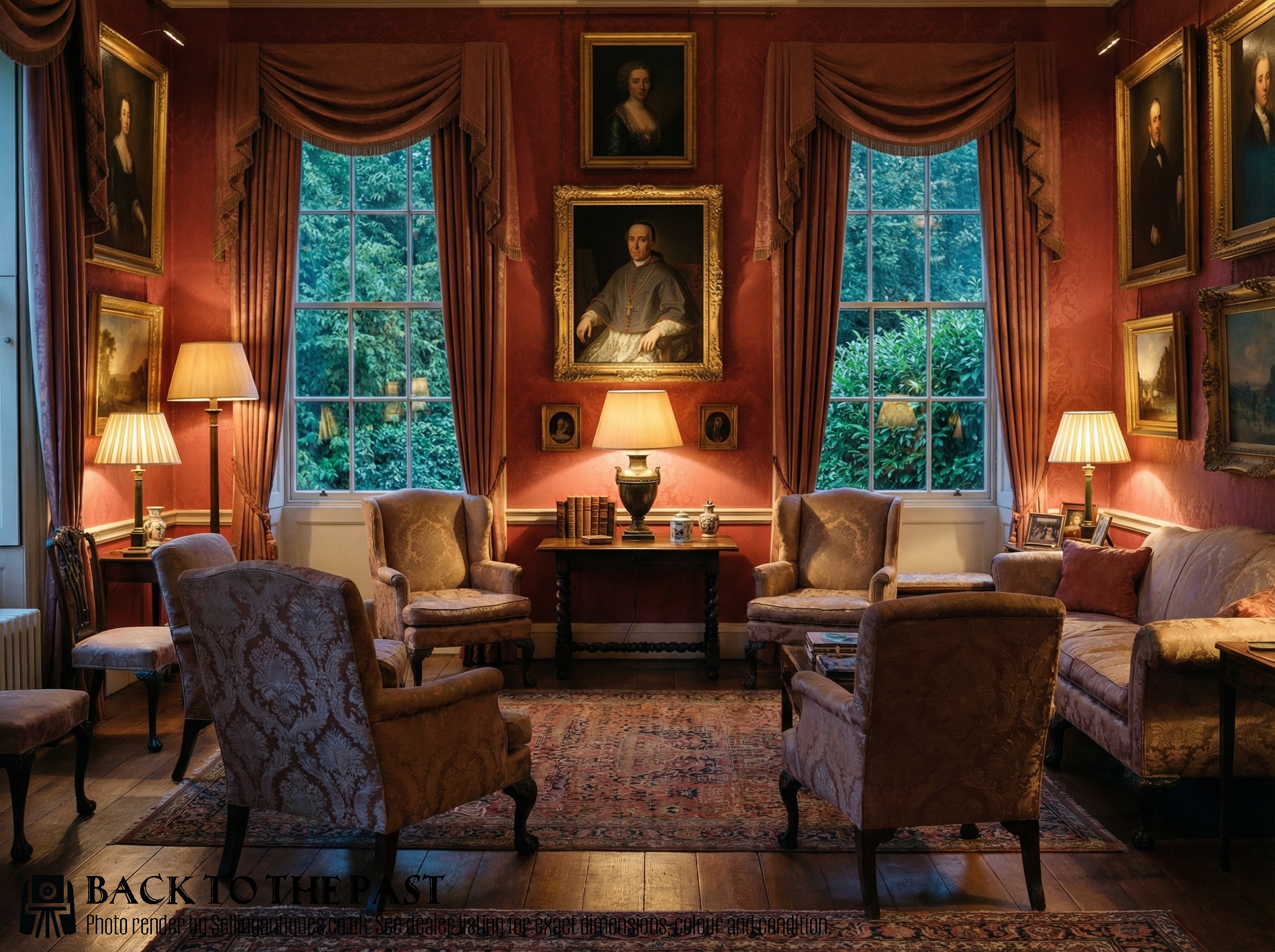
What these walnut parquetry tables are
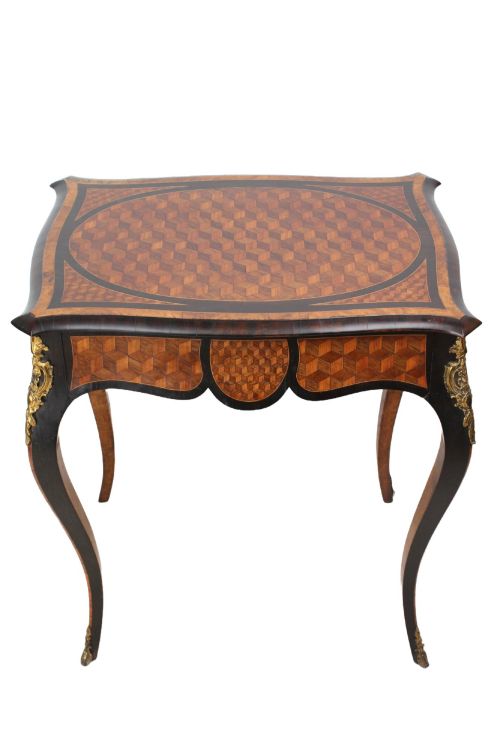
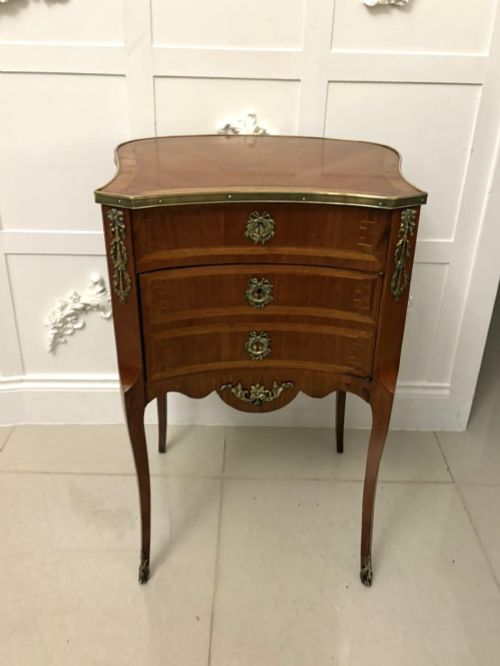
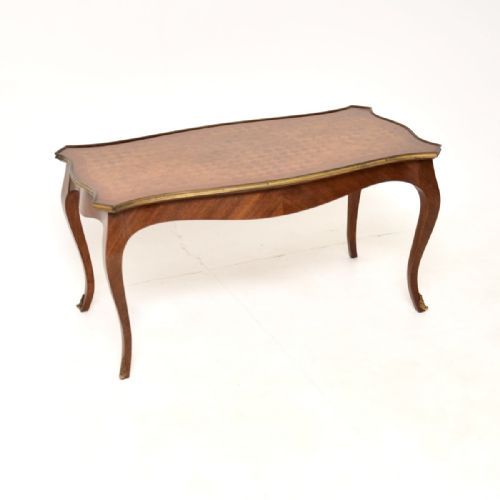
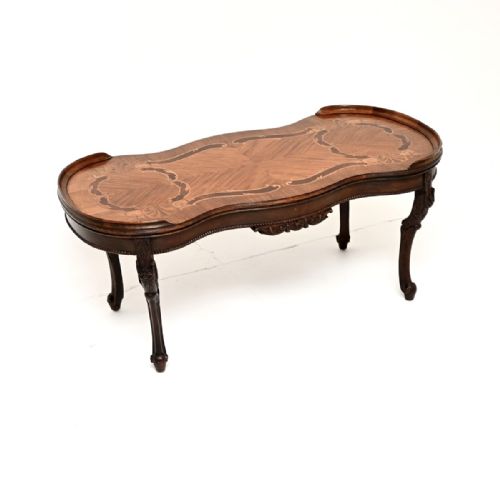
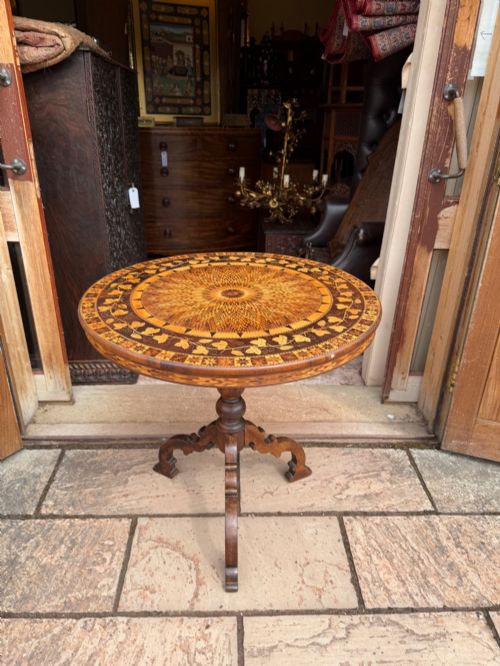
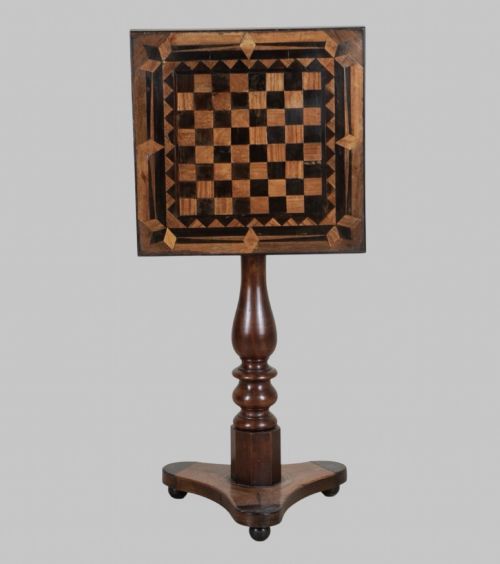
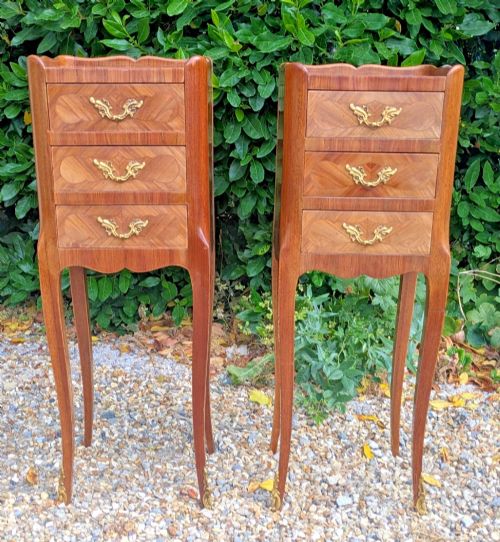
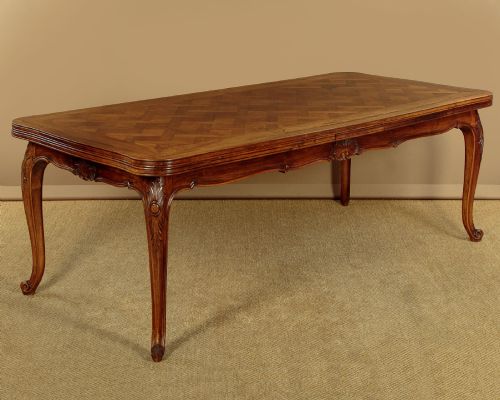
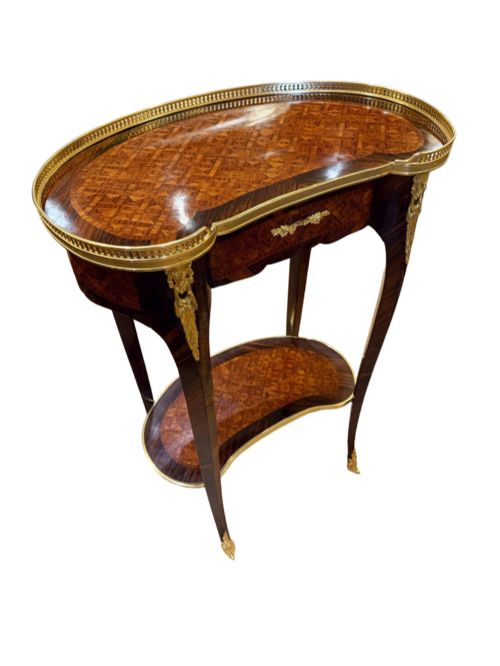
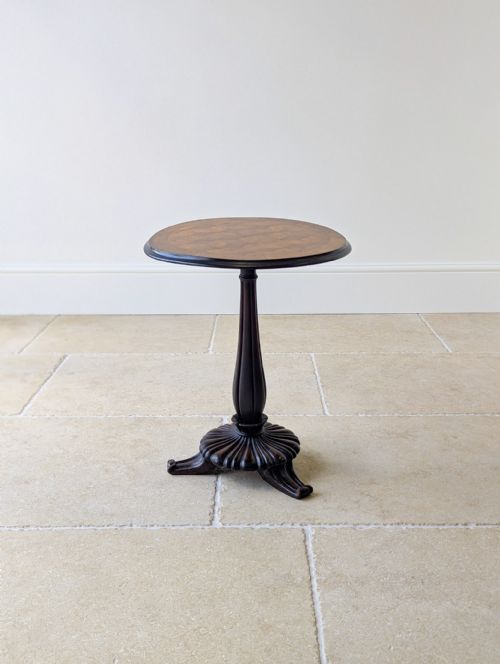
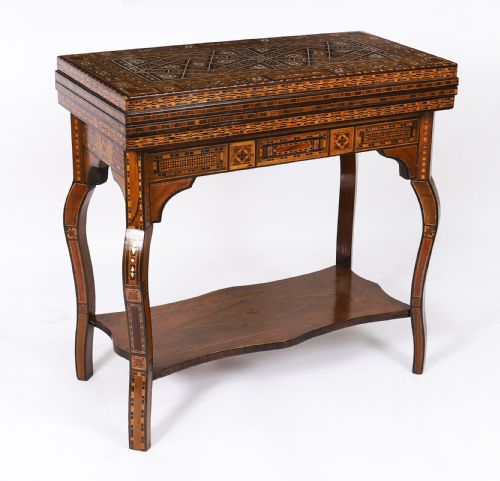
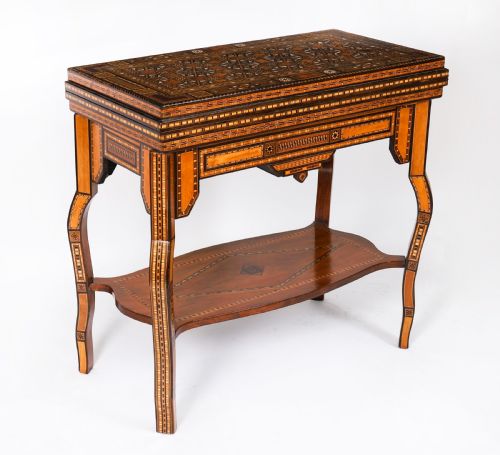
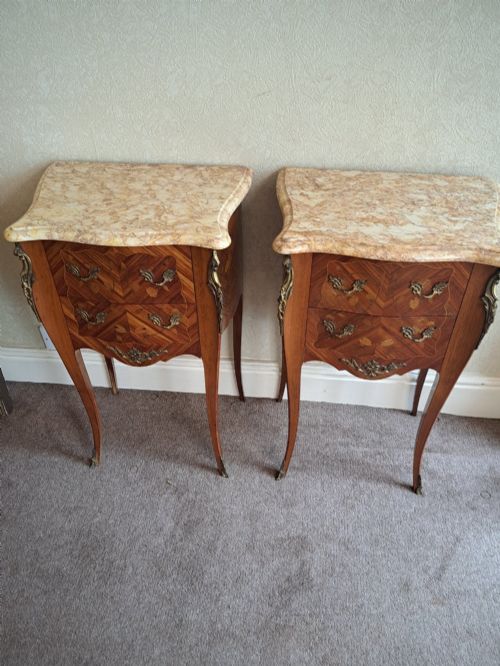
A walnut parquetry table showcases small geometric pieces of timber arranged to form patterned surfaces on tops, drawers, and leaves. When you search for a walnut parquetry table, you encounter forms ranging from side tables and writing desks to occasional tables and card tables spanning the seventeenth century to the twentieth century.
The selection includes Victorian and Edwardian examples alongside French works in Revival styles. Forms vary from small low occasional pieces and work tables to large console and dining formats.
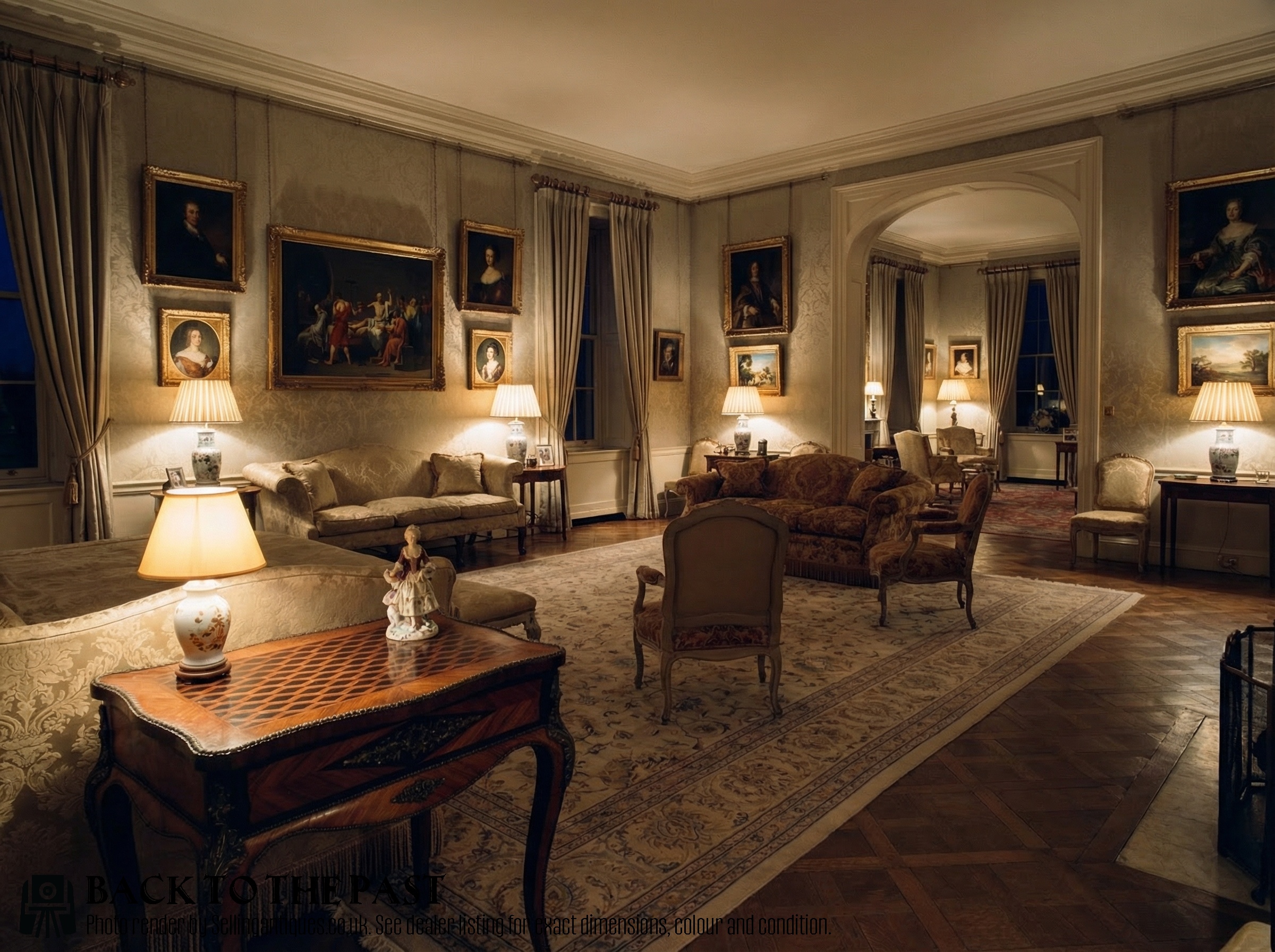
How they were made
Craftsmen cut thin veneers of walnut, often burr walnut, alongside rosewood, kingwood, sycamore, and olive wood. These timber slices were fitted precisely together to create geometric parquetry patterns upon sturdy carcases of oak and other woods.
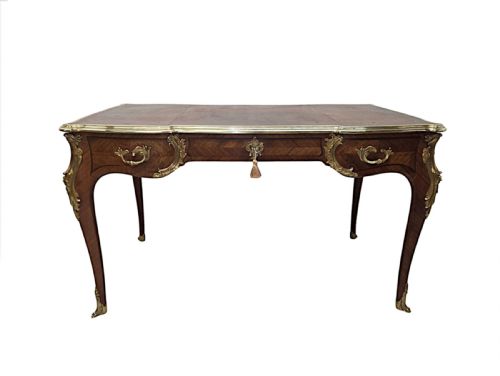
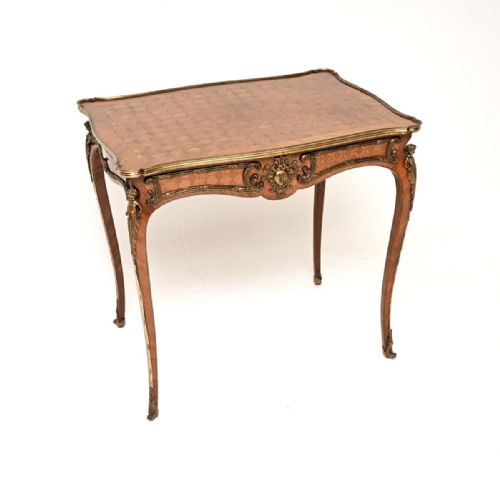
Many pieces incorporate brass, ormolu mounts, and ebonised wood details to frame the patterned veneers. Joinery includes traditional framing methods suited to folding leaves, tilt-tops, and drawers.
Retail Price Guide 2026
Typical UK retail prices for walnut parquetry table, calculated from the Sellingantiques database of over a million retail prices indexed since 2003. This retail price guide relies exclusively on Sellingantiques data; no external sources or auction records are used, so the figures do not describe the wider market.
Some tables double as game boards, hiding card and backgammon layouts beneath their clever geometric tops.
What varies in quality
Quality depends upon the precision of the timber geometry and the choice of fancy veneers such as burr walnut, kingwood, and rosewood. The crispness of ormolu mounts and the integration of secondary timbers like oak also distinguish finer examples.
The sophistication of the form, whether a simple side table or an elaborate bureau plat, writing slope, or multi-tiered nest, dictates the tier of craftsmanship.
JAS Shoolbred·Francois Linke
The Walnut Parquetry Table Glossary
- Parquetry
- Geometric wood mosaic work formed by small fitted veneer pieces. It creates patterned tabletops and surfaces.
- Burr Walnut
- Highly figured walnut timber taken from tree growths. It provides rich swirling patterns for veneer work.
- Ormolu
- Gilded bronze used for decorative mounts and furniture trim. It appears frequently on French tables.
Frequently Asked Questions
How do I clean the surface?
Dust gently with a dry, soft cloth to protect the delicate veneer work. Avoid harsh chemical polishes that can damage the polish and timber.
Maintain a stable room temperature away from direct sunlight and heat sources to prevent the wood and geometric parquetry from warping or cracking over time.
Can I use it daily?
These tables suit everyday use as side or occasional surfaces provided you use coasters and placemats. Treat antique mechanisms and folding leaves with care.
Heavier writing desks and work tables handle normal stationery and storage duties well while retaining their decorative geometric table tops.
How do I identify the period?
Examine the secondary timbers, construction methods, and overall furniture style to help determine the era. Victorian and Edwardian pieces often display distinct Revival influences.
French pieces from the nineteenth century frequently combine walnut parquetry with ormolu mounts, while seventeenth-century examples show earlier framing techniques.
What is parquetry?
Parquetry is a mosaic of small wood veneers arranged in geometric patterns. It decorates tabletops and panels using contrasting timbers.
Unlike marquetry which depicts pictorial scenes like flowers, parquetry relies on repeating mathematical shapes and angles.