

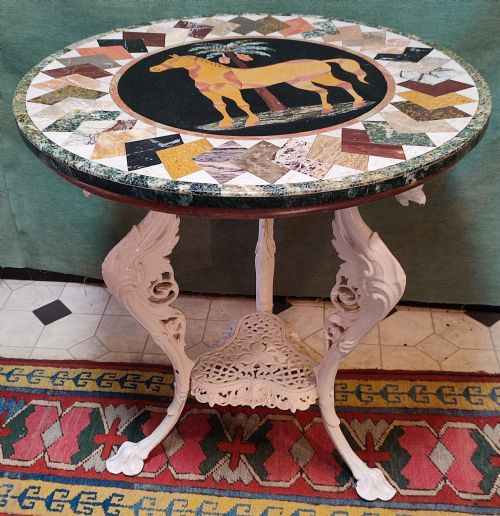


Geometric Inlay Table
These pieces known as a geometric inlay table bring together intricate woodworking and distinct domestic utility across various historical periods.
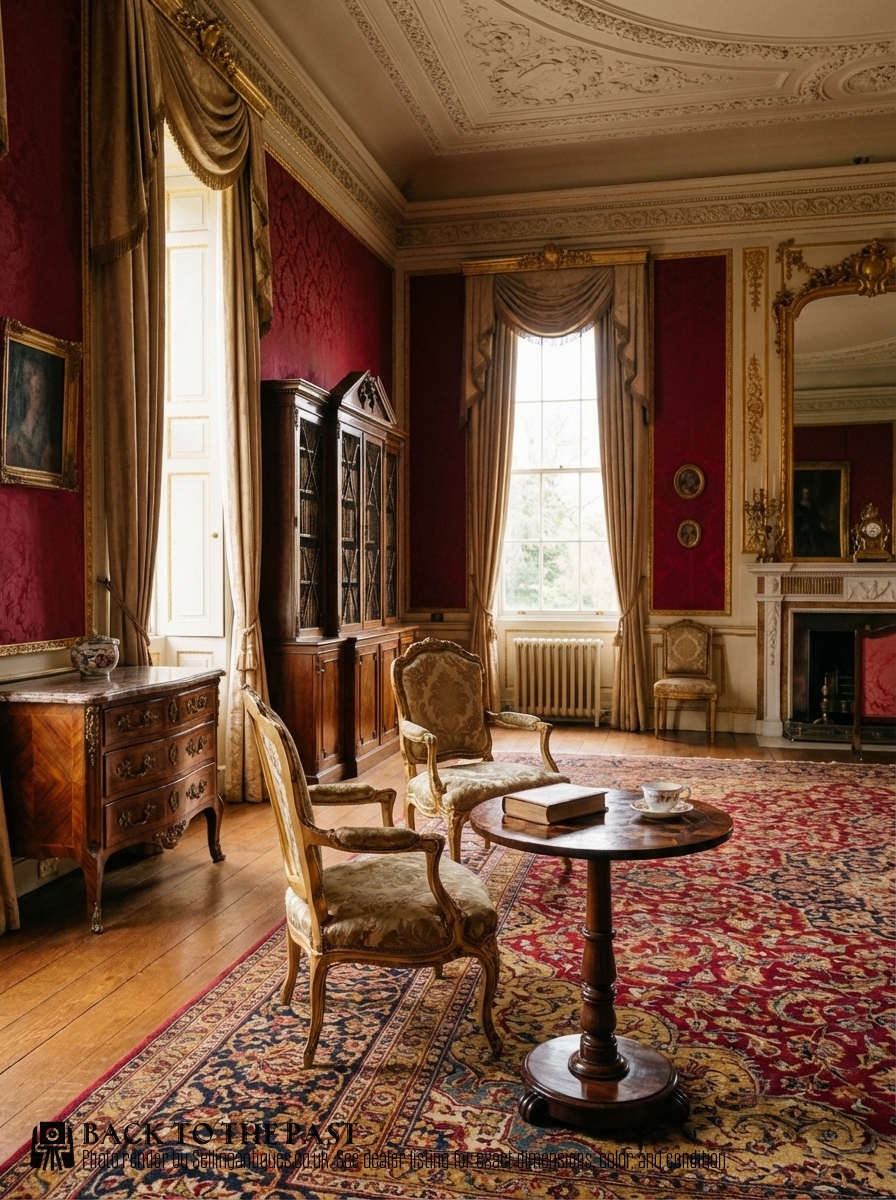
Geometric Inlay Table
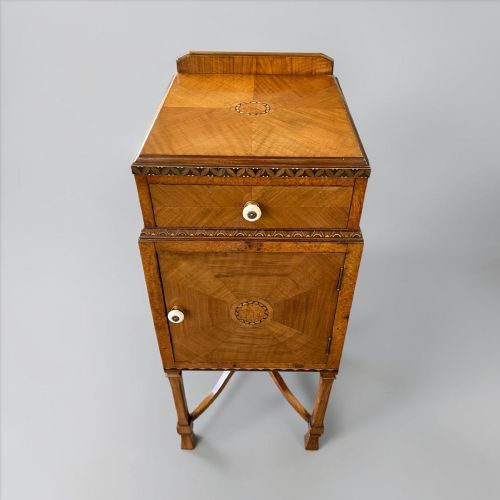
When buyers search for a geometric inlay table, they encounter a range of forms designed for specific domestic tasks. Side tables, occasional pieces, centre tables, and games tables dominate the selection, alongside specialised writing and bedside variations.
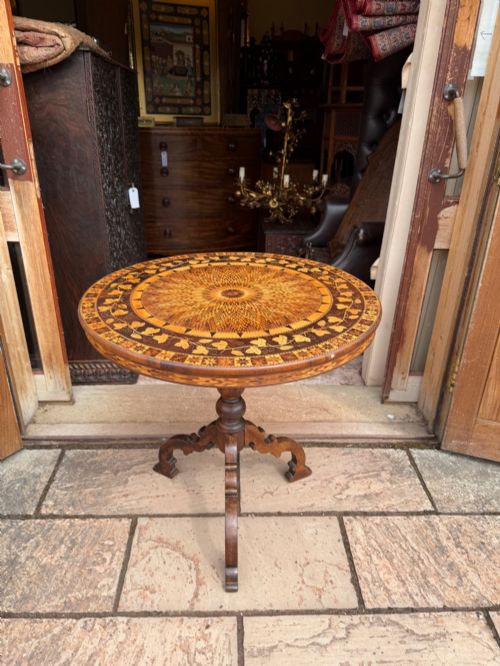
The objects stem predominantly from the nineteenth century, with Victorian, Edwardian, and early twentieth-century examples appearing regularly. Regional expressions range from Italian Sorrento ware and Moorish Revival pieces to British cabinet work and colonial specimens.
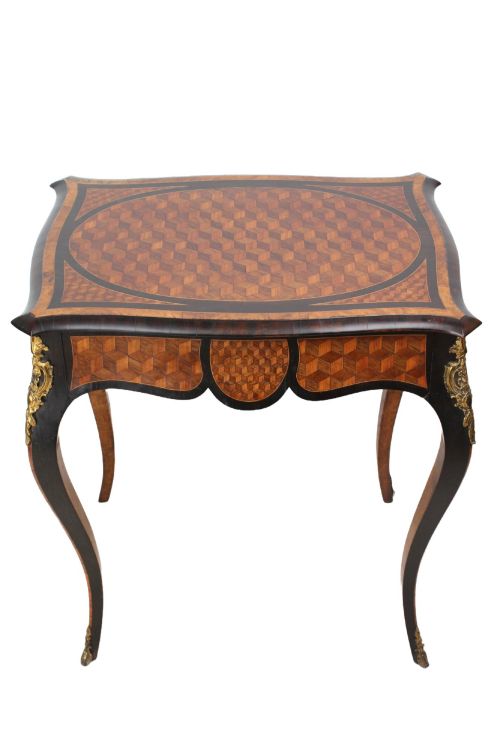
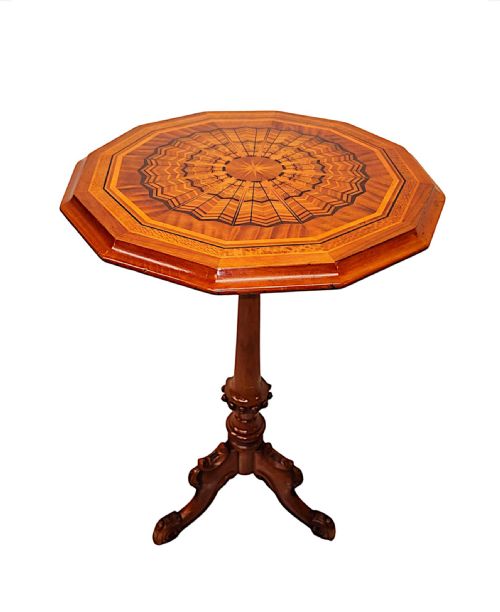
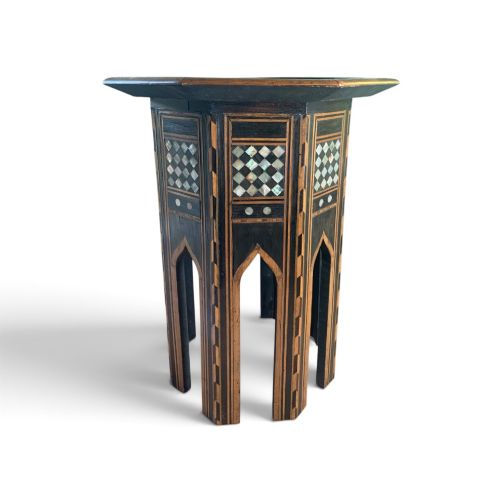
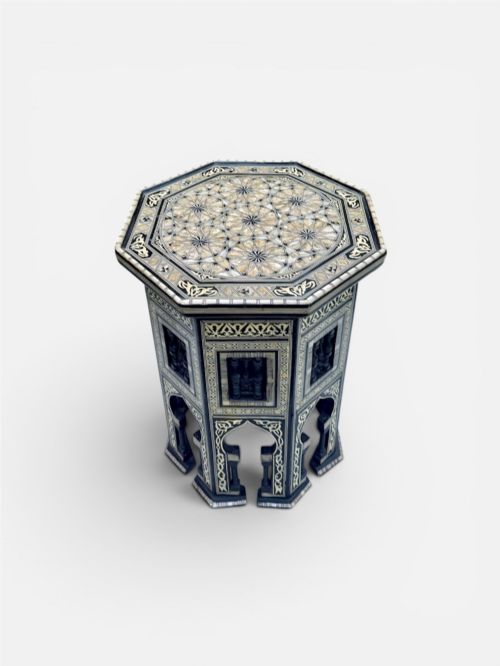
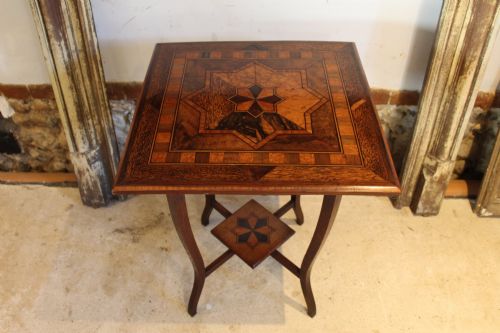
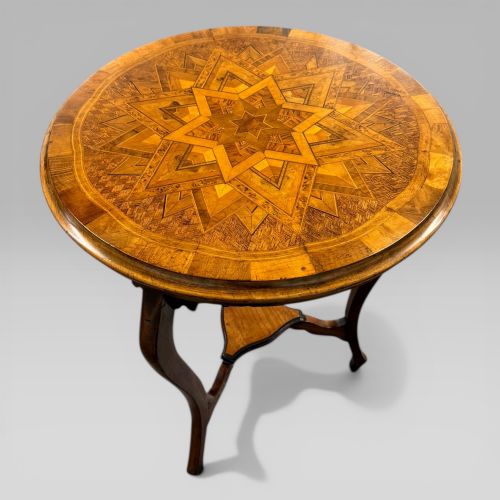
Buyers are most likely to meet circular, hexagonal, or rectangular occasional tables featuring patterned surfaces. These items function as functional display surfaces or games boards while displaying complex tiled and banded wood arrangements.
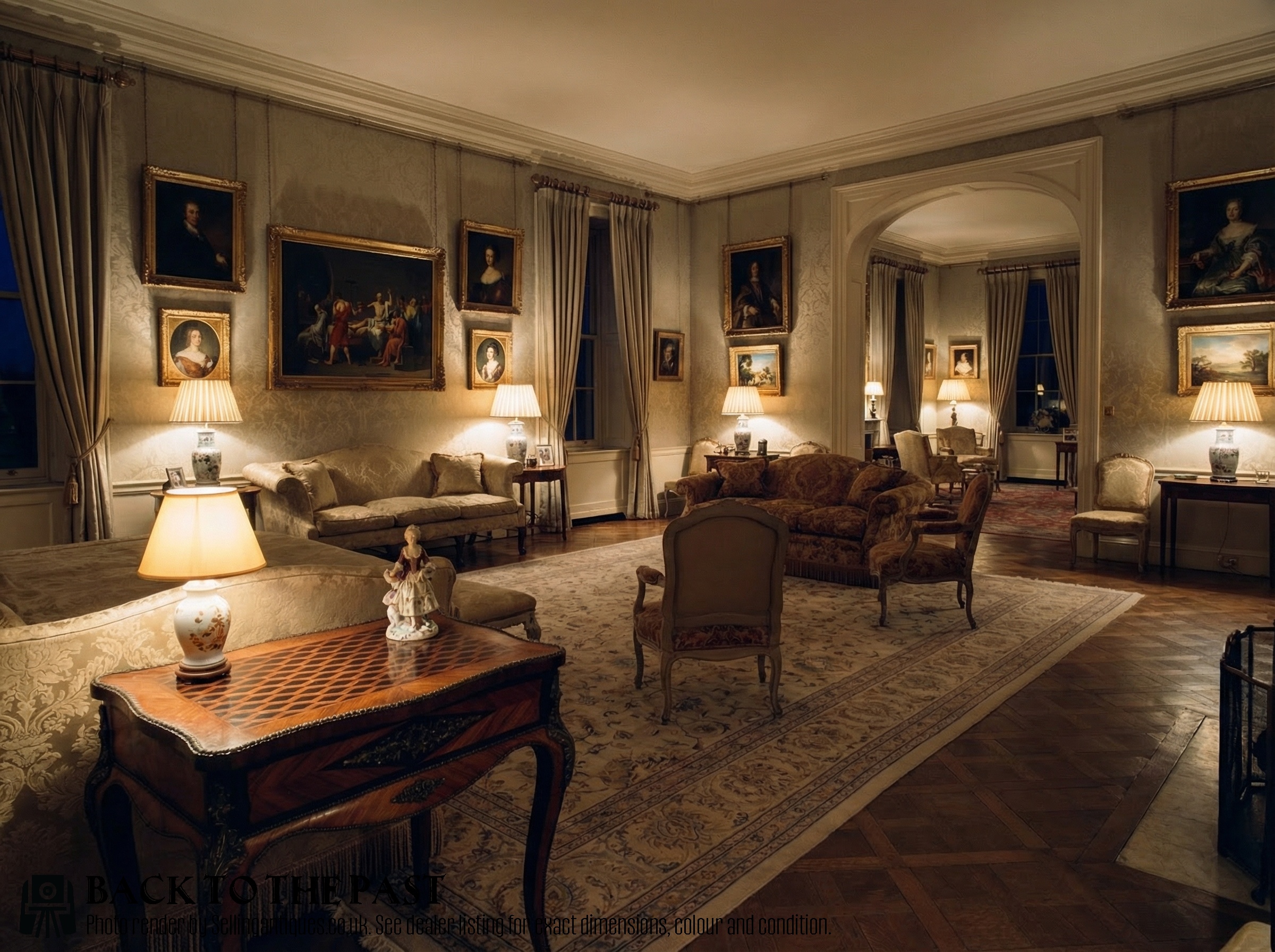
How They Were Made
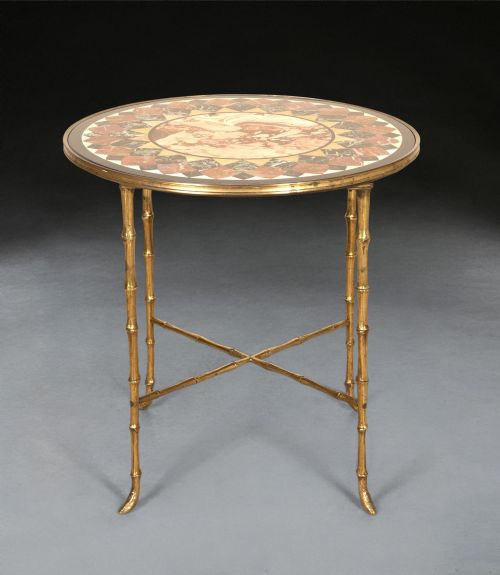
Cabinet makers utilised a substantial palette of timbers, combining foundational woods like walnut, mahogany, oak, and rosewood with contrasting fruitwoods and exotic satinwood. Surfaces frequently incorporate bone, mother-of-pearl, and marble inserts to enhance the optical depth of the design.
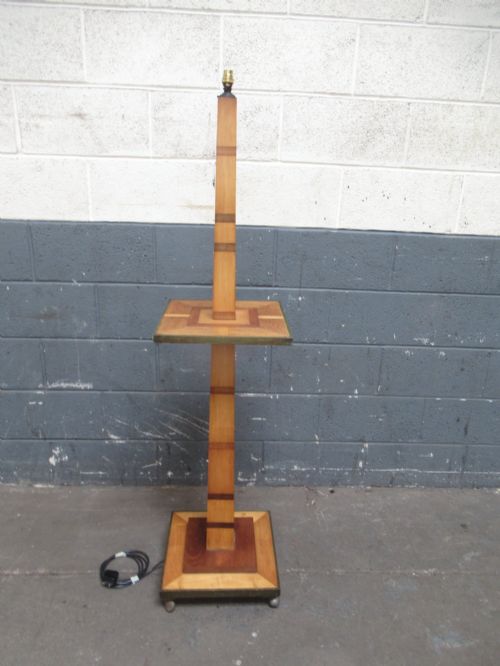
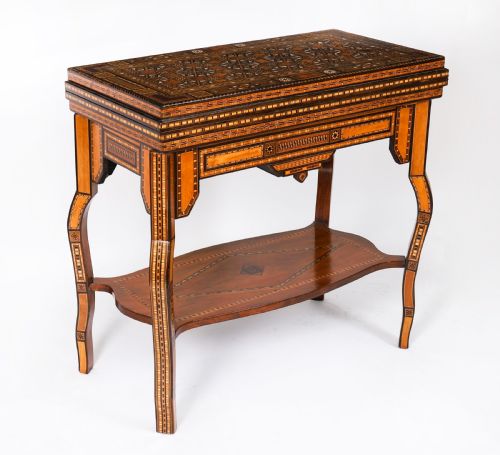
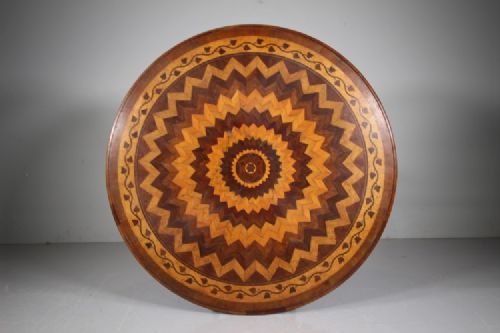
Makers constructed the patterned surfaces through meticulous parquetry, marquetry, and specimen wood techniques. Individual pieces of timber were cut, fitted, and glued to form precise geometric motifs, tessellating shapes, and multi-layered border bands.
Geometric Inlay Table Retail Price Guide 2026
Typical asking prices for geometric inlay table among the pieces listed under this phrase on Sellingantiques today, from the lower quarter to the upper quarter. They describe what is for sale here now, not the wider market.
Some nineteenth-century tables cleverly concealed backgammon and chess boards beneath folding or reversible geometric tops.
What Varies in Quality
The precision of the timber joints and the tightness of the tessellation separate simpler items from superior examples. Master craftsmen ensured that individual geometric units met without visible gaps, maintaining structural integrity across seasonal wood movement.
The choice of materials dictates the standing of a piece within the range. The integration of diverse specimen timbers, iridescent mother-of-pearl, or carved marble tops denotes higher ambition in the workshop.
JAS Shoolbred·Gillows·Anton Seuffert
The Geometric Inlay Table Glossary
- Parquetry
- A geometric mosaic of wood pieces used for floors and furniture tops. This technique relies on regular angular shapes to create repeating patterns.
- Marquetry
- Applied veneer arranged in decorative pictures or designs. Craftsmen use varied wood grains and tones to produce pictorial or abstract ornamentation.
- Specimen wood
- Timber collected from various botanical species for its distinct colour or grain. Tables utilising these woods often showcase a catalogue of regional forestry.
- Sorrento ware
- Inlaid woodwork originating from the Italian town of Sorrento. Pieces from this tradition often feature intricate banded geometric framing and views.
- Moorish Revival
- An architectural and decorative style popular in the nineteenth century. It incorporates geometric Islamic motifs, octagonal forms, and mother-of-pearl inlay.
Geometric Inlay Table: Frequently Asked Questions
How do I clean a geometric inlay table?
Maintain the surface by dusting with a dry, soft cloth to prevent particulate accumulation in the wood joints. Avoid using harsh chemical sprays or excess water that might compromise the old adhesive beneath the veneer.
Nourish the timber periodically with appropriate microcrystalline wax to protect the grain and preserve the finish. Test any conservation product on a hidden underside before applying it to the main decorated top.
Can I use an occasional table for daily dining?
Occasional tables were built for lighter domestic duties such as holding lamps, books, or displaying decorative objects. Placing heavy tableware or hot dishes directly onto antique veneered surfaces risks heat damage and moisture rings.
Utilise protective mats or coasters if you intend to use the surface for drinks or regular daily tasks. Respecting the structural limits of nineteenth-century frames ensures the delicate parquetry remains intact.
How do I distinguish Victorian from Edwardian pieces?
Victorian examples often feature denser, darker timbers like walnut and rosewood combined with heavy pedestal or turned leg supports. The geometric patterns lean towards dense multi-banded borders and elaborate central medallions.
Edwardian pieces generally present lighter overall tones, including birch and satinwood, with simpler structural lines reflecting changing domestic tastes. The inlay work on these later tables frequently employs more restrained, simplified geometric repeats.
What is the difference between parquetry and marquetry?
Parquetry strictly utilises geometric shapes such as squares, triangles, and diamonds to form repeating abstract patterns across a surface. The technique focuses on mathematical precision and the interplay of contrasting wood grain directions.
Marquetry allows for curved and pictorial designs, constructing figurative scenes or floral arrangements using varied natural veneers. While both appear on top surfaces, parquetry specifically defines the geometric style.