



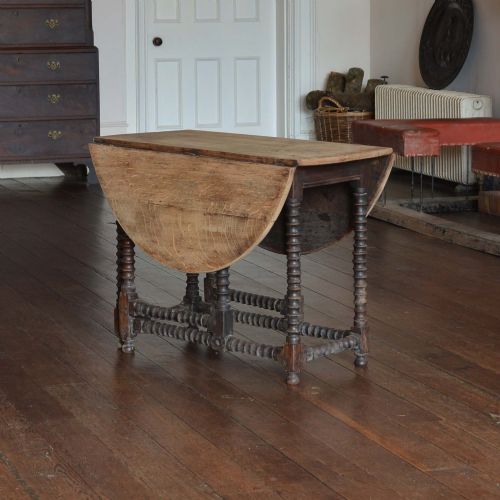

Carolean Oak Table
A carolean oak table brings seventeenth-century craftsmanship into a room with sturdy timber surfaces and historical turnings.
What these pieces are
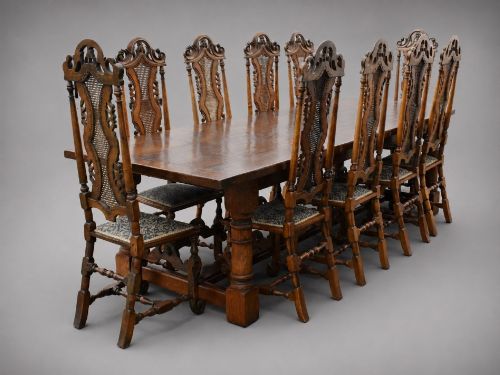
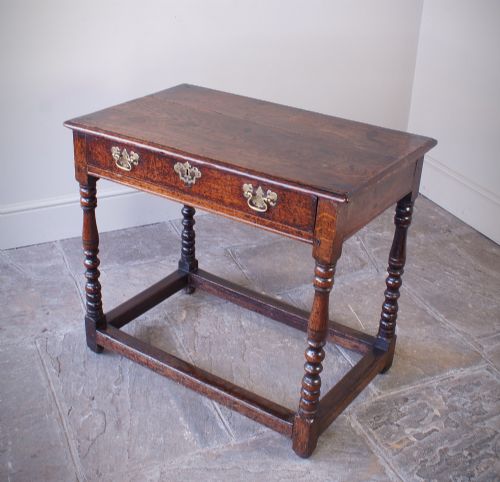
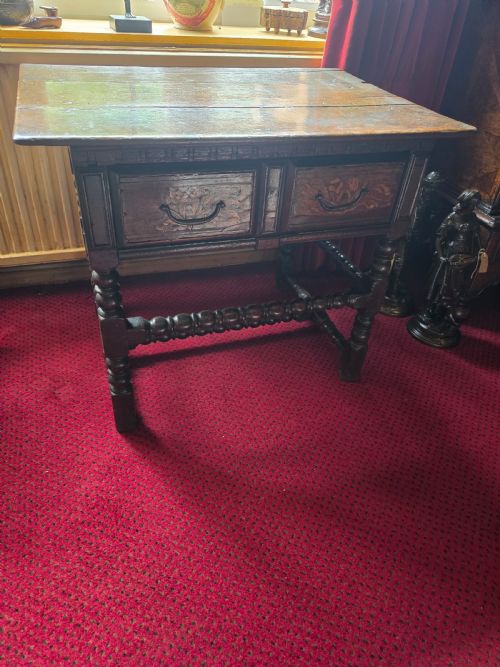
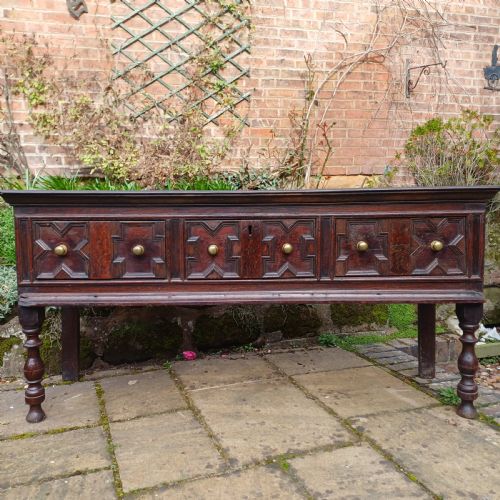
A carolean oak table encompasses seventeenth-century furniture forms designed for domestic utility and dining, appearing most frequently on this page as side tables and refectory dining tables. These pieces reflect the robust woodworking traditions of the period, utilising solid timber planks and sturdy underframing.
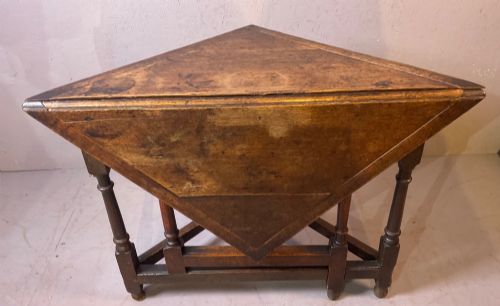
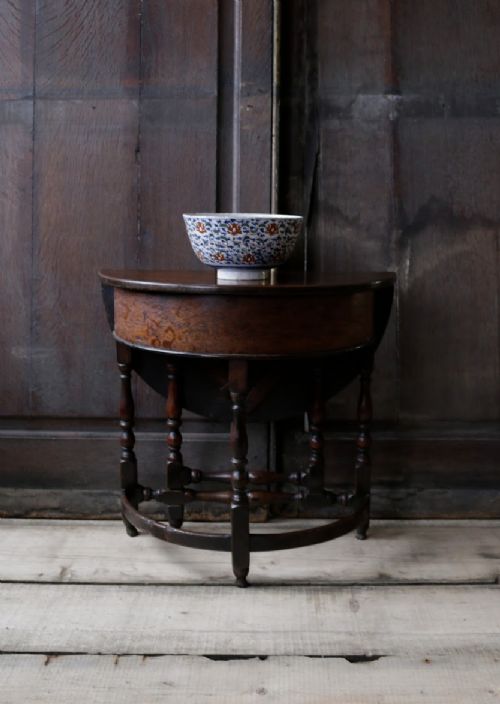
The inventory includes side tables alongside refectory, gateleg, and occasional dining tables dating from the seventeenth century and later revival periods. Buyers encounter variations that span from authentic seventeenth-century examples to later nineteenth-century interpretations sharing the same aesthetic.
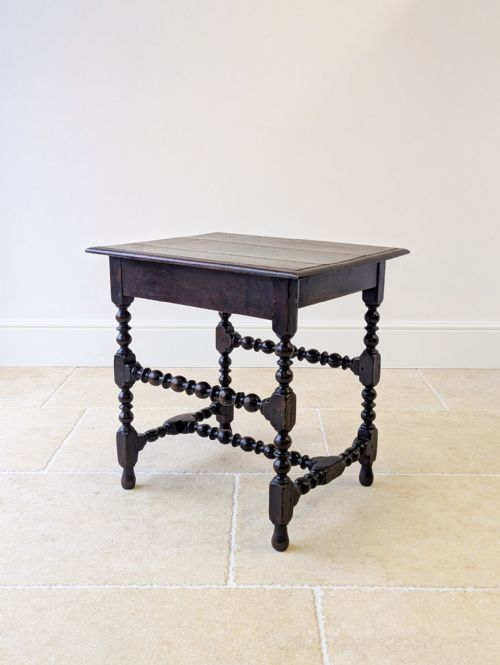
Side tables dominate the current selection, offering compact surfaces suitable for hallways and living spaces. These forms provide a direct link to seventeenth-century domestic interiors through their proportions and material honesty.
How they were made
Makers constructed these tables primarily from solid oak, frequently incorporating secondary timbers such as elm and walnut alongside brass fittings. Timbers were selected for durability and joined using traditional peg and mortise techniques.
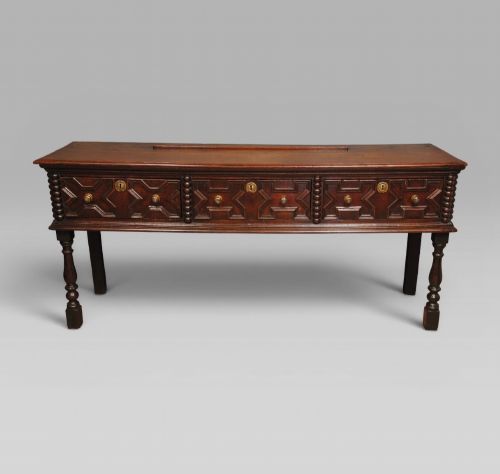
Surface ornamentation relied on structural carpentry rather than applied veneer, featuring bobbin-turned legs, plank tops, and geometric parquetry. Carpenters shaped the wood by hand, creating sturdy frames designed to withstand heavy daily use.
Retail Price Guide 2026
Typical UK retail prices for carolean oak table, calculated from the Sellingantiques database of over a million retail prices indexed since 2003. This retail price guide relies exclusively on Sellingantiques data; no external sources or auction records are used, so the figures do not describe the wider market.
Some tables double as impromptu dance floors when seventeenth-century guests get carried away after too much ale.
What varies in quality
Quality rests in the integrity of the timber and the honesty of the construction, distinguishing period originals from later interpretations. Tables featuring uncompromised plank tops and crisp turnings demonstrate superior workshop standards.
The sophistication of the joinery and the preservation of original hardware separate utilitarian pieces from finer domestic furnishings. Finer examples display balanced proportions and harmonious integration of decorative elements like parquetry.
The Carolean Oak Table Glossary
- Carolean
- Pertaining to the reign of Charles II, spanning the mid to late seventeenth century, characterised by ornate baroque influences merged with traditional English joinery.
- Refectory table
- A long, narrow dining table originally utilised in monastic dining halls and later adapted for large domestic kitchens and halls.
- Gateleg table
- A drop-leaf table featuring hinged legs that swing outward to support the raised leaves, creating an expandable surface.
- Parquetry
- A geometric mosaic of wood pieces used for decorative surfacing on tabletops, creating patterns through contrasting timber tones.
- Bobbin turning
- A type of lathe-turned furniture leg resembling a string of spools or bobbins, popular during the seventeenth century.
Frequently Asked Questions
What is a carolean oak table?
A carolean oak table is a seventeenth-century or revival-style domestic furniture piece constructed from solid timber, often featuring turned legs or plank tops.
These tables include side tables, refectory tables, and gateleg designs intended for dining or general utility in traditional interiors.
How were these tables used originally?
Original seventeenth-century tables served as primary surfaces for dining, food preparation, and administrative tasks within the household.
Larger refectory and gateleg versions accommodated communal meals, while smaller side tables held lighting, books, or decorative objects against walls.
How do I live with an antique oak table?
Living with these tables involves placing them away from direct heat sources and sudden humidity changes to protect the solid timber.
Routine maintenance requires simple dusting and occasional waxing to preserve the natural finish and character of the aged oak surface.
How do I tell period pieces apart?
Distinguishing period pieces involves examining tool marks, timber shrinkage, joinery methods, and the overall wear patterns accumulated over centuries.
Revival pieces from later centuries often display machine-cut elements or different wood preparation techniques compared to authentic seventeenth-century carpentry.