
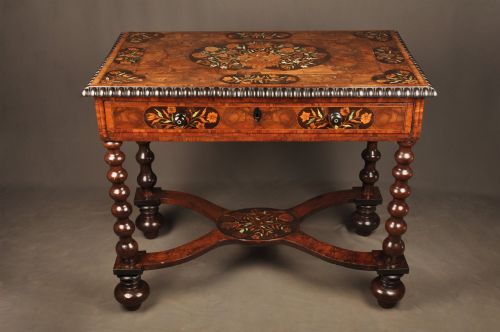
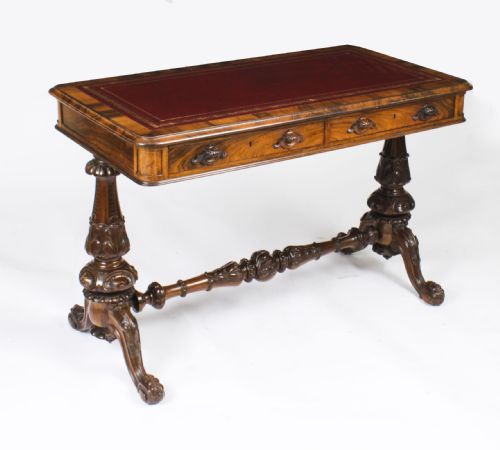
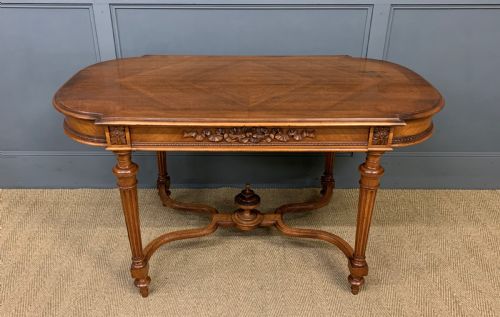
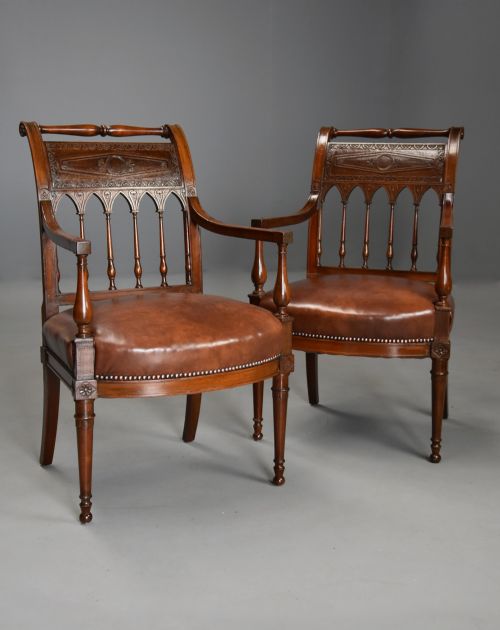
Walnut Library Desk
When you search for a walnut library desk, you are stepping into a world of rich timber, leather inserts, and robust nineteenth-century craftsmanship.
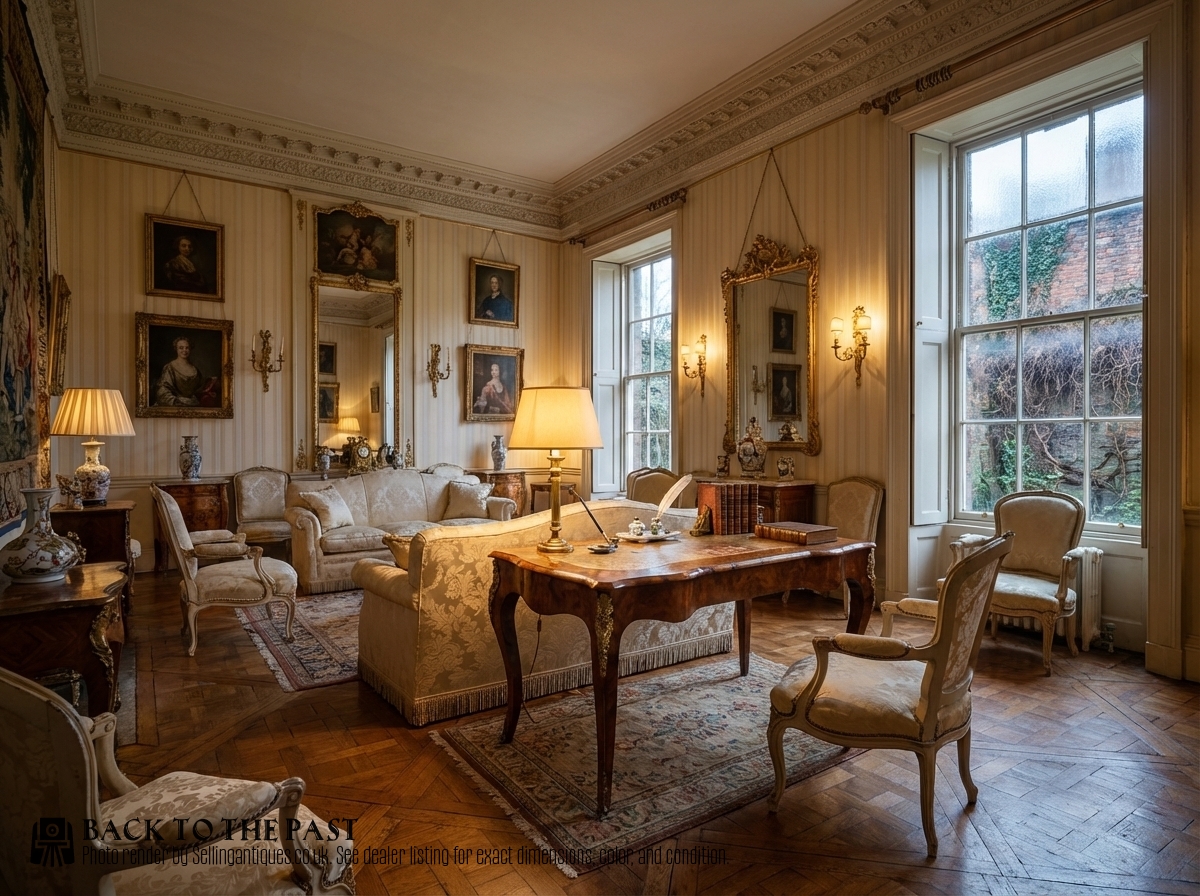
Walnut Library Desk
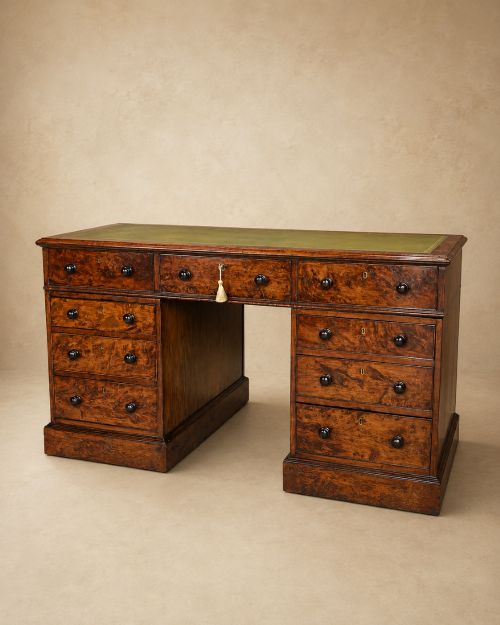
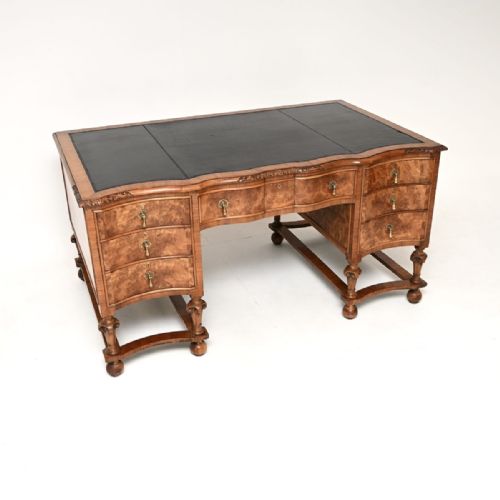
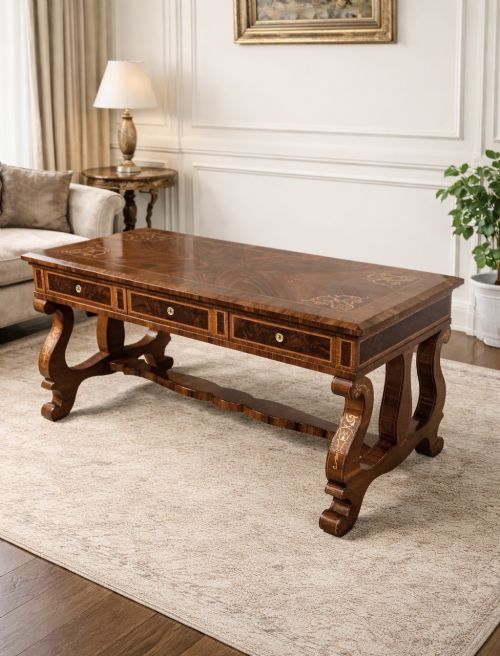
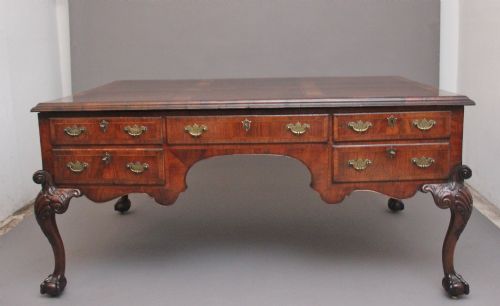
A walnut library desk brings together substantial writing surfaces and rich timber grain, most frequently encountered in nineteenth-century Victorian pieces alongside partners desks and writing tables. These forms span pedestal constructions, twin pedestal formats, and large freestanding tables designed to sit centre stage in a room.
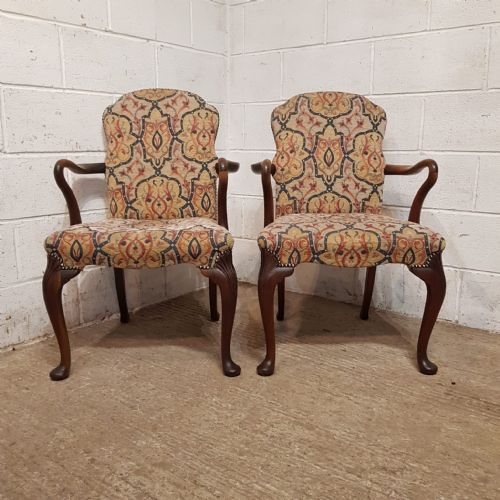
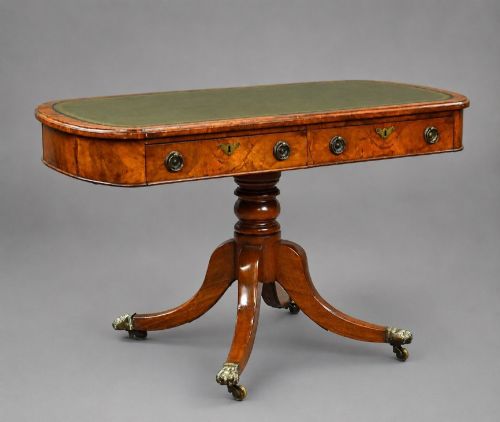
The selection here encompasses everything from substantial partner pieces to compact writing tables, paired frequently with leather insets, brass hardware, and matching armchairs. Makers and revivals from the seventeenth-century style through to the interwar period ensure a diverse range of formal study furniture.
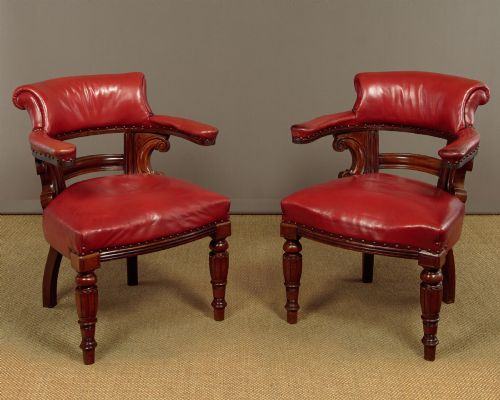
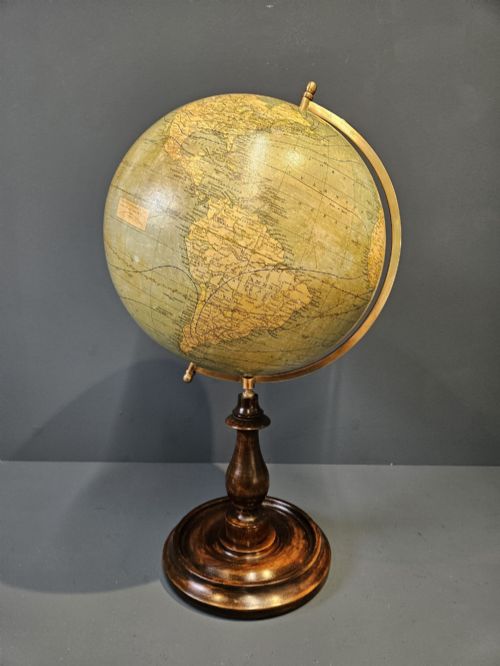
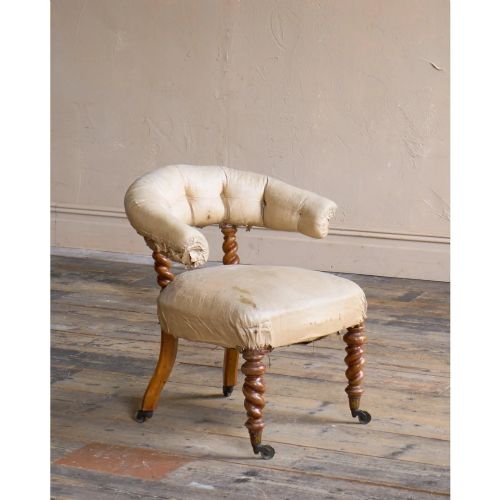
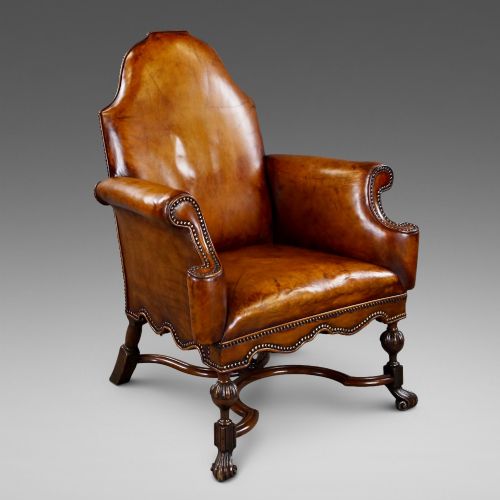
Beyond standard writing surfaces, the category extends to associated library pieces including revolving bookstands, globes on wooden feet, and comfortable upholstered armchairs. These items share the dark, figured timber aesthetic suited to period studies and home offices.
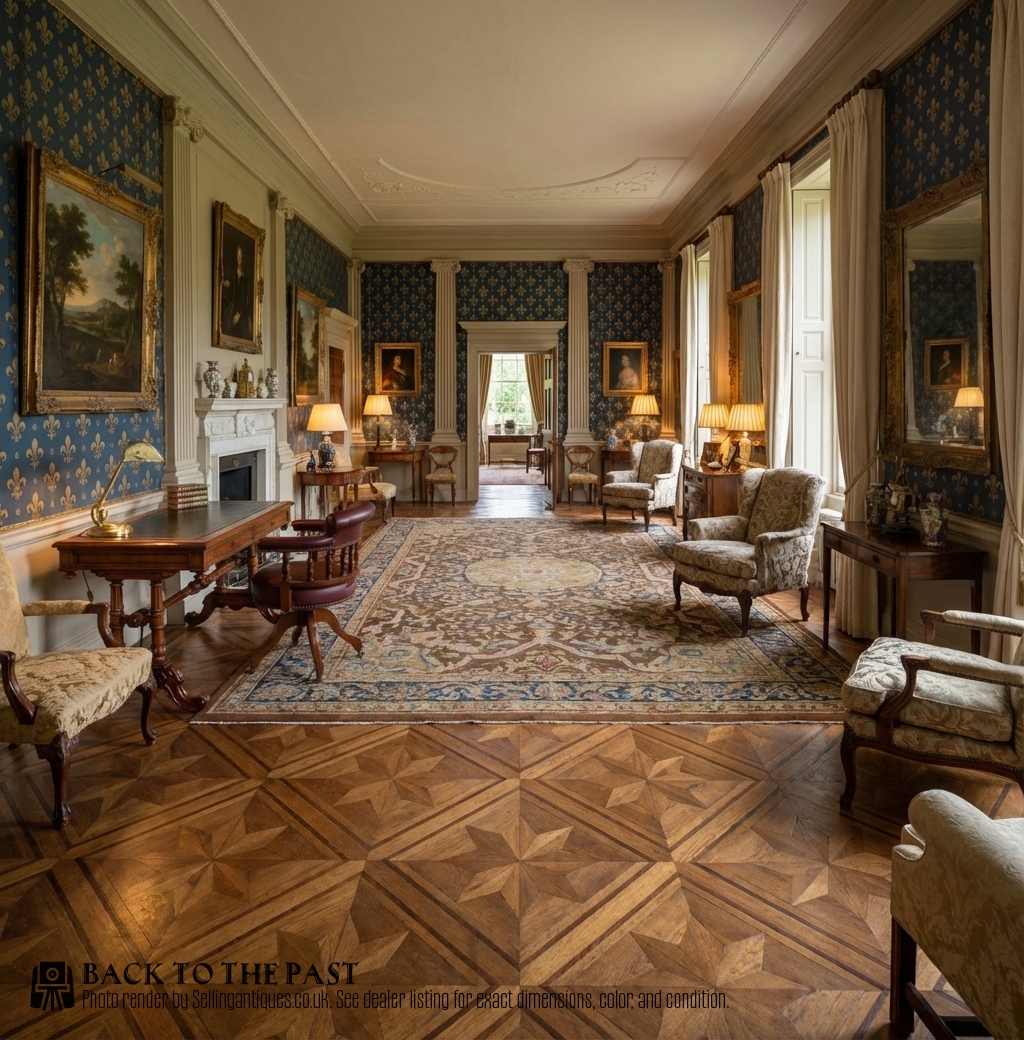
Materials and construction methods
Makers utilised solid walnut and burr walnut veneers over secondary timbers, selecting figured sections to create striking patterns across large flat surfaces like tabletops and pedestal drawers.
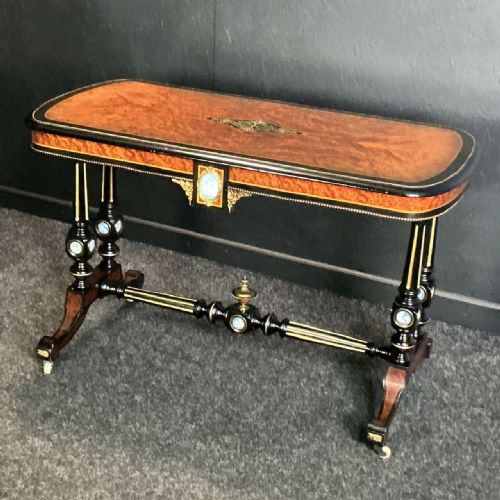
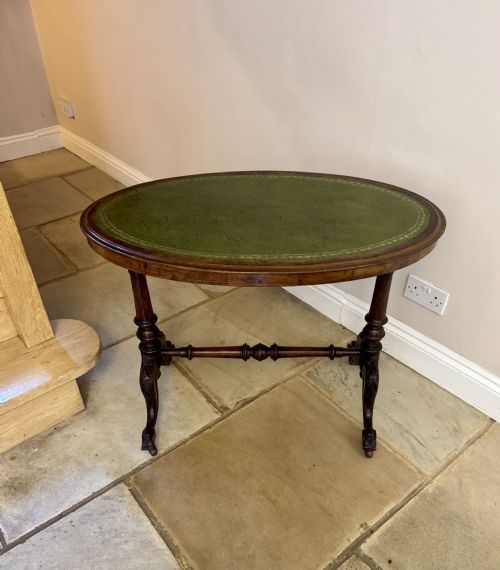
Writing surfaces were typically inset with tooled leather or velvet, bordered by inlaid banding, while structural mounts incorporated brass, ormolu, and ebonised wood details.
Joinery relied on traditional techniques to support heavy use, pairing dovetailed drawer construction with sturdy turned or carved legs, pedestals, and structural framework.
Walnut Library Desk Retail Price Guide 2026
Typical asking prices for walnut library desk among the pieces listed under this phrase on Sellingantiques today, from the lower quarter to the upper quarter. They describe what is for sale here now, not the wider market.
Materials appearing across the collection include solid walnut, burr walnut, tooled leather, velvet, brass, ormolu, and ebonised wood.
Distinctions in quality
Quality rests upon the depth of the walnut figure and the precision of the timber matching across expansive desk surfaces and drawer fronts. Burr walnut selections with lively, natural grain patterns command attention for their visual complexity.
The integrity of secondary materials, such as finely tooled leather inserts, original brass or ormolu mounts, and robust internal drawer construction, separates standard utility pieces from workshop-attributed creations.
Maple and Co·Edwards and Roberts·C. Hindley and Sons·Gill and Reigate·Miles and Edwards
The Walnut Library Desk Glossary
- Burr walnut
- A prized timber harvested from tree growths, yielding intricate, swirling grain patterns used extensively for high-end Victorian veneering. It turns plain surfaces into decorative focal points.
- Partners desk
- A large double-sided desk featuring drawers and cupboards on both faces, allowing two people to work opposite one another. These were standard fixtures in nineteenth-century institutional and domestic libraries.
- Ormolu
- Gilded bronze mounts applied to furniture for decorative enrichment, frequently seen on mid-Victorian and French revival pieces. It adds metallic contrast to the dark timber.
- Bureau plat
- A freestanding French writing table featuring a leather-lined top and one or more rows of drawers. This form originated in seventeenth-century France and remained popular through subsequent revival periods.
Walnut Library Desk: Frequently Asked Questions
What is a partners desk?
A partners desk is a large, double-sided writing table designed with matching drawers and cupboards on both long faces. This configuration permitted two individuals to sit opposite each other and work simultaneously.
Such pieces were traditionally used in grand home studies, legal offices, and institutional libraries. They stand out for their symmetrical proportions and freestanding presence in a room.
How do I identify burr walnut?
Burr walnut is recognised by its dense, swirling grain patterns and knot clusters, which create a highly decorative, mottled surface texture. It is sliced into thin veneers rather than used as solid timber.
Cabinet makers applied these veneers across large tabletops and drawer fronts to catch the light and show off the natural variation of the wood.
Are these desks suitable for daily use?
These desks are robustly constructed from hardwood timbers and sturdy internal framing, making them well-suited for contemporary study environments. Their generous proportions accommodate modern seating and writing equipment comfortably.
Care should be taken to protect the leather writing surfaces and polished timber finishes from excessive moisture and heat.
How do I date a walnut desk?
Dating relies on observing construction methods, timber treatment, hardware styles, and overarching design influences such as Victorian proportions or Queen Anne revivals. Secondary woods inside the drawers also offer clues to the period of manufacture.
Comparing the desk's decorative motifs, such as ormolu mounts or ebonised banding, against known historical periods helps narrow down the decade.