


Walnut Cabriole Leg Chair
A walnut cabriole leg chair combines flowing double-curved supports with rich timber grain, offering enduring seating comfort for traditional interiors.
Walnut Cabriole Leg Chair
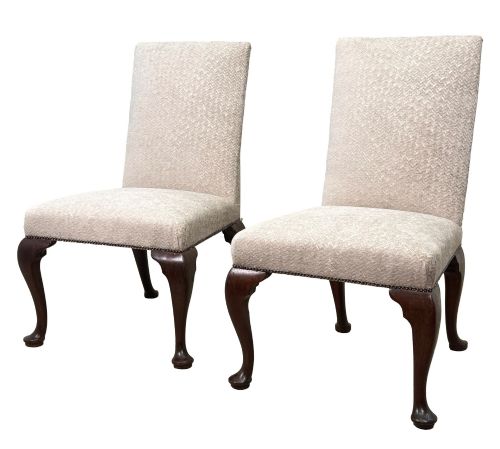
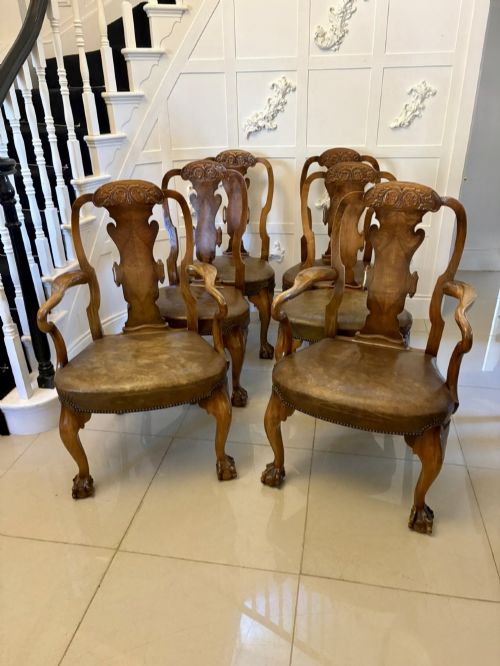
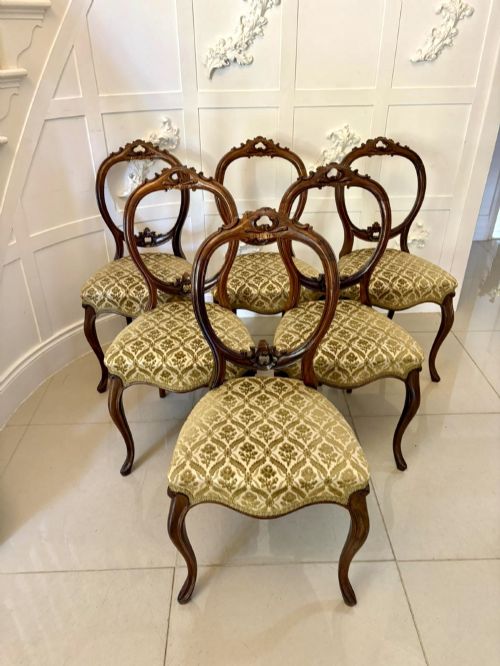
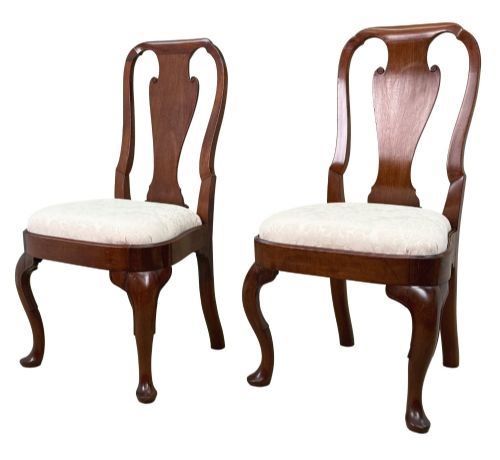
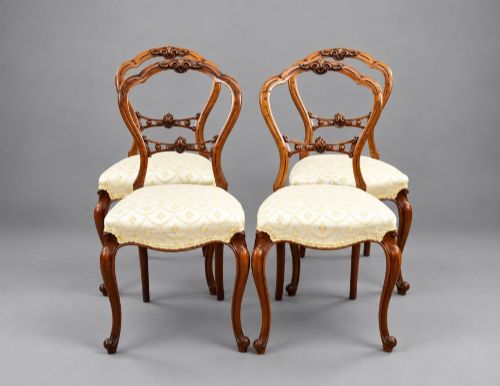
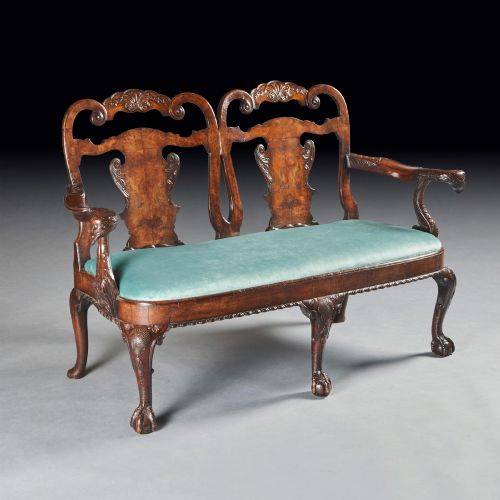
A walnut cabriole leg chair is defined by its signature curving support that swells outward at the knee and tapers inward to the foot. The selection encompasses forms ranging from early 18th-century dining seats to 19th-century Victorian parlor chairs and later revivals.
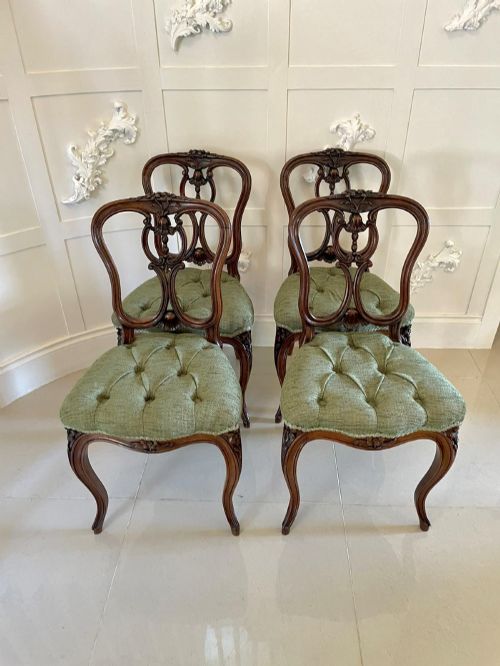
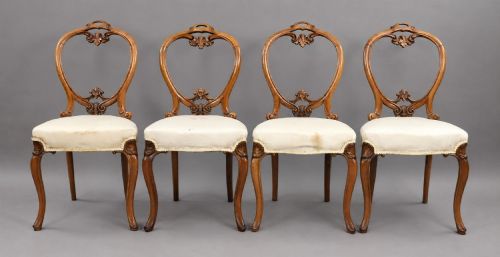
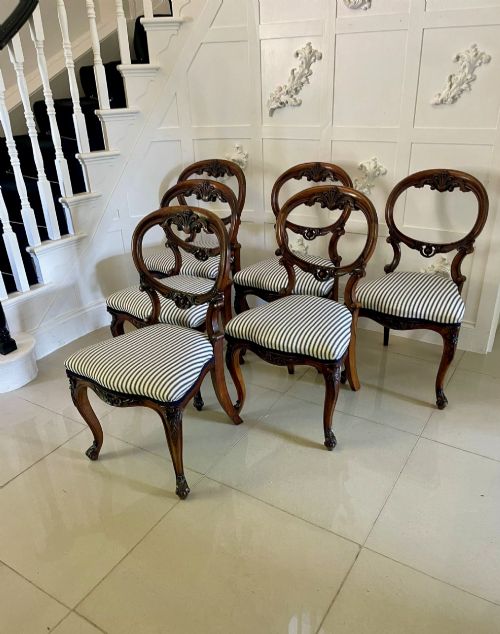
Buyers frequently encounter Victorian dining chairs and occasional seats within this category, often featuring balloon backs or carved frames. Earlier examples from the Georgian and Queen Anne periods appear alongside 20th-century revivals.
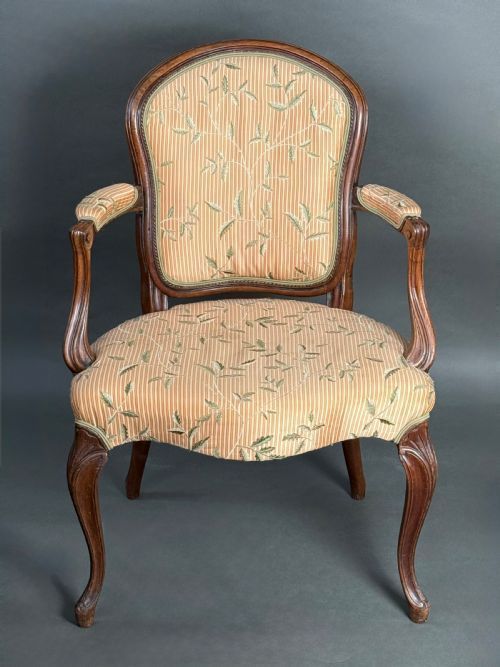
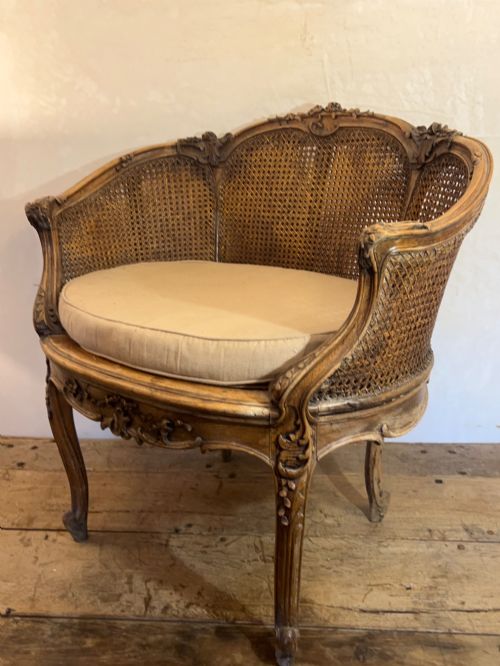
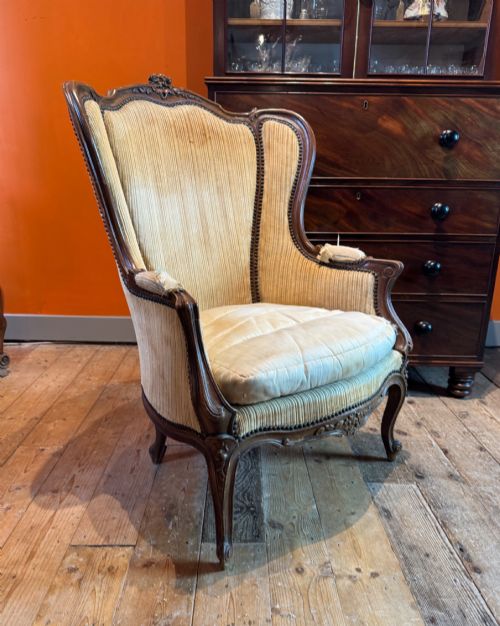
These pieces function as dining seats, library armchairs, and nursing chairs across various historical revivals including Louis XV and Rococo styles.
Distinctions in quality
The refinement of the carving on the cabriole knees and the execution of the feet separate standard examples from finer work. Crisp detailing in the timber indicates the skill of the original maker.
The integrity of the timber frame and the retention of original upholstery materials influence the standing of an individual piece within the range.
Walnut Cabriole Leg Chair Retail Price Guide 2026
Typical asking prices for walnut cabriole leg chair among the pieces listed under this phrase on Sellingantiques today, from the lower quarter to the upper quarter. They describe what is for sale here now, not the wider market.
Listings feature walnut frames paired with diverse upholstery textiles, including velvet, leather, silk, and needlepoint tapestry.
Charles Tozer
The Walnut Cabriole Leg Chair Glossary
- Cabriole leg
- A furniture support shaped with a double curve, bulging outward at the knee and tapering inward to the foot. This design originated in antiquity and gained prominence in European furniture during the 18th century.
- Burr walnut
- A figured timber obtained from the excrescences of walnut trees, yielding intricate swirling grain patterns. It was frequently applied as a veneer on high-status cabinet work and chair backs.
- Balloon back
- A rounded, oval chair back profile popular during the Victorian era. It provides ergonomic support while displaying the polished grain of the walnut frame.
- Wing armchair
- An upholstered seat featuring protective side panels designed to shield the occupant from drafts. Early examples often stand upon carved cabriole supports.
- Show frame
- A wooden structural surround left exposed around the upholstered elements of a chair. This technique highlights the quality of the polished walnut frame.
Walnut Cabriole Leg Chair: Frequently Asked Questions
How do I identify a true period piece?
Examine the construction methods, timber patination, and joinery style underneath the seat. Early pieces display hand-cut joints and distinct timber ageing.
Compare the proportion of the cabriole leg and the sharpness of any carving against documented examples from the same era.
Were these chairs used for dining?
Many examples were manufactured as sets intended specifically for dining rooms. Side chairs and armchairs were produced in matching groups to seat guests.
Single pieces often served as occasional, library, or nursing chairs in private parlours.
How should I care for the walnut frame?
Maintain the timber by dusting with a dry cloth and occasionally applying traditional wax polish. Avoid placing the chair in direct sunlight or near heat sources.
Protect the polished surface from moisture and extreme humidity fluctuations to preserve the grain.
What upholstery materials are authentic?
Original pieces utilised textiles appropriate to their period, including horsehair stuffing, leather, velvet, needlepoint tapestry, and silk damask. Later restorations often replaced these fabrics.
Assess the underlying webbing and padding to determine the history of the upholstery.