

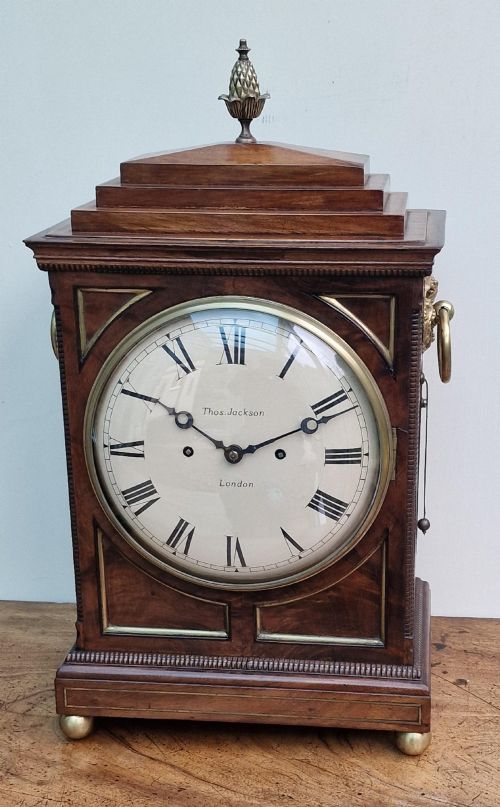
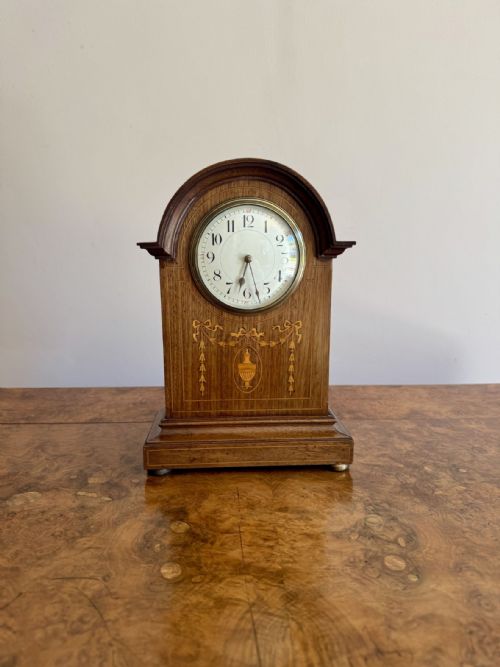

Vintage Wooden Bracket Clock
A vintage wooden bracket clock brings architectural presence and mechanical precision to a room, drawing the eye with rich timber and polished brass.
Vintage Wooden Bracket Clock
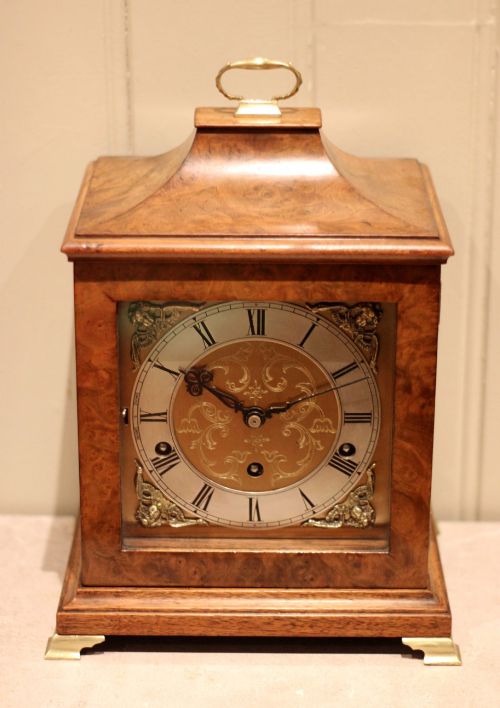
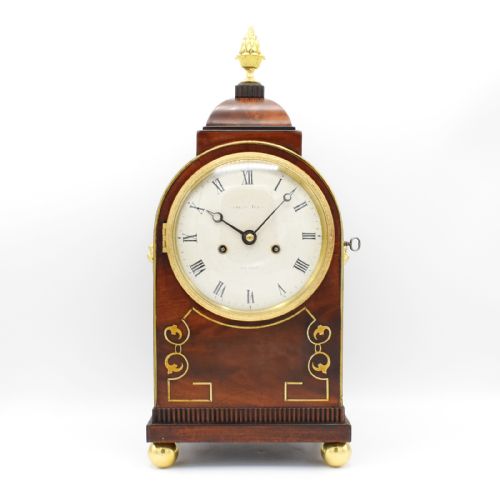
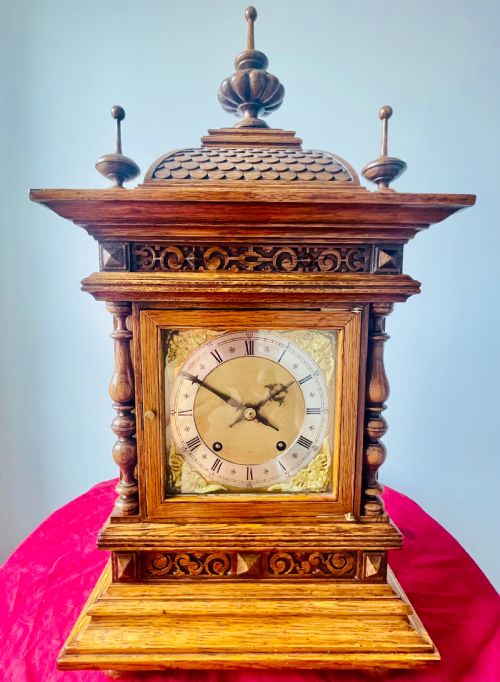
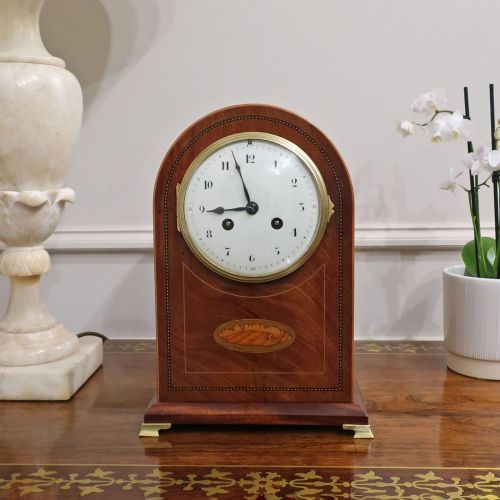
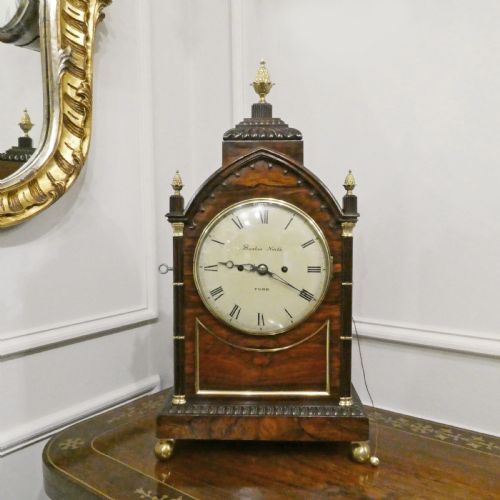
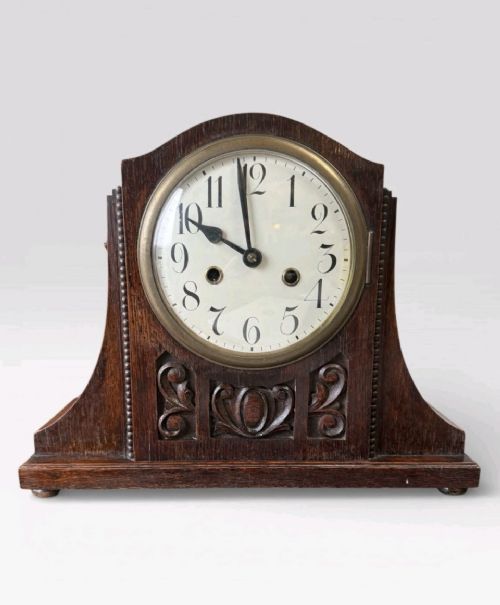
A vintage wooden bracket clock is a portable timepiece designed originally to sit upon a wall bracket or a table surface. The selection spans centuries from the Georgian and Regency eras through the Victorian period, Edwardian years, and into the 1920s and 1930s.
Mahogany forms the most common housing timber across these listings, accompanied by walnut, oak, ebonised wood, and satinwood. Many examples appear under overlapping descriptions as mantel clocks, table clocks, or library clocks.
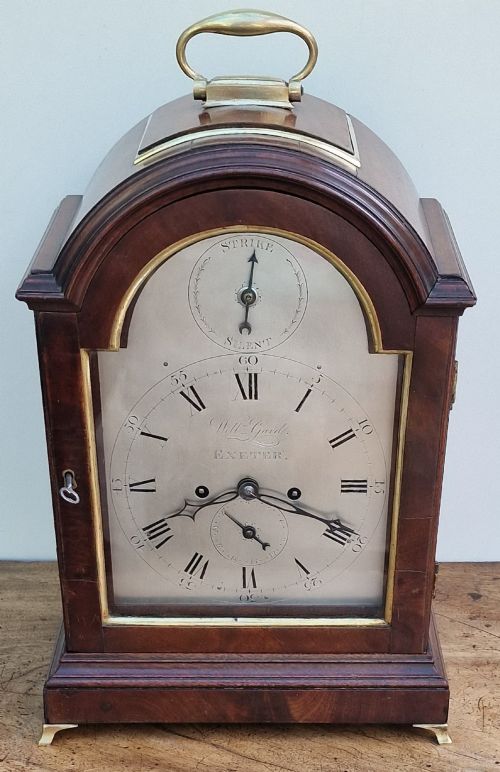
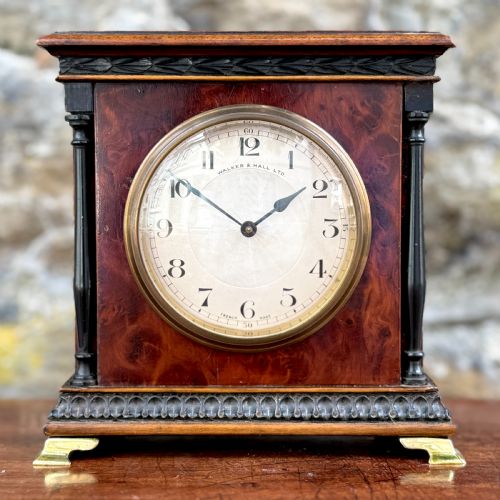
Makers and retailers range from regional English watchmakers such as William Gard of Exeter and L. Vick of Stroud to prominent firms like Mappin & Webb and Winterhalder.
How they were made
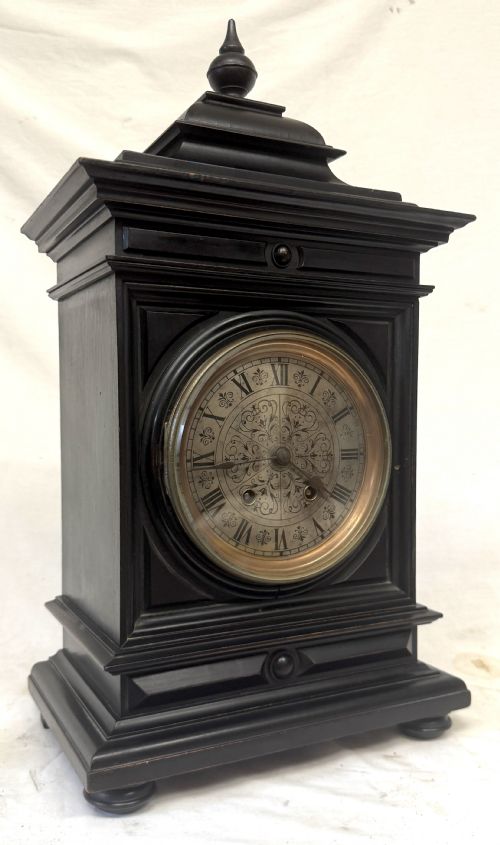
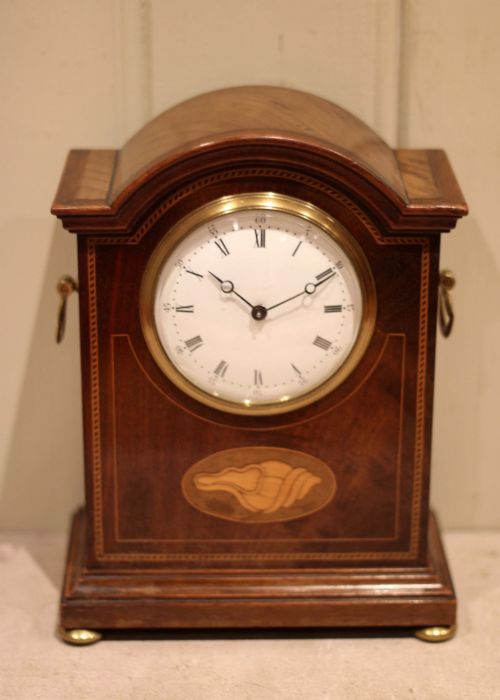
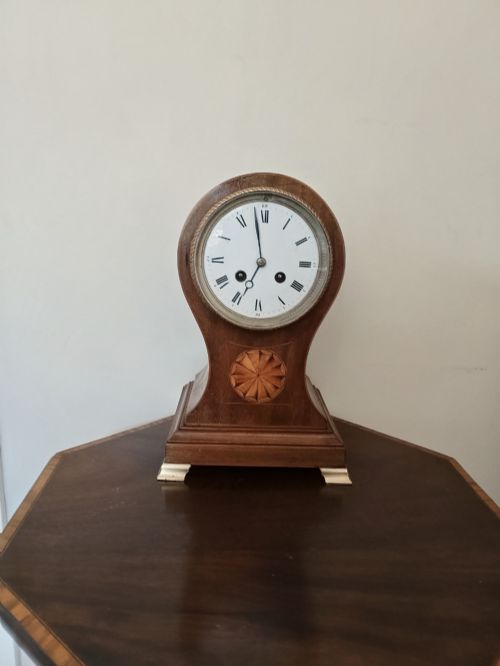
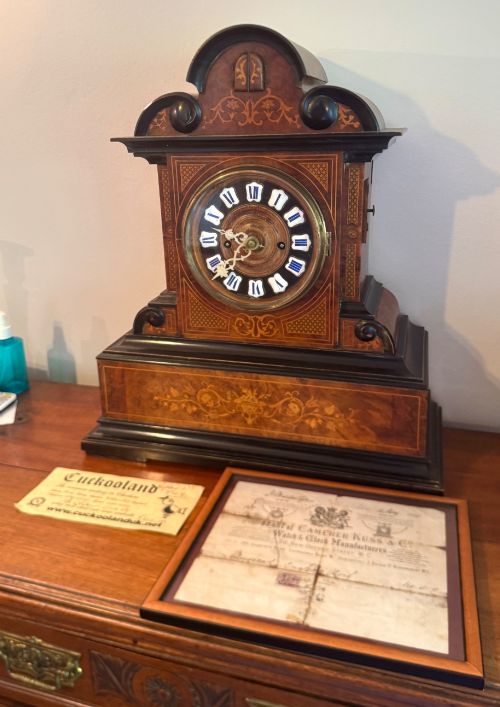
Cabinetmakers constructed the wooden cases using dense hardwoods like mahogany and walnut, frequently incorporating marquetry, stringing, and elaborate wood inlays such as satinwood and ebony. Ebonised finishes provided a dense black surface mimicking more expensive exotic materials.
The internal movements utilised brass and glass components, driven by mechanical systems including 8-day movements and fusee mechanisms. Dials featured engraved silvered plates, painted enamel, or brass chapter rings to display the hours.
The listings span eight distinct periods, from the 17th Century Revival and Georgian eras through to the 1920s and 1930s.
What varies in quality
Quality rests in the fidelity of the cabinetwork and the reputation of the horologist who signed the dial or movement. Finely figured timbers, crisp inlay work, and robust mechanical movements by established makers distinguish the superior examples from standard production pieces.
The integration of architectural revival styles, such as George II or Louis XIV influences, alongside complex striking trains like Westminster chimes, separates utilitarian timekeepers from high-status decorative objects.
Mappin & Webb·Walker and Hall·Winterhalder·Barber & North of York·L. Vick of Stroud
The Vintage Wooden Bracket Clock Glossary
- Bracket clock
- A portable mechanical clock originally designed to rest on a wall bracket to elevate it for better sound distribution and visibility. These pieces frequently double in function as table or mantel clocks.
- Fusee
- A conical pulley used in mechanical clocks to maintain an even pull on the movement as the mainspring unwinds. This device ensures consistent timekeeping accuracy throughout the running cycle.
- Silvered dial
- A metal clock face treated with a silver compound to produce a matte white or metallic finish. These dials are usually engraved with numerals and maker details.
- Marquetry
- The art of applying decorative pieces of veneer to a wooden structure to form intricate pictorial or geometric patterns. Walnut and exotic woods often showcase this technique on clock cases.
- Ting tang
- A striking mechanism utilising two bells or gongs to sound the quarters or hours with a distinctive two-note sequence. This system appears in various English and continental movements.
Vintage Wooden Bracket Clock: Frequently Asked Questions
What is a vintage wooden bracket clock?
A vintage wooden bracket clock is a portable mechanical timepiece housed in a timber case, designed to sit on a table, mantel, or dedicated wall shelf. These pieces range from Georgian and Regency library clocks to Edwardian mahogany timepieces and 1920s chiming models.
They combine cabinetmaking traditions with complex internal brass movements, featuring dials in silvered metal, enamel, or brass. Their forms reflect changing decorative tastes across multiple centuries.
How do I identify the period of a clock?
Period identification relies on a combination of timber selection, case architecture, and stylistic revival cues. Georgian and Regency pieces often feature clean mahogany cases with brass fittings, whilst Edwardian and later examples frequently utilise inlaid mahogany or oak.
Maker signatures on the dial or movement backplate provide definitive clues to the era of manufacture. Examining the joinery and hardware further clarifies whether a piece belongs to the nineteenth or early twentieth century.
Where were these clocks placed in a home?
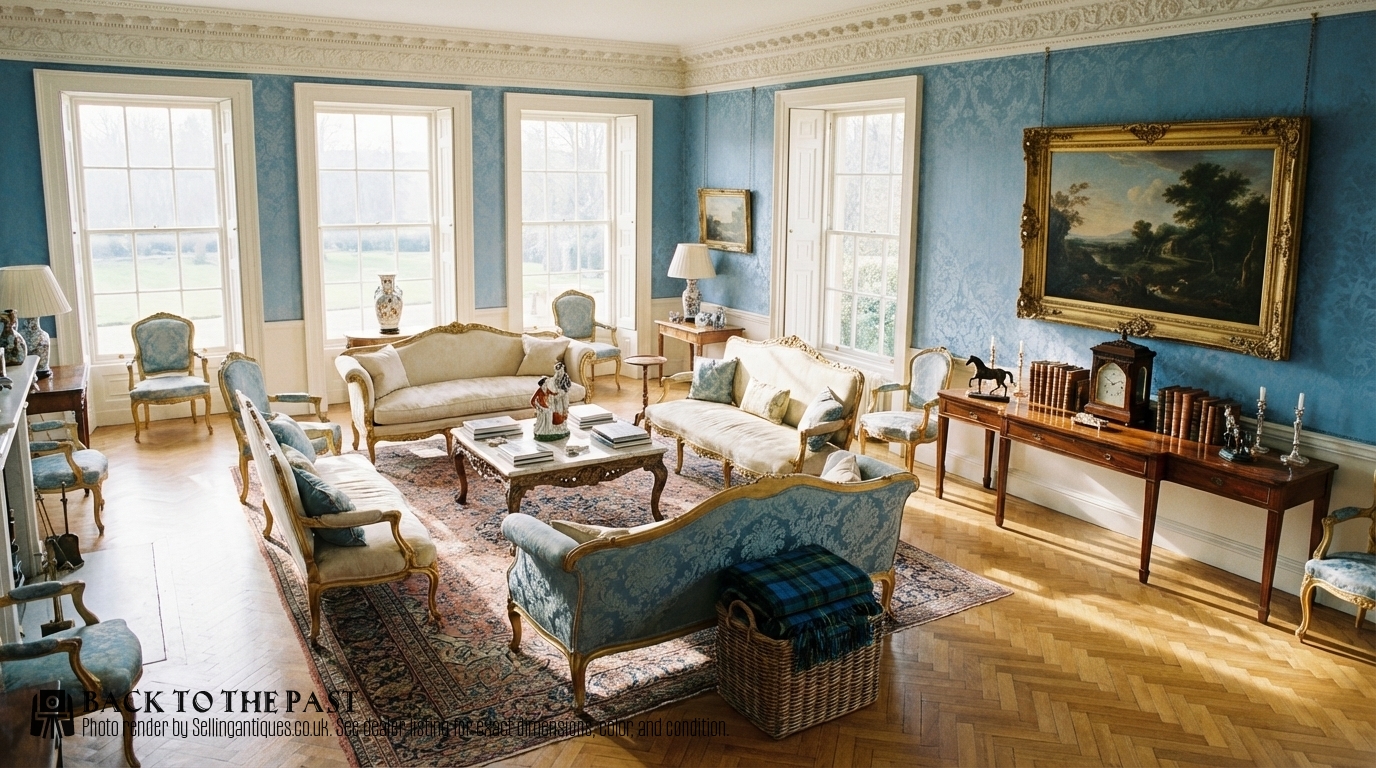
These clocks originated to sit upon wall-mounted wooden brackets, which elevated the timepiece to project sound more effectively across a room. As room layouts evolved over the centuries, owners moved them to mantelpieces, library tables, and sideboards.
Their portable nature allowed staff to carry them between rooms as needed. Today, collectors display them on desks, side tables, and mantels as functional decorative objects.
What woods were used in these clock cases?
Mahogany serves as the predominant timber across these listings, appearing in solid form as well as veneered finishes. Walnut, oak, ebonised wood, and rosewood also feature prominently in regional and high-end workshops.
Cabinetmakers frequently embellished these primary woods with contrasting stringing, satinwood, ebony, and marquetry. These materials reflect the prevailing furniture styles of the Georgian, Victorian, and Edwardian periods.