

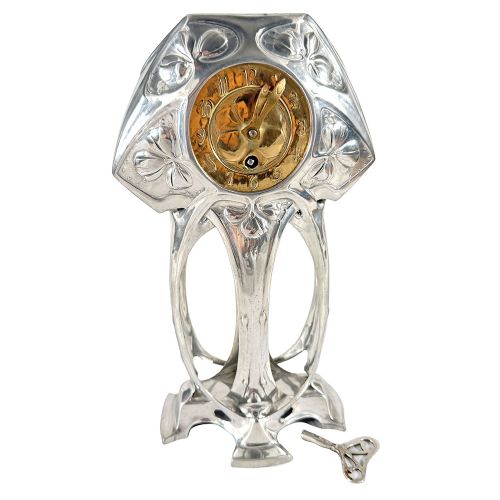
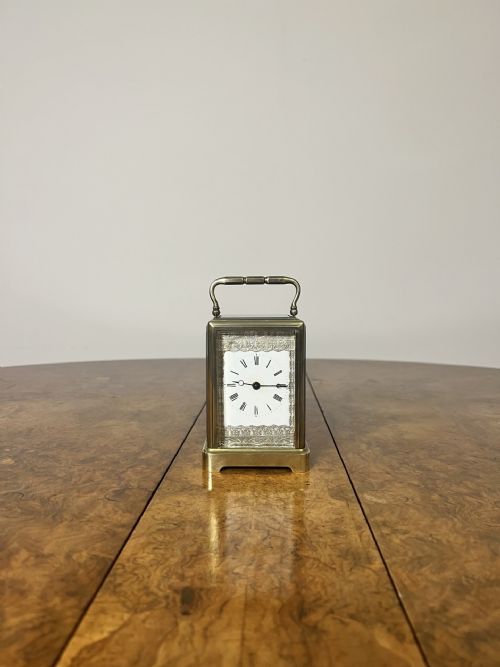


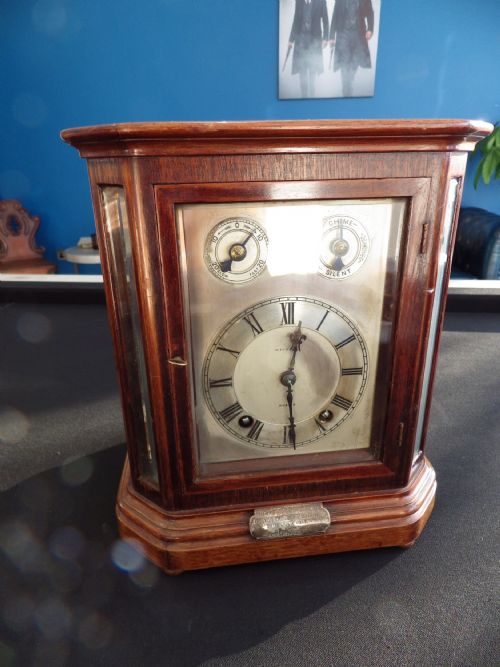


Silvered Dial Table Clock
A silvered dial table clock brings mechanical precision and understated contrast to a mantelpiece, offering a crisp metallic face set within rich timber or brass housing.
What a silvered dial table clock is
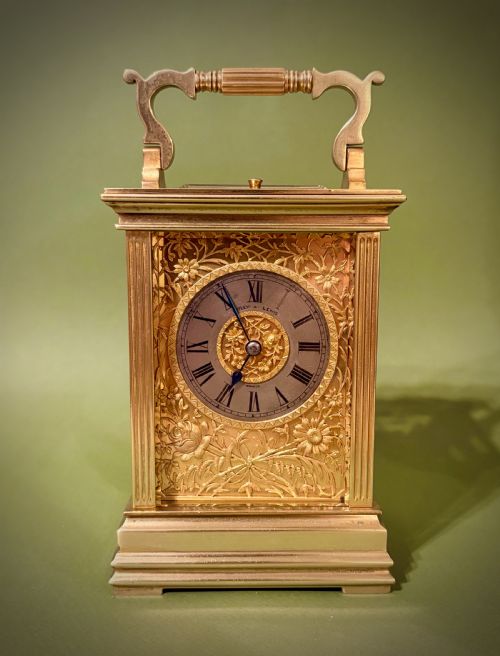
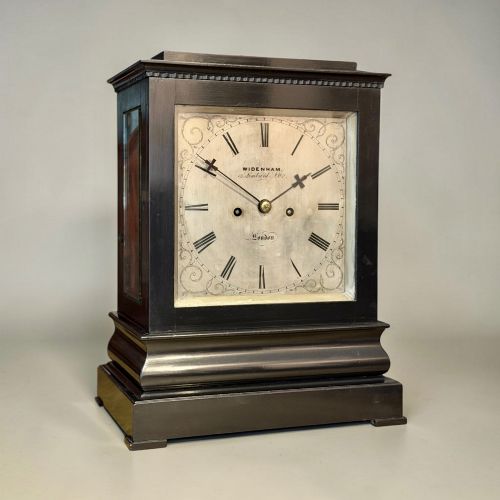
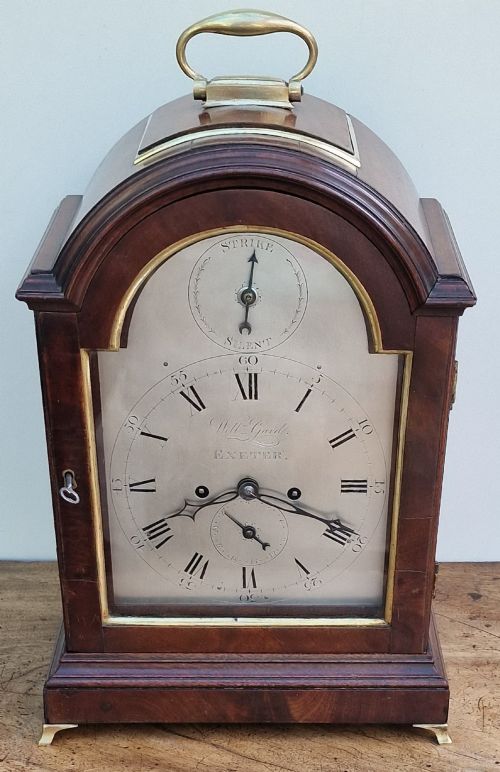
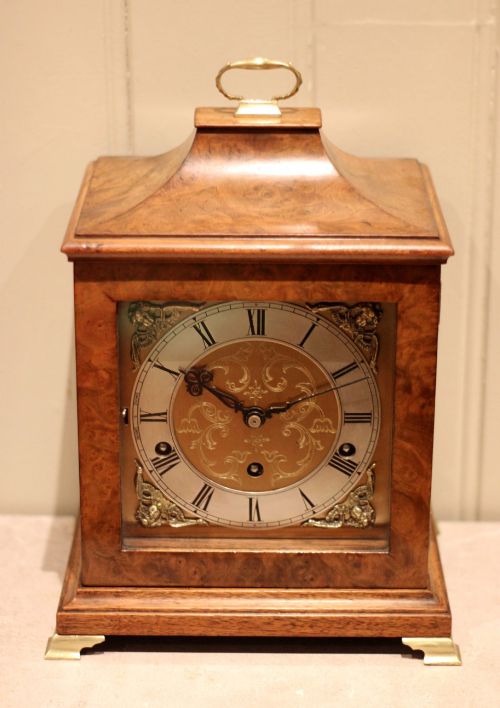
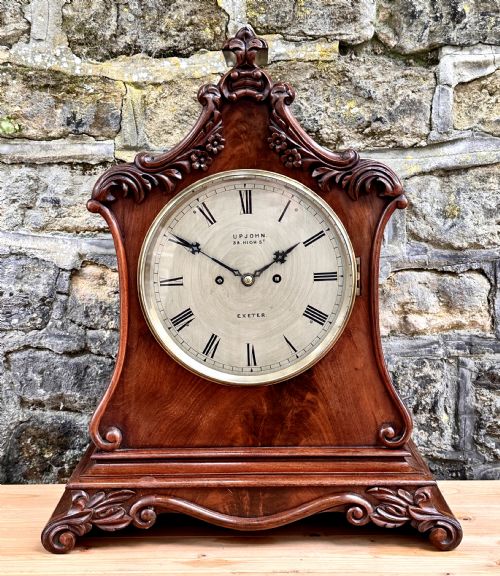
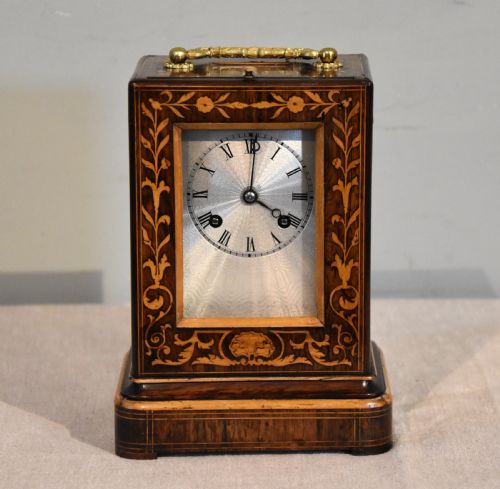
A silvered dial table clock functions as a portable timekeeper designed for domestic surfaces, commonly appearing in formats such as bracket clocks, mantel clocks, and carriage clocks. These objects span the eighteenth and nineteenth centuries, encompassing Regency, Georgian, and Victorian aesthetic traditions alongside nineteenth-century French production.
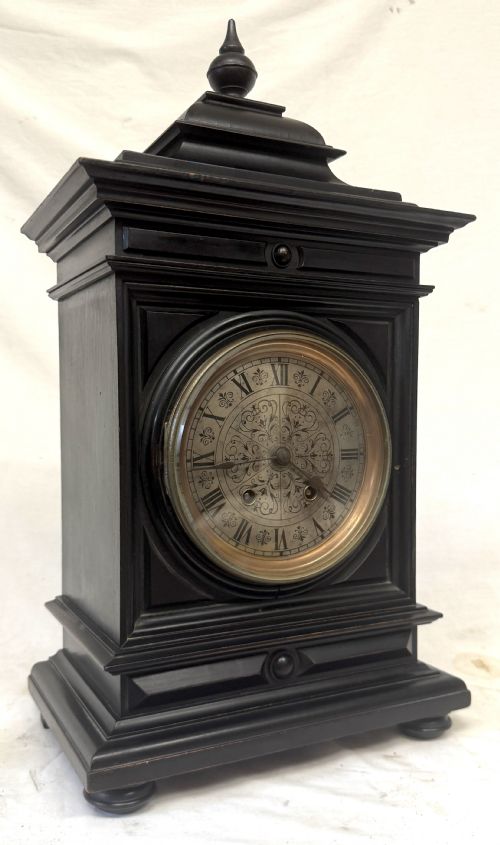
The most frequent iteration on this page is the nineteenth-century mantel or bracket clock housed in rosewood, mahogany, or ebonised wood. Alongside these timber cases, French carriage clocks and gilt brass designs appear, reflecting diverse regional horological practices of the period.
How they were made
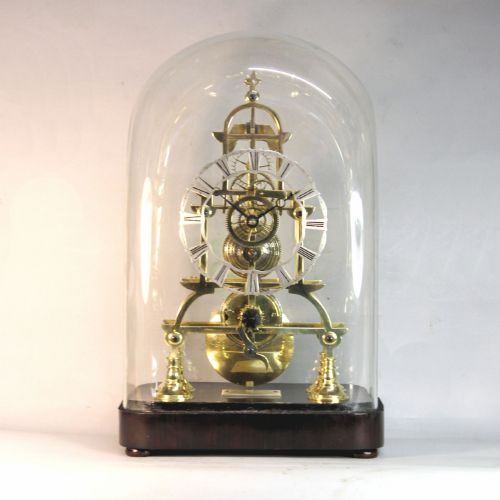
Cases combine timbers such as rosewood, mahogany, burr walnut, and ebonised wood, frequently paired with brass, gilt brass, and glass components. Metal dials receive a silvered finish to create a clear backdrop for engraved or painted numerals.
Internal movements rely on traditional mechanical construction, incorporating brass wheel trains and escapements driven by weights or springs. Fusee mechanisms appear in British bracket clocks to maintain steady power delivery as the mainspring unwinds.
Retail Price Guide 2026
Typical UK retail prices for silvered dial table clock, calculated from the Sellingantiques database of over a million retail prices indexed since 2003. This retail price guide relies exclusively on Sellingantiques data; no external sources or auction records are used, so the figures do not describe the wider market.
Materials utilised across the collection include rosewood, mahogany, burr walnut, ebonised wood, brass, glass, and silvered metal.
What varies in quality
Quality rests upon the crispness of the dial engraving and the selection of cabinet timbers, where figured rosewood or burr walnut elevates the visual weight of the case. Maker reputation also dictates standing, with documented work from established workshops commanding greater attention.
The refinement of the mechanical movement and the preservation of original components separate standard examples from superior pieces. Intricacy in casework inlay and the integrity of the silvered metal surface further distinguish higher-tier timepieces.
Des Granges of London·Perigal of London·Paul Garnier·Lenzkirch
The Silvered Dial Table Clock Glossary
- Silvered metal
- A metallic surface treated with a compound to impart a bright, frosted silver appearance. This technique provides high contrast against dark numerals on clock faces.
- Fusee
- A conical pulley used in spring-driven clocks to equalise the torque of the mainspring as it runs down. It ensures consistent force is delivered to the gear train.
- Bracket clock
- A portable spring-driven clock originally designed to sit upon a matching wall bracket or table. These pieces often feature sturdy wooden cases and carrying handles.
- Carriage clock
- A small, spring-driven timekeeper developed for travel during the nineteenth century. They typically feature glass panels and a folding handle on top.
Frequently Asked Questions
How do I wind a table clock safely?
Wind the clock using the appropriate key in the correct direction until you feel gentle resistance. Avoid over-winding to prevent strain on the mainspring.
Ensure the clock is placed on a level surface before operation to keep the escapement beating evenly.
Where should I place a bracket clock?
Position the clock on a stable mantelpiece or sideboard away from direct sunlight, draughts, and damp areas. Wood and metal components respond poorly to extreme temperature fluctuations.
Keep the piece clear of busy household traffic to prevent accidental knocks against the glass and case.
What is a fusee movement?
A fusee movement uses a conical pulley and a cord or chain to regulate the power drawn from the mainspring. This clever mechanism compensates for the drop in spring tension as it unwinds.
It remains a hallmark of better-quality British clockmaking from the eighteenth and nineteenth centuries.
How do I identify a Regency clock?
Regency clocks typically exhibit restrained classical proportions, dark mahogany or rosewood veneers, and brass stringing or inlay. The design ethos leans towards architectural simplicity and clean lines.
Matching the stylistic markers with movement characteristics helps confirm the period of manufacture.