
Vintage Walnut Mirror
A vintage walnut mirror brings rich grain and warm timber tones to a room, ranging from restrained early designs to bold revival work.
What vintage walnut mirror means
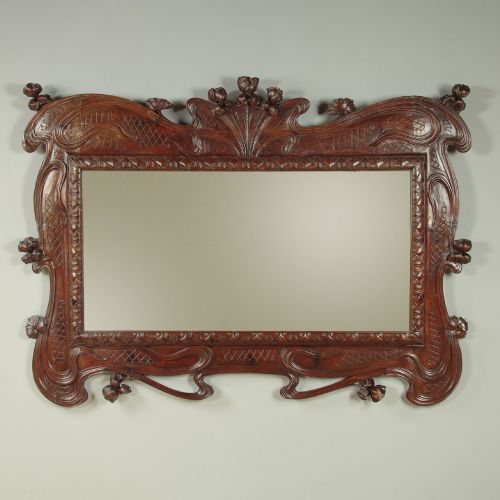
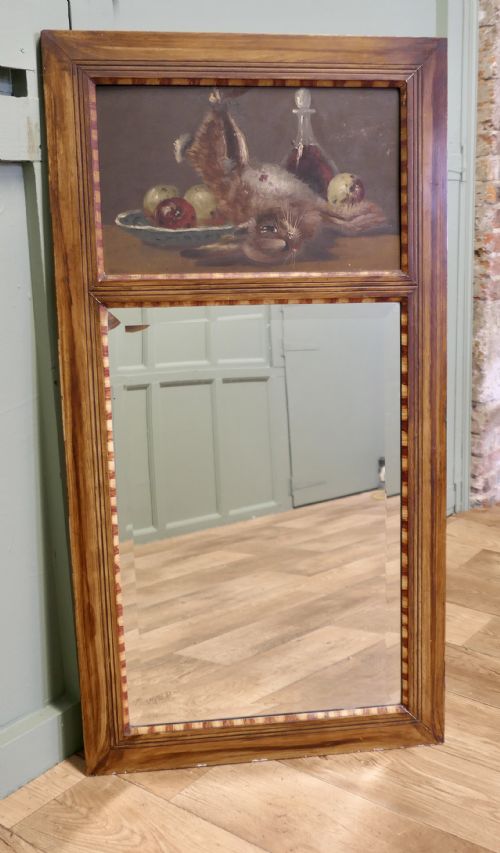
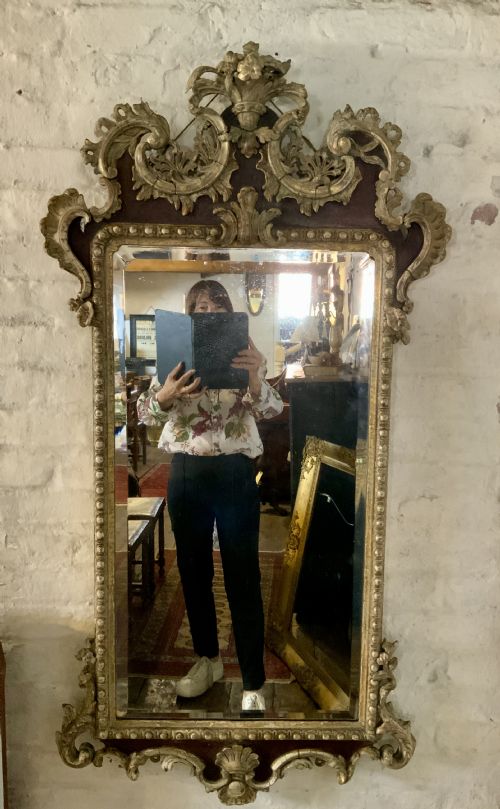
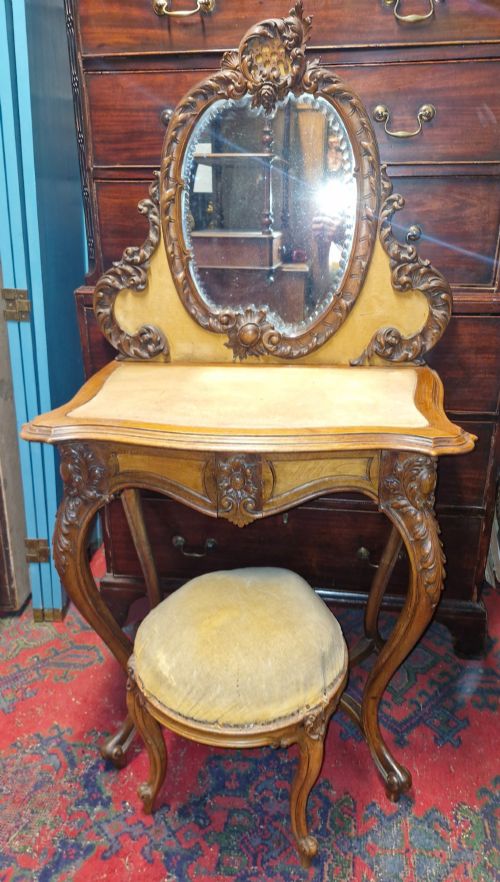
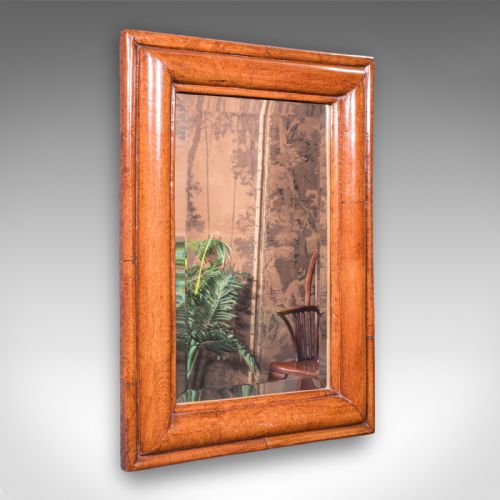
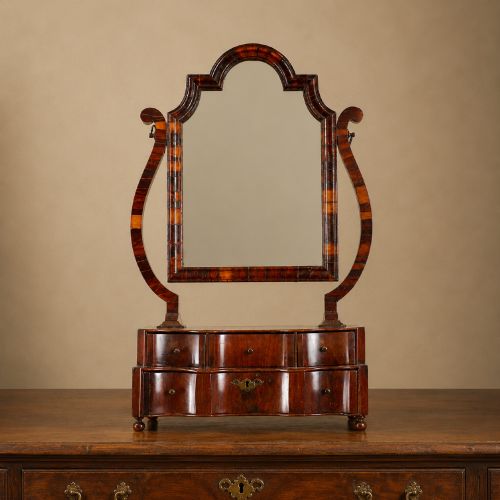
These pieces encompass wall mirrors and overmantel mirrors fashioned primarily from walnut, appearing across periods from the eighteenth century through to the early twentieth century. Buyers encountering this search phrase find significant stylistic variety, including Georgian style, Georgian revival, Queen Anne style, and Art Deco interpretations.
The most common examples on this page date from the early twentieth century, specifically around nineteen twenty and nineteen ten, drawing heavily on earlier eighteenth-century aesthetics. Pieces range from compact wall-hanging formats with fret-cut details to larger overmantel proportions suitable for positioning above a fireplace.
How they were made
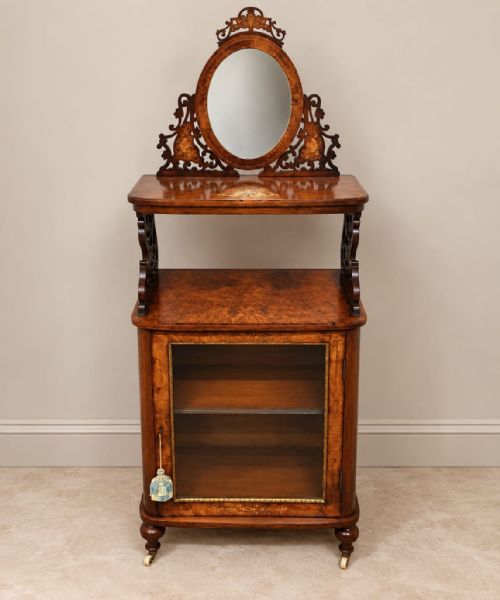
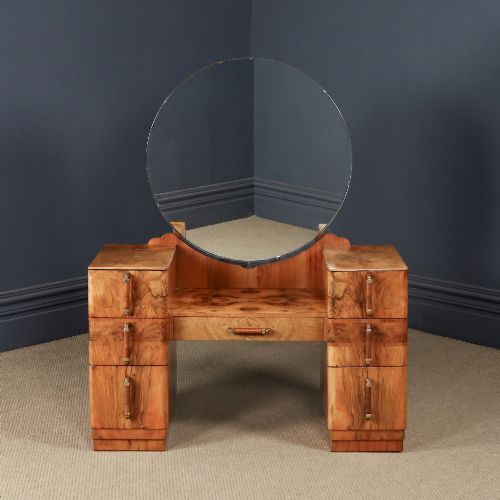
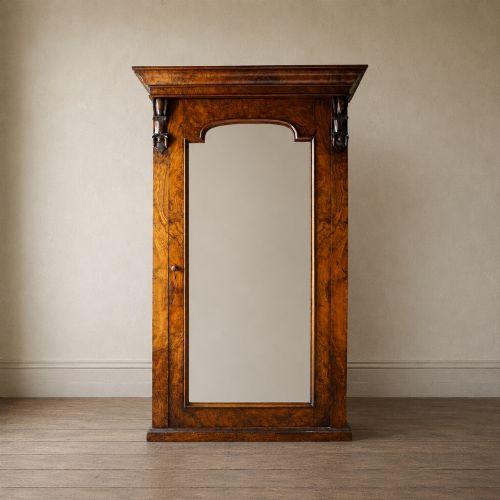
Makers utilised solid walnut and decorative burr walnut veneers applied to secondary timbers, creating rich patterns across the wooden frames. Surface decoration frequently incorporates ebonised wood details, parcel gilt highlights, and applied gold leaf to accentuate carved mouldings and fretwork edges.
Mirrors utilise traditional silvered mirror glass set within rebated wooden frames, often accompanied by inner gilt slips. Construction techniques vary from the precision joinery of eighteenth-century examples to the stylised geometric borders characteristic of nineteen-thirties Art Deco design.
Retail Price Guide 2026
Typical UK retail prices for vintage walnut mirror, calculated from the Sellingantiques database of over a million retail prices indexed since 2003. This retail price guide relies exclusively on Sellingantiques data; no external sources or auction records are used, so the figures do not describe the wider market.
Listings span five distinct periods, from eighteenth-century originals to Art Deco designs of 1930.
What varies in quality
Quality rests upon the selection of the timber veneers, where highly figured burr walnut commands greater visual presence than plain grain. The intricacy of the fret-cutting and the crispness of carved giltwood details distinguish ambitious workshop production from simpler commercial output.
The integrity of the original mirror glass and the preservation of parcel gilt surfaces heavily influence the character of each piece. Finer examples maintain harmonious proportions between the walnut frame and the reflective plate, showing balanced grain alignment throughout.
The Vintage Walnut Mirror Glossary
- Burr walnut
- A specialised wood veneer taken from the wart-like growths on walnut trees, yielding highly twisted, swirly grain patterns. It provides intense visual texture on cabinet fronts and mirror frames.
- Fret cut
- A technique where intricate patterns are pierced through thin timber using a fine saw. This creates light, decorative silhouettes typical of eighteenth-century wall mirrors.
- Parcel gilt
- A method of partial gilding where gold leaf is applied only to specific carved highlights of a wooden frame. It contrasts sharply against the dark brown tones of the surrounding walnut.
- Overmantel mirror
- A wide mirror designed specifically to hang on the wall directly above a mantelpiece. These substantial pieces often dictate the decorative scale of a reception room.
Frequently Asked Questions
How do I date a walnut mirror?
Dating relies on examining the construction methods, edge profiles, and stylistic clues inherent in the frame. Eighteenth-century pieces display distinct hand-cut joinery and aged timber patination.
Later revival pieces from the early twentieth century often utilise machine-sawn backing boards and standardised fixings while mimicking earlier stylistic vocabularies.
Where should I hang an overmantel mirror?
An overmantel mirror suits placement directly above a fireplace breast, anchoring the central focal point of a room. Its horizontal proportions reflect light across the entire space.
Ensure the wall fixings match the substantial weight of the timber frame and mirror glass.
What is burr walnut?
Burr walnut is a decorative wood veneer harvested from the irregular growths on walnut trees. It exhibits dense, swirling circular grain patterns that catch the light.
This material was favoured for high-status frames and furniture due to its striking visual complexity.
Are Art Deco walnut mirrors different from Georgian styles?
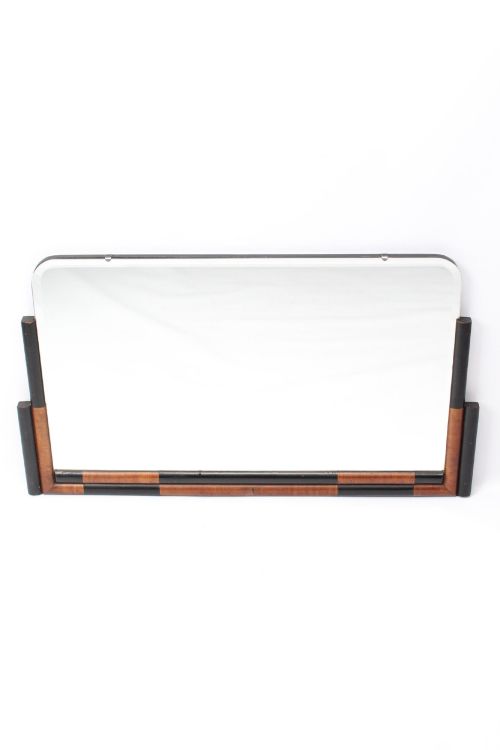
Art Deco walnut mirrors embrace streamlined geometric shapes and simplified forms characteristic of the nineteen-thirties. They often pair plain walnut with ebonised wood accents rather than traditional carving.
Georgian styles rely on symmetrical fret-cutting, gilded details, and classical architectural proportions.