
Vintage Walking Stick
These vintage walking stick examples span the Victorian and Edwardian periods, offering functional aids, novelties and blades shaped from wood, silver and brass.
Vintage Walking Stick
A vintage walking stick serves as both a traditional walking aid and a gentleman's accessory, encompassing everything from simple wooden shafts to elaborate handled canes. The selection draws heavily upon late nineteenth and early twentieth century pieces, including Victorian and Edwardian designs.
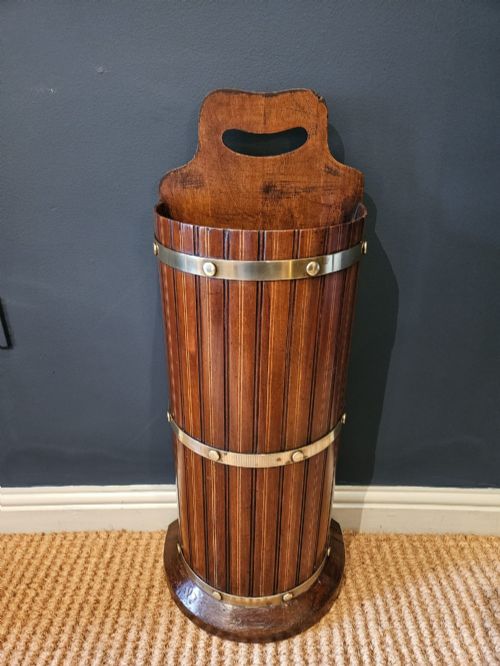
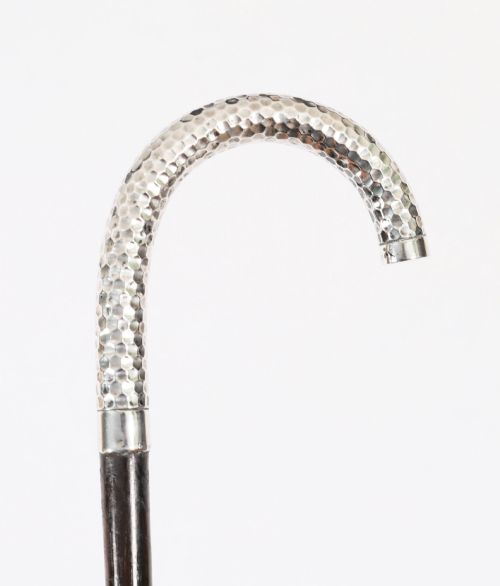
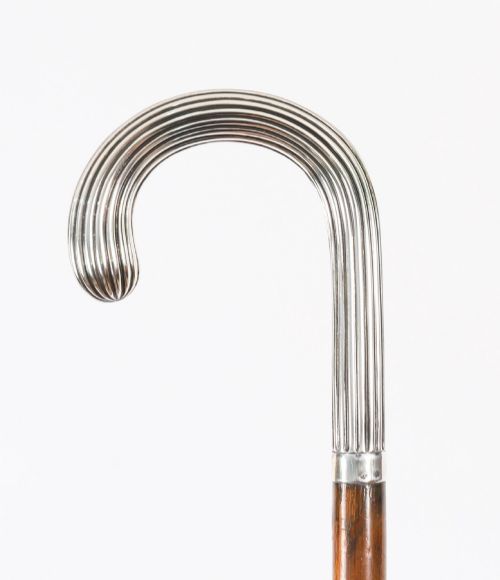
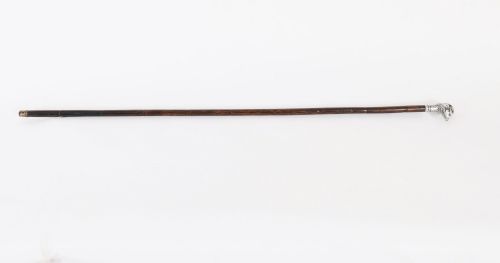
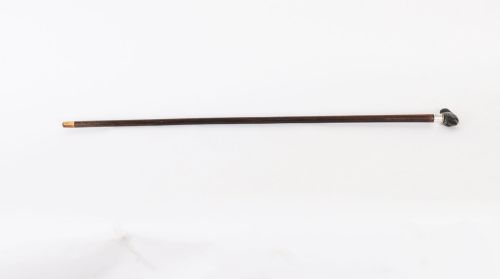
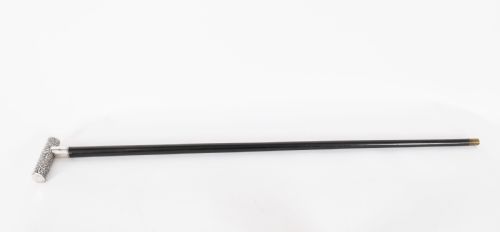
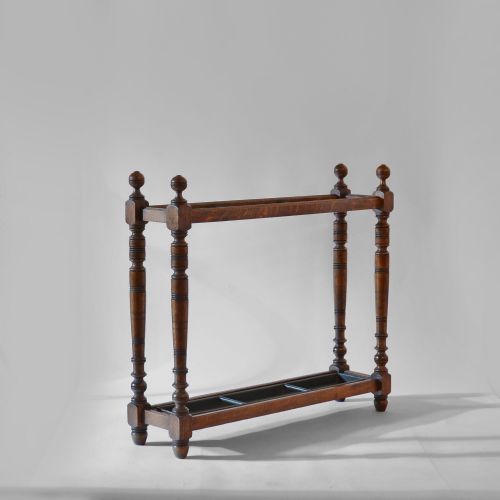
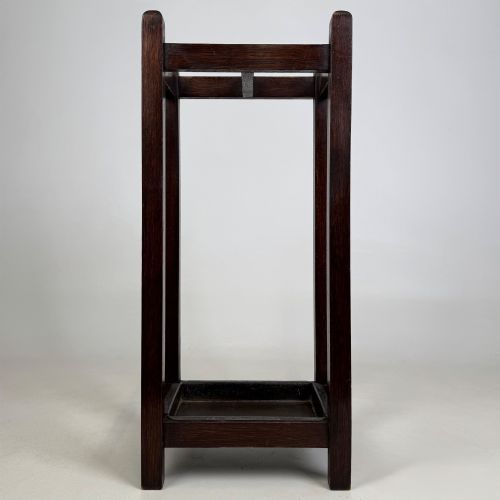
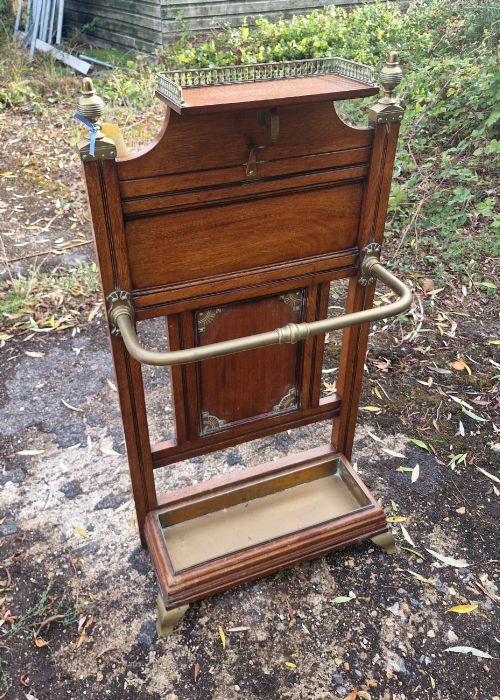
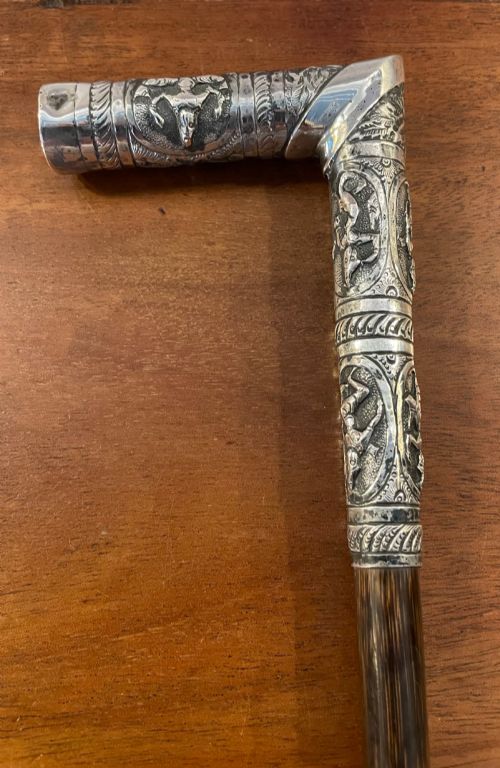
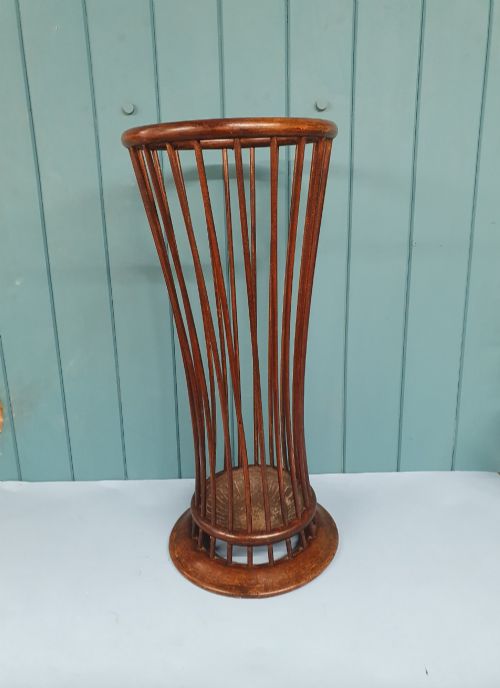
Buyers encounter numerous variations on this page, ranging from silver-mounted French canes to practical oak umbrella stands and concealed sword sticks. Handle designs feature animal motifs such as ducks, greyhounds and horses, alongside novelty parrot carvings and porcelain details.
Materials and construction methods
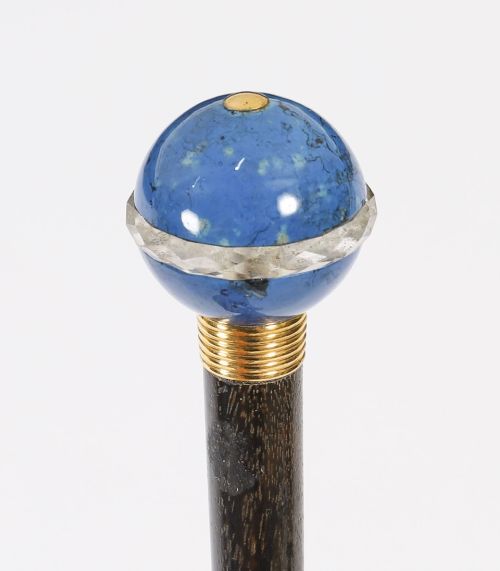
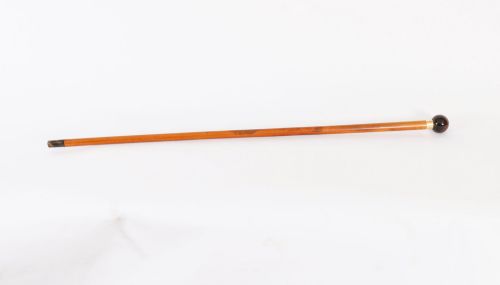
Shafts rely on natural timbers such as oak, hazel, partridge wood, cherrywood and bamboo, whilst handles and mounts incorporate sterling silver, gold pommels, brass and copper. Metal blades from makers like Wilkinson and Toledo feature inside concealed sword sticks.
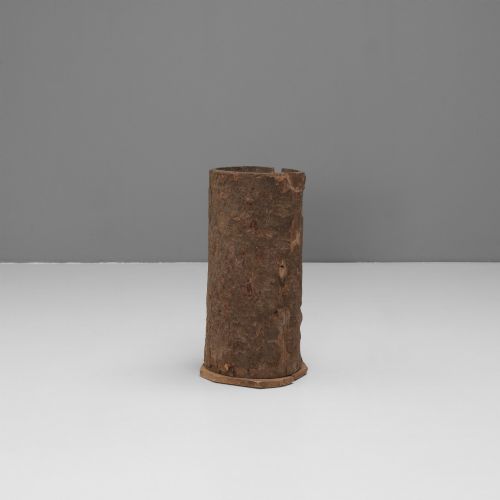
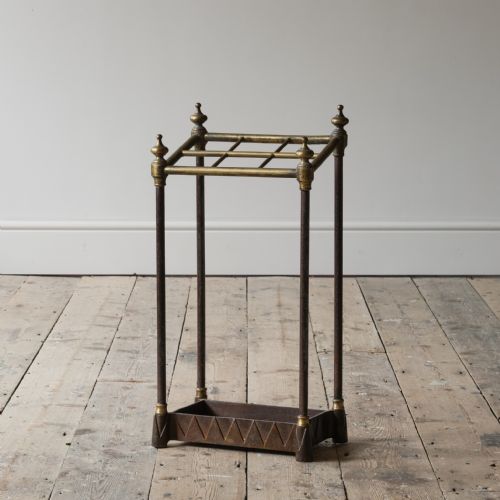
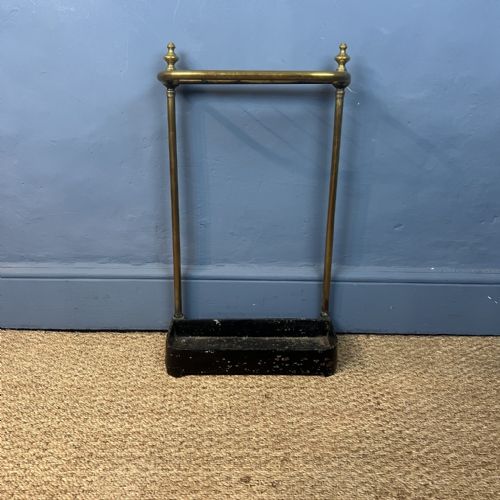
Stands utilise cast iron, brass and oak to create sturdy vessels for hallway storage, often including original metal drip trays. Decorative canes employ intricate silver wire work, Chinese export silver and porcelain components.
Several walking sticks double as petrol cigarette lighters or hide carved parrots.
Evaluating the craftsmanship
Quality rests in the precision of the handle's carving and the security of the precious metal mounts attached to the shaft. Fine examples display crisp detailing on silver duck heads or porcelain insets rather than softened casting.
The integrity of the internal blade mechanisms in sword sticks and the original condition of hallmarking or maker signatures dictate the standing of a piece within the range.
Briggs·Thomas Johnson·Wilkinson·Coalbrookdale
The Vintage Walking Stick Glossary
- Pommel
- The ornamental handle on the upper end of a walking stick. These often take the form of metal caps or carved animal heads.
- Sword stick
- A cane featuring a concealed blade fitted securely within the wooden shaft. Many historic versions contain maker-marked steel blades.
- Knobkerrie
- A traditional southern African wooden throwing club and walking weapon. Examples from around nineteen hundred appear occasionally.
- Drip tray
- A removable metal basin placed at the base of a stick stand to catch moisture from wet umbrellas. Original trays retain utility for collectors.
- Half moon design
- A demi-lune configuration used in brass and cast iron stick stands to sit flush against a hallway wall.
Vintage Walking Stick: Frequently Asked Questions
How do I spot a sword stick?
A sword stick typically conceals a steel blade inside the wooden shaft, often released by a subtle screw or catch mechanism near the collar.
Examination of the seam where the handle meets the shaft reveals the join of the hidden compartment.
What materials were used for handles?
Handles incorporate sterling silver, gold, brass, porcelain and carved wood shaped into animals or decorative knobs.
Silver mounts frequently carry hallmarks dating the metal to the Victorian or Edwardian eras.
How should I store a stick stand?
Hallway stands made from oak, cast iron or brass require stable indoor humidity to protect the timber and metal components.
Keeping the original metal drip tray clean prevents moisture from damaging the base of the stand.
Are these sticks suitable for daily use?
Whilst many Victorian and Edwardian canes remain sturdy, antique shafts require careful handling to preserve delicate silver mounts and historic wood.
Sticks with concealed blades or fragile porcelain handles are generally preserved as collectors' items rather than utilised for active support.