



Decorative Walking Cane
A decorative walking cane is a practical accessory turned object of display, blending craftsmanship with utility across the nineteenth and early twentieth centuries.
Decorative Walking Cane
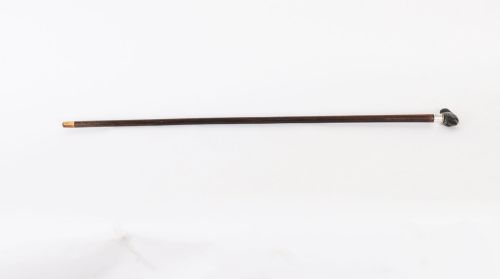
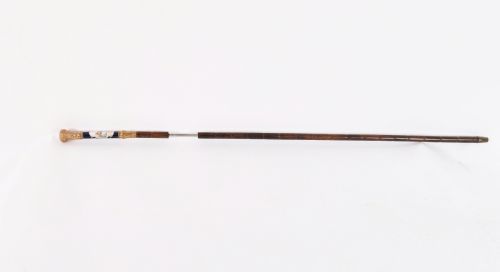
A decorative walking cane encompasses various styles including Victorian, Art Deco, Art Nouveau, and East Asian designs. You will encounter forms ranging from standard walking sticks to specialised sword sticks and supporting stick stands.
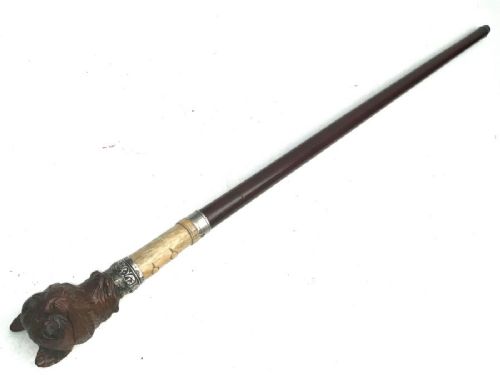
The materials span from traditional hardwoods and bamboo to metal mounts in silver and brass, alongside horn, bone, and ceramics. Handles feature intricate novelties like carved parrots, porcelain plaques, or antler grips.
Pieces originating from France and England sit alongside Dutch traditional and East Asian pieces. The selections reflect the varied social tastes of the nineteenth century and the early decades of the nineteen hundreds.
Materials and construction methods
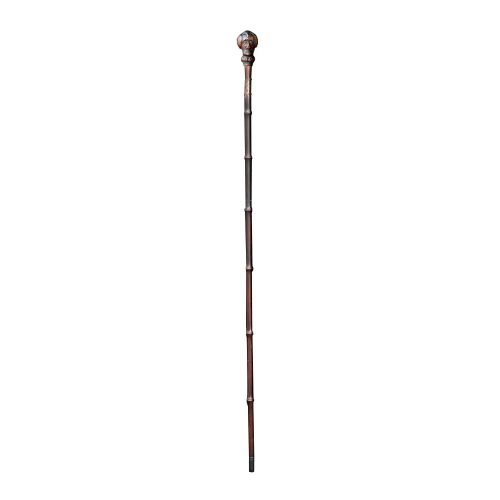
Makers utilised resilient timbers such as hardwood and malacca for the main shafts, sometimes covering hafts in snakeskin or bamboo. These materials provided the necessary strength while remaining suitable for daily gentlemanly use.
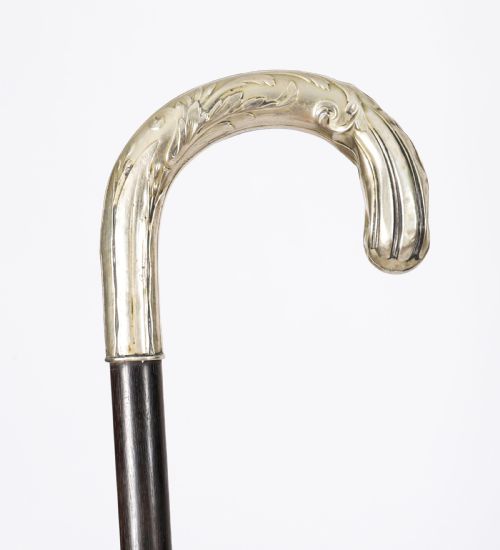
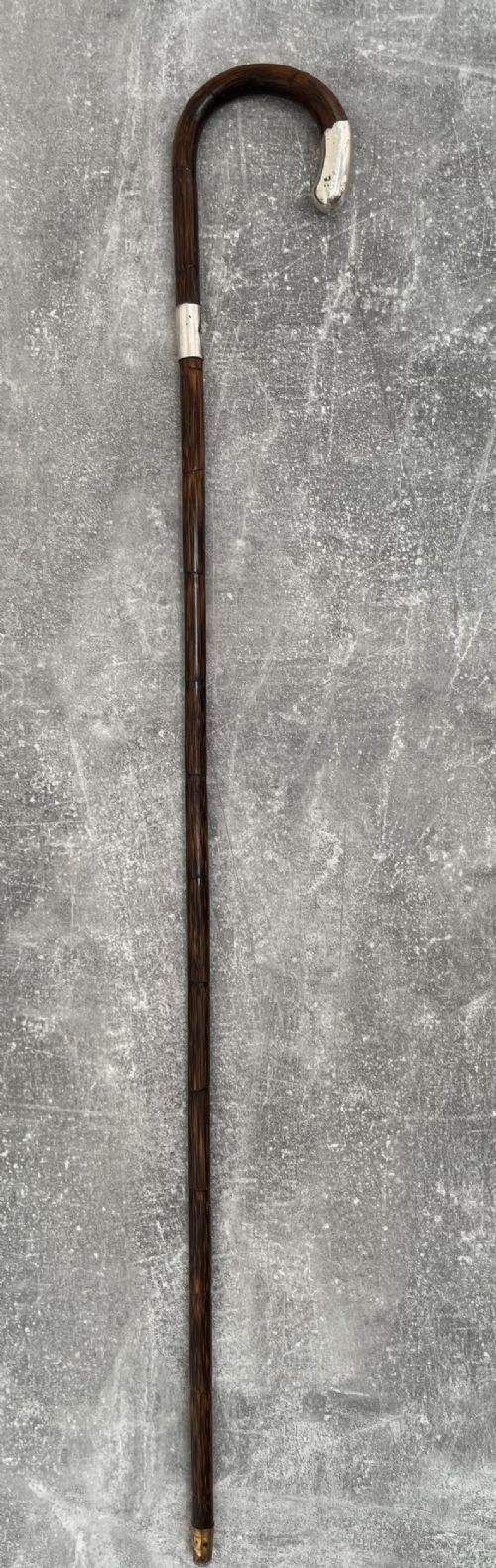
Handles and mounts required specialised metalworking and carving skills, incorporating embossed silver, gold plating, and cast brass. Artisans also applied materials like horn, bone, and Sevres porcelain to create distinctive decorative terminals.
The selection includes pieces from the Victorian era, Art Nouveau, and Art Deco periods, utilising silver, brass, hardwood, horn, and porcelain.
Distinguishing quality in canes and sticks
Superior examples demonstrate refined detail in handle carving, such as the sculptural depth found in novelty animal heads or porcelain inserts. The integration of precious metals like silver and gold plating elevates the standard above basic utilitarian versions.
The execution of hidden mechanisms in sword sticks and the quality of surface materials, including specialised coverings and dense hardwoods, define the upper tier of craftsmanship. Consistency in proportion and secure mounting of the handle mark superior workshop production.
The Decorative Walking Cane Glossary
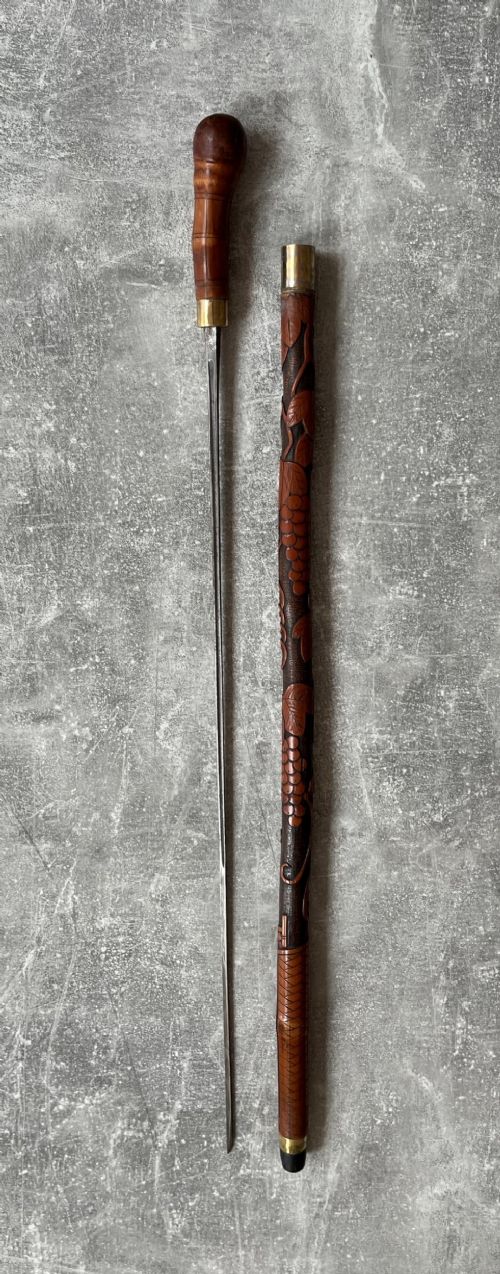
- Sword stick
- A walking cane concealing a blade within its wooden shaft. This dual-purpose item was popular among gentlemen for personal protection during the nineteenth century.
- Malacca
- A sturdy rattan cane imported from Southeast Asia, prized for its mottled brown surface and strength. It served as a favoured material for high-end walking stick shafts.
- Stick stand
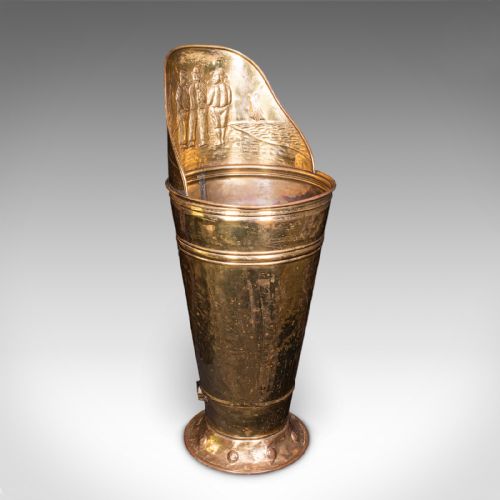
- A piece of furniture designed to hold walking canes and umbrellas upright in a hallway. Examples were produced in materials like brass and ceramic faience.
- Sevres porcelain
- Fine ceramic ware produced by the French factory, often incorporated into luxury cane handles. These decorated plaques display detailed painting and gilding.
Decorative Walking Cane: Frequently Asked Questions
What is a sword stick?
A sword stick is a walking cane that conceals a metal blade inside the hollow wooden shaft. The blade is typically released by a catch or a simple pull mechanism.
These pieces were carried by gentlemen in the nineteenth century for self-defence and as a mark of status.
How do I date a walking cane?
Dating relies on stylistic clues such as Art Nouveau or Art Deco motifs, alongside metal hallmarks where silver or gold plating is present. Materials like specific types of porcelain or horn also point to particular decades.
Examining the construction methods and any remaining maker marks helps narrow down the period of manufacture.
Were these canes used daily?
Many walking canes served as practical daily accessories for walking outdoors, functioning as support or simply as fashion items for gentlemen. Finer versions with delicate porcelain or novelty handles were often reserved for formal display or urban promenades.
Sturdier timbers like malacca and hardwood ensured the sticks could withstand regular handling.
What are stick stands used for?
Stick stands provided a designated place in entrance halls to store walking canes, umbrellas, and parasols. They kept hallways tidy and displayed a household's collection of accessories.
Materials ranged from polished brass to ceramic faience, matching the interior decorative style of the home.