


Carved Silver Walking Stick
A carved silver walking stick brings together sculptural metalwork and sturdy timber, offering both support and a distinct talking point for the collector.
Carved Silver Walking Stick
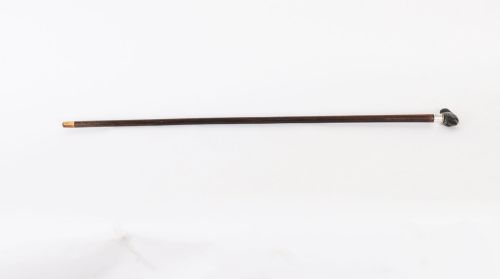
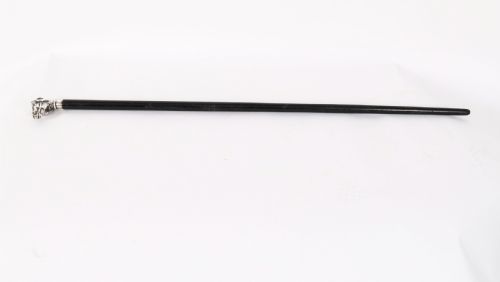
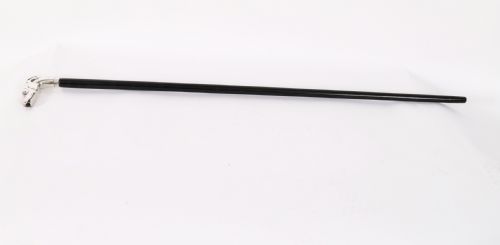
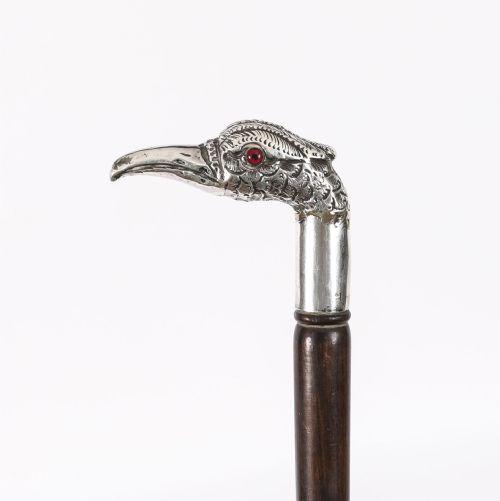
A carved silver walking stick combines a functional shaft with an ornate metal handle, often shaped as an animal, a bird, or a bespoke novelty form. These pieces emerge across the nineteenth century and the Edwardian era, spanning Victorian, Art Deco, and Asian Export styles.
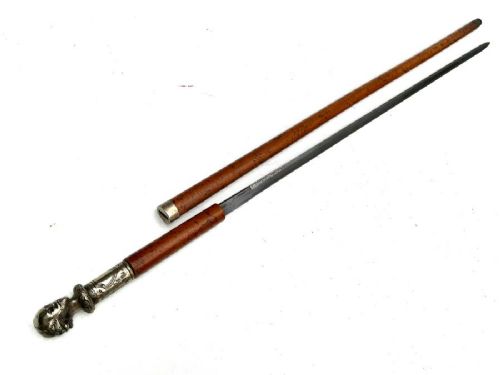
The most common examples on this page are nineteenth-century silver-mounted canes with detailed animal heads, alongside bamboo, hardwood, and ebonised wood shafts. Many incorporate hidden compartments, functioning as sword sticks, snuff boxes, or gadget canes.
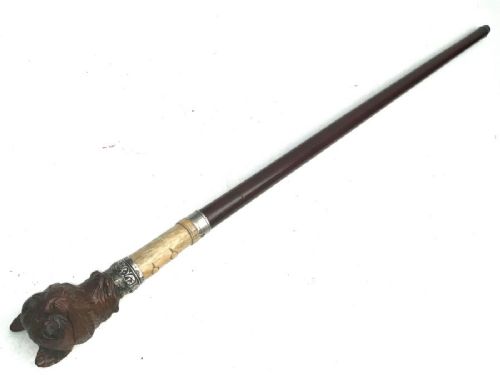
Makers and origins range from English workshops and French silversmiths to German military suppliers and Chinese export artisans. Collectors encounter everything from plain embossed silver tops to sculptural handles depicting dogs, horses, boars, and rabbits.
How they were made
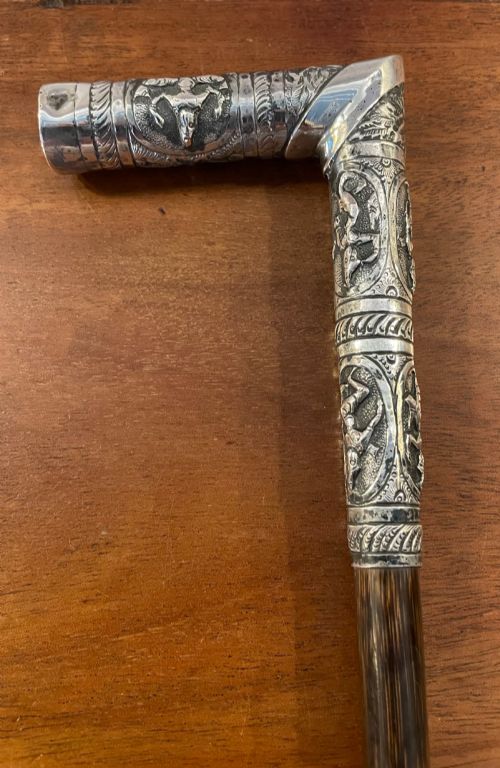
Handles are formed from silver, silver plate, or Asian silver, shaped through casting, chasing, and embossing. Silversmiths render fine details on animal heads, foliage, and geometric Art Deco motifs.
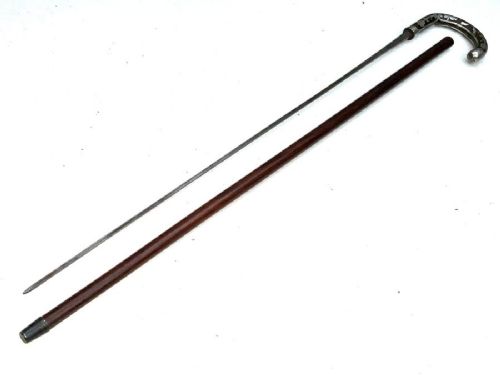
Shafts rely on organic materials such as bamboo, malacca, hardwood, ebonised wood, horn, and natural timber forms. These are fitted with steel tips or integrated blades in sword stick variants.
Several handles take the surprising form of a four leaf clover, a rabbit, or a golf club.
What varies in quality
The complexity of the mechanism distinguishes standard canes from gadget sticks, such as hidden corkscrews, snuff boxes, or sword blades that require exact engineering to sit flush within the shaft.
BRIGG·Henry Borlase Stevens
The Carved Silver Walking Stick Glossary
- Gadget cane
- A walking stick that conceals a functional tool or compartment within the shaft or handle. Examples include concealed blades, corkscrews, and snuff boxes.
- Sword stick
- A specialised walking cane that houses a hidden steel blade secured within the wooden shaft. This form sees military and civilian use across the nineteenth and early twentieth centuries.
- Embossed silver
- Metalwork raised into relief by hammering or pressing from the reverse side. This technique decorates many nineteenth-century handle tops.
- Asian silver
- Silver alloy standards produced in regional workshops for export to Western markets. It frequently appears on canes originating from China and surrounding regions.
- Ebonised wood
- Timber treated with a dark finish to imitate ebony. It provides a dense, uniform black shaft for silver-mounted handles.
Carved Silver Walking Stick: Frequently Asked Questions
What is a gadget walking stick?
A gadget walking stick conceals a functional item, such as a hidden blade, a corkscrew, or a compartment for snuff, within the wooden shaft or beneath the handle.
These pieces combine everyday utility with hidden engineering, designed for discreet use by nineteenth-century gentlemen.
How do I identify a sword stick?
A sword stick integrates a steel blade securely locked inside the wooden or bamboo shaft, releasing through a catch or screw mechanism at the collar.
Such pieces are associated with military officers and civilian protection during the nineteenth and Edwardian periods.
What materials make up the shafts?
Shafts utilise natural and finished materials including bamboo, malacca, hardwood, horn, and ebonised wood, chosen for their straightness and resilience.
Durability and flexibility determine which timber supports a heavy silver or novelty handle.
Are these canes meant for daily use?
While originally built for support and carriage, surviving antique canes are now collected as historical objects and works of decorative art.
Their age, delicate silver mounts, and internal mechanisms make them better suited for display than heavy everyday weight-bearing.
How do animal handle styles differ?
Animal handles range from realistic interpretations of greyhounds, horses, boars, and pheasants to whimsical novelty carvings like parrots and hares.
Victorian and Edwardian silversmiths utilised different casting and chasing methods to achieve these varied sculptural forms.