


Vintage Table Chime
These vintage table chime pieces bring melodic sound and timekeeping to a room, ranging from brass dinner gongs to chiming bracket clocks.
Vintage Table Chime
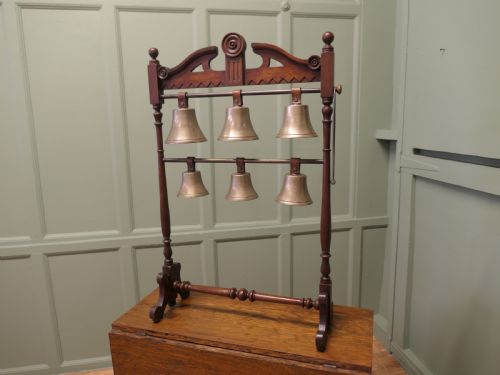
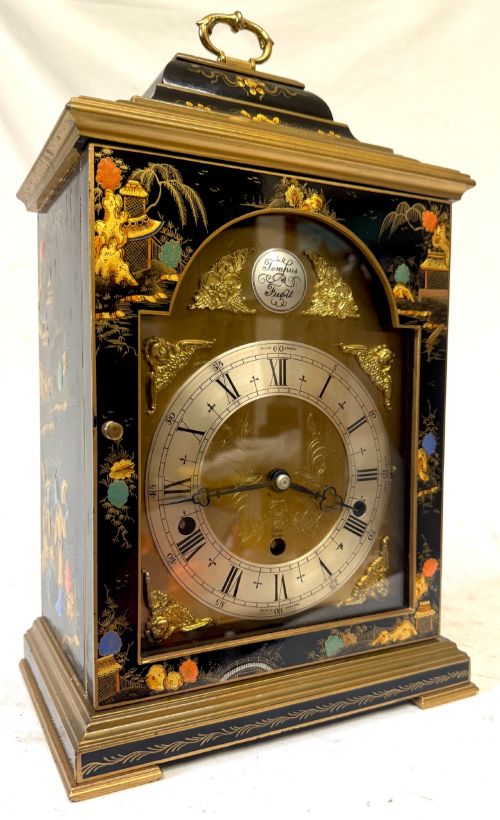
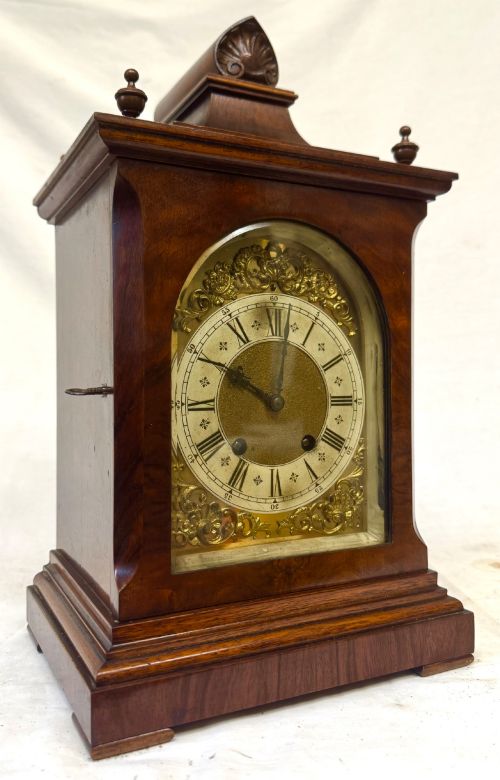
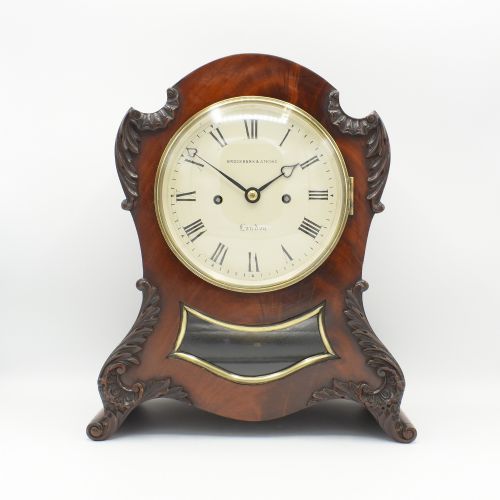
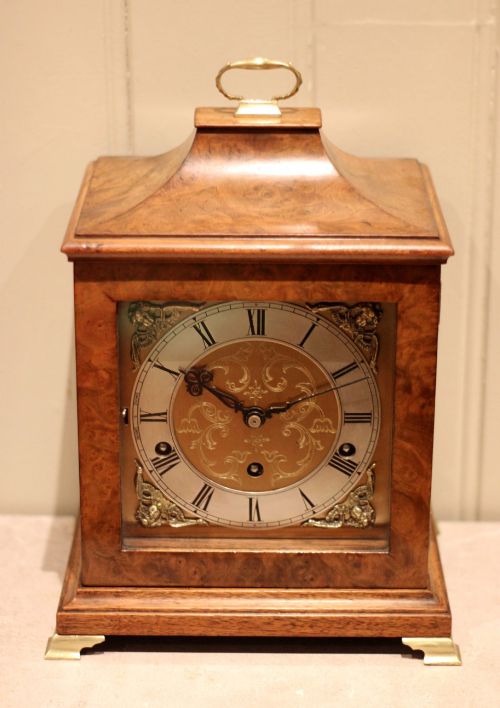
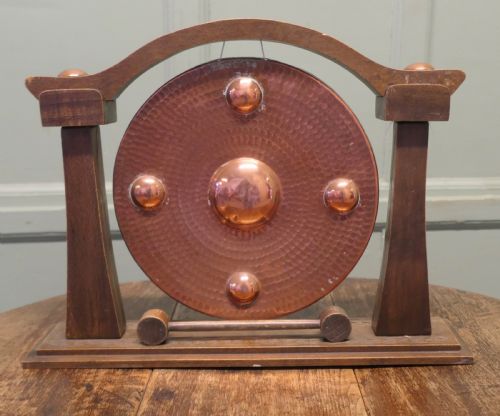
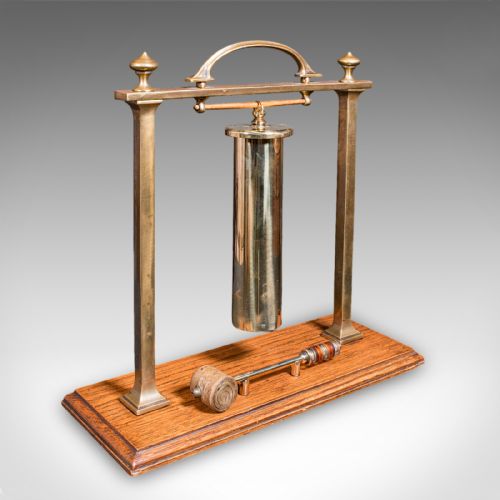
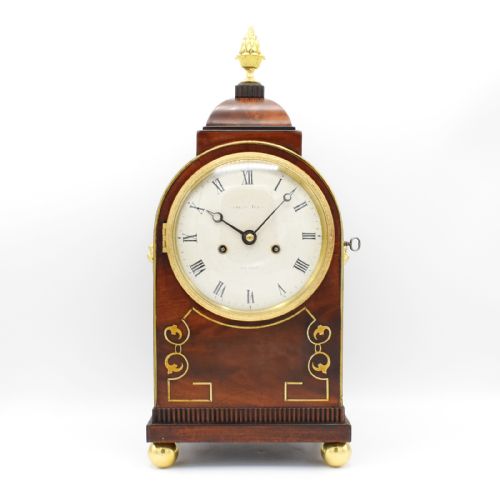
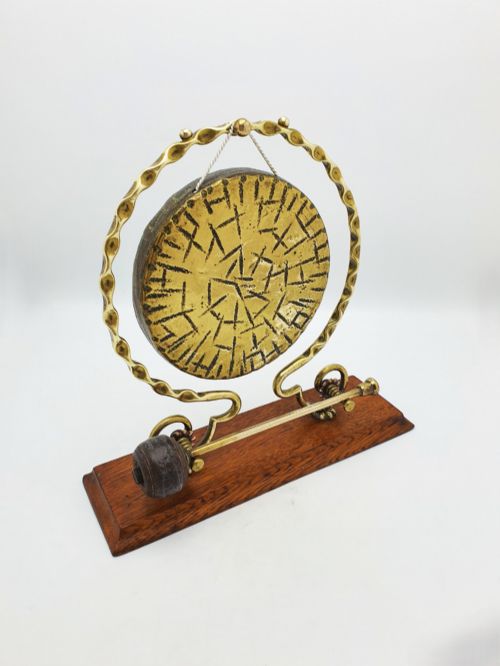
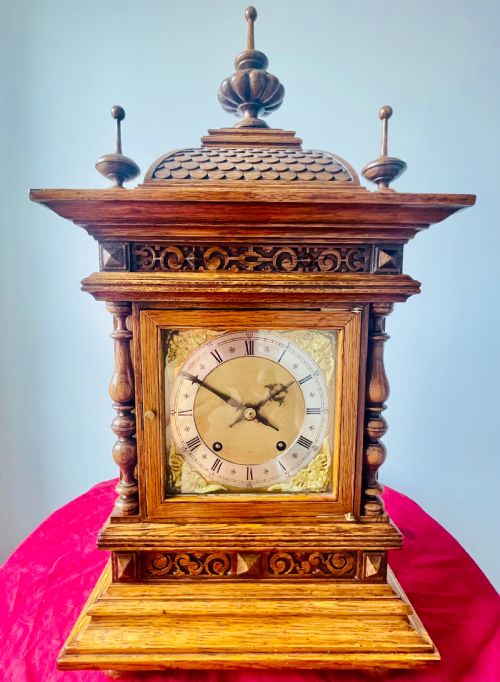
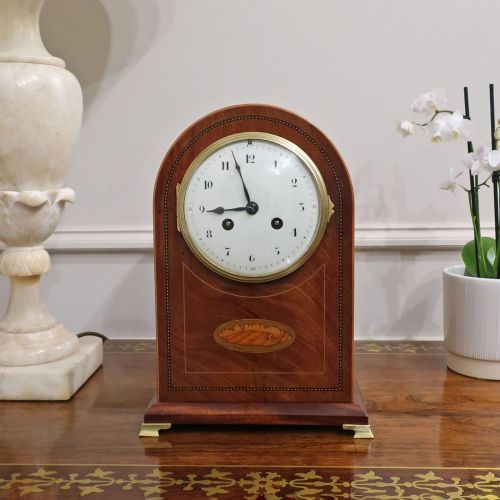
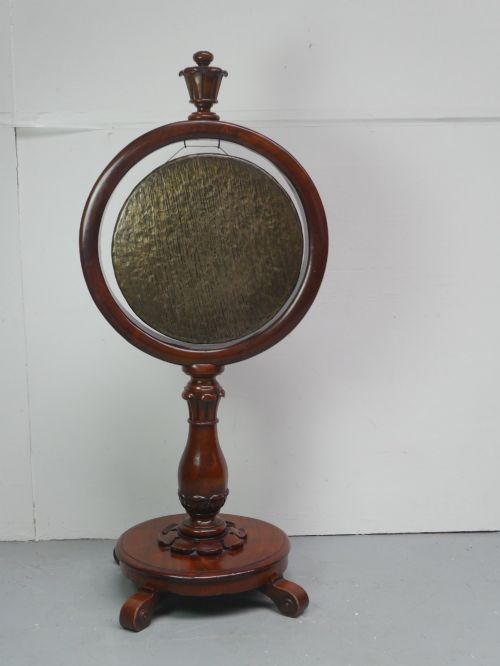
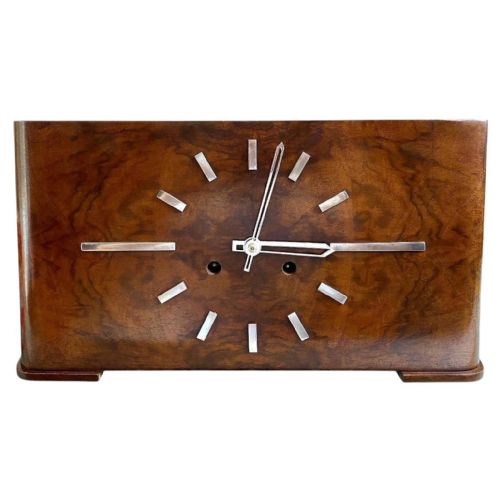
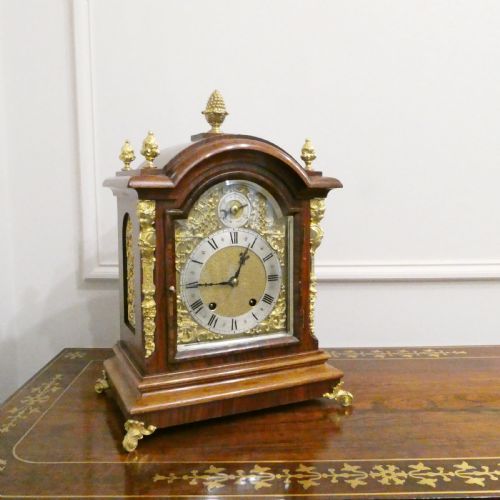
A vintage table chime encompasses both acoustic gongs designed for meals or tea and mechanical clocks that sound the hours and quarters. When examining a vintage table chime, one encounters diverse forms such as walnut bracket clocks, brass dinner gongs on wooden bases, and mantel clocks with Westminster chimes.
The pieces span periods from the nineteenth century through the Edwardian era and the Art Deco years of the 1930s. Most examples met on this page combine timekeeping or signaling functions with cabinetry in mahogany, oak, or walnut, often enriched by brass details or enamel dials.
Materials and construction
Makers utilised timber solids and veneers such as mahogany, walnut, and oak to build the cases and stands for these clocks and gongs. Brass forms the bells, dials, and structural mounts, while glass protects the clock faces.
Movements and gongs required precise metalworking, often pairing tuned brass bells or steel gongs with wooden frames and carved copper or silver-plated elements. Cases display period techniques including inlay, lacquer, and carved ornamentation.
Listings feature periods from the 19th century through the 1930s, utilising brass, glass, mahogany, oak, walnut, enamel, and chrome.
Assessing quality in a vintage table chime
The calibre of a vintage table chime depends heavily on the complexity of its movement and the precision of its acoustic sound. Pieces by established makers or those featuring multi-train movements and tuned musical bells represent the upper tier of the range.
Material selection and cabinet work also dictate standard, with dense burr walnut veneers, intricate brass dial work, and solid oak or mahogany frames marking superior execution. The integration of decorative styles, from Chinoiserie lacquer to Art Deco chrome and walnut, reflects the care taken in original production.
H.A.C.·Lenzkirch·Brockbanks & Atkins·Mappin & Webb·Charles Pratt London·Winterhalder·Schneckenburger·Haller·Garrards·Winterhalder & Hofmeier·Junghans·Perivale
The Vintage Table Chime Glossary
- Bracket clock
- A portable clock originally designed to sit on a wall bracket but later placed on tables, desks, or mantelpieces.
- Dinner gong
- A percussion instrument consisting of a metal bell or plate suspended from a stand, used historically to summon household members to meals.
- Mantel clock
- A clock designed to sit on the shelf above a fireplace, typically housed in a decorative wood or metal case.
- Ting tang
- A two-bell striking mechanism that sounds two different notes to mark the quarters or hours.
- Three train
- A clock movement with three separate gear trains for timekeeping, striking the hour, and playing a chime melody such as Westminster.
Vintage Table Chime: Frequently Asked Questions
What is a vintage table chime?
A vintage table chime is a collective term for domestic objects that produce musical sounds or time signals on a tabletop. These include striking bracket clocks, mantel clocks with Westminster chimes, and brass dinner gongs.
Such pieces combine utilitarian function with period decorative styles, utilising materials like brass, glass, mahogany, and walnut.
How do I date a table chime?
Dating relies on stylistic clues and construction methods associated with periods like the Victorian, Edwardian, and Art Deco eras. Cabinet woods, dial designs, and movement signatures often point to specific decades.
Makers' marks or stamps on the brass movements provide the most precise chronological indicators.
Were these used in homes?
Yes, these items served practical daily purposes in domestic settings. Dinner gongs summoned families and guests to afternoon tea or evening meals, while mantel and bracket clocks kept time in studies and drawing rooms.
Their presence added both acoustic structure and decorative refinement to nineteenth and early twentieth-century interiors.
What woods were commonly used?
Cabinetmakers employed a variety of hardwoods suited to prevailing furniture fashions. Mahogany, oak, and walnut predominate, frequently utilised as solid timber or as burr walnut veneers.
Inlaid details and polished finishes enhanced the natural grain of these woods across different design periods.