



Vintage Silver Jewellery Casket
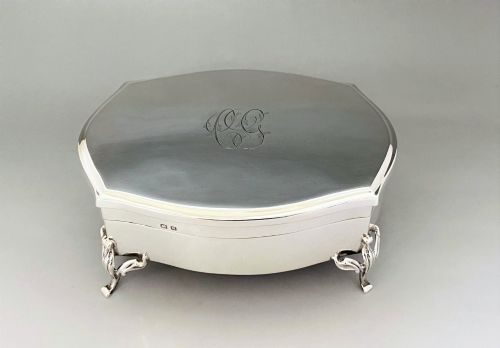
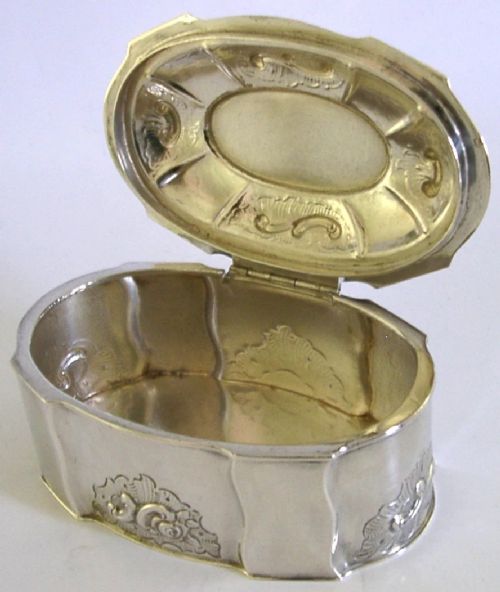
A vintage silver jewellery casket safely stores precious rings and pins on a dressing table while bringing substantial weight and history to the room.
Vintage Silver Jewellery Casket
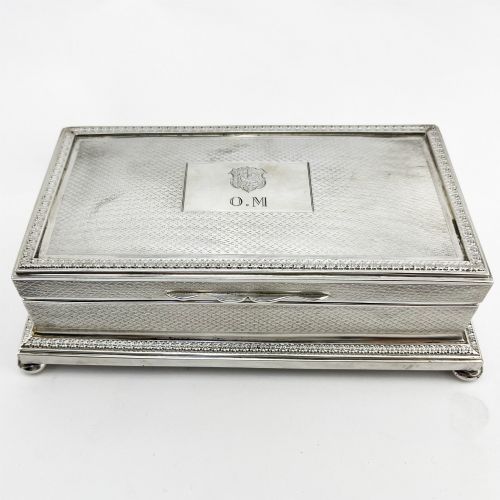
When you search for a vintage silver jewellery casket, you encounter a range of table boxes, dressing table pieces, and fitted compartments designed to hold trinkets, cufflinks, and personal treasures. These containers emerge from periods spanning the eighteenth century through to the mid-twentieth century, capturing shifting tastes in domestic ornamentation.
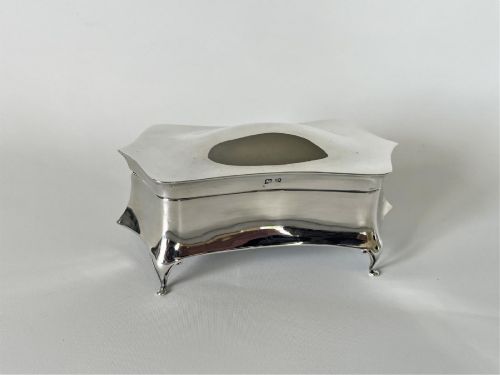
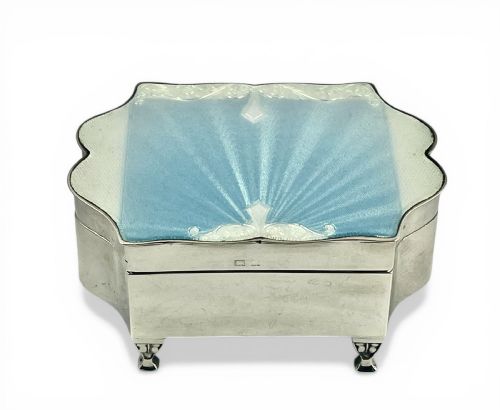
The pieces you meet most frequently on this page belong to the Edwardian era and the nineteen-twenties, often taking the form of hinged trinket boxes or larger caskets in sterling silver. Alongside solid metal builds, you find wooden and glass foundations augmented with silver mounts, tortoiseshell panels, and enamel work.
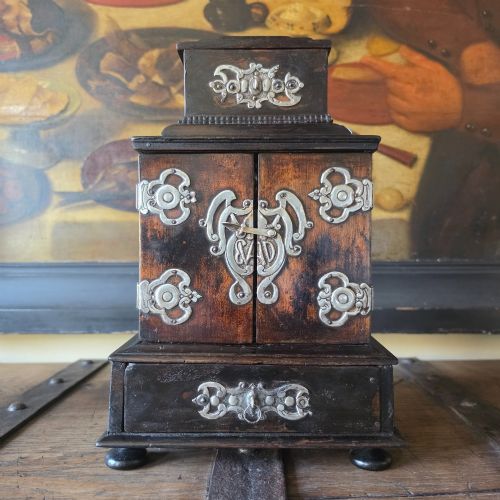
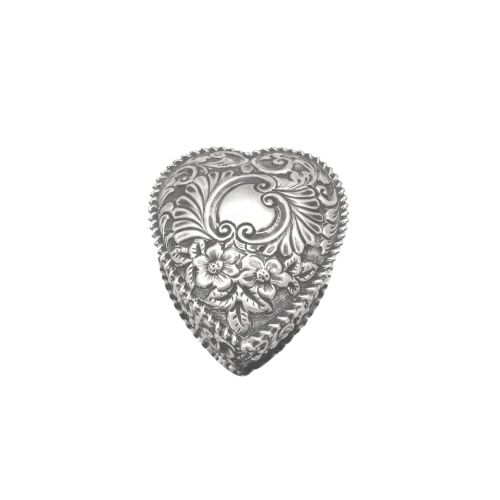
Makers utilised diverse regional styles, ranging from British provincial assay office hallmarks to continental European forms, Anglo-Indian repoussé work, and Scandinavian mid-century modernism. Whether configured as a heart-shaped receptacle or an ebonised cabinet with an internal tray, each object serves primarily to organise personal valuables on a tabletop.
Materials and construction methods
Makers fashioned the structural bodies of these boxes using sterling silver, silver plate, pewter, and various woods such as walnut, rosewood, satinwood, and ebonised timber. Metal components were often cast, hand-beaten, or sheet-rolled, then united with internal wooden carcases or velvet and silk linings to cradle delicate items.
Surface decoration relies heavily on contrasting materials, integrating natural tortoiseshell, cut glass, crystal, mother of pearl, and coloured enamel panels into the metal lids and sides. Hallmarks stamped directly into the silver provide official records of the assay town, year, and maker, anchoring the physical object to a specific workshop and date.
Listings incorporate items spanning from the eighteenth century through to the mid-twentieth century, encompassing Edwardian, Victorian, Art Deco, and mid-century modern movements.
Distinguishing quality across the range
Quality rests upon the integrity of the materials and the precision of the construction, particularly how tightly the hinged lids align with their bases. Heavy-gauge sterling silver and substantial solid woods provide a satisfying heft that lighter plated metals and thin veneers simply cannot replicate.
The refinement of surface embellishment dictates the standing of an individual piece, separating standard commercial production from accomplished artistic output. Hand-applied enamel work, detailed repoussé chasing, and integrated natural elements like tortoiseshell or lapis lazuli elevate an everyday box into an exceptional decorative object.
Posen of Frankfurt and Berlin·Liberty and Co·William Neale and Sons·Deakin and Francis·Gucci
The Vintage Silver Jewellery Casket Glossary
- Sterling Silver
- A standard alloy consisting of ninety-two point five percent silver by mass, with the remainder usually copper. This composition provides the durability required for everyday table boxes while maintaining a bright metallic lustre.
- Tortoiseshell
- The mottled brown and amber shell of certain turtle species historically utilised for decorative veneering on boxes. It provides a rich, translucent contrast against polished silver mounts.
- Repoussé
- A metalworking technique where the artisan hammers the metal from the reverse side to form a raised design in relief. This method creates the elaborate, textured ornamentation seen on many Eastern and Victorian caskets.
- Hallmark
- A series of official marks stamped onto precious metal items by an assay office to guarantee the purity of the material. These symbols typically indicate the maker, the standard of metal, the assay town, and the year of production.
- Assay Office
- An official body charged with testing the purity of precious metal items and applying statutory hallmarks. British towns such as Birmingham, Chester, and London maintained active offices during the periods represented here.
Vintage Silver Jewellery Casket: Frequently Asked Questions
What is the difference between a trinket box and a jewellery casket?
A trinket box generally refers to a smaller, shallow container used for holding loose pins, coins, or rings on a dressing table. The term casket usually denotes a deeper, more substantial box, sometimes fitted with internal trays or velvet linings to accommodate a larger collection of valuables.
While both terms overlap considerably in historical listings, caskets often feature more elaborate architectural styling, heavier metal gauges, and secure locking mechanisms intended to protect precious contents.
How do I clean a vintage silver jewellery casket?
Cleaning requires a soft microfibre cloth and a reputable silver polish applied gently to avoid wearing away thin plating or damaging adjacent organic materials. You must take great care to keep liquids and chemical cleaners away from tortoiseshell, enamel panels, fabric linings, and glass components.
Regular, light dusting with a dry cloth prevents the accumulation of grime in recessed repoussé decoration, reducing the need for aggressive chemical cleaning that might harm the surface patina.
How can I date my silver box?
You can date British silver boxes by examining the set of hallmarks stamped into the metal, which typically include a date letter corresponding to a specific year and assay office cycle. Additional clues come from the overall style, such as the geometric lines of Art Deco pieces or the sinuous curves associated with Art Nouveau and Edwardian designs.
Makers' marks and registration numbers also help narrow down the period of manufacture, while construction techniques like machine stamping versus hand-beating point towards particular decades.
Were these boxes lined originally?
Many dressing table caskets and workboxes featured original linings made of silk, satin, velvet, or watered moiré fabric designed to cushion jewellery and prevent scratching. Over decades of use, these delicate textiles frequently suffered wear or staining, leading previous owners to replace them or remove them entirely.
Finding a box with its original fabric intact adds to the historical integrity of the piece, though surviving linings often show gentle signs of age consistent with regular use.