

Edwardian Silver Dressing Box
When you handle an edwardian silver dressing box, you hold a compact container for vanity items made during a period of fine domestic craftsmanship.
Edwardian Silver Dressing Box
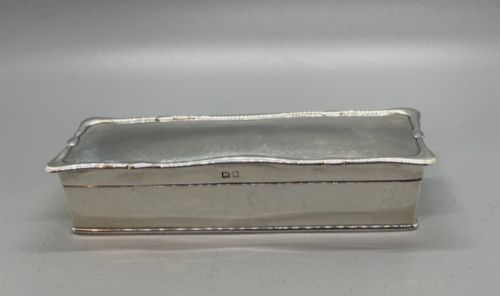
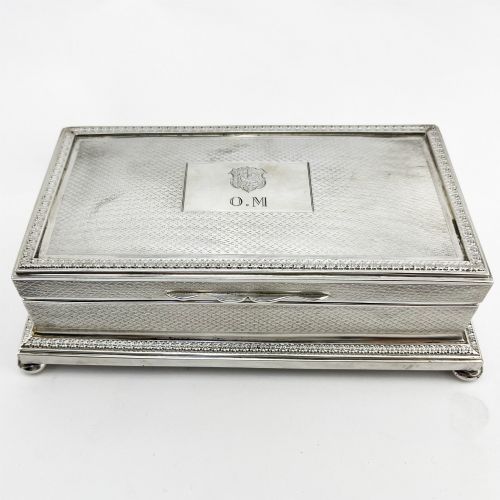
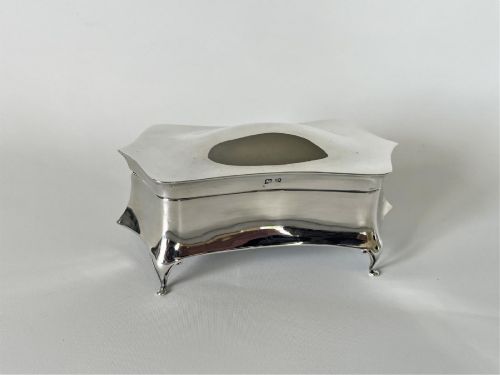
An edwardian silver dressing box is a small vanity container designed for dressing tables to hold trinkets, jewellery, pins, and cosmetics.
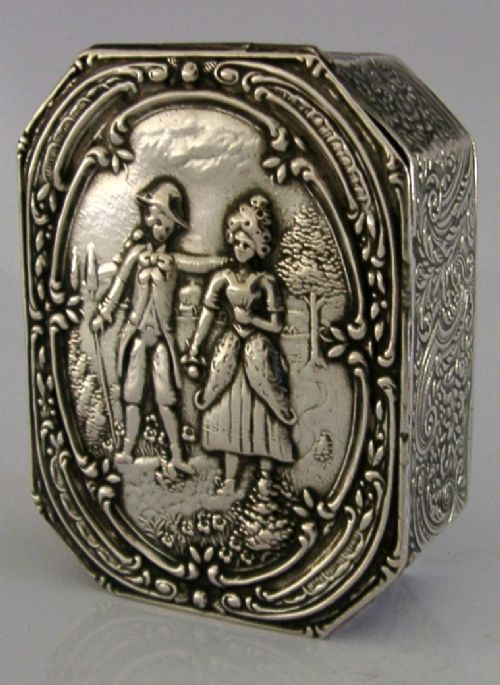
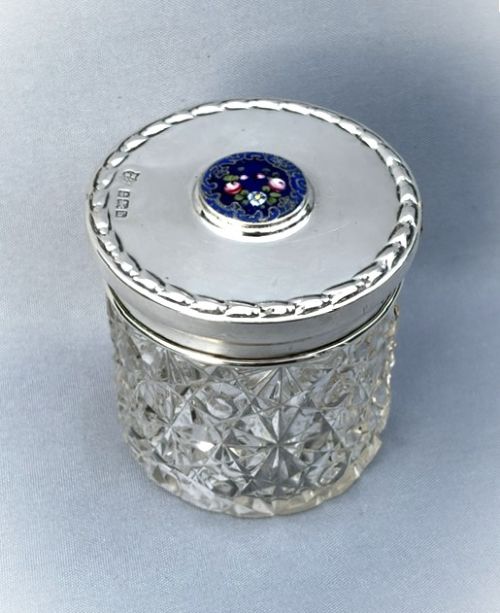
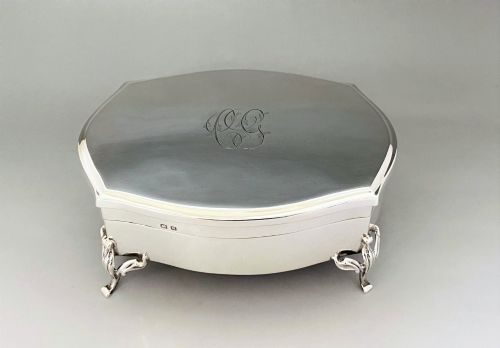
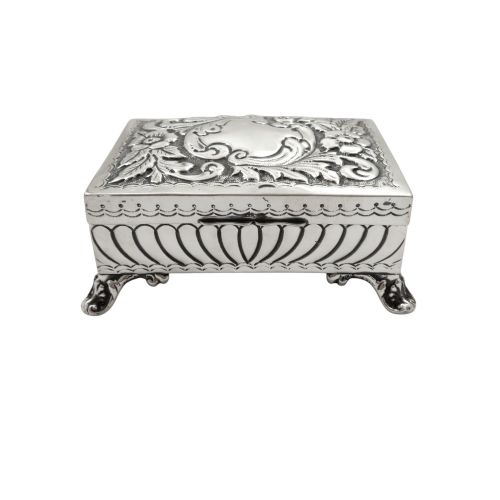
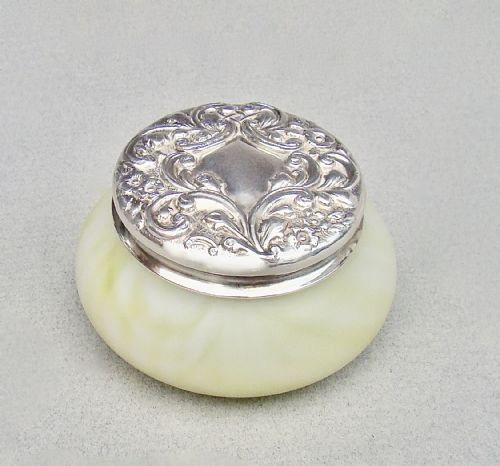
Most examples you encounter on this page date from the Edwardian period and the early twentieth century, taking forms such as heart-shaped trinket pots, rectangular caskets, and lidded glass jars.
Makers produced these boxes to sit atop dressing chests, combining precious metal mounts with glass, tortoiseshell, enamel, or velvet interiors.
How they were made
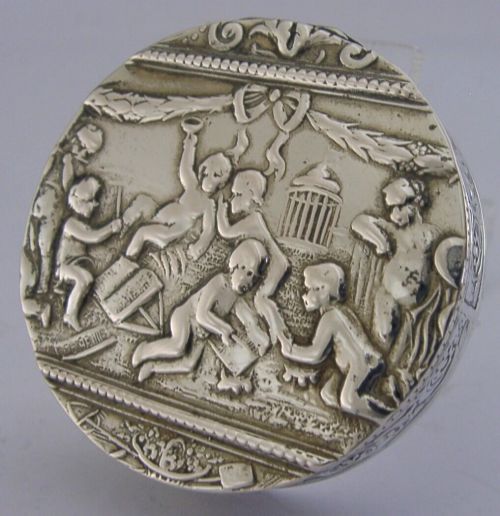
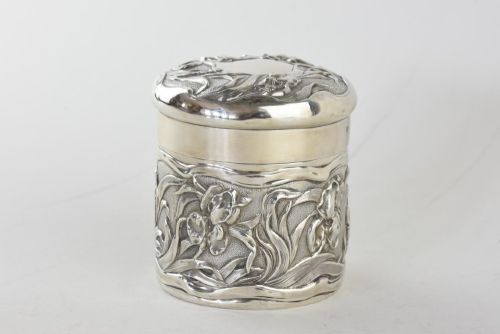
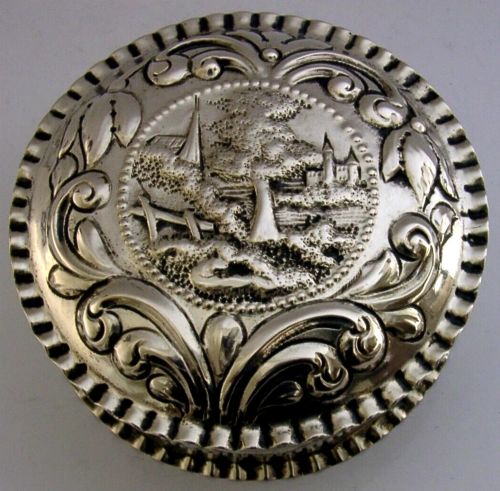
Silversmiths constructed the primary body using sterling silver, frequently shaping the metal through stamping, casting, and repoussé decoration with floral and figural motifs.
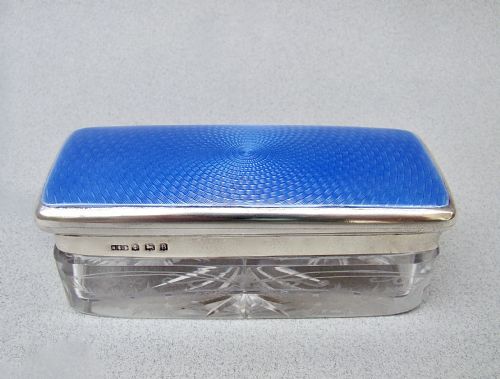
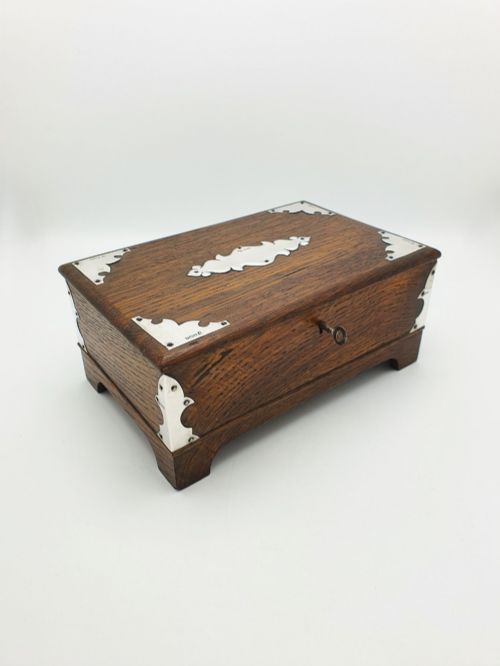
Many boxes incorporate cut glass, satin glass, or cranberry glass bases paired with fitted silver lids, whilst other variants utilise wooden cores mounted with silver panels.
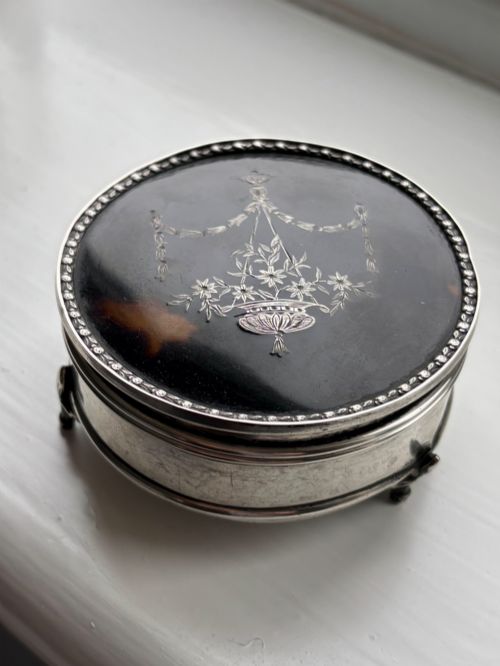
Advanced techniques included guilloché enamel work, pique inlay on tortoiseshell, and spot-hammered surfaces typical of the Arts and Crafts aesthetic.
What varies in quality
Quality rests upon the weight and thickness of the sterling silver mount, alongside the crispness of repoussé chasing or embossed detail.
The choice of secondary materials - such as genuine tortoiseshell, translucent enamel, or heavy cut glass - distinguishes standard production boxes from more ambitious luxury commissions.
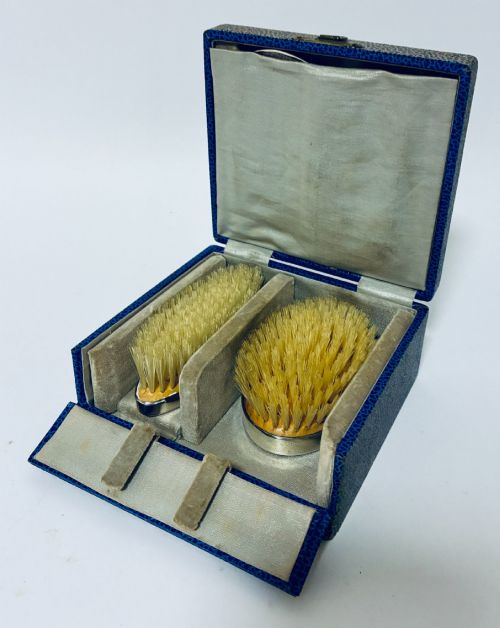
Internal elements, including silk or velvet linings and fitted compartments, influence the overall standard of the surviving piece.
Ollivant And Botsford·Henry Clifford Davis·Goldsmiths And Silversmiths Company·A Bromet And Co·William Comyns·William Hutton·Elkington And Co·Nathan And Hayes·William Neale And Sons
The Edwardian Silver Dressing Box Glossary
- Sterling silver
- A silver alloy containing 92.5 percent pure silver by mass, forming the primary metal standard for these boxes.
- Guilloché enamel
- A decorative technique where intricate geometric patterns are engraved beneath translucent enamel layers.
- Repoussé
- A method of pushing and hammering metal from the reverse side to form raised relief designs on the surface.
- Tortoiseshell
- The shell of certain turtle species utilised for decorative panels and box lids, often enhanced with silver pique inlay.
- Pique work
- Tiny points of gold or silver inlaid into tortoiseshell surfaces to create delicate decorative patterns.
Edwardian Silver Dressing Box: Frequently Asked Questions
What were dressing boxes used for?
These boxes stored small personal valuables on a dressing table, including rings, brooches, hairpins, and cosmetic jars.
Owners kept them within reach during daily grooming routines to protect delicate items.
How do I identify an Edwardian piece?
Look for hallmarks stamped on the silver components that correspond to British assay office symbols and date letters for the early 1900s.
Stylistic cues such as flowing Art Nouveau lines or delicate floral embossing also point to this era.
Are tortoiseshell lids fragile?
Tortoiseshell requires careful handling because dry atmospheric conditions can cause the material to warp or crack over time.
Keeping them away from direct sunlight helps preserve the integrity of both the shell and any inlaid metal work.
Can I clean the silver mounts?
Gentle dusting with a soft cloth maintains the surface without removing the accumulated patination valued by collectors.
Avoid abrasive polishes that might damage delicate enamel panels or thin glass bodies adjacent to the metal.