
Vintage Sculpture Stands
These vintage sculpture stands span the nineteenth and early twentieth centuries, offering sturdy elevation for bronzes, marbles, and carved figures.
Vintage Sculpture Stands
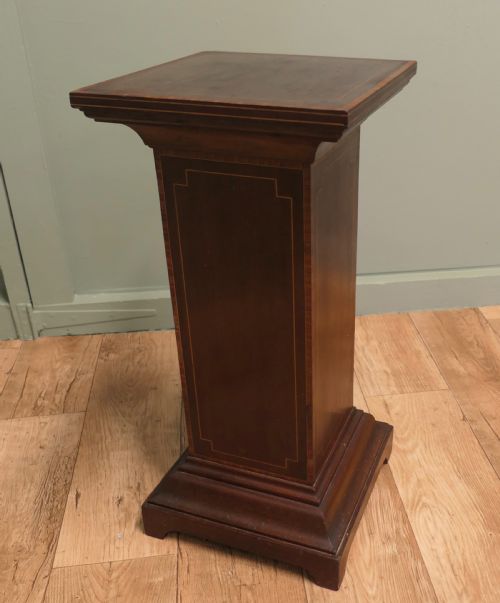
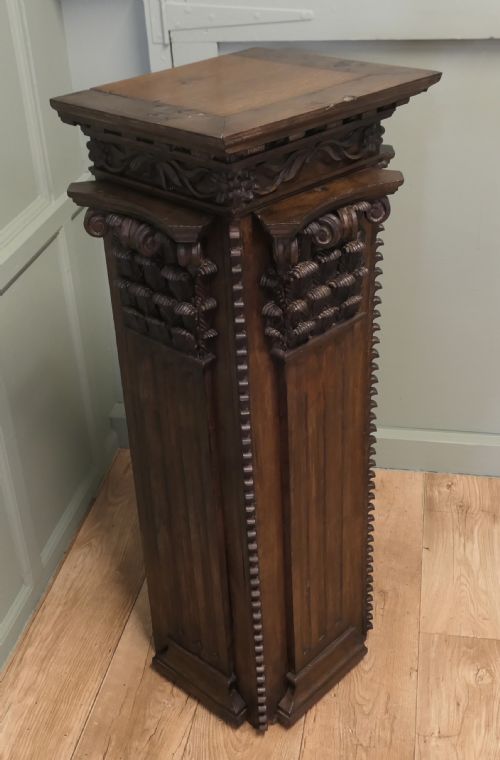
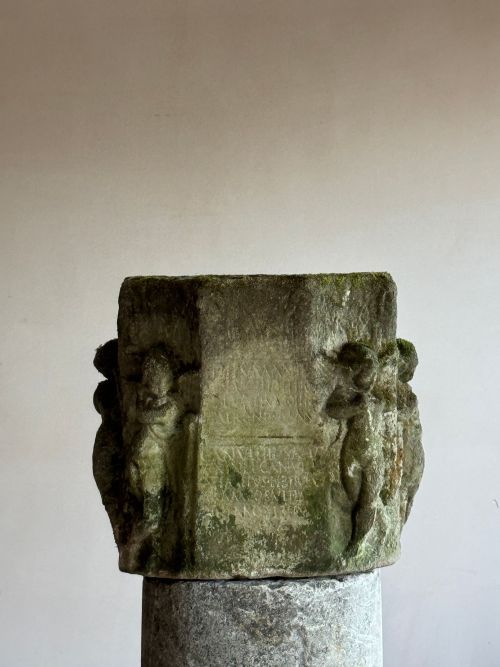
When searching for vintage sculpture stands, buyers encounter a mix of dedicated pedestals, columns, plinths, and fitted bases designed to elevate three-dimensional art. The selection includes tall architectural columns in marble and carved oak alongside simpler cylindrical stands and turned wooden plinths from the Victorian and Edwardian eras.
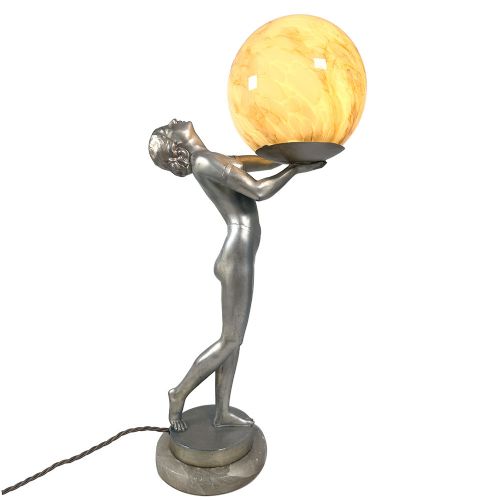
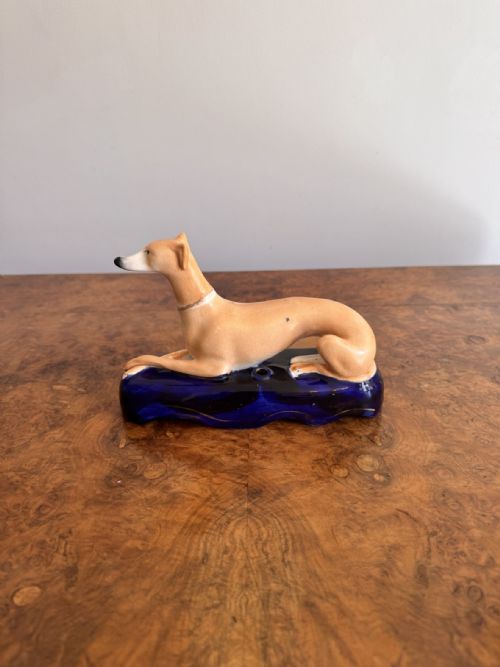
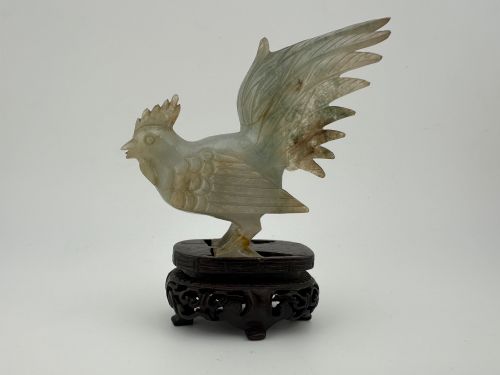
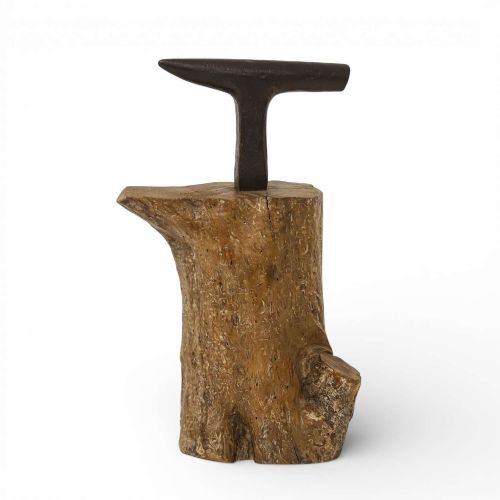
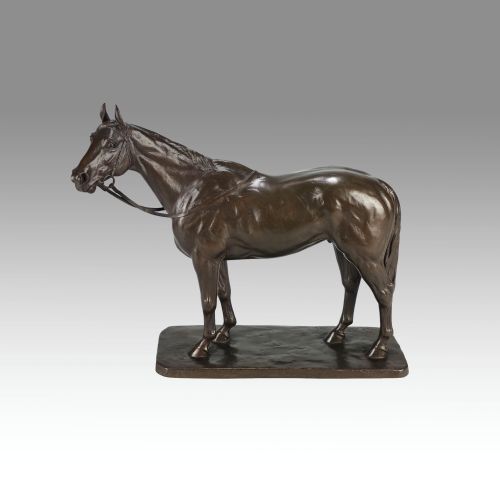
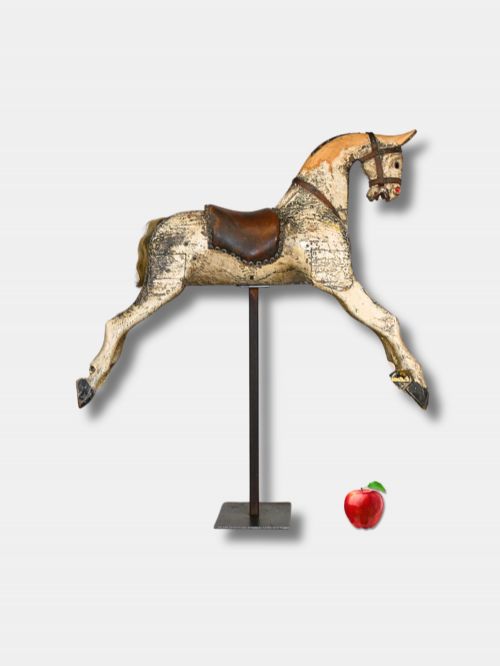
Many examples double as display furniture or incorporate sculptural elements themselves, ranging from Neoclassical statuary pedestals to Art Deco walnut and macassar ebony columns. Alongside these architectural supports, the category encompasses specific stands integral to objects like carved wooden horses, bronze animals, and Oriental figures.
Originating across Britain, France, and Asia, these pieces utilise materials robust enough to bear the weight of heavy stone and metal sculpture while providing a distinct visual base that frames the artwork above.
Materials and Construction
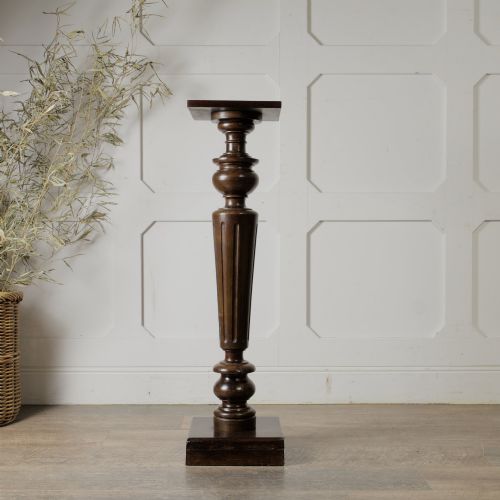
Makers relied heavily on dense natural stones such as marble and stone alongside solid hardwoods including mahogany, oak, walnut, and fruitwood to construct these supports. Columns and pedestals frequently employ classical turning, joinery, and faux marble finishes to achieve architectural weight.
Metal components appear in cast bronze, brass, and sterling silver, while other pieces utilise plaster, terracotta, and painted surfaces with original polychrome decoration. Carved wooden elements display traditional hand-chiselled detailing, lacquer work, and ebonised treatments suited to the period.
Object forms range from architectural columns and torchiere stands to animal sculptures on integral plinths and carved wooden display figures.
Factors of Distinction
Quality rests in the integrity of the materials and the ambition of the design, distinguishing mass-produced utility stands from master-carved architectural columns and matched pairs. Solid marbles, substantial hardwoods, and crisp hand-carving command greater presence than painted plaster or softwood alternatives.
The relationship between the support and the object it carries dictates its success, with top-tier pieces offering balanced proportions, stable weight distribution, and original decorative surfaces such as gilt polychrome or fine graining.
Bruno Zach·Kunio Itô·Franz Bergman·G .J. Lines
The Vintage Sculpture Stands Glossary
- Torchiere
- A tall stand or floor lamp designed to hold a light source or decorative object aloft. In this context, it often refers to slender display columns used for busts and figures.
- Plinth
- A heavy flat-bottomed slab or block serving as a base for a statue, column, or vase. Solid mahogany and ebonised wood versions provide stable platforms for tabletop or floor bronzes.
- Neoclassical
- A style rooted in classical Greek and Roman architecture that heavily influenced nineteenth-century display columns and statuary pedestals. It relies on clean lines, fluted shafts, and austere geometric forms.
- Polychrome
- Decoration employing several colours on a single piece, seen on Venetian figures and wooden stands. Original paint and gilt surfaces indicate how the object appeared when first made.
Vintage Sculpture Stands: Frequently Asked Questions
What is the difference between a pedestal and a plinth?
A pedestal generally refers to a tall, vertical support structure consisting of a base, shaft, and capital, designed to elevate a sculpture to eye level.
A plinth is typically a shorter, heavier slab or block that sits directly beneath an artwork or column to ground it visually and physically.
How do I choose the right height for a stand?
The correct height depends entirely on the scale of the sculpture you intend to place upon it and the room's proportions. Taller columns work best for smaller bronzes or busts, while shorter plinths suit life-size or heavy stone figures.
Consider the eye level of the viewer when seated or standing in the intended space to ensure the artwork commands the correct focal point.
How do I clean antique wooden and marble stands?
Wooden stands benefit from occasional gentle dusting with a soft, dry cloth and the sparing application of traditional beeswax to nourish the grain. Avoid modern chemical polishes that can degrade nineteenth-century lacquer or painted surfaces.
Marble and stone columns require simple wiping with a damp cloth and neutral soap, avoiding acidic cleaners that etch the polished surface.