


Wooden Bust Pedestals
Wooden bust pedestals elevate your sculpture with classical presence, carrying centuries of mahogany, walnut, and pine craftsmanship from Georgian parlours to Victorian halls.
Wooden Bust Pedestals
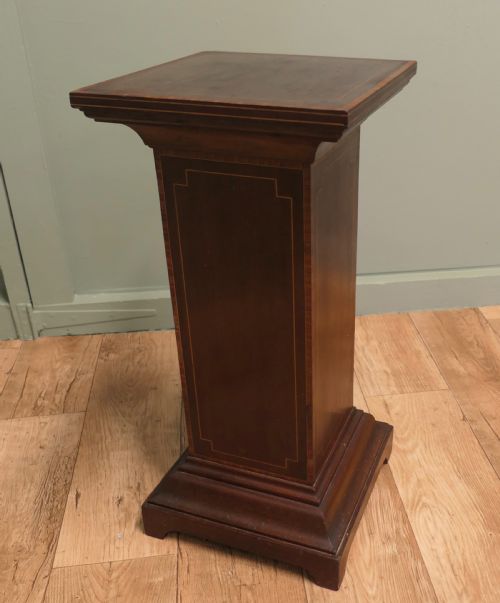
Wooden bust pedestals are structural supports designed to display sculptural heads, portrait busts, and decorative urns at eye level. When searching for wooden bust pedestals, a buyer encounters forms ranging from simple columns to elaborate tripod stands intended to showcase individual pieces of art.
The selection on this page draws primarily from the nineteenth century, including Victorian and late nineteenth-century examples alongside earlier Georgian and Regency pieces. These supports frequently cross over with plant stands, torcheres, and sculpture display columns in mahogany, oak, and walnut.
How they were made
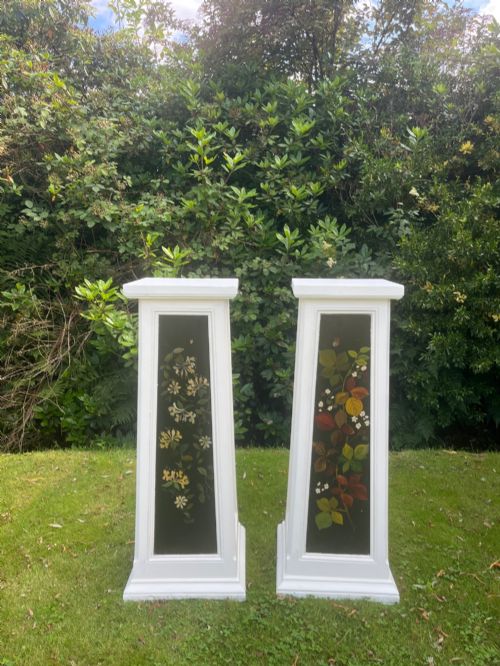
Carpenters and cabinetmakers utilised solid timbers such as mahogany, walnut, oak, and pine to construct these stands, often applying applied surface treatments like paint, stain, or faux marble finishes. Selection of dense hardwoods ensured stability for heavy stone, plaster, or carved wooden busts.
Decorative embellishments on these supports include carved caryatids, ormolu mounts, and classical detailing aligned with Neoclassical, Adam Revival, and Renaissance Revival styles. Turning, joinery, and polychrome painting techniques completed the structural forms.
A seventeenth or eighteenth-century Spanish wooden character head of a saint awaits its next quiet conversation.
What varies in quality
Quality in these supports rests upon the crispness of the carving, the selection of figured timber such as mahogany or walnut, and the integrity of the original finish. Finer examples display meticulous joinery and balanced proportions capable of supporting heavy sculptures without tipping.
The sophistication of the decorative vocabulary distinguishes standard utility stands from exceptional examples. Finely executed ormolu mounts, well-preserved painted surfaces, and intricate neoclassical architectural details separate the upper tier of pieces from simpler utilitarian carpentry.
Shoolbred
The Wooden Bust Pedestals Glossary
- Ormolu
- Gilded bronze mounts applied to furniture and pedestals as decorative accents. This French technique became particularly prominent in neoclassical and revivalist designs.
- Torchere
- A tall ornamental stand or candlestick originally designed to hold a light source. In later periods, these forms adapted to serve as display pedestals for busts and sculptures.
- Caryatid
- A sculpted female figure serving as an architectural support taking the place of a column or pilaster. Carved wooden examples appear frequently on nineteenth-century pedestals.
- Polychrome
- The practice of decorating architectural elements or sculpture in a variety of colours. Painted wooden heads and pedestals frequently utilise this historic surface treatment.
- Tripod
- A three-legged support structure providing stable footing on uneven floors. Tripod bases are a common configuration for nineteenth-century bust and plant stands.
Wooden Bust Pedestals: Frequently Asked Questions
What is a wooden bust pedestal?
A wooden bust pedestal is a tall stand or column built specifically to elevate and display a sculptural portrait head. These pieces raise artwork to an optimal viewing height while adding architectural character to a room.
Historically constructed from timbers like mahogany, walnut, and pine, they combine structural stability with decorative carving, paintwork, or metal mounts to complement the sculpture resting upon them.
How were wooden bust pedestals used?
These supports functioned primarily as display furniture in libraries, drawing rooms, and hallways of country houses and urban residences. They positioned portrait busts and classical sculptures for deliberate viewing.
Beyond holding busts, many designs doubled as plant stands or torcheres. Their versatile proportions allowed them to occupy corners, alcoves, and focal points within domestic interiors.
How do I style a pedestal at home?
Place a pedestal in an empty corner, beside a fireplace, or framing a doorway where it can command visual space without obstructing traffic. Ensure the top surface matches the footprint of the sculpture you intend to place upon it.
Pair wooden tones with contrasting wall colours to let the grain and silhouette stand out. Keep surrounding furniture minimal so the pedestal and its displayed object remain the visual focus.