




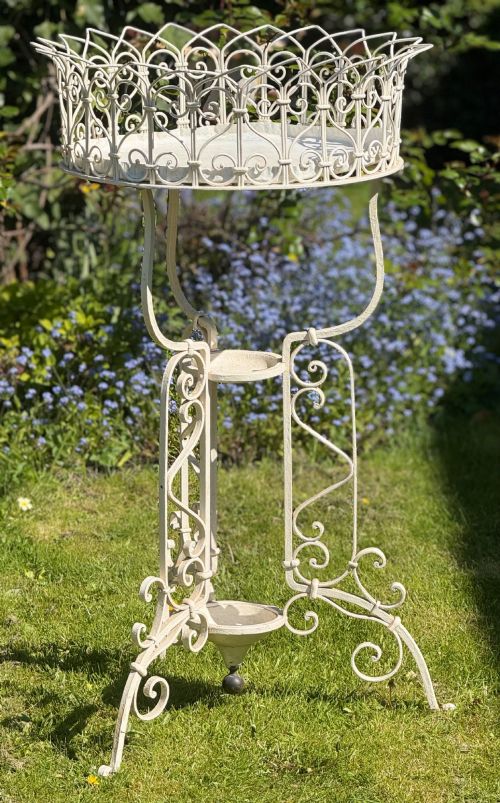


White Painted Pedestals
White painted pedestals bring architectural height and painted surface to interior rooms and gardens, appearing across nineteenth-century and earlier forms.
White Painted Pedestals
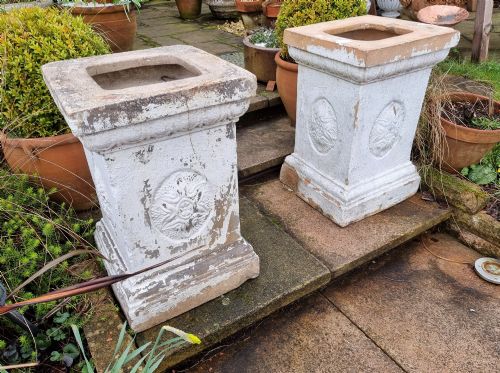
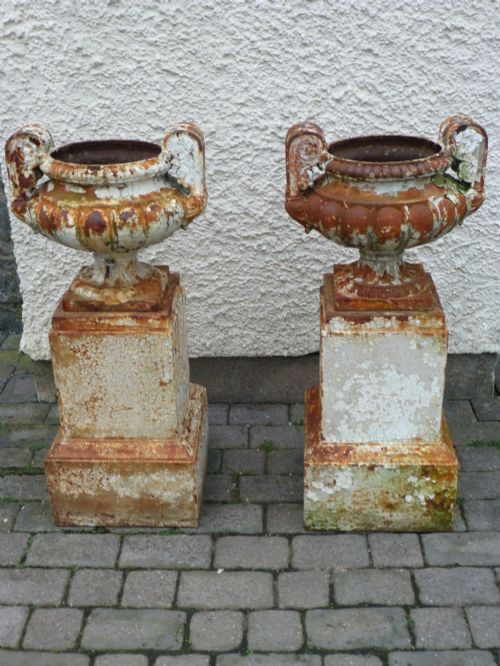
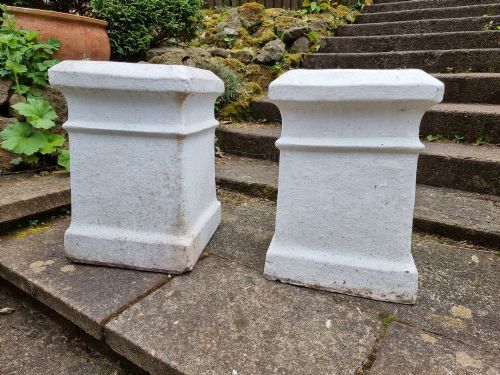
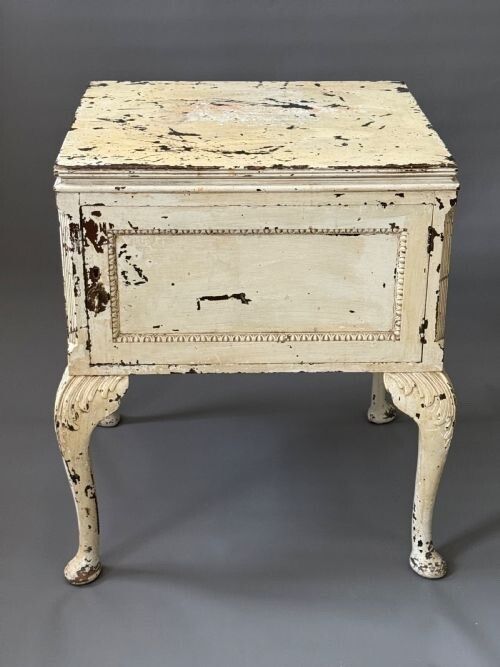
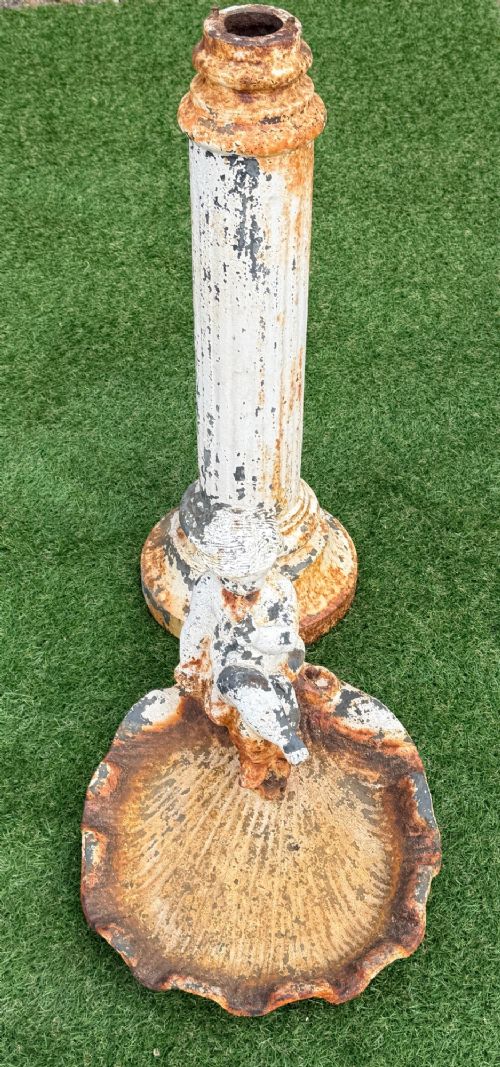
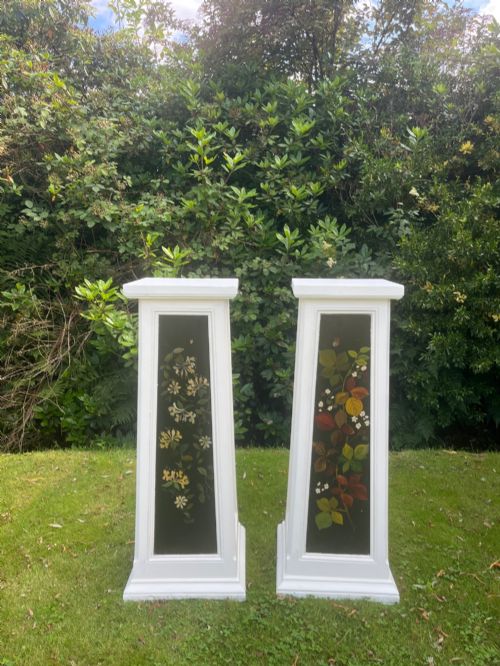
White painted pedestals encompass structural columns, garden urns on stands, plant stands, and sculpture supports spanning the eighteenth, nineteenth, and early twentieth centuries. Buyers seeking white painted pedestals encounter heavy cast iron garden pieces, turned wooden columns, and Swedish country tables sharing a painted finish.
The objects function as display supports for vases, busts, and planters, originating from English, French, and Swedish traditions within Victorian, Regency, and Georgian periods. Forms range from classical revival acanthus leaf urns to simple cylindrical sculpture stands and Swedish painted columns.
How they were made
Makers utilised cast iron for robust garden urns and columns, often combining iron with original stone or concrete plinths to achieve structural stability. Wooden examples employ pine, oak, and mahogany, shaped by turning on a lathe or constructed as panelled columns before receiving coats of paint.
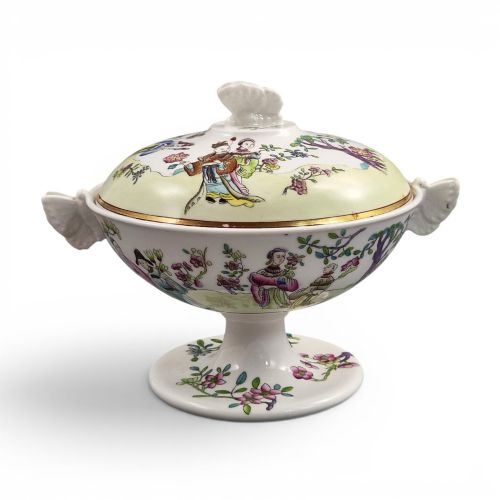
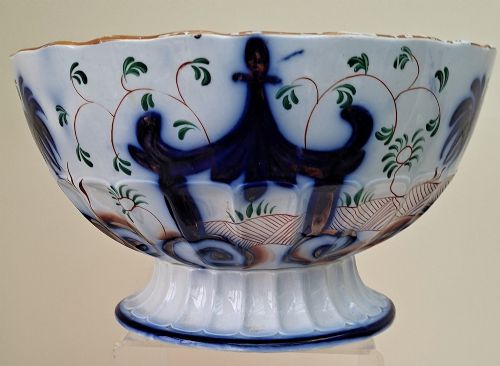
Porcelain and pottery versions from factories like Spode, Meissen, and New Hall involve ceramic moulding and hand-decoration with enamel, sometimes incorporating gold leaf highlights. Surface finishes on wood and iron rely on layers of oil paint, which aged through decades of exposure.
Listings feature materials spanning cast iron, porcelain, pine, mahogany, and enamel across Georgian and Victorian periods.
What varies in quality
Quality rests in the crispness of cast iron moulding, where foundry work by makers such as Coalbrookdale or Falkirk Carron yields sharp relief on acanthus leaves, shell forms, and classical urns. Turned wooden columns display proportion and balance in their fluting and capitals, distinguishing bespoke architectural pieces from simpler utility stands.
The integrity of the painted surface influences value, with original patinated coats showing authentic wear superior to later repainting. Heavier material density in iron and stone columns correlates with stability and intended garden longevity.
Dunfermline Clay Company·Falkirk Carron foundry·Coalbrookdale·Spode·Ulisse Cantagalli·Hirsch Dresden
The White Painted Pedestals Glossary
- Plinth
- The heavy base supporting a statue, column, or urn. It provides physical stability and elevates the decorative object above ground level.
- Urn
- A vase-shaped vessel, often placed on a pedestal or stand for display. Garden versions frequently feature cast iron construction.
- Jardiniere
- An ornamental pot or stand for holding plants or flowers. These are typically manufactured from cast iron or pottery.
- Gadrooned
- Ornamented with a carved or moulded series of convex curves. This decorative banding appears frequently around the rim of classical urns.
- Comport
- A shallow dish raised on a high foot or pedestal. They are common in nineteenth-century ceramic wares.
White Painted Pedestals: Frequently Asked Questions
Where do you place white painted pedestals?
These pieces suit entrance halls, drawing rooms, and garden terraces where they serve as elevated stands for sculpture, urns, or table lamps.
Heavier cast iron and stone examples function outdoors on lawns or patios, while painted wooden columns remain strictly inside.
How do you distinguish garden pedestals from indoor stands?
Garden pedestals utilise heavy weather-resistant materials like cast iron, stone, and thick painted pine designed to withstand outdoor conditions. They often feature drainage holes or substantial plinths.
Indoor versions use finer woods, porcelain, or delicate turned elements that lack weather protection.
What periods do these pedestals represent?
The selection spans the eighteenth through early twentieth centuries, drawing heavily on Georgian, Regency, and Victorian design vocabularies.
Revival styles from these eras frequently adapt classical Greek and Roman architectural motifs for domestic and garden use.
How do you care for painted wooden columns?
Dust surfaces regularly with a dry cloth and avoid harsh chemical cleaners that might lift historic layers of paint.
Keep wooden and porcelain pieces away from damp areas and direct outdoor exposure to preserve the finish.