


Edwardian Display Plinths
Edwardian display plinths are sturdy column and pedestal stands designed to elevate sculpture and ornaments, bringing classical form into domestic rooms.
Edwardian Display Plinths
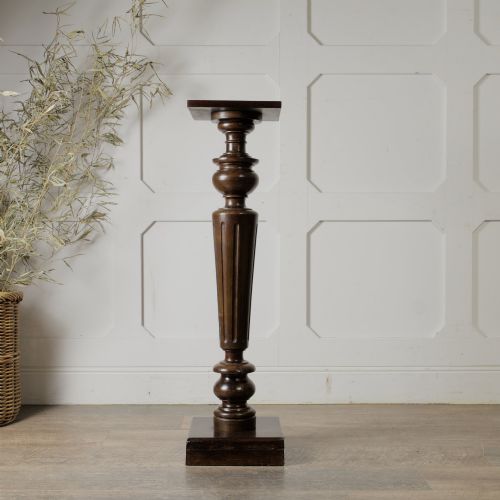
Edwardian display plinths encompass turned stands, columns, and pedestals intended for exhibiting busts, figures, and decorative objects. These forms draw upon classical revival and nineteenth-century traditions to create vertical display surfaces within a room.
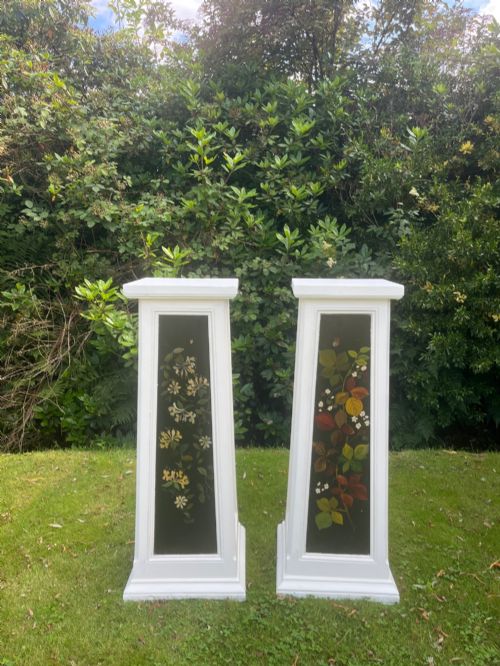
The versions most commonly met in this group utilise timber such as mahogany and ebonised wood, alongside marble columns and painted surfaces. They range from simple turned wooden shafts to architectural marble-topped columns.
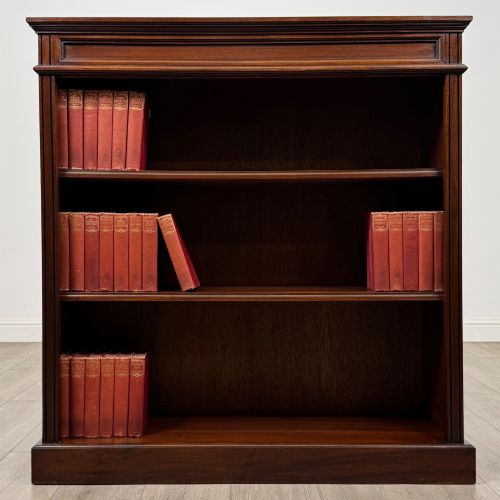
Makers and workshops of the period also produced related display furniture, including open bookcases, cake stands, and side cabinets, which share the same function of display and interior arrangement.
How they were made
Construction relies upon solid timbers like mahogany, oak, and ebonised wood, shaped through turning and joinery to form stable vertical shafts and columns. Wood surfaces are frequently polished or painted to emphasise the grain or colour of the material.
Stone elements incorporate marble and onyx, particularly for tops and column shafts, providing weight and a smooth textural contrast to the wooden bases. Metal components appear in brass fittings and silver plate additions on related display items.
Listings for Edwardian display plinths feature materials spanning solid mahogany, painted wood, ebonised wood, marble, and onyx.
What varies in quality
Quality separates through the selection of materials, distinguishing solid mahogany and genuine marble or onyx columns from painted wood and simpler construction. The choice of stone and the weight of the timber dictate the overall substance of the piece.
Execution shows in the precision of the turning on wooden pillars and the finish applied to ebonised or painted surfaces. Architectural detail, such as neoclassical or classical revival moulding, marks the distinction between standard utility stands and finer decorative pieces.
The Edwardian Display Plinths Glossary
- Plinth
- A heavy base or square block supporting a statue, pillar, or vase. It provides structural stability and visual lift to the object displayed upon it.
- Pedestal
- An upright architectural support or stand used to elevate an urn, bust, or decorative figure. It typically consists of a base, shaft, and capital.
- Column
- A vertical pillar of circular section supporting an entablature or standing alone as a monument. In display furniture, it serves as the main shaft of a pedestal.
- Ebonised
- Wood finished with a dark stain or polish to imitate ebony. This technique creates a dense, black surface popular in nineteenth and early twentieth-century furniture.
- Neoclassical
- A style reviving classical Roman and Greek architectural motifs. It influences the proportion, fluting, and capital design seen on formal pedestals.
Edwardian Display Plinths: Frequently Asked Questions
What were display plinths used for?
Display plinths served to elevate marble busts, bronze figures, and decorative vases above floor level in period interiors. This elevation drew the eye and protected delicate items from foot traffic.
They acted as architectural furniture, placing sculpture at eye level and creating focal points within hallways, libraries, and drawing rooms.
How do I style a plinth at home?
Place a single column in a corner or alongside a fireplace to support a sculptural piece, ceramic vase, or trailing plant. The vertical line draws the eye upward and breaks up flat room perimeters.
Parks of matching pedestals work well for framing doorways or holding symmetrical ornaments in larger reception spaces.
How do I tell Edwardian from Victorian pedestals?
Edwardian pieces often display lighter proportions, cleaner lines, and simpler neoclassical or early twentieth-century influences. They move away from the heavier, more heavily carved dark oak typical of the Victorian era.
Victorian stands frequently utilise robust spiral pillars or denser timber forms, reflecting a heavier historical revival taste.
Are marble top pedestals heavy?
Marble top pedestals and solid stone columns carry significant weight due to the density of the stone. This weight provides natural stability for supporting top-heavy sculptures.
Care must be taken when positioning them on delicate flooring, and moving them generally requires two people to avoid damaging the stone edge.