
Pair of Plinths
A pair of plinths provides a stable, balanced foundation for displaying sculptures, urns, or architectural ornaments in interior and exterior spaces.
Pair of Plinths
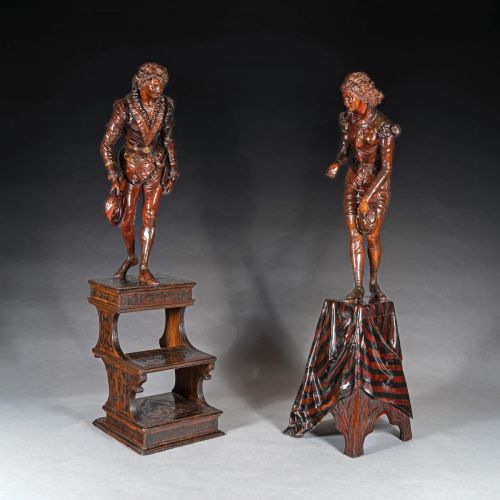
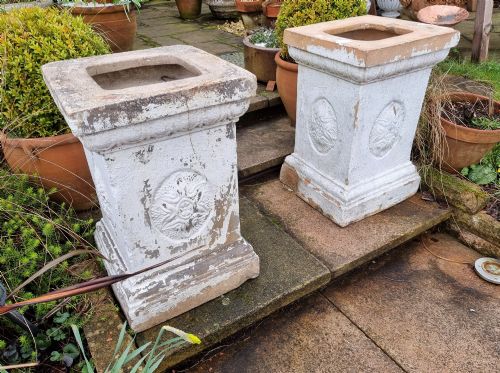
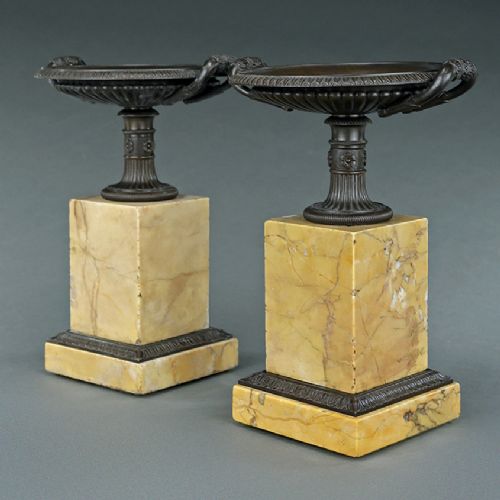
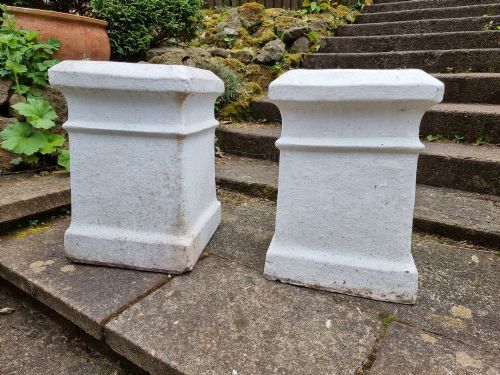
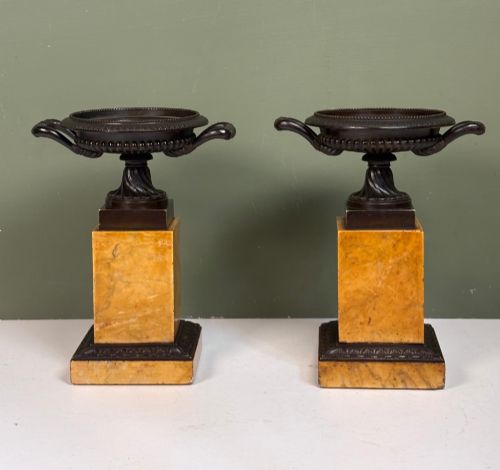
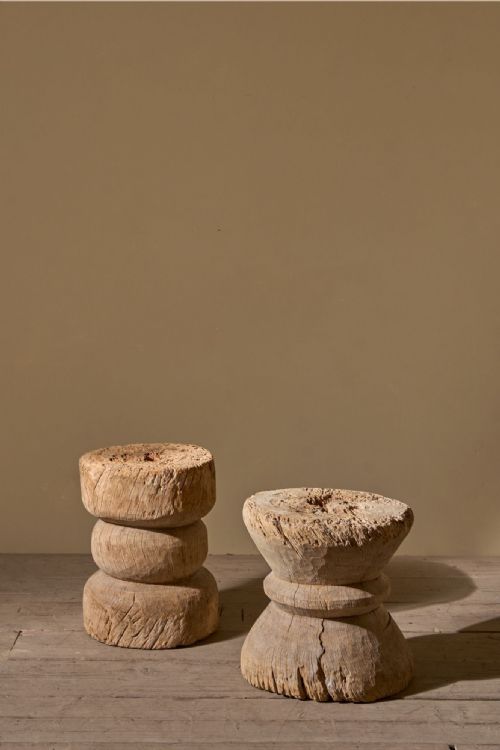
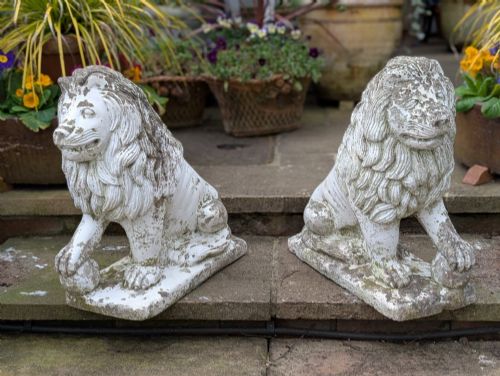
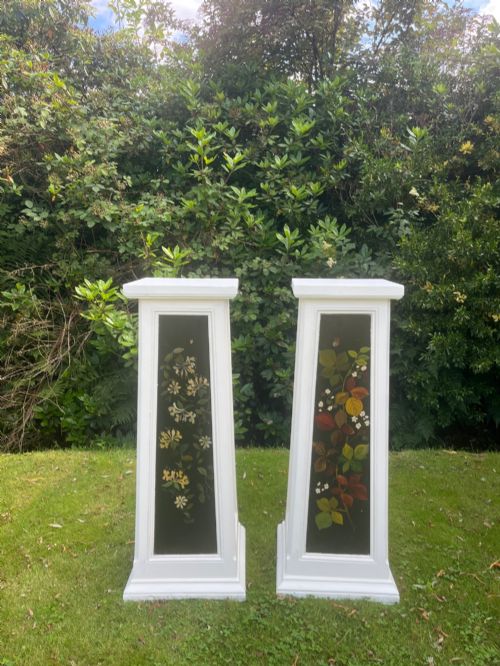
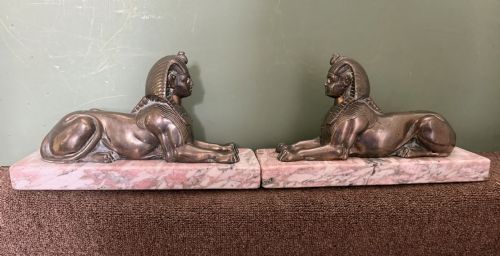
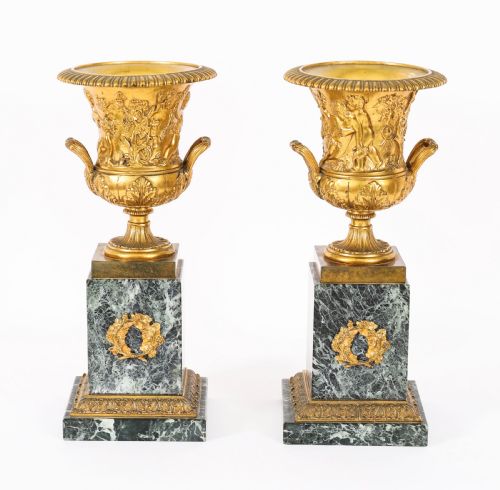
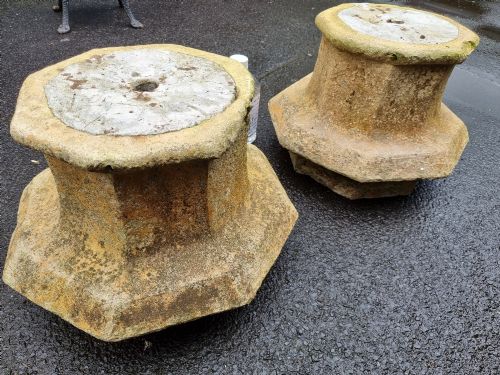
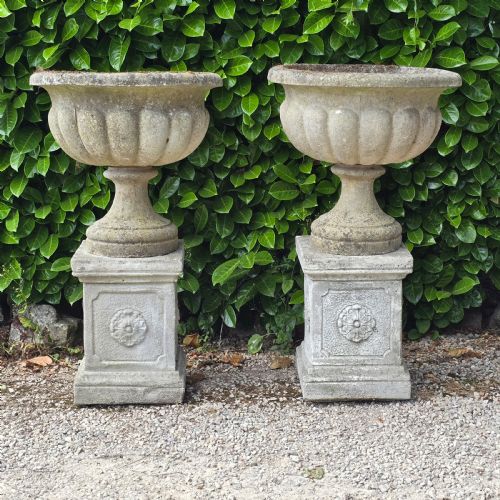
A pair of plinths encompasses architectural columns, pedestals, and raised column bases designed to elevate display pieces symmetrically within a room or garden. The search phrase covers matched supports made for sculpture, urns, and decorative objects.
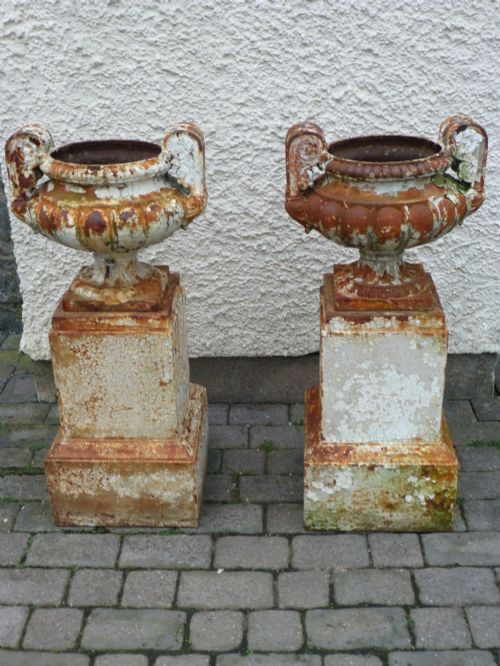
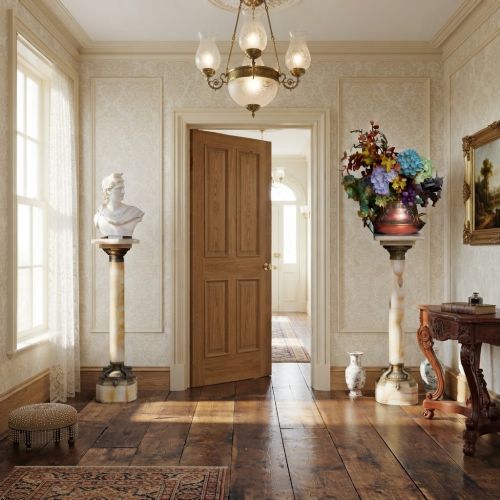
The versions met most frequently on this page originate from the nineteenth century, spanning Victorian, Regency, and neoclassical revivals. They appear in forms ranging from interior marble and wood columns to heavy cast iron garden pedestals.
Makers and foundries utilised diverse materials, producing stone columns, ceramic plinths from firms like Doulton of Lambeth, and cast iron structures intended for formal gardens. These matched pairs provide visual symmetry and structural support for heavier decorative items.
Materials and construction
Masonry and stonework utilise natural materials including marble, alabaster, onyx, and composite stone, shaped into columns, obelisks, and stepped bases. Workshops turned marble on lathes or carved stone by hand to achieve classical proportions.
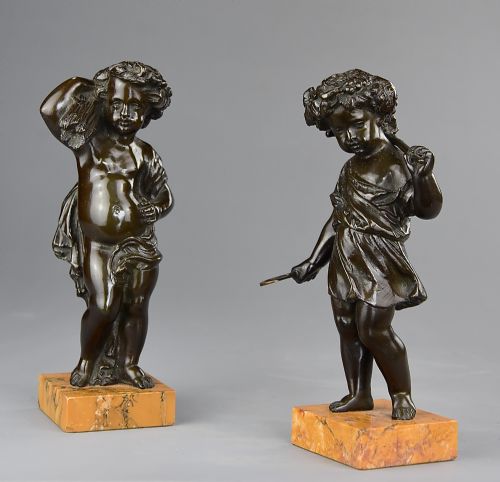
Metal-working techniques combined cast iron, bronze, brass, and spelter for structural elements and decorative mounts. Foundries cast iron urns and plinths in moulds, whilst ormolu and gilt bronze details decorated finer interior pedestals.
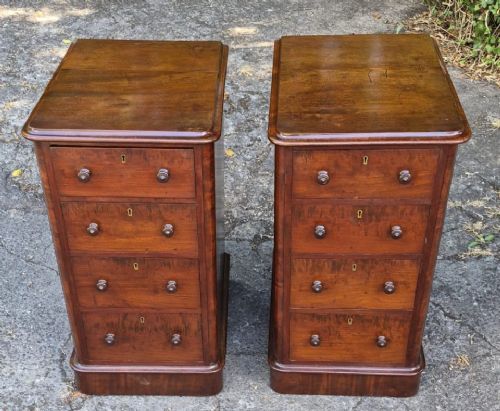
Timber construction involved dense hardwoods such as mahogany, walnut, satinwood, and olive wood, built as cabinetry, bedside chests, or solid wooden columns. Painted plaster and terracotta expand the range of manufactured forms.
Listings feature materials spanning cast iron, marble, mahogany, bronze, and terracotta across nineteenth-century and early twentieth-century periods.
Factors determining quality
Material selection dictates the underlying grade of a piece, separating common cast iron and painted plaster from finely figured marbles, Derbyshire alabaster, and hand-chased bronze mounts. The weight and selection of stone or timber reflect the ambition of the original commission.
Casting and carving precision separates mass-produced items from works by established foundries like Carron or Dunfermline. Crisp detail in cast iron foliage, sharp architectural fluting, and fine chasing on bronze mounts indicate superior workshop execution.
Originality of matched pairs preserves integrity, as mismatched weathering or later alterations diminish the visual balance expected from a pair of plinths. Retaining original surfaces, patination, and matching bases maintains historical value.
Dunfermline Clay Company·Falkirk Carron foundry·Bright And Sons·Doulton of Lambeth
The Pair of Plinths Glossary
- Campana urn
- A bell-shaped garden or decorative vessel frequently mounted on plinths. These classical forms appeared widely in cast iron and bronze during the nineteenth century.
- Grand Tour
- Refers to nineteenth-century souvenirs and bronzes collected by travellers in Italy. These items often sat upon marble plinths or columns.
- Ormolu
- Finely ground high-carat gold cast-copper ornamentation applied to bronze mounts. It provides a rich metallic contrast against dark marbles and woods.
- Spelter
- A zinc alloy used as a lower-cost alternative to bronze for sculptural figures and urns. It was frequently painted or bronzed to simulate heavier metals.
- Tazza
- A shallow cup or vase on a pedestal foot designed for display. Pairs of tazzas frequently appeared alongside matching architectural columns.
Pair of Plinths: Frequently Asked Questions
How were pair of plinths used historically?
These matched supports served primarily to elevate sculpture, urns, and porcelain vases to optimal viewing height in grand rooms and formal gardens. Placing objects on pedestals drew the eye and protected delicate floor surfaces from heavy stone or metal.
In domestic interiors, matching columns functioned as standalone display furniture or supported lighting. Garden examples framed pathways, doorways, and terrace edges while bearing heavy planted urns.
How do I distinguish nineteenth-century pieces?
Nineteenth-century items often reflect revival movements such as Neoclassical, Gothic Revival, and French Empire styles. Examination of construction methods, tool marks on stone, and the patination of metals aids in dating.
Foundry marks, registration stamps, and specific material combinations characteristic of Victorian production offer further clues. Comparing the casting sharpness against known period examples confirms authenticity.
Where should I place them at home?
Interior pedestals suit entryways, hallways, and living spaces to display bronze sculptures, clocks, or table lamps. Their vertical form makes use of empty corner spaces without cluttering the floor plan.
Garden urns and stone plinths anchor outdoor landscapes when positioned at the end of garden vistas or flanking steps. Ensure the ground surface is level and capable of supporting heavier stone and cast iron weights.