
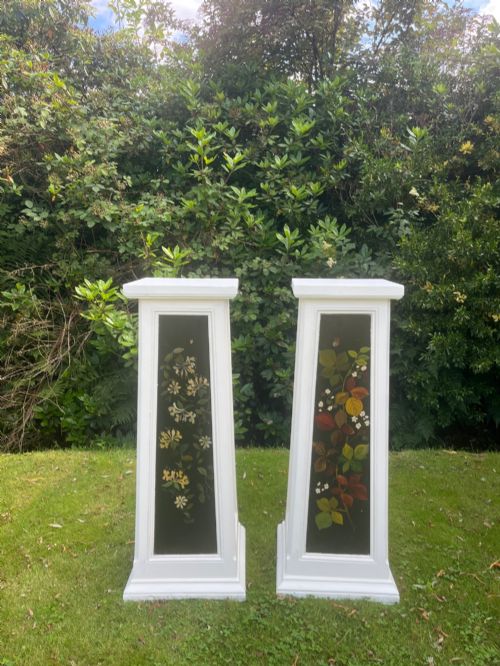

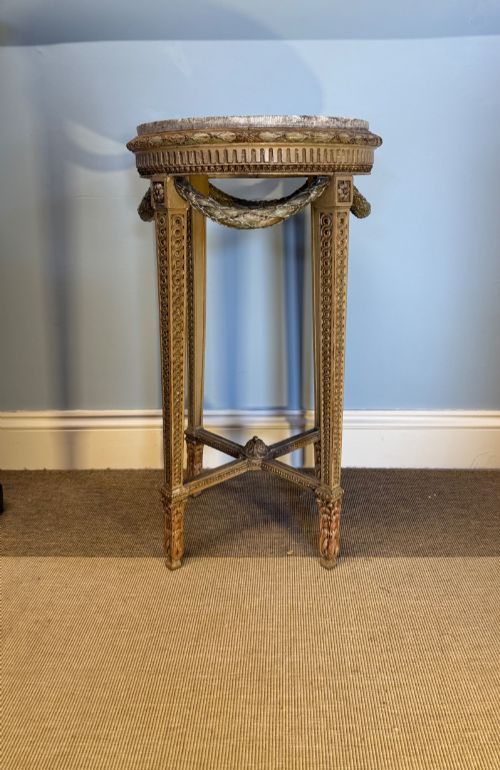
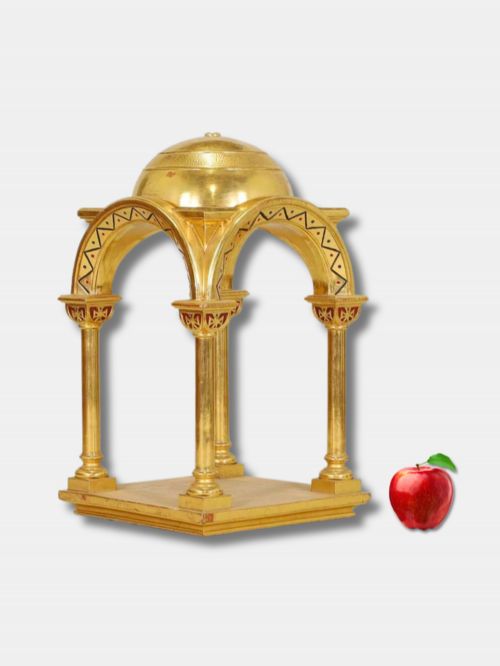
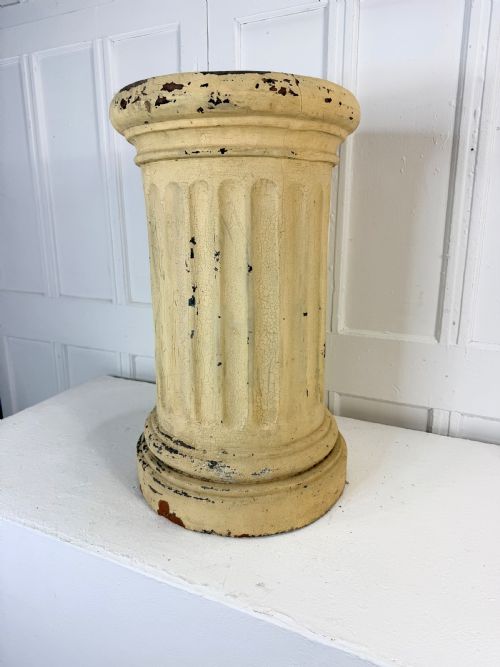
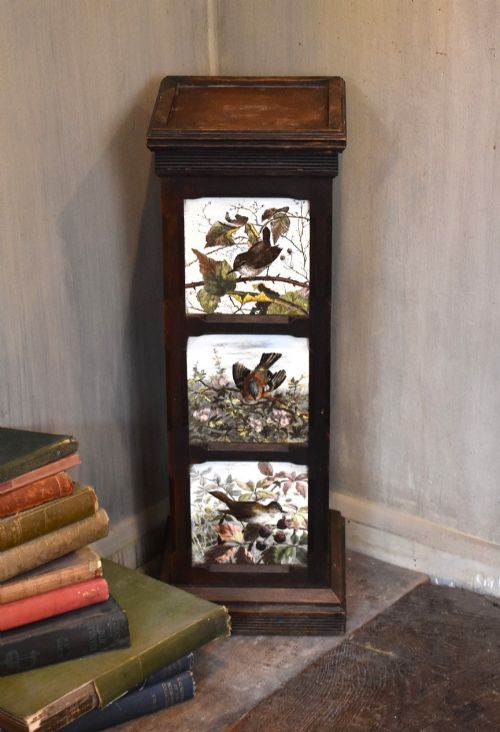


Painted Display Columns
These painted display columns elevate sculpture and pottery with architectural presence, offering period character for any interior scheme.
Painted Display Columns
Painted display columns serve as architectural supports for urns, busts and sculpture, appearing primarily in nineteenth-century and early twentieth-century formats. Buyers seeking painted display columns encounter forms ranging from tall sculptural stands to classical pedestals and plinths.
The selection includes regional interpretations such as Swedish and French examples, alongside domestic Victorian designs. Makers utilised various timber bases and plaster cores to create substantial vertical display pieces.
Object types span from cylindrical sculpture stands and plant pedestals to architectural salvage and theatrical columns. These supports function as focal points in a room, elevating decorative objects to eye level.
How they were made
Construction relies heavily on timber such as pine and mahogany, often built with turned wooden columns or box structures. Plaster, terracotta, stone and cast iron also provide sturdy cores for heavy display items.
Surface finishes define these pieces, utilising oil paint, gesso, grain painting and gilding to achieve desired effects. Artisans applied faux finishes, including simulated marble and verde antico, to mimic costly stones using accessible woods and plasters.
Several columns were once destined for the theatre, built to look ancient and grand while remaining light enough for swift scene changes.
What varies in quality
The skill of the faux finish separates standard utilitarian supports from exceptional decorative works. Hand-painted marble graining and parcel gilt details require considerable artistry to mimic genuine stone and precious metal convincingly.
Proportion and scale dictate the visual weight of a column, with grand scale pairs and architectural proportions commanding distinct spatial presence. Original surfaces retaining genuine historical wear hold greater integrity than later repainted examples.
Marguerite
The Painted Display Columns Glossary
- Faux marble
- A painted surface technique designed to imitate genuine marble through careful layering of colour and veining. This finish allowed makers to produce luxurious visual effects on lighter timber or plaster bases.
- Verde antico
- A specific type of simulated dark green marble featuring lighter veins. Artisans recreated this ancient ornamental stone using specialised paint applications on wooden display columns.
- Gesso
- A plaster-like material applied to wood surfaces to create a smooth base for painting or gilding. It allows for crisp decorative moulding and relief details on classical pedestals.
- Torchere
- A tall ornamental stand or candlestick originally designed to hold a light source. In furniture terms, it refers to elevated display pedestals for sculpture and decorative objects.
Painted Display Columns: Frequently Asked Questions
What were painted display columns used for?
These columns functioned as architectural supports for busts, urns, sculpture and large plants within period interiors. They elevated decorative objects to improve visibility and create focal points in reception rooms and hallways.
Their substantial height and decorative finishes allowed them to act as independent sculptural statements within a room scheme.
How do I style a display column at home?
Position a column in an empty corner, framing a doorway or as a standalone plinth for a single focal piece of art. Ensure the weight of the object placed on top matches the structural scale of the pedestal.
Keep surrounding furniture simple to let the architectural form and painted surface of the column command attention.
How can I tell the period of a column?
Examine the underlying materials, construction joints and the characteristics of the paint surface. Nineteenth-century examples often utilise hand-mixed oil paints, heavy pine cores and traditional gesso work.
Stylistic cues such as Neoclassical reeding, Aesthetic movement tiles or Regency faux marble finishes also point toward specific decades of manufacture.
Are painted display columns structurally stable?
Most columns are built with wide timber bases or heavy plaster cores designed to distribute weight safely. Solid construction ensures they can support substantial bronze figures, terracotta urns and marble busts.
Placement on level flooring remains important when supporting heavy or top-heavy sculptural items.