



Victorian Bust Stands
These victorian bust stands elevate sculpture and display pieces with solid presence, bringing classical dignity and height to interior spaces.
Victorian Bust Stands
When searching for victorian bust stands, buyers encounter columns, pedestals, and torchieres designed to support sculpture and decorative objects. These items originate predominantly from the nineteenth century, including specific Victorian examples alongside pieces spanning Georgian through to mid-century eras.
Forms vary from tripod bases and tall pillars to elaborate display columns and table models. Many items double as plant stands or torchieres, utilising classical revival and neoclassical aesthetics to anchor a room.
Origins stretch across English country houses and continental workshops, incorporating materials such as mahogany, marble, and bronze. Buyers find both paired compositions and singular monumental columns suited for display.
Materials and construction
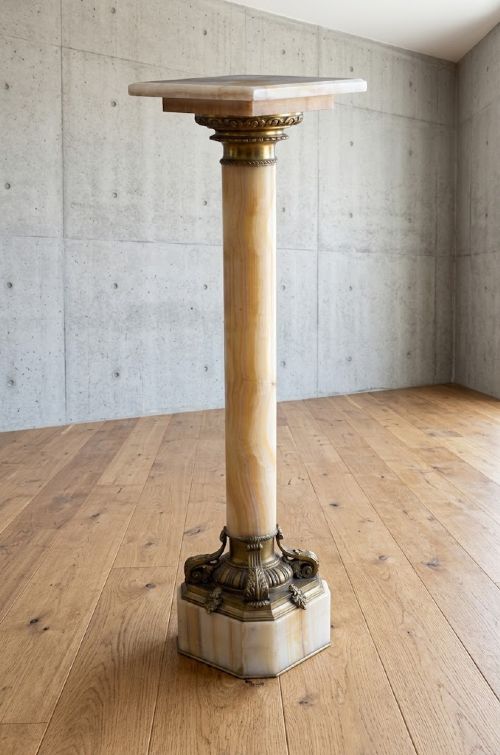
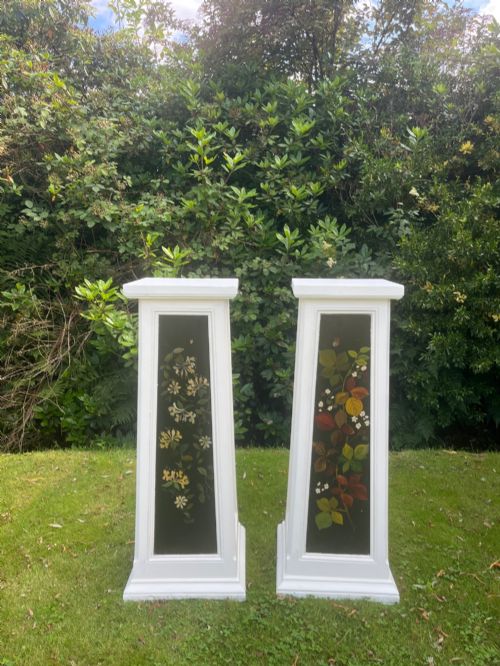
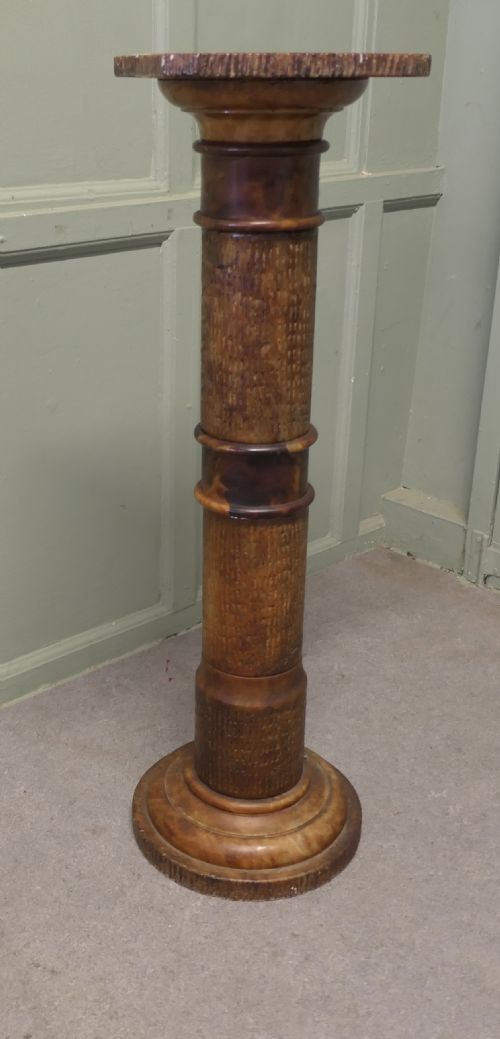
Construction relies heavily on dense timbers like mahogany, walnut, oak, and rosewood, often carved with classical motifs or finished with paint and stain. Artisans also turned to stone materials, utilising variegated green marble, onyx, alabaster, and Carrara marble for substantial columns.
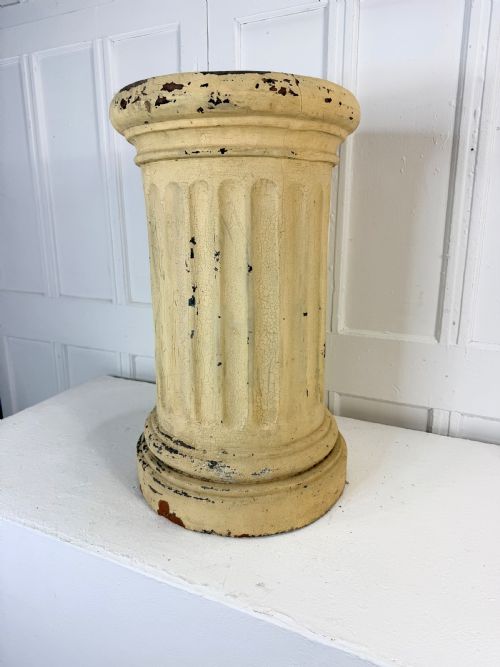
Metal elements frequently complement these organic bases, incorporating ormolu collars, bronze castings, and gilt bronze details. Terracotta and birch further expand the repertoire of structural media employed by makers.
Assessing quality and craftsmanship
Quality rests in the precision of the carving and the selection of materials, such as finely figured mahogany or heavily variegated marble. Finer examples display harmonious proportions between the capital, shaft, and base, integrating bronze or ormolu mounts securely.
The integrity of the construction dictates the piece's utility for holding heavy sculpture or bronze figures. Superior stands exhibit stable weight distribution, particularly in tripod and column formats designed to bear significant load.
Shoolbred
The Victorian Bust Stands Glossary
- Torchiere
- A tall stand or torch-holder adapted to support lights, plants, or busts. These slender supports often feature elevated platforms.
- Ormolu
- Gilt bronze applied as a decorative mount or collar on furniture and pedestals. It adds metallic contrast to stone and timber shafts.
- Caryatid
- A sculpted female figure serving as an architectural support in place of a column. They appear carved directly into wooden pedestals.
- Alabaster
- A fine-grained translucent stone used for table tops and decorative display surfaces. It offers a smooth, pale finish distinct from heavier marble.
- Neoclassical
- A style drawing inspiration from the classical art and culture of ancient Greece and Rome. This aesthetic dominates the proportions and ornamentation of these columns.
Victorian Bust Stands: Frequently Asked Questions
What can you put on a bust stand?
These stands are built to support heavy items like bronze sculptures, marble busts, and large decorative vases. They also accommodate trailing plants and decorative ceramic vessels.
Choosing the right top ensures the displayed object balances securely on the column or pedestal surface.
How do I date a Victorian stand?
Dating relies on identifying wood species, revival styles, and construction techniques typical of the nineteenth century. Details like ormolu mounts and marble types help narrow the period.
Consulting comparative pieces from the same era provides additional context for specific manufacturing traits.
Are these stands stable enough for heavy bronze?
Many nineteenth-century pedestals and columns were engineered specifically to carry heavy stone or metal sculpture without tipping. Tripod bases and weighted marble shafts offer substantial gravity support.
Checking the width of the base relative to the top platform indicates how well the stand handles heavy top-loads.