
Vintage Porcelain Light
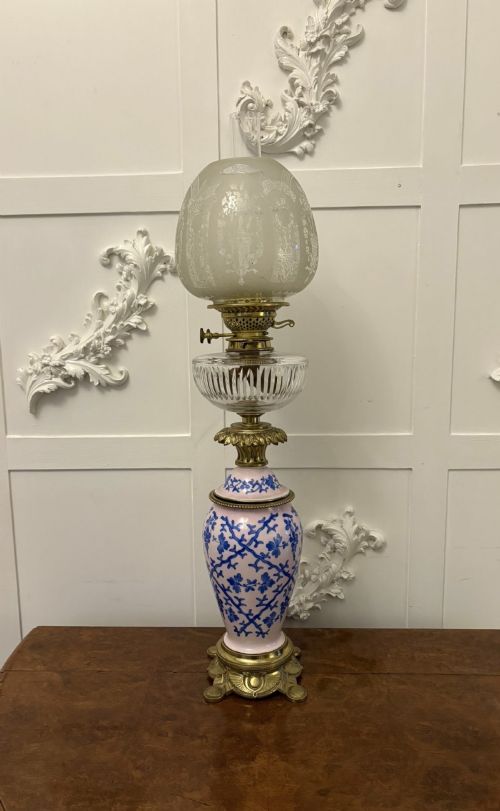
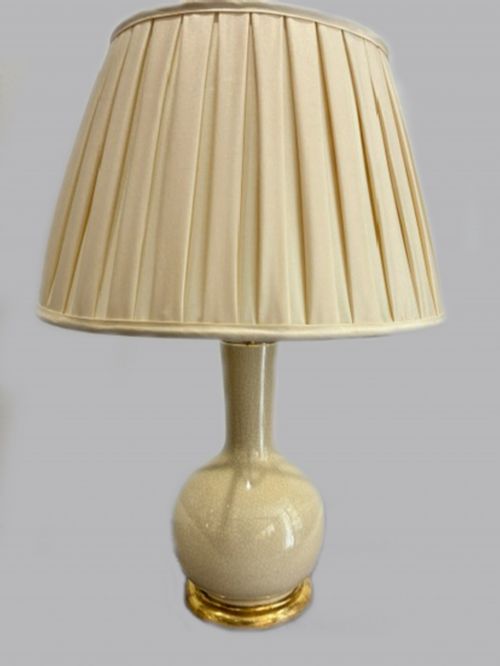
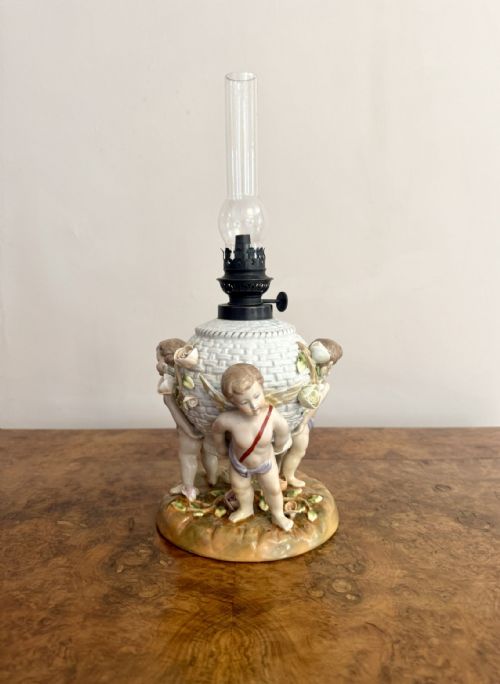
A vintage porcelain light brings tactile weight and layered glaze to a room, ranging from converted antique vases to oil lamps.
Vintage Porcelain Light
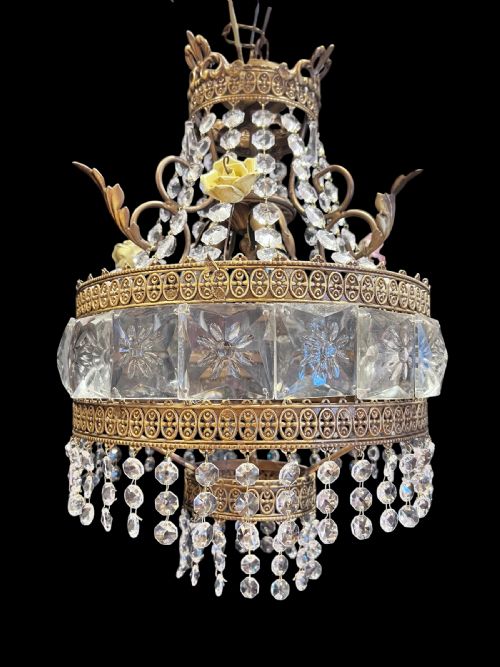
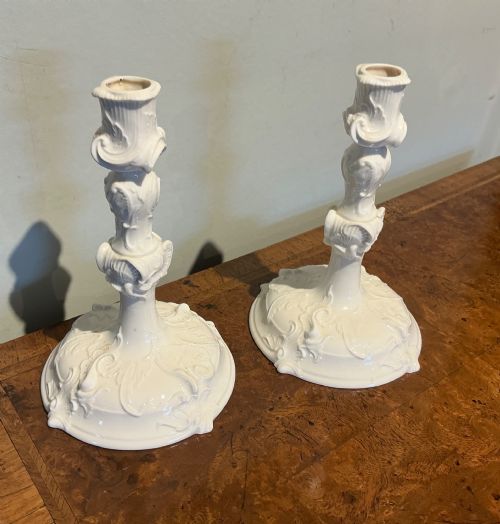
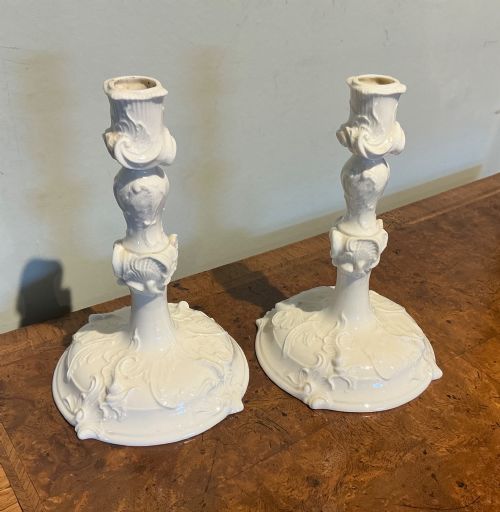
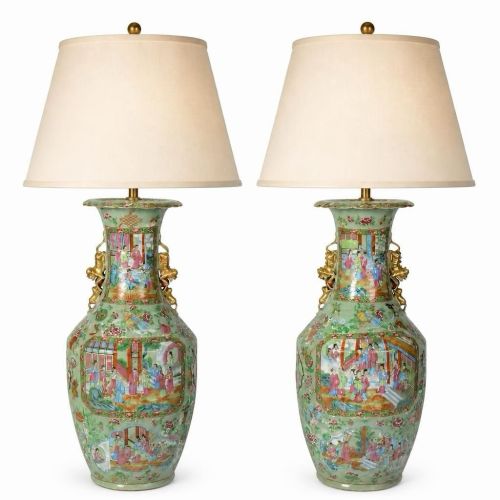
When searching for a vintage porcelain light, buyers encounter a diverse array of forms including table lamps, chandeliers, wall sconces, and candlesticks. These fixtures span periods from the eighteenth century through the Victorian era and the nineteen-twenties, incorporating styles such as Chinoiserie, Art Deco, and French Rococo Revival.
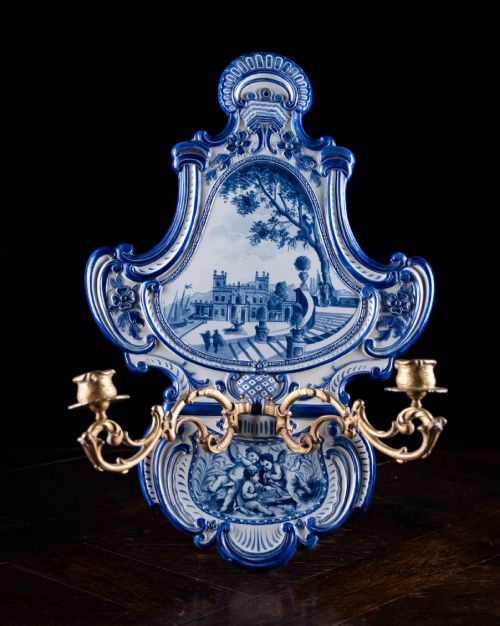
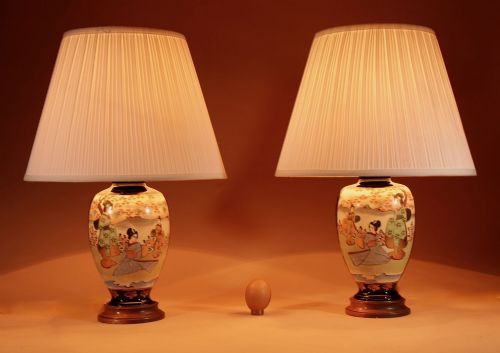
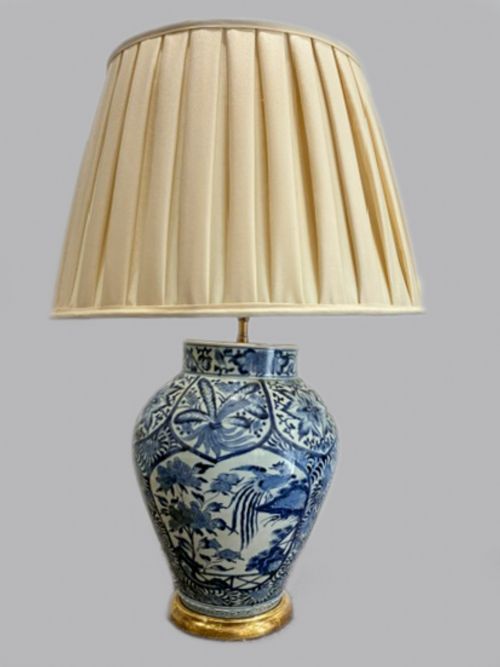
The selection frequently includes oil lamps from the nineteenth century alongside vases converted into lamps, utilising bodies of blue and white, Satsuma, or Delft ware. Candlesticks and figural lamps from German potteries also appear regularly among the listed items.
Materials and construction
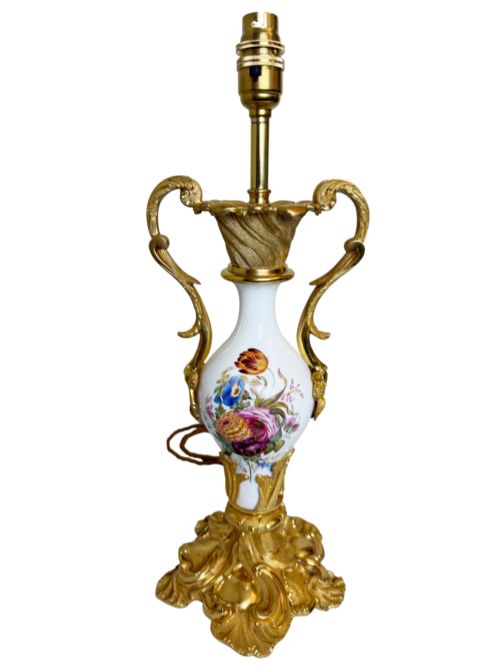
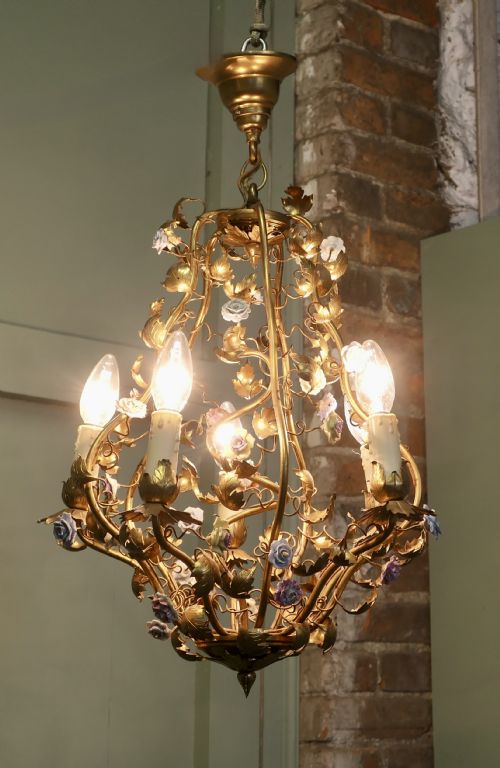
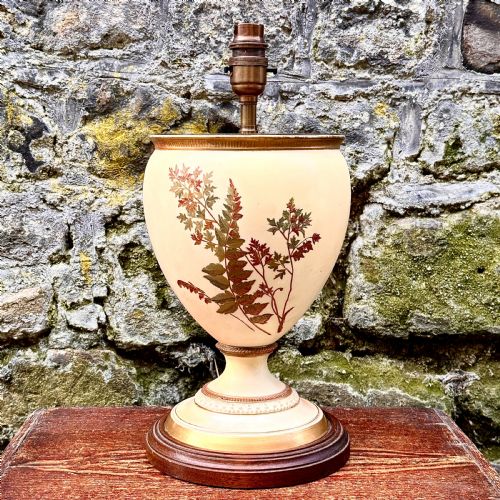
Construction relies heavily on porcelain bodies combined with metal mounts in brass, gilt bronze, and ormolu. Ceramic and tolewicker elements frequently support floral designs and hand-painted glaze work.
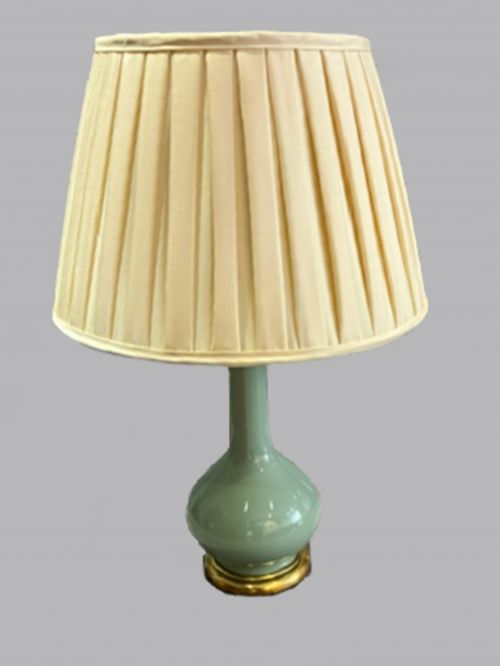
Many of these pieces began life as vases, jars, or oil lamps before later conversion into wired lamps. Metal fixtures and gilt bronze trims are often added to secure the porcelain body and house electrical components.
Listings feature porcelain lighting in styles ranging from Victorian and Edwardian to Art Deco and Chinoiserie.
Factors of quality
Quality rests upon the crispness of the porcelain moulding and the detail within hand-painted or pate sur pate decoration. Pieces originating from established factories show finer control over glaze depth and colour.
The integration of metal mounts also dictates overall merit. Gilt bronze and ormolu mounts cast with precise floral or figural chased work separate finer examples from simpler production.
Nymphenburg·Villeroy and Boch·Sitzendorf·Royal Worcester·Karl Ens
The Vintage Porcelain Light Glossary
- Ormolu
- Gilded bronze mounts applied to furniture and ceramics. This technique provides ornamental metal trim around the base and collar of porcelain bodies.
- Pate sur pate
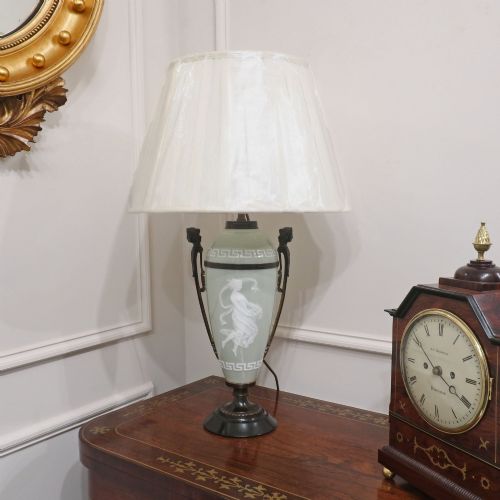
- A method of porcelain decoration where wet white slip is built up in layers on a coloured clay body. This creates a low-relief cameo effect.
- Satsuma
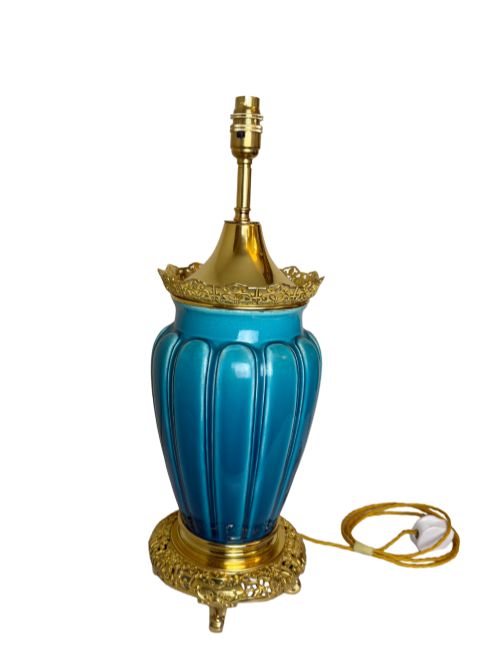
- Japanese earthenware decorated with intricate enamel patterns and gilt over a crackle glaze. These vessels are frequently found converted into table lamps.
- Toleware
- Painted or lacquered sheet metal used for decorative items and light fixtures. It often mimics floral forms alongside ceramic elements in chandeliers.
Vintage Porcelain Light: Frequently Asked Questions
How do I identify a converted vase lamp?
Converted lamps generally show drilled holes near the base for electrical wiring or fitted metal collars holding the lamp fitting at the top.
Inspect the underside and interior where possible to check if the original vessel remains intact beneath the added hardware.
What periods do these porcelain lights cover?
The available selection spans from eighteenth-century Delft pieces up to Art Deco designs from the nineteen-thirties.
Victorian and Edwardian eras are heavily represented, alongside nineteenth-century French and Japanese Satsuma examples.
Are these fixtures suitable for modern wiring?
Most antique lamps and sconces have been adapted for contemporary electrical standards over time.
Buyers should inspect the specific wiring of each piece or consult a professional electrician before installation.
What is the difference between Satsuma and Delft ware?
Satsuma ware originates from Japan, featuring detailed enamel and gilt work over a fine crackle-glaze earthenware body.
Delft ware refers to tin-glazed earthenware from the Netherlands, traditionally known for blue and white botanical or figural motifs.