
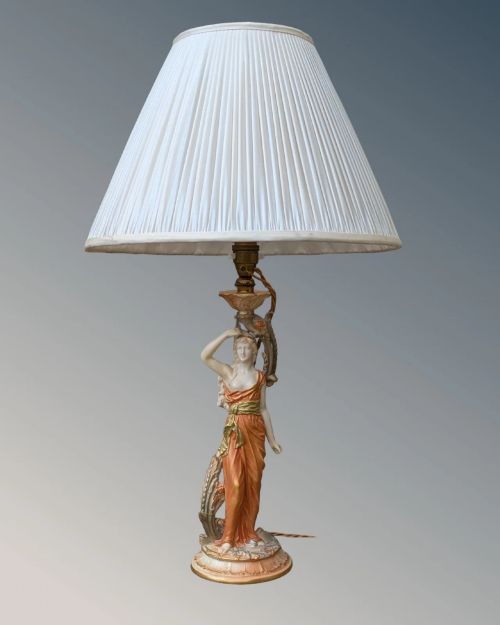


Figural Porcelain Lamp
A figural porcelain lamp brings sculptural human and animal forms into your interior, combining decorative figures with functional lighting.

Figural Porcelain Lamp
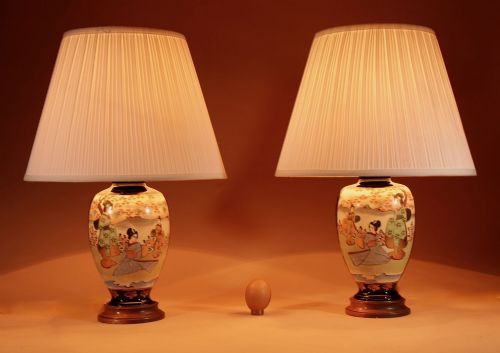
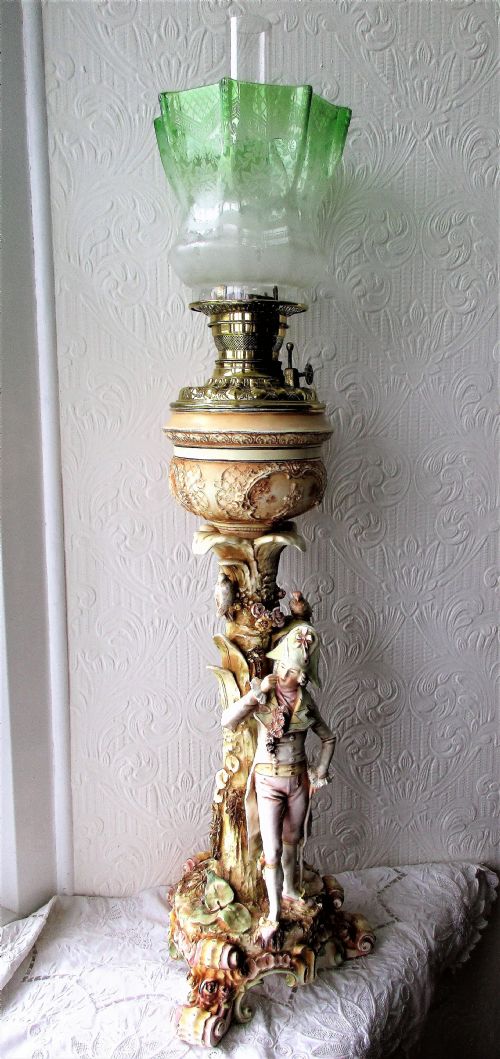
When you search for a figural porcelain lamp, you encounter sculptural ceramics combined with lighting components spanning the nineteenth century up to the nineteen thirties. The selection here ranges from Victorian oil lamps with figural bases to Art Deco examples and Asian export ceramics adapted for electricity.
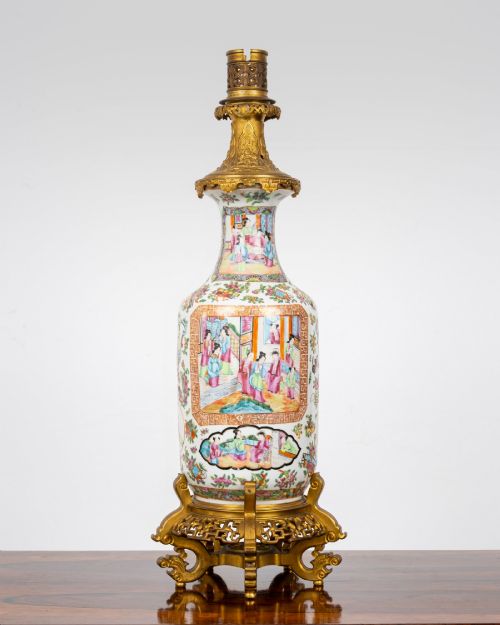
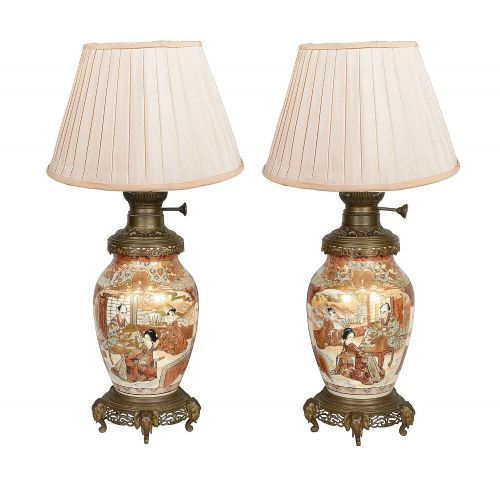
You are most likely to meet Chinese export vases adapted into table lamps alongside European figurative pieces. Satsuma and Famille Rose wares frequently appear converted into lamps, while continental factories produced specific figural subjects like cherubs and animals.
The forms shift between converted antique vessels and pieces conceived from manufacture as lighting. Oil lamps from the nineteenth century sit alongside later table lamps designed specifically for electrical fittings.
Materials and construction
The primary bodies utilise porcelain, ceramic, and biscuit porcelain, often decorated with hand-painted glazes, blue and white pigments, or intricate enamel work. These ceramic elements frequently integrate with metal mounts in brass, gilt bronze, and gilt toleware.
Makers combined the ceramic bodies with functional lighting hardware, ranging from early oil burner mechanisms to later electrical fittings and fabric or silk shades. Structural stability required secure mounting of the porcelain to weighted bases of wood or metal.
An inquisitive porcelain owl keeps watch over the room while secretly hiding an oil burner inside.
Assessing quality and execution
Quality reveals itself in the precision of the porcelain modelling and the crispness of the hand-painted detail on the figures or vases. Finer examples display superior glaze consistency and more delicate facial expressions or anatomical rendering on the subjects.
The integration of mounts and hardware differentiates standard production from exceptional pieces. Superior lamps employ finely chased gilt bronze or brass mounts that complement the porcelain body without obscuring its primary design.
Royal Worcester·Karl Ens·Anton Buschelberger·Ernst Wahliss·Sitzendorf
The Figural Porcelain Lamp Glossary
- Satsuma
- A type of Japanese earthenware or porcelain with a pale ivory crackle glaze, heavily decorated with enamels and gilding. These pieces were frequently exported to Europe and later converted into table lamps.
- Famille Rose
- A Chinese porcelain palette characterised by opaque pink or rose enamel colours, introduced during the Qing dynasty. Lamps utilising these vases display floral and figural motifs in soft pink hues.
- Biscuit porcelain
- Unglazed ceramic fired once, presenting a matte, marble-like surface texture. It was often utilised for sculptural figures and classical oil lamp bases.
- Veilleuse
- A French night light or small heating lamp, often ceramic. These domestic pieces appear in Art Deco designs adapted for ambient lighting.
- Crackelware
- Pottery or porcelain featuring a network of fine cracks in the glaze deliberately induced during cooling. It appears on Chinese export vases used as lamp bases.
Figural Porcelain Lamp: Frequently Asked Questions
Are these lamps safe for modern electrical use?
Most antique lamps have been rewired at some stage to meet contemporary standards, though checking the internal wiring with a qualified electrician is standard practice before daily use.
Original oil lamp components are frequently adapted to house electrical fittings while preserving the external antique appearance of the metal burner and collar.
How do I clean a porcelain lamp safely?
Dust the porcelain and any fabric or silk shades gently with a soft dry cloth or feather duster to prevent accumulation. Avoid harsh chemical cleaners that might damage hand-painted enamel decorations or gilt bronze mounts.
Keep moisture away from any electrical components and the interior of the lamp base during cleaning.
Can I replace the lampshade easily?
Lampshades can be replaced, but finding a proportion and style that matches the height and visual weight of a figural base requires careful measurement. Many period lamps feature replacement silk or beaded shades that complement the era of the ceramic body.
Consider the harp fitting or shade carrier when selecting a replacement to ensure correct mounting.
How do I identify the period of the porcelain?
Dating relies on maker marks, glaze characteristics, and the style of the modelling, whether Victorian naturalism, Art Deco stylisation, or traditional Japanese Meiji motifs. Metal mounts and wiring hardware also provide clues regarding when the piece was manufactured or converted.
Consulting factory marks on the underside of the porcelain base offers the most reliable guide to origin and date.