

French Rococo Table Lamp
A french rococo table lamp brings swirling, asymmetric curves and lavish gilding to an interior, channelling the exuberant ornamentation of eighteenth-century palaces into practical domestic lighting.

French Rococo Table Lamp
A french rococo table lamp embodies the decorative spirit of the Louis XV era, heavily revived across the nineteenth and early twentieth centuries in various metallic and sculptural forms.
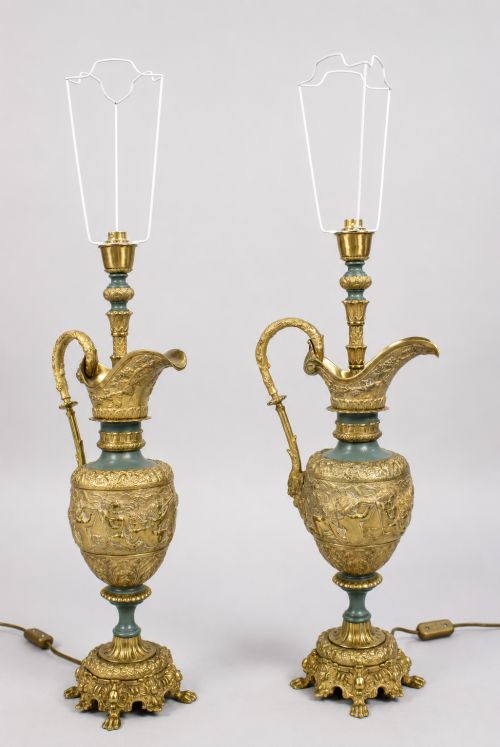
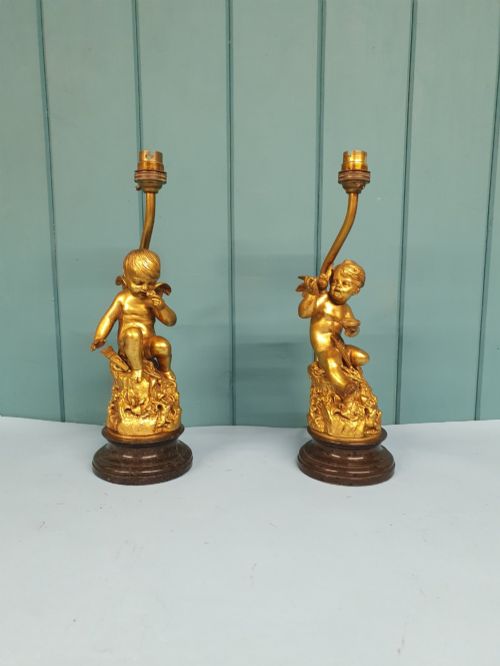
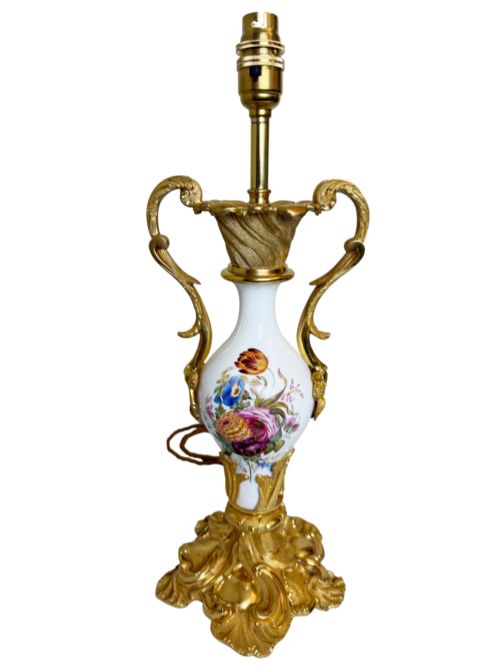
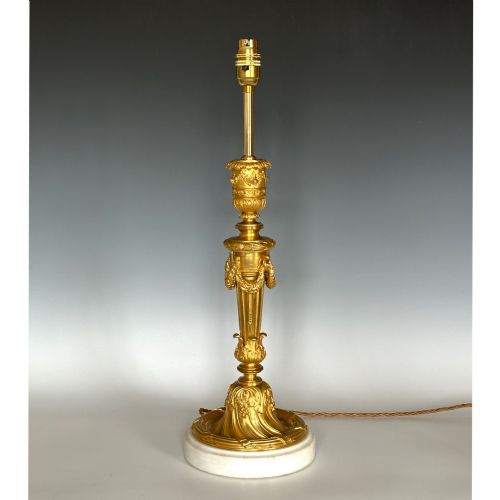
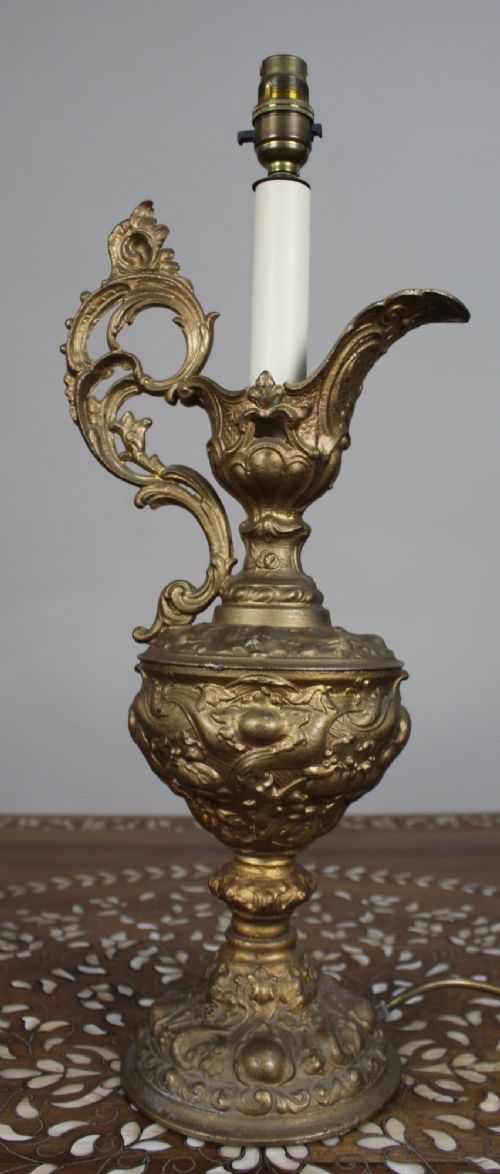
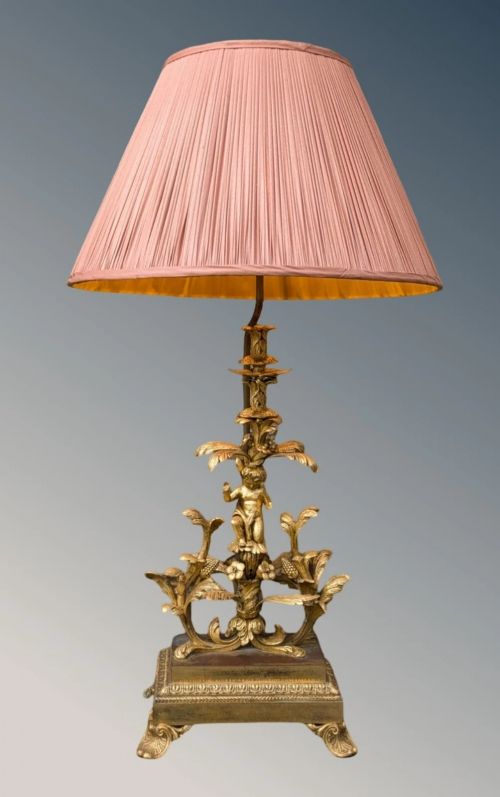
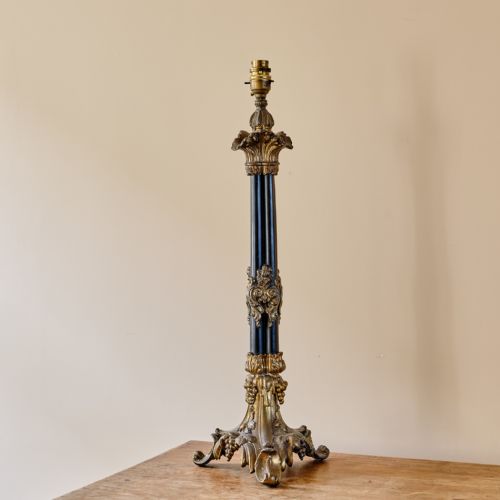
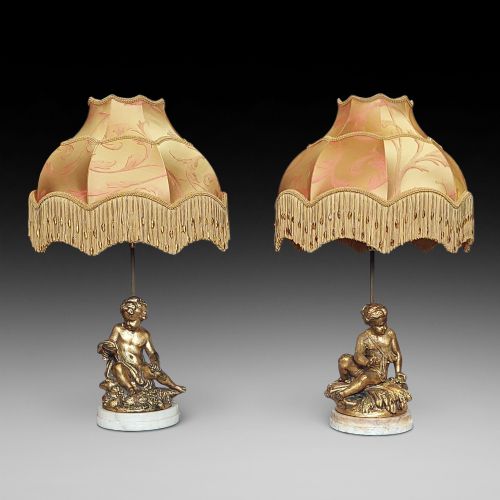
Buyers seeking this aesthetic encounter everything from delicate cast brass ewer bases and cherub torchères to substantial gilded bronze candelabra converted for modern illumination.
The selections span distinct revival periods, predominantly originating from nineteenth-century workshops and early twentieth-century adaptations that retain ornate scrolling motifs.
Materials and construction methods
Craftsmen utilised bronze, brass, and copper alloys, often applying heavy gilding or ormolu finishes to achieve the characteristic rich surface lustre associated with the style.
Foundry work involved lost-wax or sand casting to capture intricate botanical scrolls, asymmetrical cartouches, and figural elements such as cherubs.
Many surviving examples incorporate secondary materials including marble for bases, crystal drops, or hand-painted porcelain components integrated into the metal armature.
Object forms vary widely across the archive, encompassing standard floor lamps, ewer lamp bases, and multi-light candelabra.
Evaluating craftsmanship and detail
Quality rests in the crispness of the chased and finished metalwork, where superior pieces exhibit sharply defined acanthus leaves and fluid, hand-tooled contours rather than soft, blurred casting.
Weight and structural substance distinguish finer examples, as solid cast bronze and heavy ormolu mounts provide greater stability and depth of tone than lighter gilt-metal alternatives.
The sophistication of the original design execution - such as the naturalistic posture of figural mounts and the harmonious integration of electrical conversions - determines the standing of individual specimens.
François Linke
The French Rococo Table Lamp Glossary
- Ormolu
- Gilded bronze, derived from the French term for ground gold, applied to metal mounts through a mercury amalgamation process or later electroplating techniques.
- Ewer
- A jug with a wide spout traditionally used for water, adapted in these lighting forms to create tall, handled lamp bodies.
- Torchère
- A decorative stand or sculptural lamp base originally designed to carry a torch or multiple candles.
- Candelabra
- A branched candlestick holder designed to hold multiple lights, frequently converted into imposing table or standard lamps.
- Cartouche
- An ornamental tablet or panel enclosed by an irregularly shaped scroll-like frame, commonly seen on rococo bases.
French Rococo Table Lamp: Frequently Asked Questions
How do I date a french rococo table lamp?
Dating relies upon examining the casting quality, the composition of the metal alloys, and the wiring or mounting hardware beneath the base. Nineteenth-century examples typically display heavier hand-chased bronze and older fastening methods compared to twentieth-century reproductions.
Stylistic nuances also offer clues, as nineteenth-century revivals often leaned towards grander, heavier proportions, whereas later twentieth-century iterations occasionally adopted lighter constructions or integrated different secondary materials.
Were these lamps originally electrified?
Almost none of these pieces started life with electrical wiring, as the majority began as oil lamps, gas fixtures, candelabra, or decorative bronze statuettes. Conversion usually took place later to adapt the antique metalwork for modern household use.
When inspecting a piece, look at how the fitting passes through the original structure to ensure the conversion respected the integrity of the antique metalwork without causing unnecessary damage.
How do I clean gilded bronze safely?
Gilded bronze and ormolu require gentle maintenance using a soft, dry microfiber cloth to remove dust. Avoid chemical polishes, abrasives, or water, as these can strip away the delicate gold layer and expose the underlying base metal permanently.
If grime accumulates in the recessed scrolls, a very soft dry artist's paintbrush can help lift debris without scratching the vulnerable gilded surface.
Where should I place this lamp in a room?
These lamps function best on sturdy occasional furniture, side tables, or desks where their sculptural silhouette and reflective gilded surfaces can catch ambient light. Because of their ornate proportions, they suit spaces that benefit from a strong focal point.
Pairing them with simple, neutral shades ensures the complex brass or bronze base remains the primary visual feature of the arrangement.