
Antique Candlestick Lighting
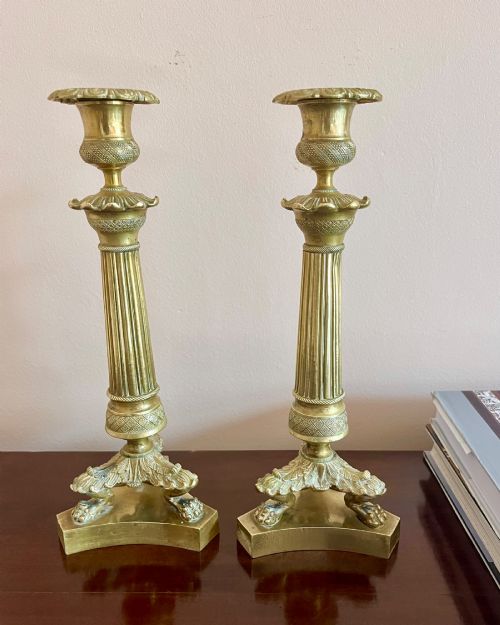
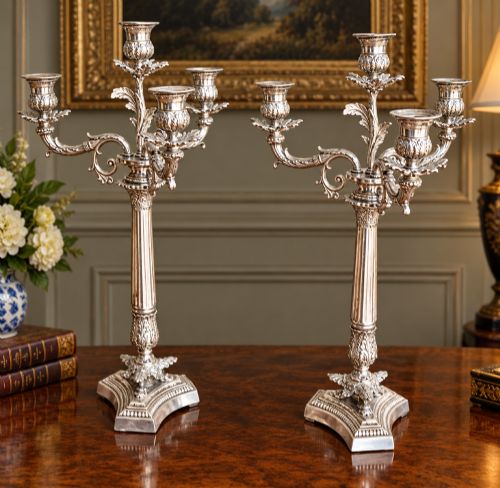
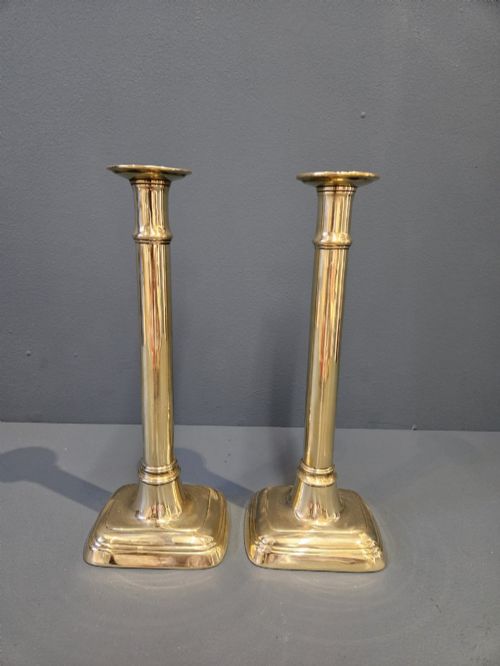
Antique candlestick lighting encompasses centuries of domestic illumination, from heavy brass table pieces to ornate bronze candelabra designed to throw warm light across a room.
Antique Candlestick Lighting
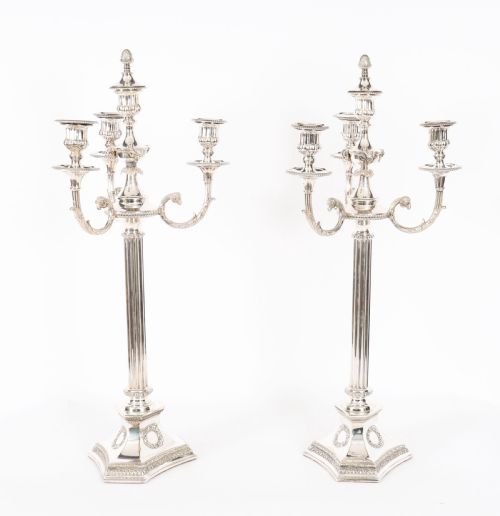
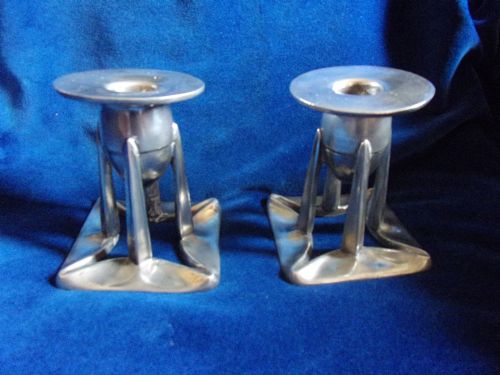
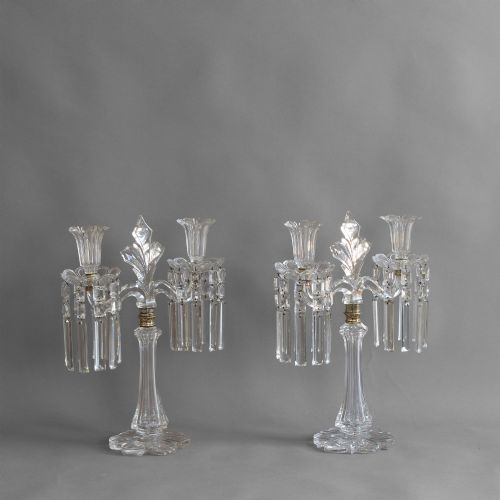
When you search for antique candlestick lighting, you encounter an array of objects designed to hold candles or adapt to electrical illumination, spanning multiple centuries. The selection encompasses traditional candlesticks, multi-branched candelabra, wall sconces, tall floor torcheres, and mantel lustres.
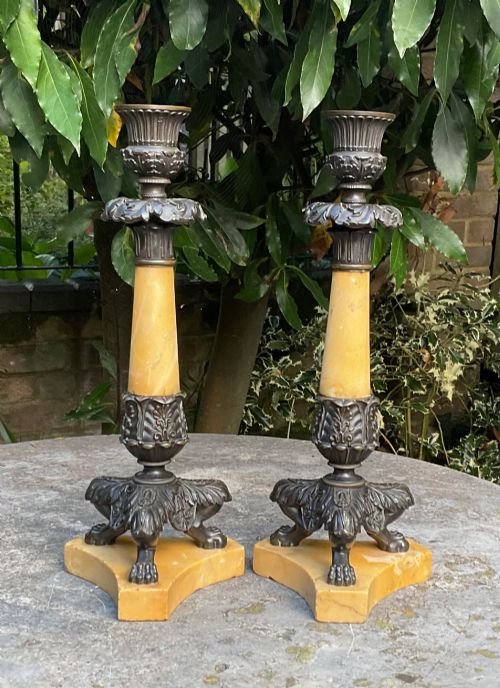
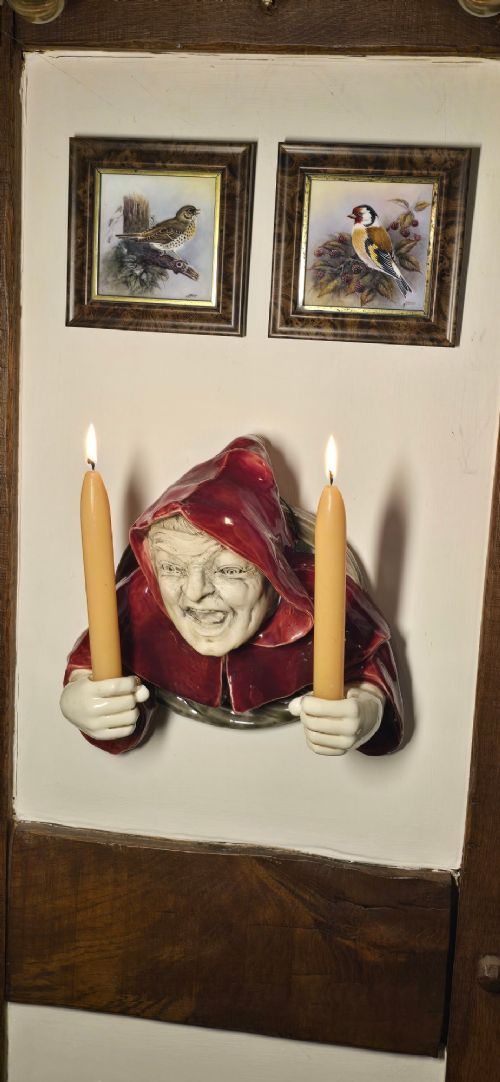
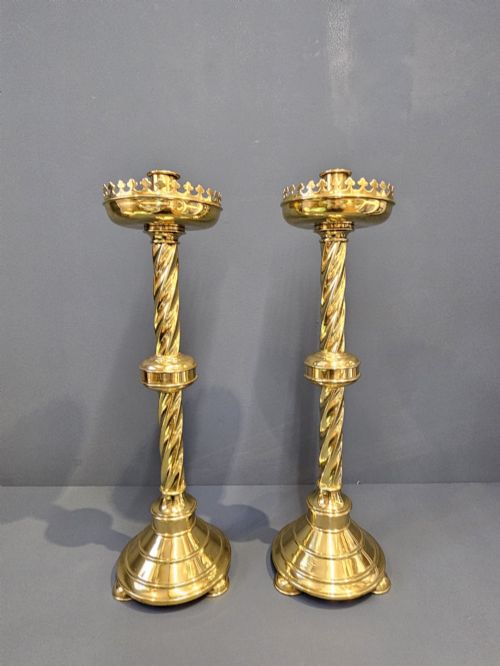
The pieces you are most likely to meet on this page hail from the Victorian and Georgian eras, alongside numerous 19th-century examples. These range from heavy architectural brass columns to playful figural designs involving animals or cherubs.
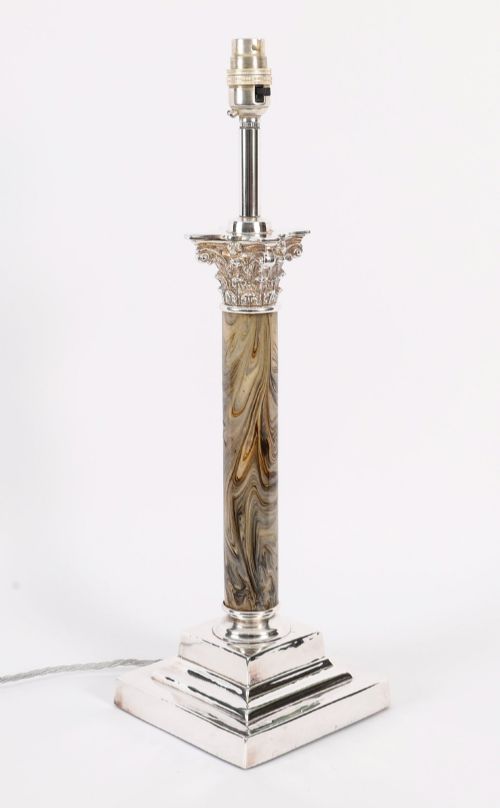
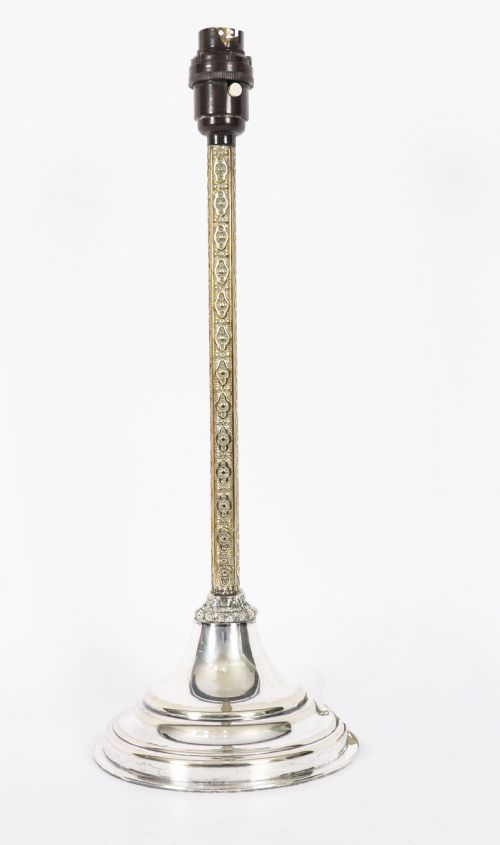
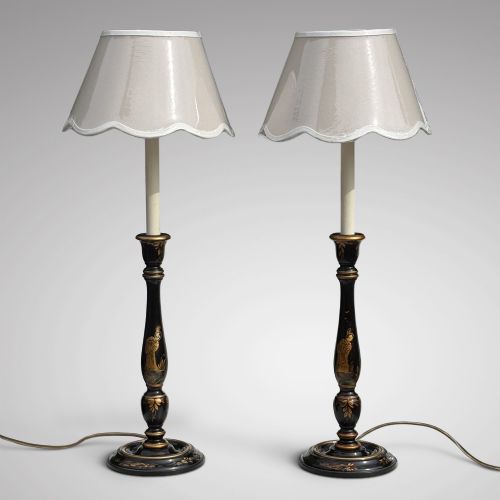
Forms cross over fluidly between purely functional candleholders and later adaptations as table lamps. You will also find carved wooden stands, pottery figures, and pewter items sitting alongside polished silver-plated and gilt bronze creations.
How they were made
Metal casting forms the backbone of these pieces, utilising brass, bronze, ormolu, and pewter shaped into columns, capitals, and bases. Silver plating techniques overlay base metals to mimic solid silver, while gilding adds a rich surface finish.
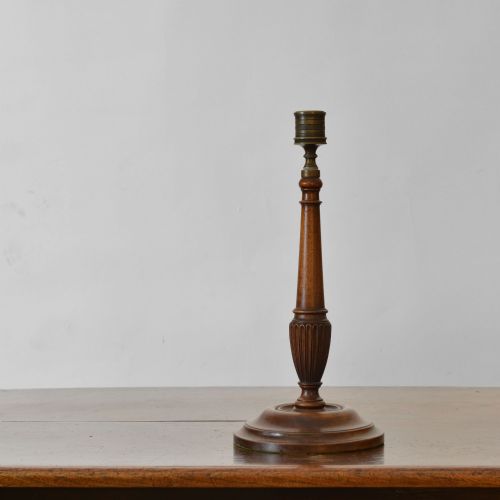
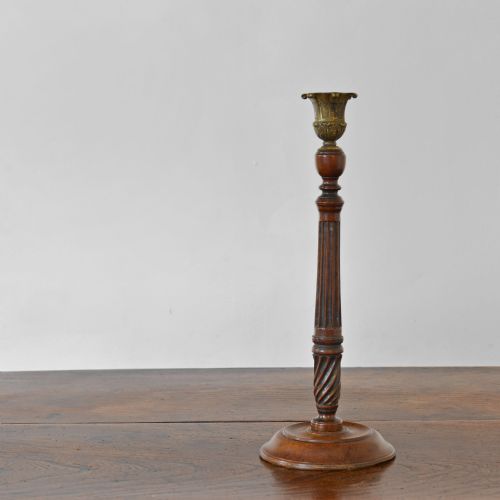
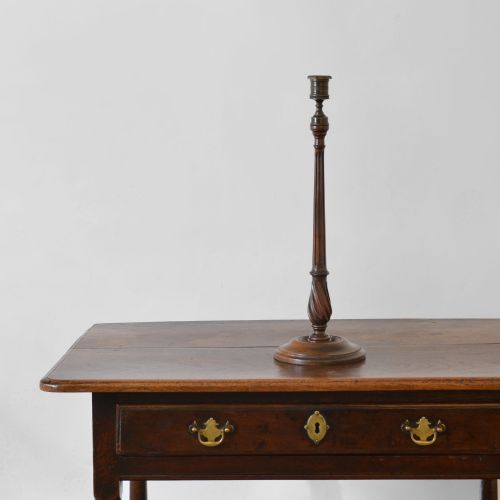
Other materials introduce contrasting textures, seen in carved mahogany, turned fruitwood, white marble, and detailed pottery. Fabric elements often complete pieces that have undergone conversion into table lamps.
Listings feature brass, silver plate, bronze, marble, and wood across periods spanning from the 17th century to the 1920s.
What varies in quality
The refinement of the casting and chasing work separates standard items from exceptional ones. Crisp details in foliate motifs, animal figures, or architectural fluting indicate superior craftsmanship.
Substantial weight and the integrity of assembly also define the better examples. Pieces constructed with heavier gauges of brass or paired with genuine marble and hand-carved wood demonstrate a higher standard of manufacture.
Archibald Knox·Mappin & Webb's·Barbedienne·Francois Redmond·Nymphenburg
The Antique Candlestick Lighting Glossary
- Candelabra
- A large branched candlestick holding multiple candles. These multi-light fixtures often sit on dining tables or sideboards.
- Ormolu
- Gilded bronze used extensively in decorative metalwork. The technique gives a rich gold-coloured surface to cast metal forms.
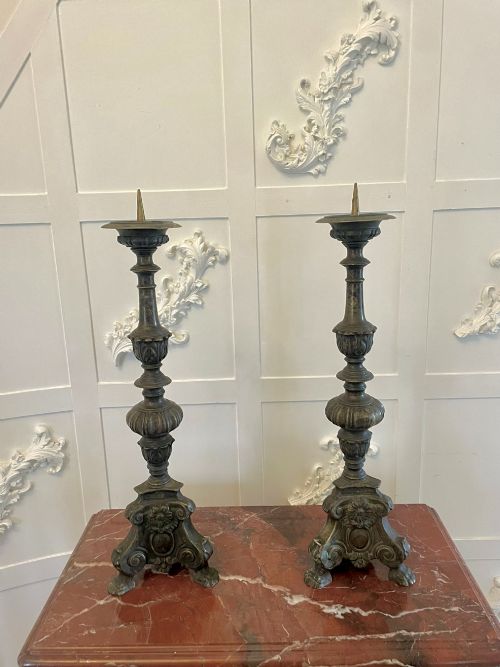
- Pricket
- A sharp metal spike upon which a candle is impaled. This type of spike appears frequently on church-style candlesticks.
- Torchere
- A tall stand or candlestick designed to elevate a light source. These wooden or metal supports often occupy corners of grand rooms.
- Heemskerk
- A sturdy early brass candlestick type originating in the Netherlands. These domestic items feature characteristic drip pans and multi-tiered bases.
- Corinthian
- An architectural order featuring capitals decorated with acanthus leaves. Many brass and silver-plated columns adopt this classical capital design.
Antique Candlestick Lighting: Frequently Asked Questions
How do I spot a converted lamp?
Look closely at the top socket and base for drilled holes or threaded wiring channels. These modifications usually indicate where an old candlestick was adapted for electricity.
Original candle holders retain intact drip pans and solid inner sockets without central wiring tubes. Many pieces bridge the gap by retaining their original form while carrying modern fittings.
What is a pricket candlestick?
A pricket candlestick uses a sharp metal spike instead of a traditional socket to secure the candle. This medieval-derived form holds large candles securely by their base.
You typically encounter this design on church candlesticks or heavier revival pieces rather than standard domestic table lighting.
How do I date brass candlesticks?
Examine the construction methods, base shapes, and weight of the metal. Early examples often feature multi-piece construction joined by internal threads or visible seams, whereas later Victorian pieces utilise machine-finished casting.
Style indicators like Neoclassical columns or Rococo curves also point towards specific periods. Comparing the patination and wear patterns helps confirm the age of the metal.