

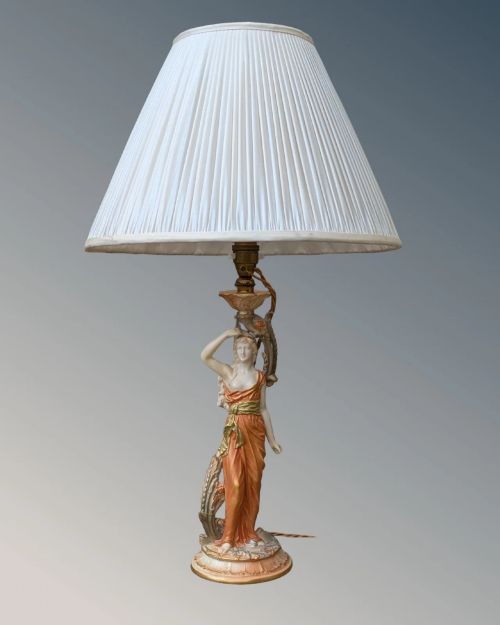


Vintage Figural Lighting
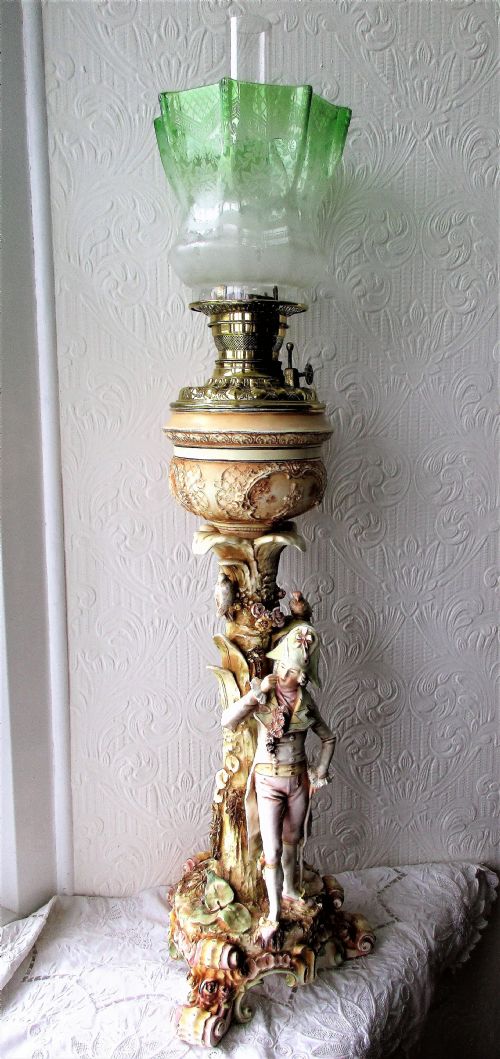
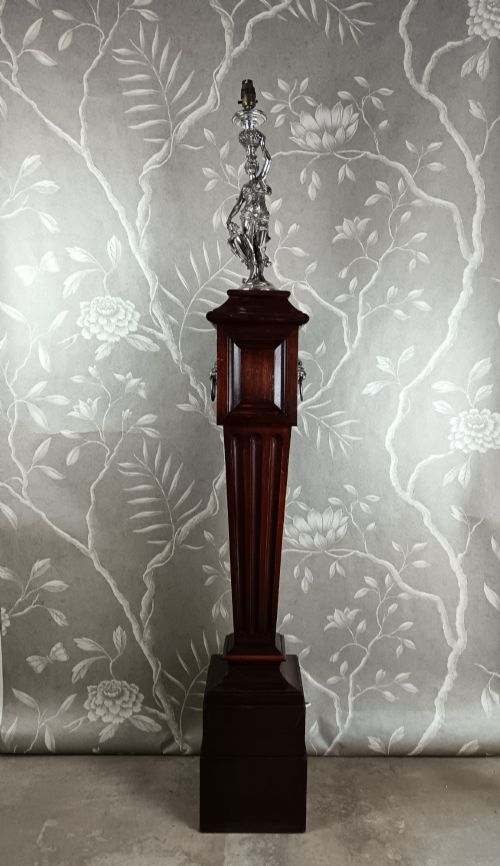
Vintage figural lighting turns human and animal forms into functional illumination, bringing sculptural presence and period character into a room.
Materials and Construction
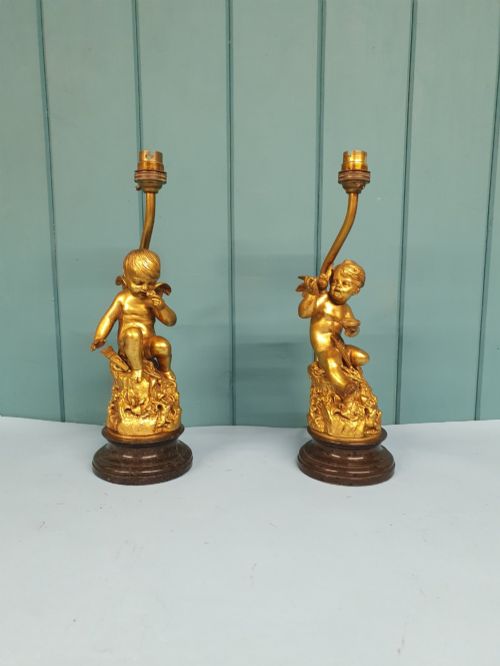
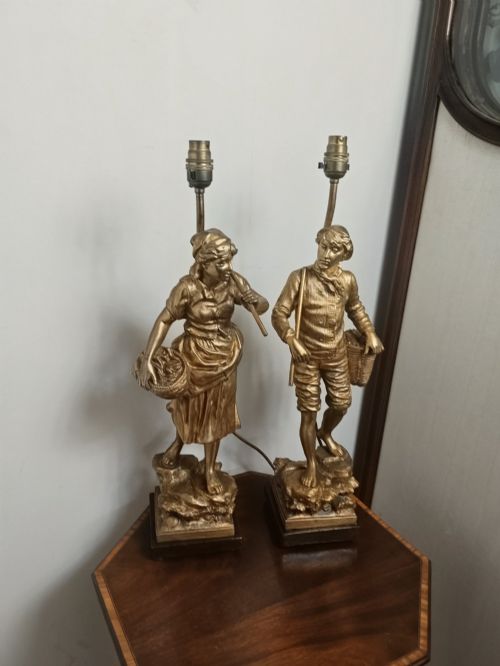
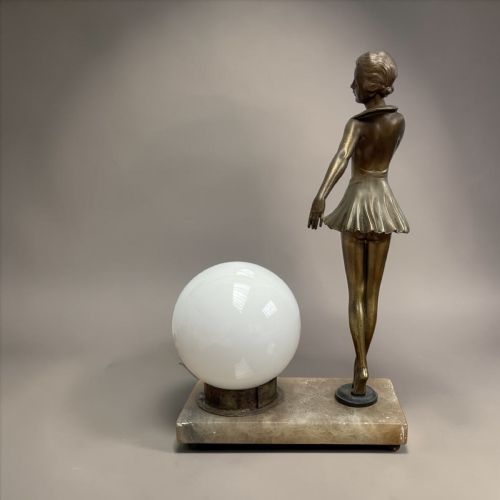
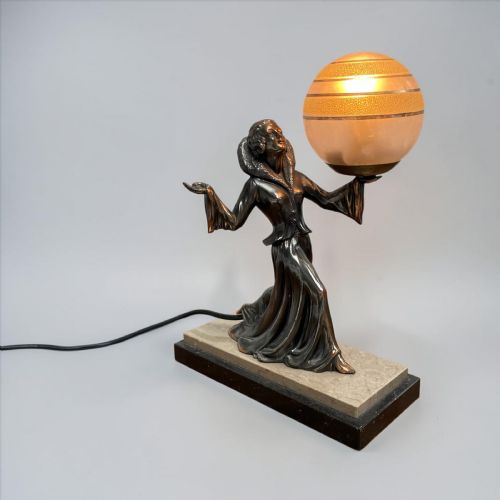
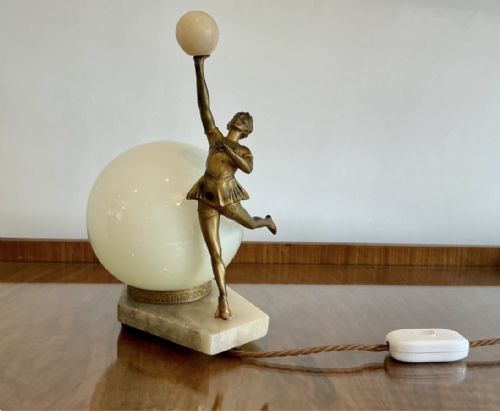
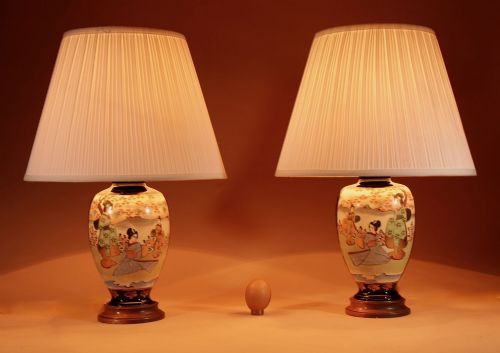
Makers utilised a combination of cast metals, ceramics, and carved materials to build these pieces, with bronze, brass, spelter, and silver-plated metal providing structural strength for figurative bases. Porcelain and frosted glass frequently form the figural components or shades, often paired with hand-painted details or gilt toleware finishes. Marble plinths and carved root wood frequently anchor the heavier metallic and ceramic figures, adding stability and textural contrast.
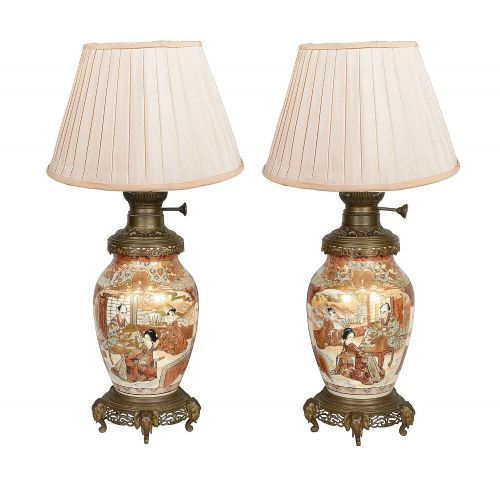
Casting techniques varied from traditional lost-wax bronze casting to spelter moulding popular in the early twentieth century. Ceramic figures rely on slip-casting and traditional glazing methods, seen in porcelain and Satsuma earthenware pieces. Structural assembly typically involves threaded rods or internal wiring channels passing through the core of the sculptural base to secure the lamp holder and shade.
Assessing Craftsmanship and Execution
Surface finishing marks another clear distinction between standard production and superior examples. Hand-applied gilding, multi-toned patination, and intricate hand-painted glazes indicate a higher level of artisanal input. Original components, such as specialised baccarat frosted glass shades or matched pairs, elevate the integrity of the piece.
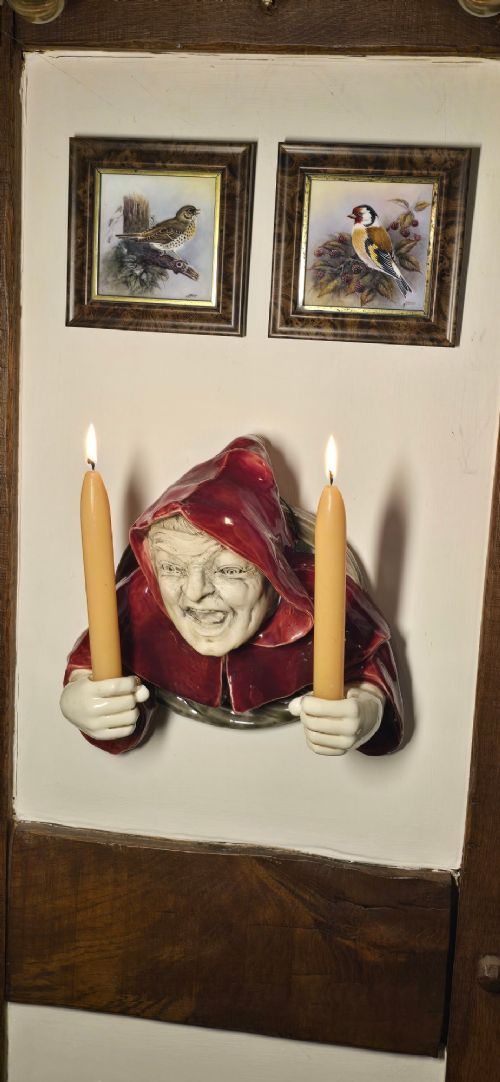
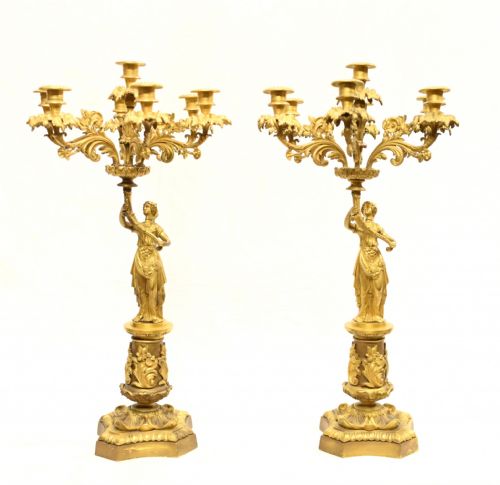
Object forms include table lamps, candlesticks, wall sconces, oil lamps, floor lamps, candelabras, and standard lamps.
E Rousseau·WMF·Karl Ens·Anton Buschelberger·Ivan Zaiec
The Vintage Figural Lighting Glossary
- Spelter
- A zinc alloy commonly utilised as a less expensive substitute for bronze in decorative figures and lamp bases, often given a patinated or gilt finish to imitate more costly metals.
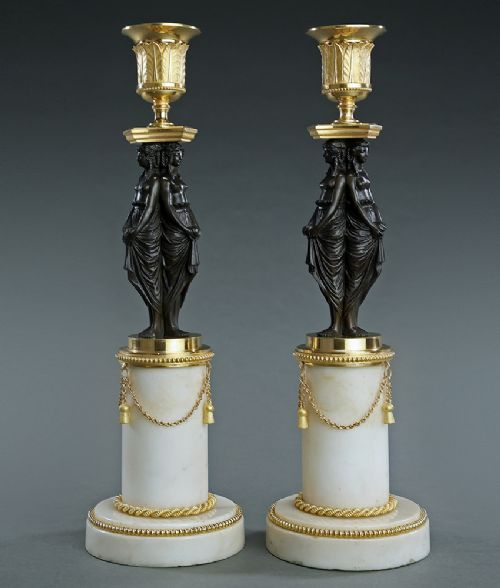
- Caryatid
- A carved female figure serving as an architectural support or pillar, frequently adapted into the stems of nineteenth-century candlesticks and floor lamps.
- Torchere
- A tall stand or floor lamp designed to hold a light source upwards, often featuring a figure holding a torch or light cluster.
- Veilleuse
- A type of small night light or mood lamp, frequently executed in ceramic or porcelain during the Art Deco period.
- Gilt toleware
- Lacquered or painted sheet metal enhanced with gold leaf or metallic paint, often found on decorative shade mounts and backing plates.
Vintage Figural Lighting: Frequently Asked Questions
What periods do these lamps come from?
The pieces span from the nineteenth century through the Edwardian era and into the 1920s, 1930s, and 1940s. Art Deco and Art Nouveau styles feature prominently alongside earlier Victorian and Neoclassical revivals.
Manufacturing dates generally reflect the technological shifts from oil-burning lamps to electrified fittings, with many older bases adapted for modern electrical use.
How were figural lamps originally used?
These pieces served as both primary illumination and decorative status objects in period interiors. They were placed on mantelpieces, desks, side tables, and pedestals to provide ambient or task lighting.
Many started life as oil lamps, candlesticks, or candelabras before undergoing conversion to electricity as household wiring became standard.
Are these lamps wired for modern use?
Most antique and vintage lamps found here have been electrified at some point in their history, often reflecting the standards of their operating countries. Buyers should expect to have older wiring inspected or replaced by a qualified electrician to meet current safety regulations.
Conversion methods vary, with some retaining original fittings where possible and others updated entirely for modern bulbs.