


Vintage Painted Desk
A vintage painted desk brings colour and character to a study, offering a practical writing surface with decorative charm.
Vintage Painted Desk
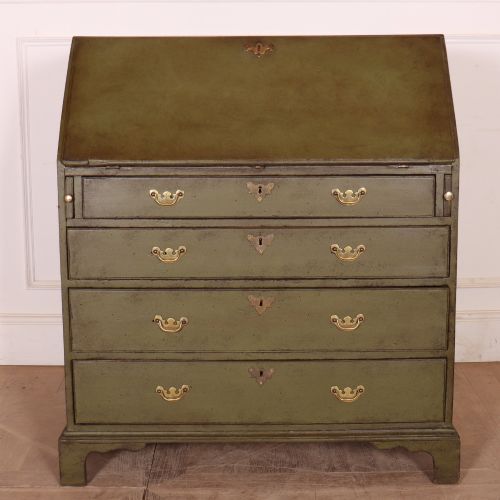
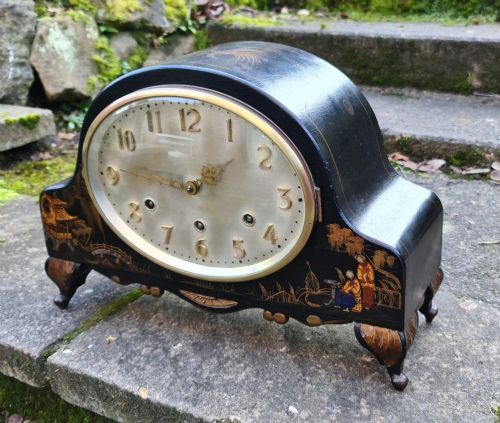
A vintage painted desk combines useful writing surfaces with decorative finishes ranging from simple cream tones to intricate Chinoiserie lacquer. Buyers hunting for a vintage painted desk will encounter items spanning the eighteenth century through to the 1930s, including bureau forms and writing tables.
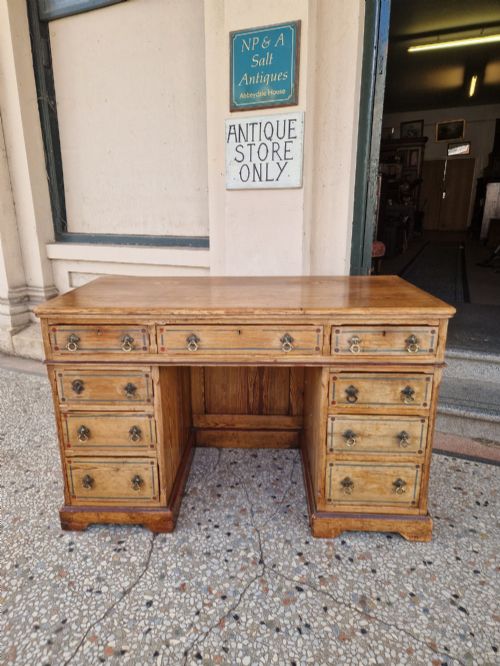
The selection includes English painted bureaux alongside French kneehole desks and Victorian writing tables. These pieces bring historical depth and distinct colour into modern interiors while retaining their functional workspace origins.
Materials and construction
Construction relies primarily on wood, incorporating timber bases prepared to receive layers of paint, gilt, or lacquer. Artisans applied traditional pigments by hand, sometimes sealing the decorated surfaces with clear varnish to protect the delicate motifs underneath.
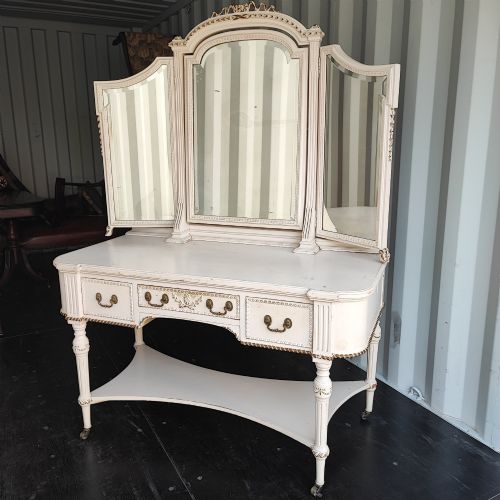
Surface details often include applied brass hardware, glass elements, and fabric inserts such as suede writing pads. The combination of solid timber framing and careful hand-painting defines the physical build of these pieces.
Assessing quality and execution
Quality rests upon the preservation of the original painted or lacquered surface and the crispness of any hand-painted detail. Pieces showing intact artistic execution without heavy modern intervention stand apart from heavily restored examples.
The sophistication of the joinery and the integrity of the underlying timber structure dictate the durability and standing of each desk. Masterful brushwork and balanced proportions elevate certain examples above standard utilitarian writing furniture.
Franz Bergman·Royal Worcester·Maple And Co·Sega
The Vintage Painted Desk Glossary
- Chinoiserie
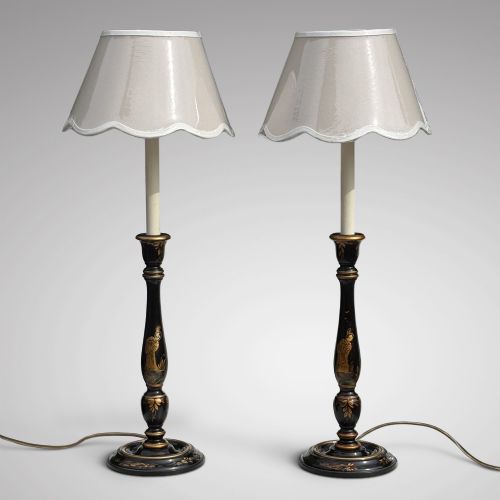
- European decorative style reflecting Chinese artistic influences, frequently seen in gold motifs on lacquered backgrounds.
- Bureau
- A sloping desk with a hinged flap that opens to reveal compartments and small drawers for writing materials.
- Kneehole desk
- A freestanding desk featuring a central recess for the legs, flanked by pedestals of drawers on both sides.
- Lacquer
- A durable resin finish applied in multiple layers and polished to a smooth, glossy sheen, often decorated with painted scenes.
- Cabriole leg
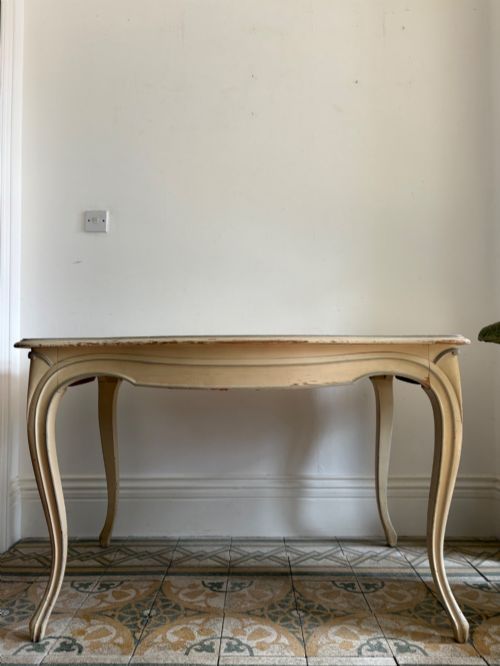
- A furniture leg that curves outward at the knee and tapers inward toward the foot, typical of period seating and tables.
Vintage Painted Desk: Frequently Asked Questions
How do I clean a painted desk?
Dust gently with a soft, dry cloth to prevent accumulation of grit on the painted surface. Avoid harsh chemical cleaners or abrasive pads that can strip the historic finish.
Keep the desk away from direct sunlight and excessive moisture to protect the timber and decorative layers from cracking or fading over time.
Are these desks suitable for daily work?
Many period writing desks function well for modern laptop use and paperwork, provided the writing height matches your ergonomic needs. Consider adding a matching chair that fits comfortably beneath the kneehole space.
Protect the writing surface with a blotter or leather pad if you intend to use fountain pens or heavy writing implements daily.
How can I date my painted desk?
Examine the construction methods of the drawers, the type of screws used, and the style of the hardware for period clues. Wood shrinkage patterns and the composition of the paint layers also help indicate the era of manufacture.
Compare the decorative motifs and legs against known historical styles such as French Provincial, Art Deco, or Victorian designs.
What is lacquer work?
Lacquer work involves applying successive coats of refined resin to a wooden core, resulting in a hard, glossy surface. Artisans often hand-paint oriental scenes or floral motifs directly onto this smooth background.
This technique requires immense patience and skill, making lacquered pieces distinct from standard painted furniture.