

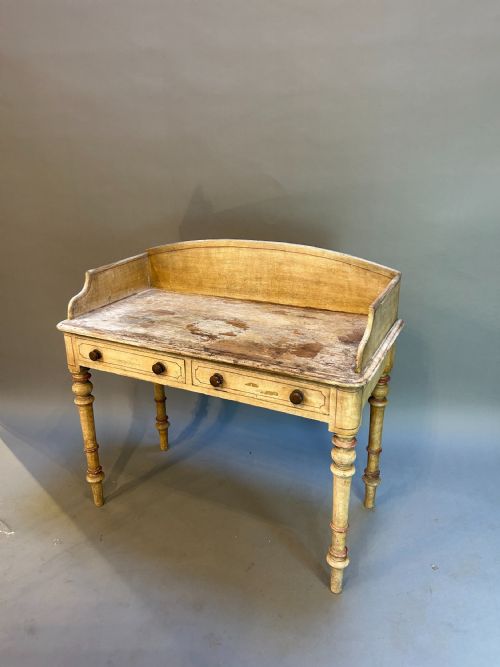
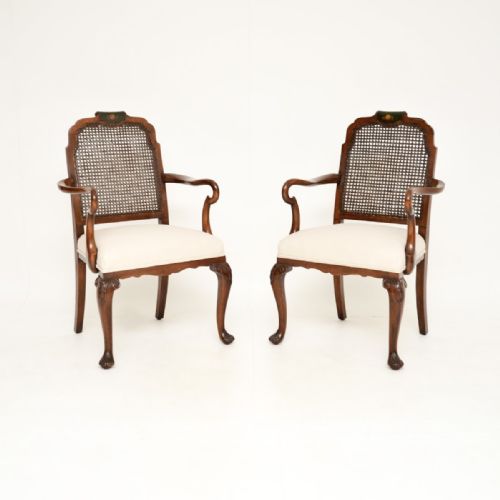
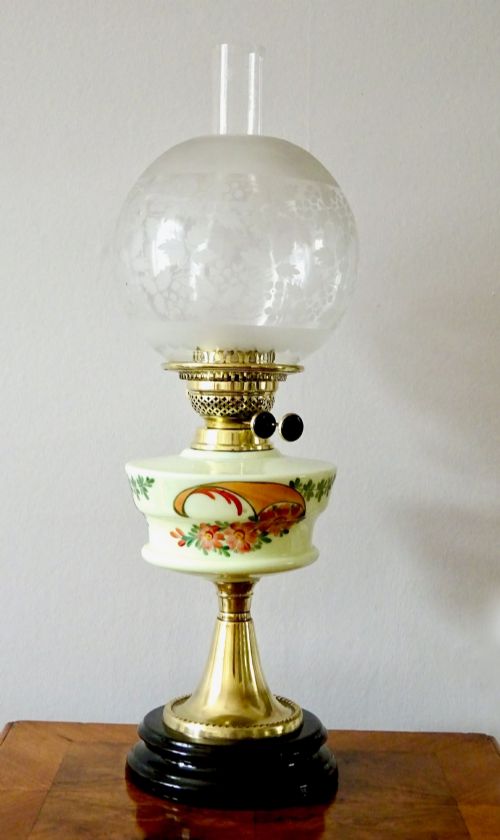
Edwardian Painted Desk
When you want an edwardian painted desk, you are looking for light timbers finished with delicate brushwork that bring a refined air to a room.
Edwardian Painted Desk
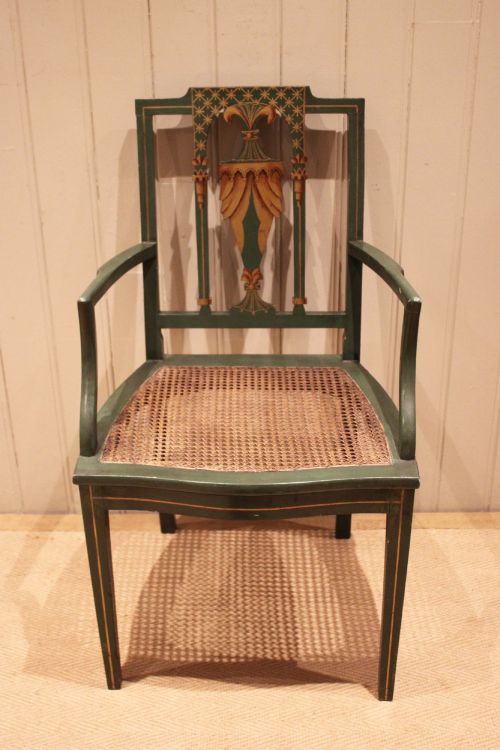
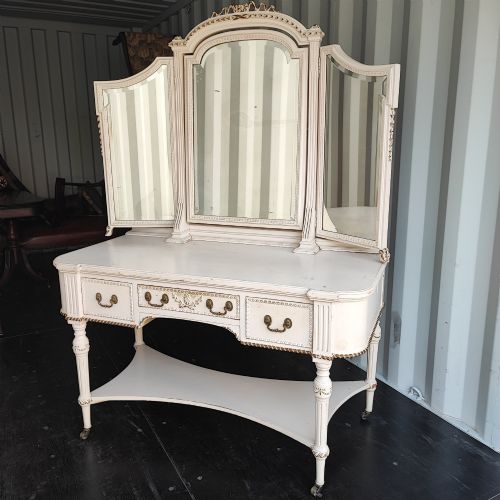
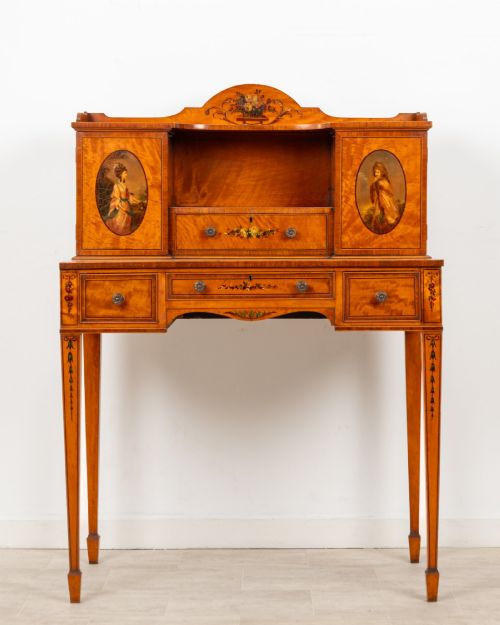
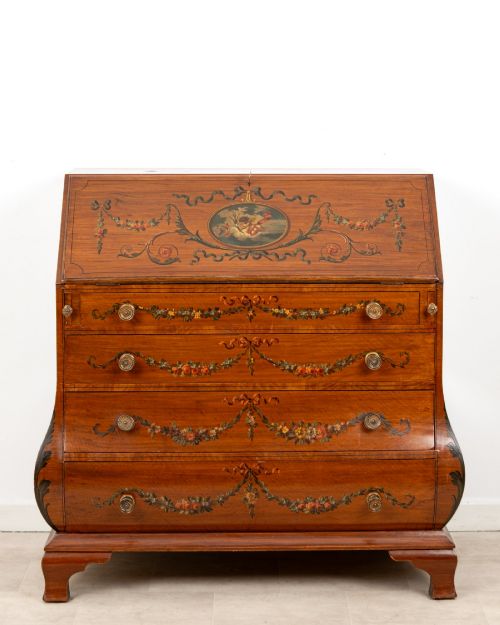
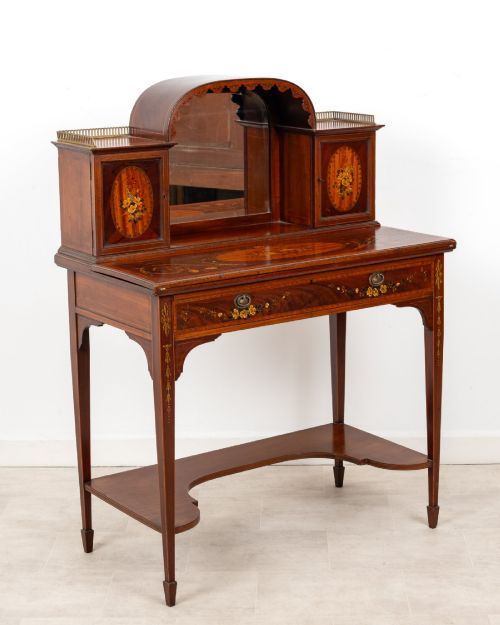
An edwardian painted desk typically presents a satinwood or mahogany carcass embellished with fine floral swags, classical motifs, or Chinoiserie scenes. The form ranges from simple writing tables with tapered legs to elaborate pieces featuring mirrored superstructures and fitted drawers.
While the period spans the turn of the twentieth century, the design language often looks back to eighteenth-century Sheraton and Hepplewhite models. The most frequent examples combine light woods with hand-painted ornamentation tailored for ladies' boudoirs and elegant reception rooms.
Materials and construction
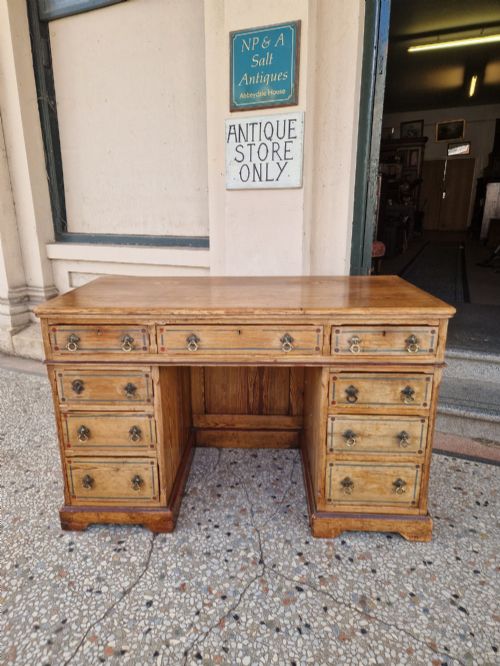
Cabinet makers utilised satinwood and mahogany as smooth grounds for artwork, often incorporating cedar or pine for secondary timbers inside the drawers. Brass handles, leather writing surfaces, and glass elements complete the structural composition.
The decorative schemes rely on hand-applied pigments directly onto the wood or over a lacquered base, sometimes sealed with a clear varnish. Joinery follows traditional dovetailing and pegged framing typical of quality British workshop production.
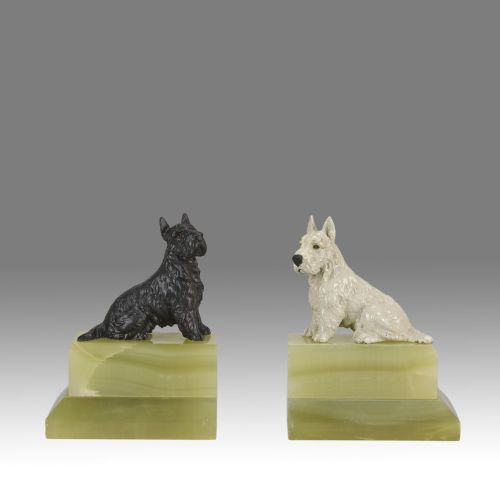
A cold-painted bronze terrier and a nodding dog keep watch over the collection.
What separates the grades
The fidelity and preservation of the hand-painted artwork dictate the standing of a piece, with crisp, detailed brushwork commanding the highest regard. Faded pigments, heavy restoration, or crude later embellishments diminish the integrity of the surface.
Structural refinement also defines the better examples, seen in the choice of figured veneers, well-fitted internal stationery compartments, and original brass hardware. Pieces that retain their untouched finish and balanced proportions sit firmly at the upper end.
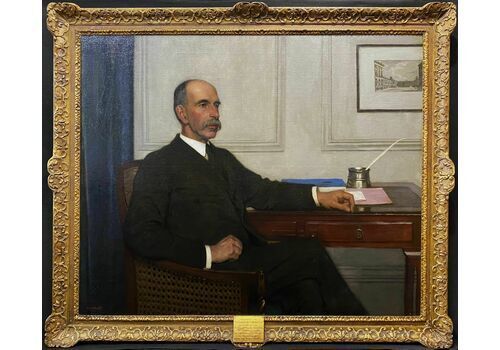
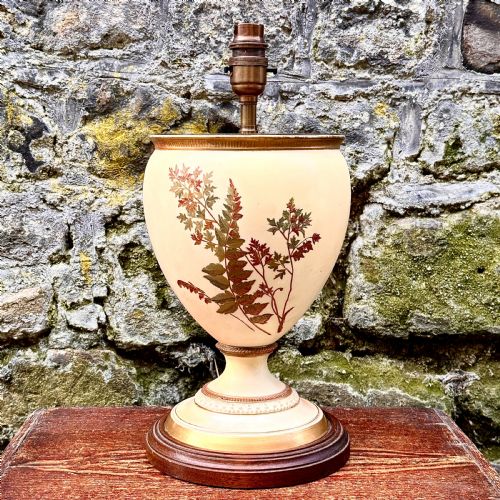
Harold Knight RA·Royal Worcester
The Edwardian Painted Desk Glossary
- Satinwood
- A durable tropical timber with a natural golden lustre and satin-like sheen, frequently used as the primary veneer for painted furniture.
- Chinoiserie
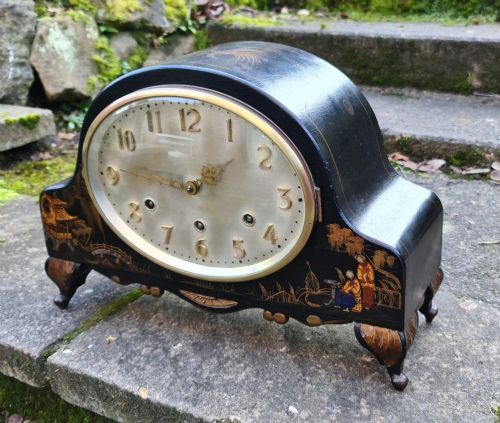
- European decorative style employing imitation Chinese motifs, typically featuring figures, pavilions, and landscapes in gold or colour on a lacquered ground.
- Superstructure
- A set of small drawers, shelves, or a mirror attached to the top surface of a desk for stationery and display.
- Sheraton Revival
- A late nineteenth and early twentieth century design movement replicating the lighter, neoclassical furniture forms associated with Thomas Sheraton.
- Bureau
- A sloping desk lid opening to reveal a fitted interior of pigeonholes and small drawers above a chest of drawers.
Edwardian Painted Desk: Frequently Asked Questions
Where were these desks used?
These pieces were principally designed for light clerical work in drawing rooms, bedrooms, or private boudoirs rather than heavy commercial offices.
Ladies utilised them for correspondence, diary-keeping, and managing household accounts in the comfort of private residential spaces.
How do I care for the painted surface?
Keep the wood away from direct sunlight and heat sources to prevent the painted finish and delicate satinwood veneers from drying out or cracking.
Dust gently with a dry, soft cloth and avoid chemical polishes that can lift or damage the historic pigment layers.
Are these pieces strictly Edwardian?
While the majority date from the Edwardian era around nineteen hundred, the aesthetic draws heavily on late Victorian revivals and eighteenth-century neoclassical precedents.
Makers continued producing furniture in this light, painted style well into the twentieth century, echoing earlier Regency and Sheraton tastes.