




Vintage Oriental Decor
Vintage oriental decor gathers pieces from diverse Asian traditions, offering distinctive wooden, porcelain and lacquered items that bring rich historical character to domestic interiors.
Vintage Oriental Decor
Vintage oriental decor encompasses an eclectic mix of objects originating from various Asian regions and British adaptations produced across the nineteenth and early twentieth centuries. Buyers seeking these items will find functional and ornamental pieces including vases, wall mirrors, bowls, and boxes produced in styles such as Japanese Imari, Chinoiserie, and Kashmiri.
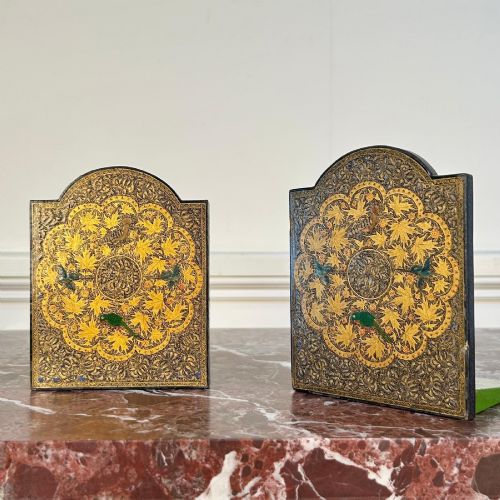
The selections span distinct periods ranging from the late nineteenth century through to the interwar years, reflecting both authentic imports and British interpretations of Eastern aesthetics. Common forms include decorative plates, bookends, panels, and barometers that combine practical utility with intricate craftsmanship.
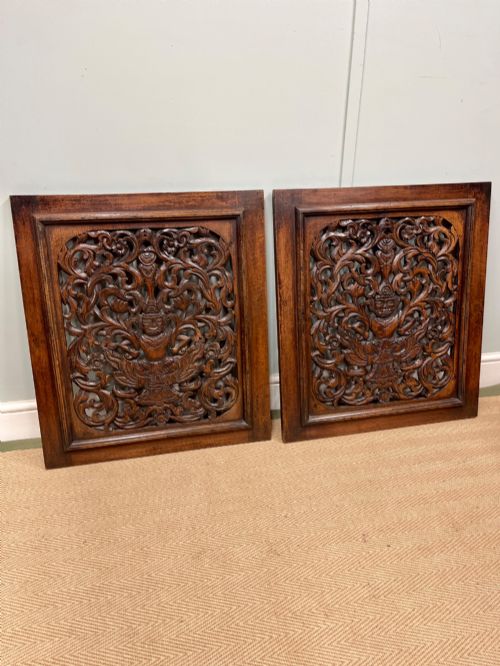
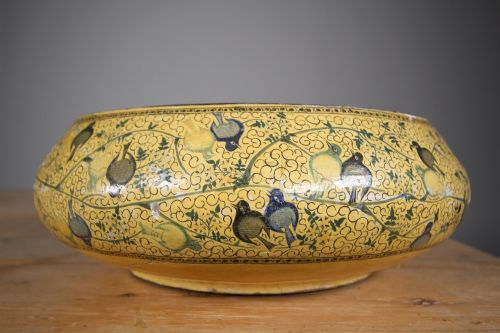
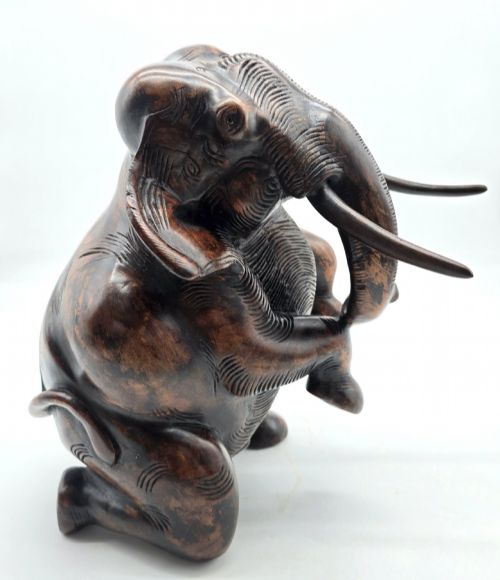
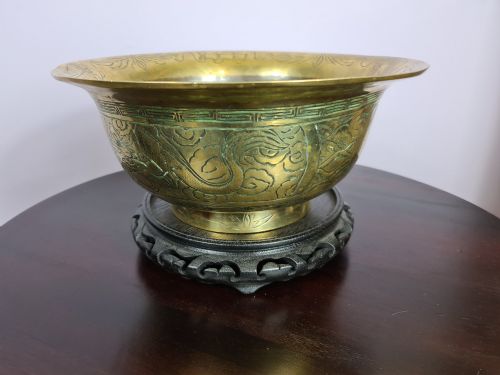
Vessels and wall art dominate the selection, featuring porcelain, brass, and carved hardwood constructions. Pieces often display traditional motifs like birds, foliage, and garden scenes rooted in Japanese Meiji and Chinese traditions.
Materials and methods of construction
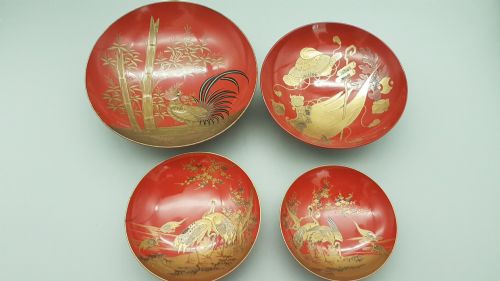
Makers utilised traditional materials such as porcelain, red and cinnabar lacquer, hardwood, brass, and enamel to build enduring decorative objects. Techniques like hand-painting, woodblock printing, embroidery, and cloisonne enamelling created rich surface textures and deep colour palettes.
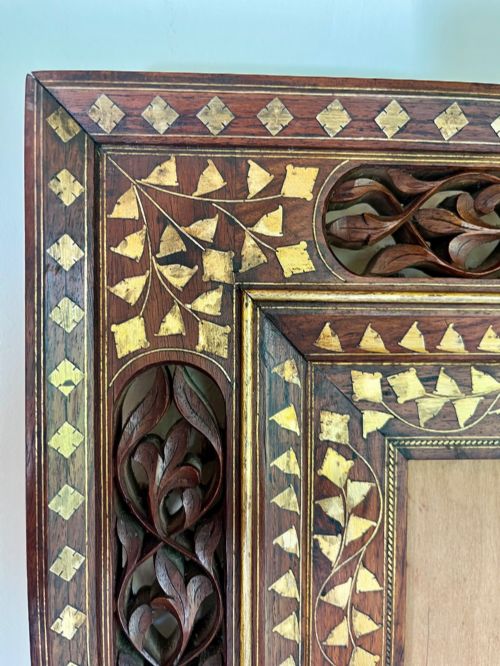
Woodworking skills are evident in carved hardwood panels, Hoshiarpur mirror frames, and lacquered boxes finished with gold leaf accents. Ceramic works incorporate intricate glazing methods, seen in Imari porcelain, Satsuma earthenware, and sancai pottery.
Several listings preserve the decorative whimsy of domestic spaces through carved wooden processional horses and stone desktop paperweights.
Distinctions in quality
Quality rests upon the precision of the hand-painted detail, the depth and stability of lacquer finishes, and the integrity of natural materials like hardwood and porcelain. Superior examples display crisp outlines, balanced compositions, and well-preserved surface decoration without obscuring wear.
The execution of decorative motifs, whether carved figures on a hardwood horse or finely detailed foliage on an Imari bowl, dictates the tier of the piece. Authentic period materials and careful construction separate accomplished studio output from simpler commercial production.
Hakusan
The Vintage Oriental Decor Glossary
- Imari
- A style of Japanese porcelain decorated in underglaze blue and overglaze red, gold, and green. It originated in Arita and became popular for export during the Meiji period.
- Chinoiserie
- European artistic style reflecting Chinese artistic influences, prevalent in British interior decoration and furniture design during the Edwardian era. It often incorporates lacquered surfaces and landscape motifs.
- Cloisonne
- Enamelling technique where thin metal wire is soldered to a metal base to form compartments filled with coloured paste and fired. This method creates vibrant patterns on vases and plaques.
- Satsuma
- A type of Japanese earthenware featuring a pale, ivory-coloured crackle glaze decorated with polychrome enamels and gilt. These ceramics gained prominence during the nineteenth century.
- Meiji Period
- The era in Japanese history spanning from 1868 to 1912, characterised by the modernisation of the country and a surge in decorative arts exported to Western markets.
Vintage Oriental Decor: Frequently Asked Questions
What defines vintage oriental decor?
Vintage oriental decor comprises decorative items, furnishings, and art pieces originating from Asian traditions or created under Eastern influence during the nineteenth and early twentieth centuries. The category includes porcelain, lacquerware, metalwork, and carved wooden objects.
These pieces reflect historical trade and cultural exchange, offering distinct aesthetic styles such as Imari, Chinoiserie, and Kashmiri craftsmanship that suit traditional and modern interiors.
How do I identify a Meiji period piece?
Meiji period items date between 1868 and 1912, aligning with an era of increased craft production for international export. Look for characteristic Japanese motifs, high-quality cloisonne work, or Satsuma earthenware.
Examinations of the base, glaze consistency, and hand-painted details often provide clues to the manufacturing era and regional origin.
Where should I place these items at home?
These decorative objects work well as focal points on mantelpieces, sideboards, and open shelving where their colours and textures can be appreciated. Wall mirrors, framed art, and mounted panels add depth and historical character to living rooms and hallways.
Pairing smaller items like lacquer boxes or bookends with complementary furnishings helps integrate them into existing domestic schemes.
How do I care for lacquer and porcelain?
Lacquerware requires protection from direct sunlight and extreme humidity changes to prevent the surface from drying or cracking. Dust gently with a soft, dry cloth without applying harsh chemical polishes.
Porcelain and cloisonne items should be handled with care and cleaned using a damp cloth when necessary, avoiding abrasive materials that might scratch the glaze or metal wirework.