



Vintage Oriental Bag Face
A vintage oriental bag face brings centuries of nomadic weaving into modern spaces as a striking wall hanging or cushion.
Vintage Oriental Bag Face
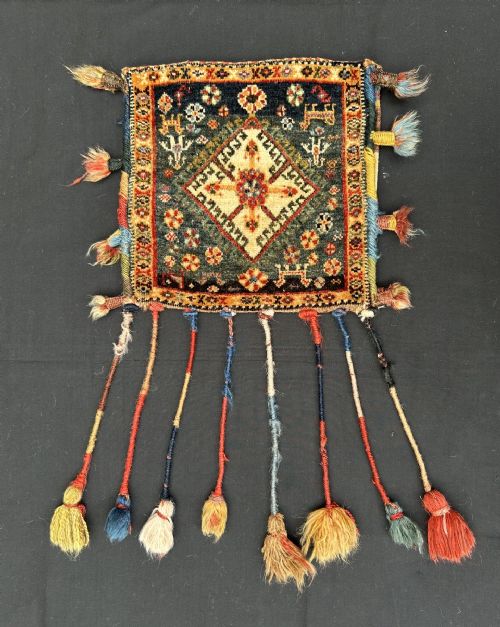
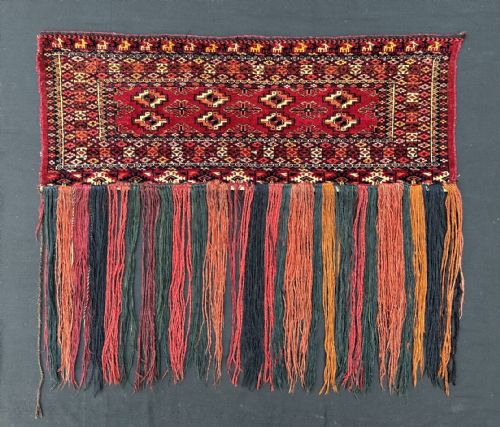
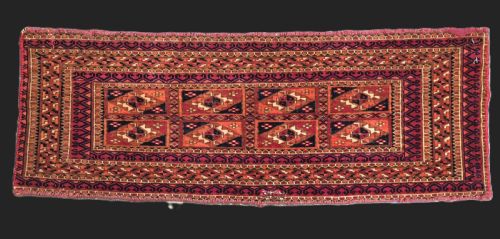
A vintage oriental bag face represents the front panel of a utilitarian nomadic or tribal container, repurposed over time into decorative cushions and wall hangings. These pieces originate from nineteenth-century tribal groups across Central Asia and Persia, including Turkmen, Kurdish, and Qashqa'i weavers.
Buyers on this page most frequently encounter fragments or complete faces of storage bags, torbas, and chuvals originating between the middle of the nineteenth century and the early decades of the twentieth century. Many arrive prepared as cushions or preserved flat for hanging.
The format preserves the most intricate portion of utilitarian household objects while removing the plain backs or side gussets used during nomadic migration. This focus highlights tribal iconography and specialised regional weaving structures.
What varies in quality
Quality rests in the precision of the tribal motifs, such as guls or boteh designs, and the density of the knotting or weaving structure. Finer weaves allow for sharper definition within complex geometric layouts.
The purity and depth of the natural and vegetable dyes distinguish superior examples from standard specimens. Artisans who achieved harmonious colour palettes created pieces with enduring visual resonance.
Vintage Oriental Bag Face Retail Price Guide 2026
Typical asking prices for vintage oriental bag face among the pieces listed under this phrase on Sellingantiques today, from the lower quarter to the upper quarter. They describe what is for sale here now, not the wider market.
Some surviving Torba faces retain their original hanging loops, allowing modern owners to suspend them exactly as nomads did inside felt tents.
The Vintage Oriental Bag Face Glossary
- Gul
- A primary medallion motif characteristic of Central Asian tribal carpets and storage bags. These repeating octagonal or geometric emblems often identify specific tribes.
- Chuval
- A large storage bag used by nomadic groups for household goods inside a yurt or tent. The face of this container is what survives in many decorative fragments.
- Torba
- A smaller horizontal storage bag utilised for personal items or tent furnishings. These rectangular pieces frequently display detailed border systems and central guls.
- Soumak
- A flatweave technique involving wrapping weft threads around warp threads in a herringbone pattern. This method produces a textured, durable surface without pile.
- Boteh
- A swirling almond or paisley motif rooted in Persian design traditions. Artisans render this shape in varied proportions across tribal saddle bag faces.
Vintage Oriental Bag Face: Frequently Asked Questions
What is a bag face?
A bag face is the decorative front panel of a nomadic storage sack that has been separated from its plain back. These panels were originally woven for utility in tribal settlements.
Over generations, collectors and dealers preserved these decorative panels by mounting them as wall art or converting them into cushions.
How were these bags used?
Nomadic groups utilised these containers within tents for storing clothing, bedding, and household provisions during seasonal migrations. Their durable construction protected contents from dust and moisture.
Different sizes served specific purposes, from large tent bags down to smaller saddle bags carried by animals.
How do I care for a textile cushion?
Protect antique wool textiles from direct sunlight to prevent natural and vegetable dyes from fading over time. Gentle vacuuming without a rotating brush removes surface dust safely.
Professional textile conservation cleaning is recommended if deep maintenance becomes necessary for older pieces.
How are tribal designs identified?
Design geometry, structural materials, and specific medallion shapes point toward particular tribal confederacies and regions. Turkmen groups favour repeating guls, while Persian tribal weavers often employ boteh or bird motifs.
Comparing knot counts and secondary wool colours helps narrow down the origin between neighbouring nomadic groups.