
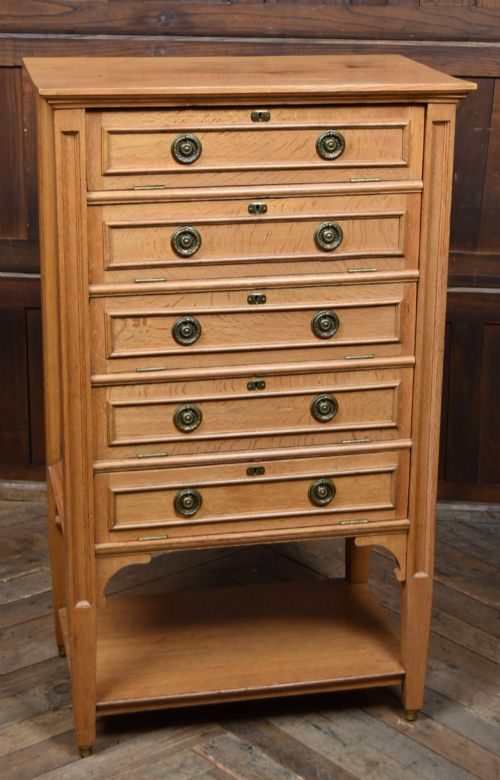
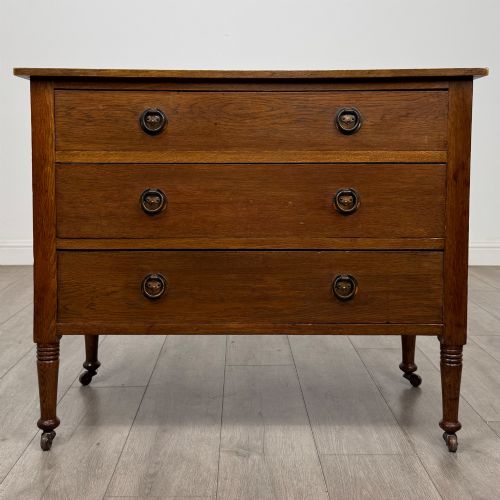
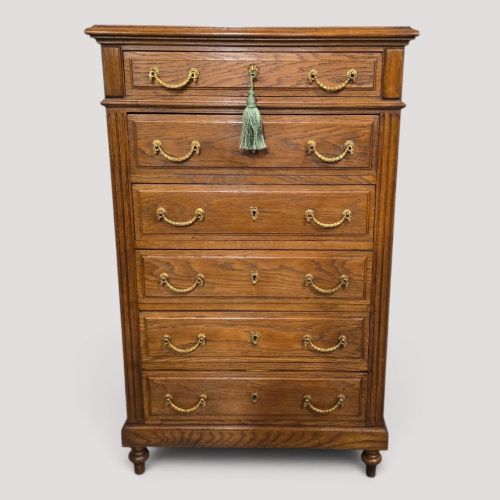
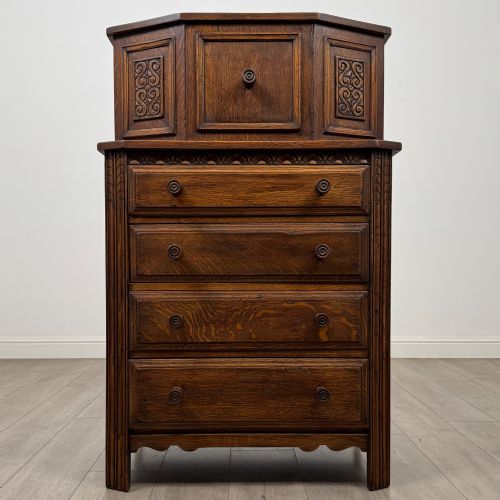

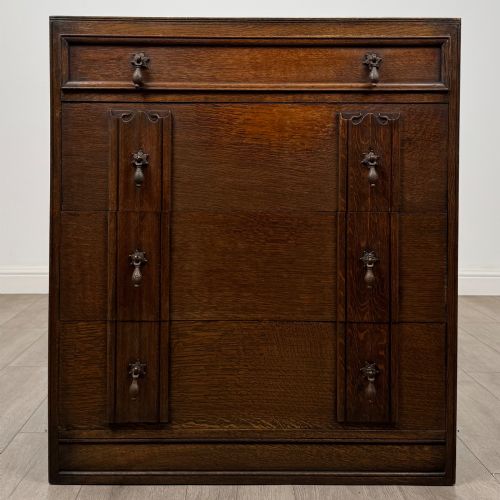
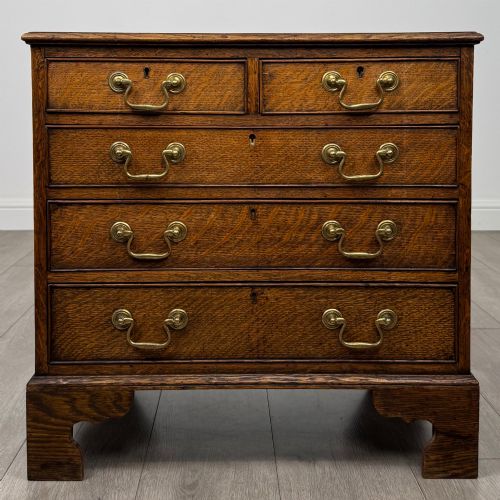
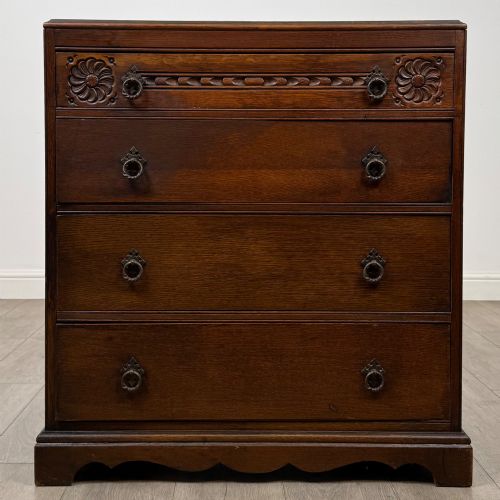
Vintage Oak Storage Drawers
Vintage oak storage drawers bring utilitarian timber and honest joinery into daily domestic service.
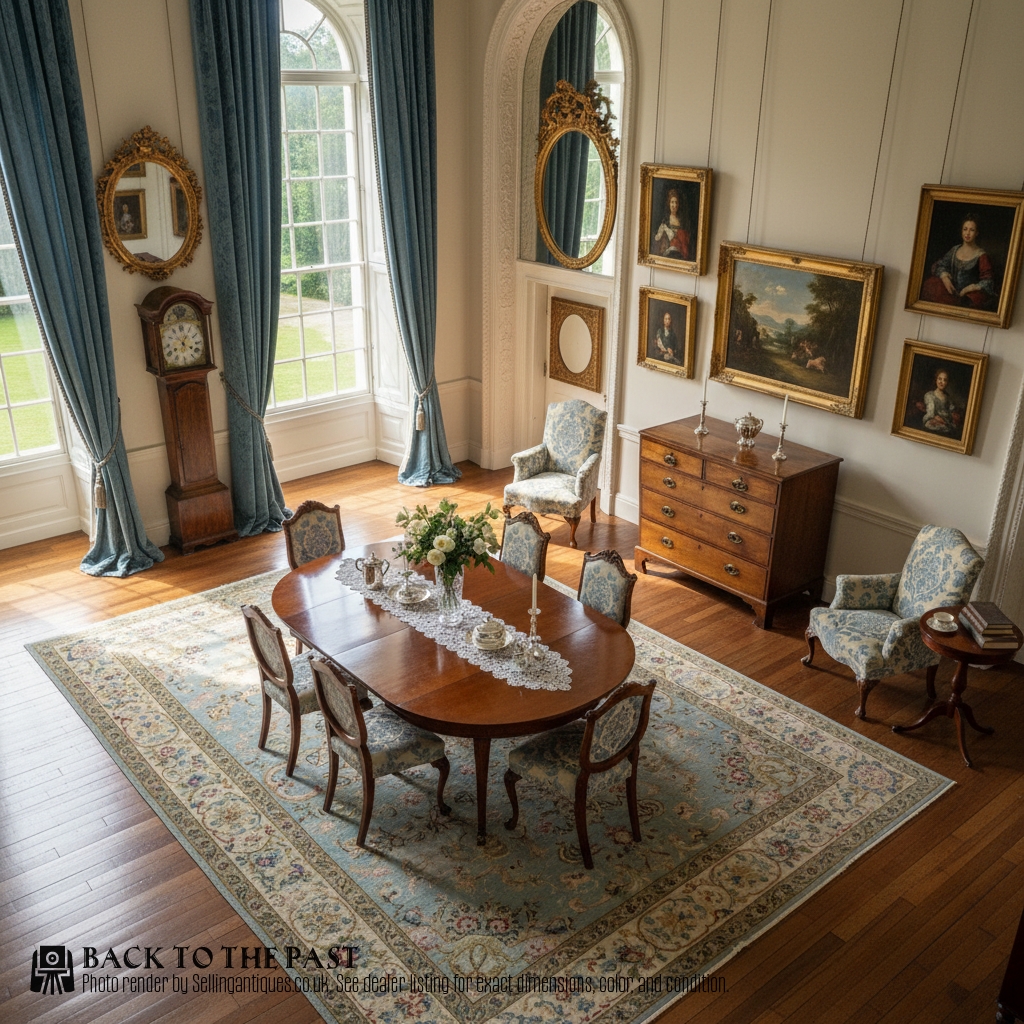
Vintage Oak Storage Drawers
Vintage oak storage drawers encompass functional timber pieces designed for sorting household goods, paperwork, and textiles. When searching for vintage oak storage drawers, buyers encounter a predominant selection originating from the Edwardian period and the early twentieth century.
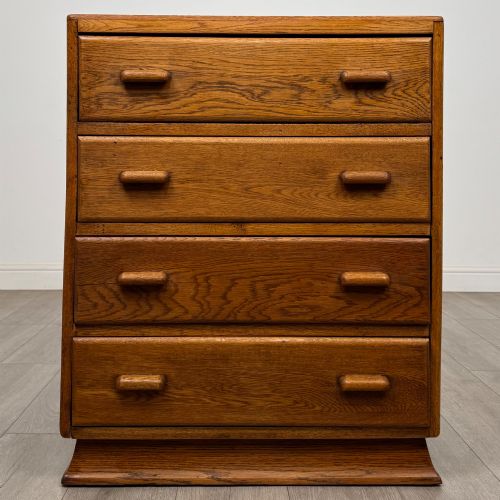
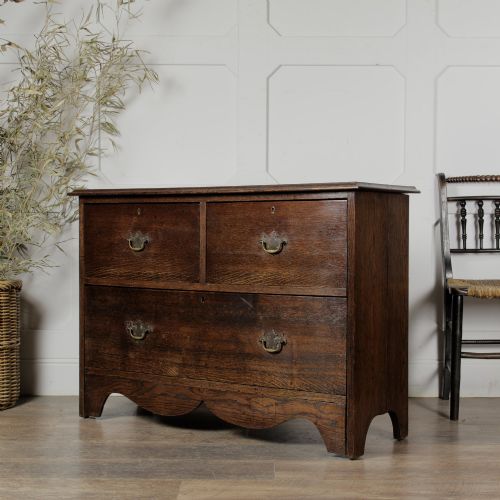
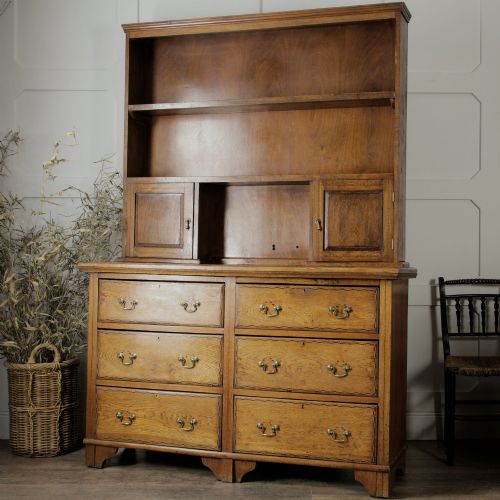
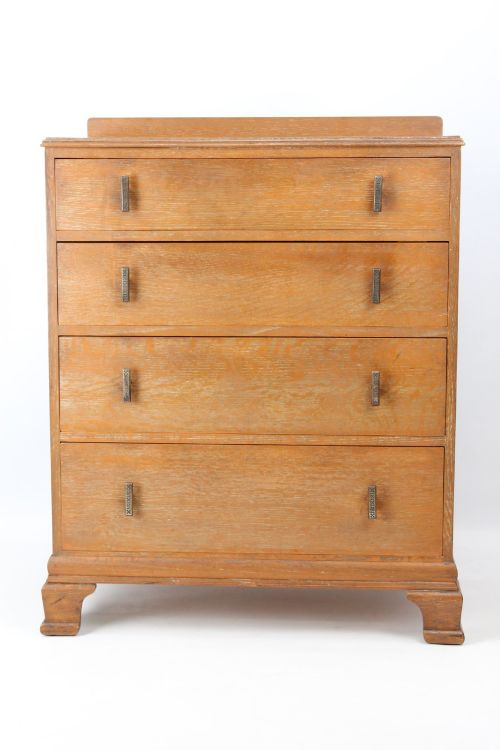
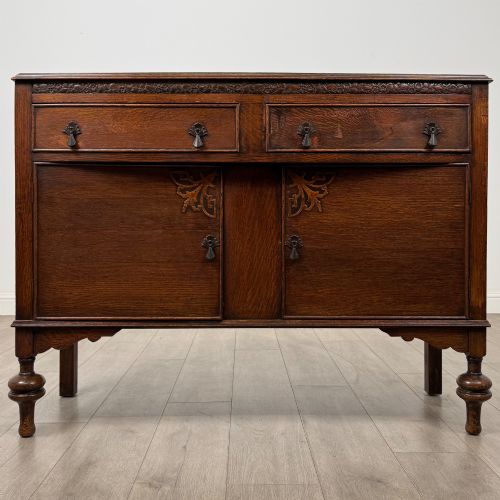
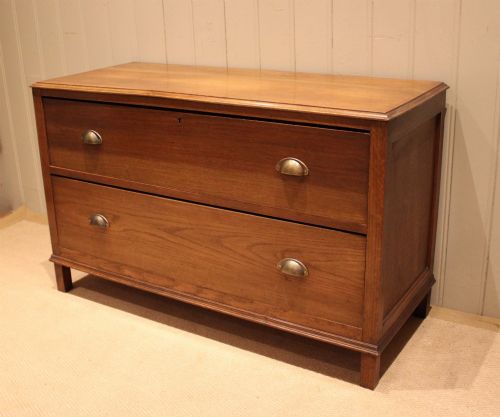
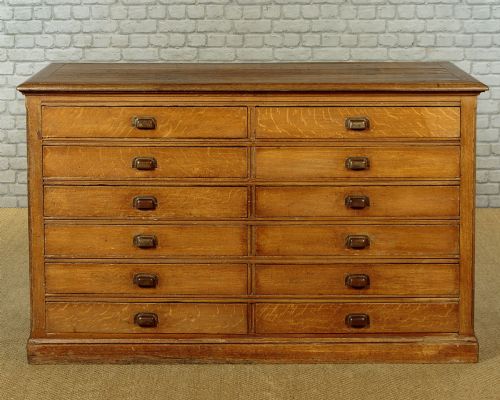
The inventory on this page spans utilitarian forms such as filing cabinets, tall chests, and multi-drawer banks alongside domestic dressers and bedside cupboards. Pieces range from straightforward industrial filing units to carved Edwardian chests and limed oak modern variants.
Origins stretch from English country workshops to continental French provinces, incorporating styles from Georgian proportions down to Art Deco and Arts and Crafts minimalism. Solid oak predominates, frequently paired with brass or iron hardware and occasional secondary timbers.
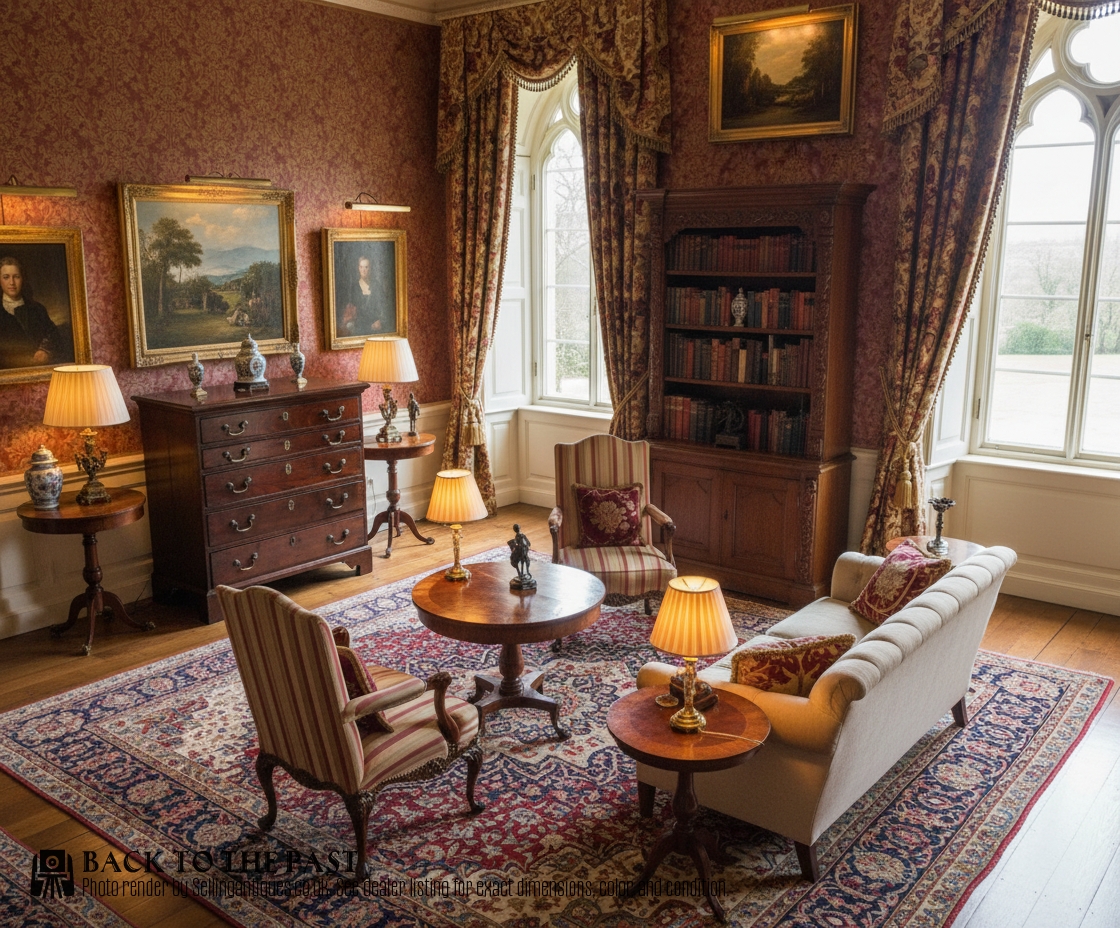
Materials and construction
Makers utilised solid oak, golden oak, and limed oak planks, occasionally incorporating secondary timbers like walnut and mahogany in internal linings and drawer sides. Timber selection dictated the weight and grain pattern visible across the frontage of each cabinet.
Metal fittings in brass and iron provided structural pulls, handles, and tambour mechanisms for sliding fronts. Joinery relied on traditional methods suited to heavy daily use in domestic and office environments.
Vintage Oak Storage Drawers Retail Price Guide 2026
Typical asking prices for vintage oak storage drawers among the pieces listed under this phrase on Sellingantiques today, from the lower quarter to the upper quarter. They describe what is for sale here now, not the wider market.
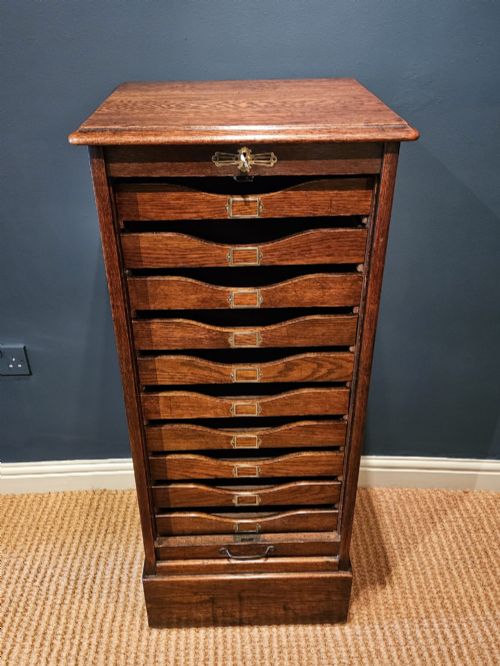
Filing cabinets with tambour fronts hide paperwork behind rolling wooden curtains that vanish satisfyingly into the side panels.
Judging the standard
Proportion and scale dictate the visual success of a cabinet, separating well-balanced examples from heavy or clumsy proportions. Timber selection also matters, where straight-grained golden oak or figured panels outrank plain utilitarian boards.
The refinement of hardware, including original brass pulls and smoothly operating tambour mechanisms or dovetailed drawer construction, marks the division between standard commercial output and superior workshop production.
Gomme
The Vintage Oak Storage Drawers Glossary
- Tambour
- A sliding door made of narrow vertical wooden slats glued to a canvas backing. This mechanism allows doors to curve around the corners of filing cabinets and cupboards.
- Limed oak
- A wood finish created by applying a white pigment into the open pores of oak. This treatment achieved a pale, matte surface popular in twentieth-century interior design.
- Linenfold
- A style of wood carving that mimics folded linen cloth. It appears frequently on panels of cupboards and drawer fronts from revival periods.
- Dovetail
- A joint used in drawer construction formed by interlocking wedge-shaped fingers. This method secures drawer sides to fronts without relying on metal fasteners.
- Commode
- A low piece of furniture featuring drawers or doors, functioning traditionally as a chest of drawers. French examples often display distinct stylistic flourishes.
Vintage Oak Storage Drawers: Frequently Asked Questions
How do I date a piece?
Dating relies on observing construction methods, timber treatments, and stylistic indicators recorded in the listing titles. Edwardian and early twentieth-century pieces display specific hardware and finish variations compared to Georgian examples.
Examining drawer linings, handles, and timber cuts helps establish the manufacturing era with greater accuracy.
Where were these pieces used?
These storage units served multiple environments ranging from Edwardian offices to country house bedrooms and kitchens. Filing cabinets and multi-drawer banks originated in workspaces, while chests and dressers belonged to domestic interiors.
Their robust construction allowed them to transition easily between working spaces and living rooms today.
Are tambour doors difficult to maintain?
Tambour fronts operate on flexible tracks that require clean grooves to slide smoothly. Regular gentle dusting prevents grit accumulation inside the wooden slat tracks.
Keeping the timber conditioned stops warping and ensures the sliding mechanism functions without binding.
What is limed oak?
Limed oak is a treated timber finish where white liming paste fills the open grain of the wood. This technique lightens the natural brown tone of the oak to produce a pale, contemporary surface.
It appears frequently on twentieth-century pieces designed to brighten domestic interiors.