

Vintage Naval Painting
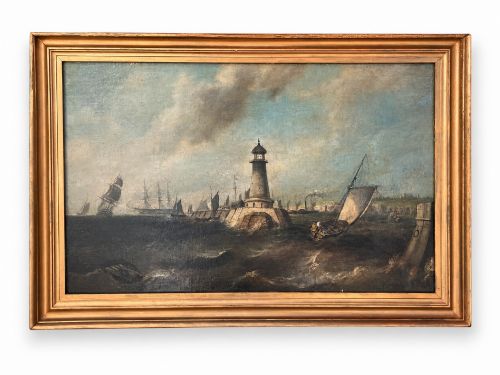
A vintage naval painting captures the drama of historic fleets, stormy seas and iconic warships through the eyes of period artists.
Vintage Naval Painting
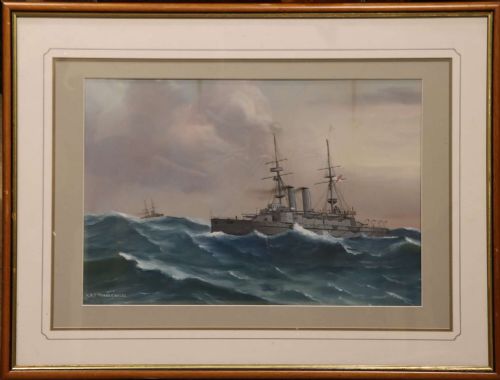
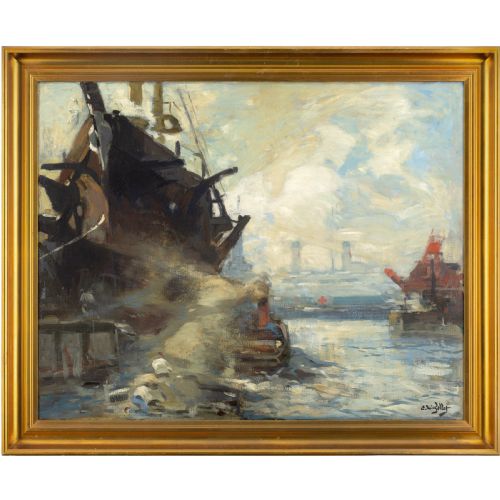
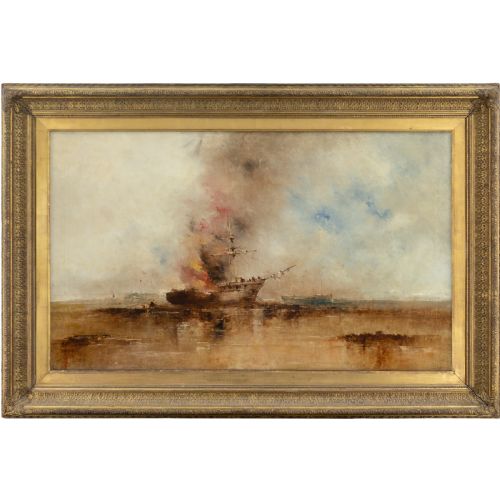
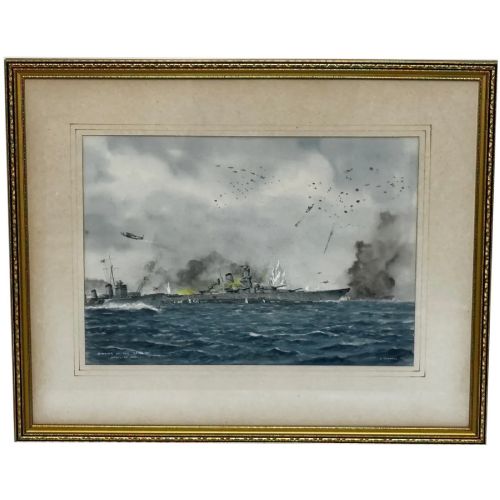
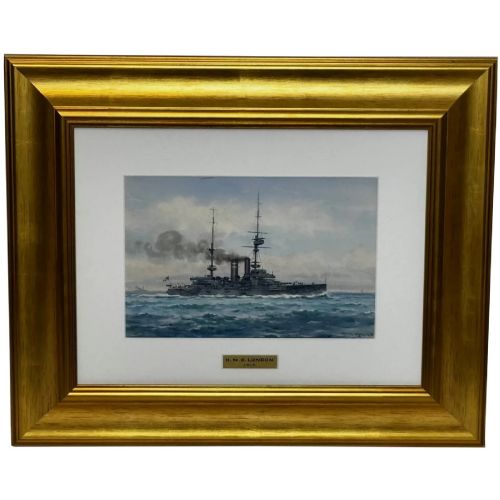
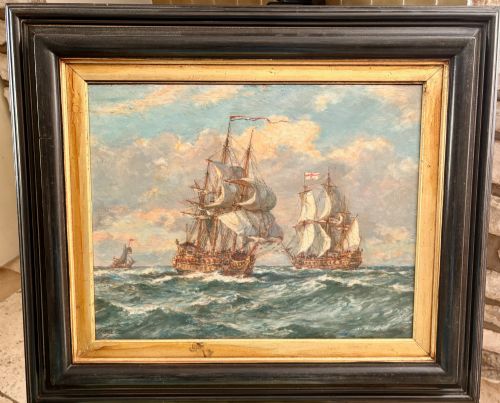
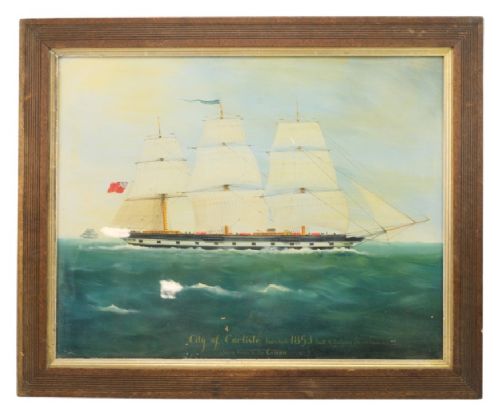
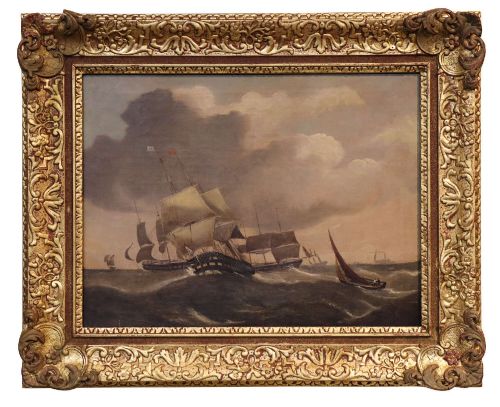
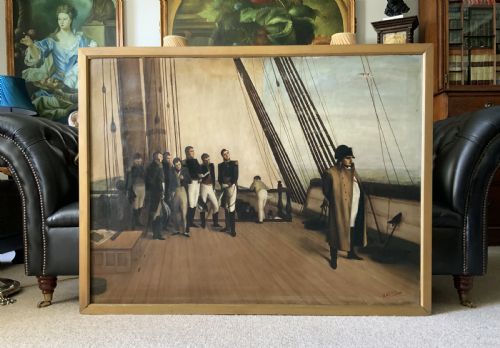
A vintage naval painting depicts maritime warfare, specific royal vessels and historical sea engagements across canvas, paper and board. Buyers encounter works ranging from early nineteenth-century watercolours of man-of-war ships to mid-twentieth-century depictions of aircraft carriers.
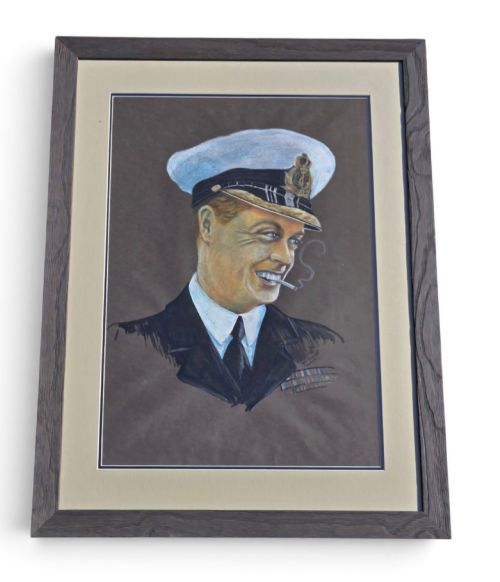
The selection includes detailed watercolours, gouache studies and oil paintings executed by named marine artists and accomplished military personnel. These artworks document specific vessels such as HMS Prince of Wales and HMS London alongside broader naval operations.
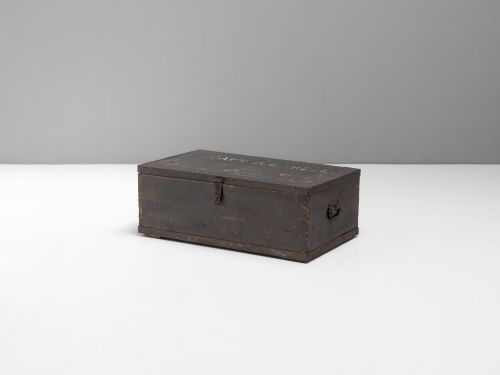
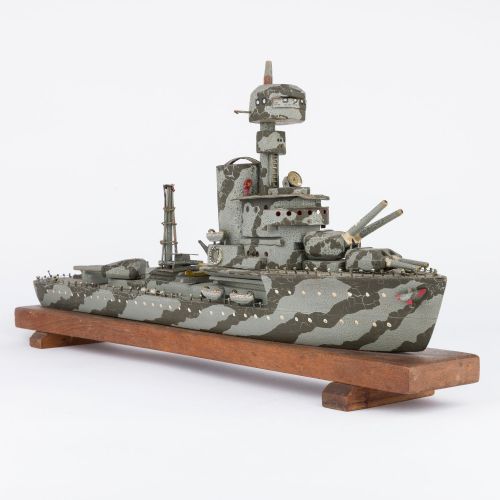
Alongside traditional framed wall art, related maritime pieces such as painted pine seaman's chests, captain's trunks and bronze ship badges appear within the selection. This variety reflects the broader material culture associated with naval history and seafaring life.
Materials and construction techniques
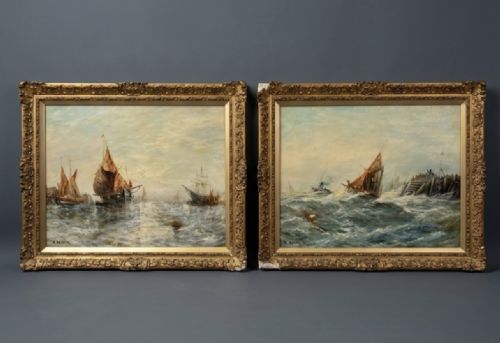
Artists utilised oil paint on canvas or board to build rich textures for heavy seas, billowing smoke and dramatic skyboxes. Watercolours and gouache on paper offer finer illustrative detail, often employed by naval officers and specialist marine painters to record exact vessel rigging and flag configurations.
Framing forms an integral part of these pieces, utilising traditional wood mouldings and gilt frames that complement the maritime subject matter. Supporting items incorporate painted pine, japanned papier-mâché and heavy bronze to create durable functional objects alongside flat works.
A French ironclad painting bears a sailor's sentimental tribute to his shipmates, proving that even fierce warships inspired tender poetry.
Defining factors of quality
Quality rests upon the artist's technical precision in rendering maritime architecture, hull proportions and rigging accuracy under changing atmospheric conditions. Works by documented marine specialists command greater attention than anonymous sketches due to their established provenance and mastery of perspective.
The historical significance of the depicted vessel and the documentary value of the scene elevate certain pieces above standard decorative works. Condition of the underlying canvas or paper, together with the integrity of any original framing, influences the overall calibre of the surviving artwork.
Eugène-Louis Gillot·William McAlpine·Eric Tufnell·Frank Watson Wood·Bernard Gribble·Nicholas Condy·Vincenzo D’Esposito·Samuel Owen·Don Wilson·Richard Brydges Beechey·Charles Dixon·Dion Pears
The Vintage Naval Painting Glossary
- Gouache
- An opaque watercolour paint that dries to a matte finish, frequently utilised in maritime works to achieve bright highlights on water and vessel superstructures.
- Man-of-war
- A powerful armed sailing warship used by the Royal Navy during the sailing era, commonly featured in nineteenth-century marine art.
- Ironclad
- A steam-propelled warship protected by iron or steel armour plates, appearing in late nineteenth-century and early twentieth-century naval depictions.
- Tompion
- A decorative brass plug used to seal the muzzle of a cannon on a warship, often adapted as a commemorative plaque or ships badge.
- Provenance
- The documented history of ownership and origin for an artwork or artefact, establishing its authenticity and historical context.
Vintage Naval Painting: Frequently Asked Questions
How do I identify a specific warship in a painting?
Many maritime works include legible vessel names within the title, on signal flags or inscribed on the framing mounts. Comparing hull configurations and mast arrangements against naval records helps confirm the exact ship.
Artists often documented historical deployments or specific actions, providing clear contextual clues for identification.
What is the difference between oil and watercolour naval paintings?
Oil paintings on canvas deliver deep textures and luminous layering suitable for dramatic battle scenes and turbulent seas. Watercolours on paper provide crisp, linear precision ideal for recording technical details of ship rigging.
Both mediums held distinct roles among marine artists depending on whether the work was executed in a studio or on active service.
How should I display vintage naval art at home?
These works suit traditional studies, libraries or living spaces styled with classic maritime or historical decor. Pairing framed watercolours or oils with related items like campaign chests creates a cohesive display.
Protect the pieces from direct sunlight to preserve delicate watercolours and traditional canvas pigments over time.
Are these paintings created by professional artists?
The selection includes works by established professional marine painters alongside pieces produced by serving naval officers. Service personnel frequently possessed formal artistic training that enabled them to record fleet operations accurately.
Both categories offer significant historical insight into naval life and vessel design.