



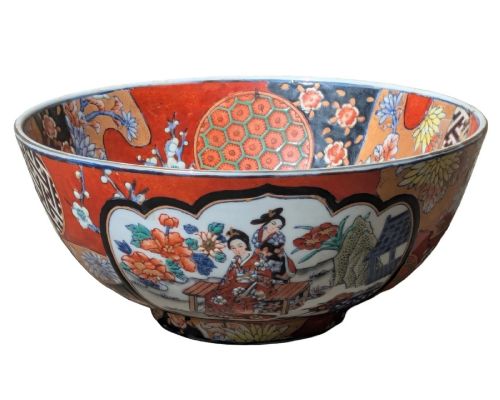
Antique Vessel Painting
These pieces unite maritime oil paintings and ceramic vessels, bringing together historical shipping scenes and painted porcelain to decorate a room.
Antique Vessel Painting
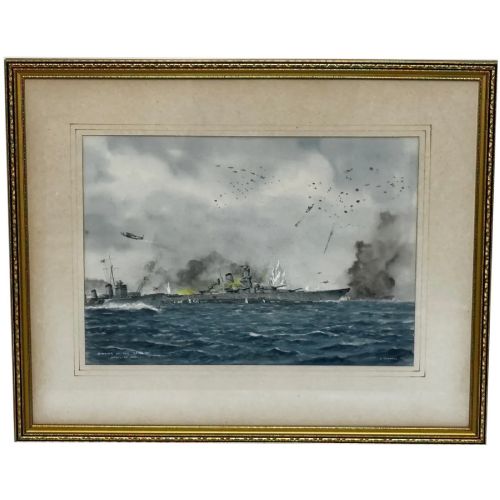
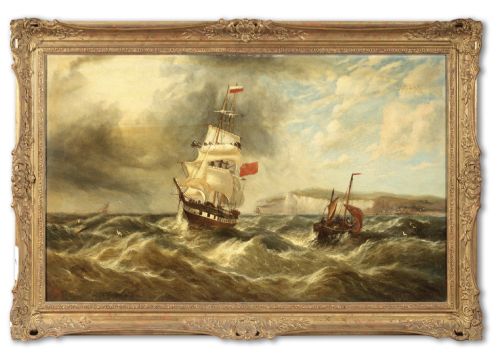
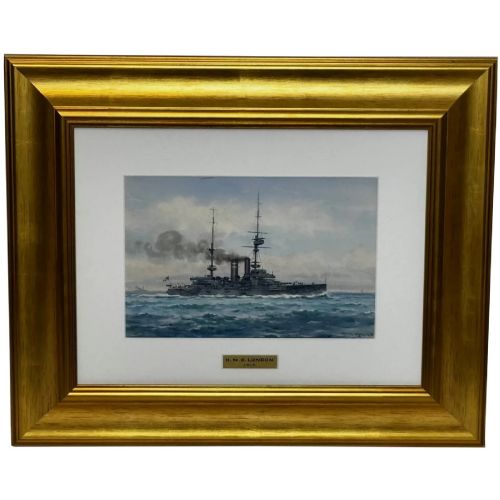
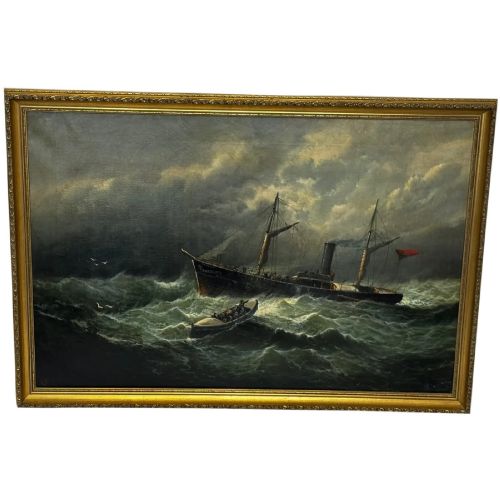
When you search for antique vessel painting, you encounter a crossover between maritime canvas works and decorative ceramics depicting ships and watercraft. The category spans 18th-century porcelain vessels, Japanese Imari bowls, and 19th-century marine oil paintings showing galleons, steamers, and warships in heavy seas.
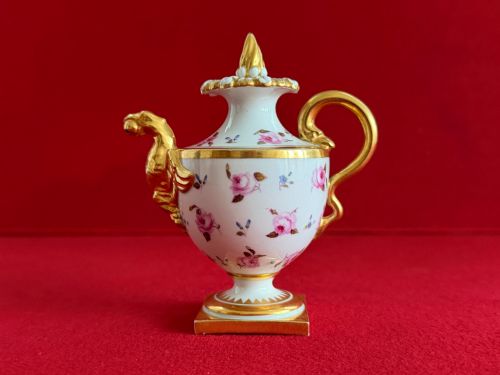
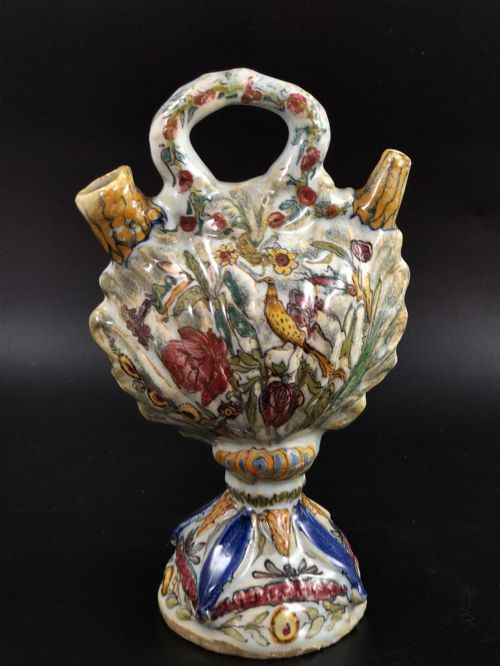
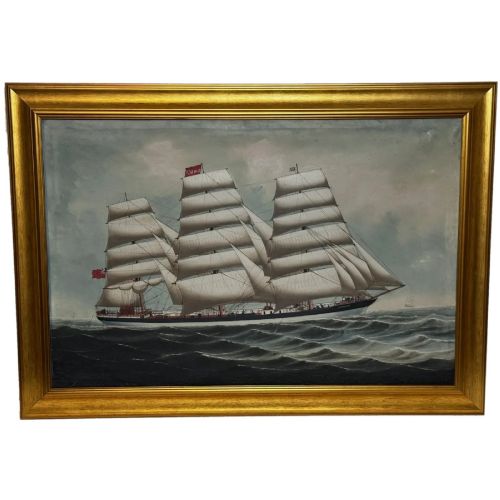
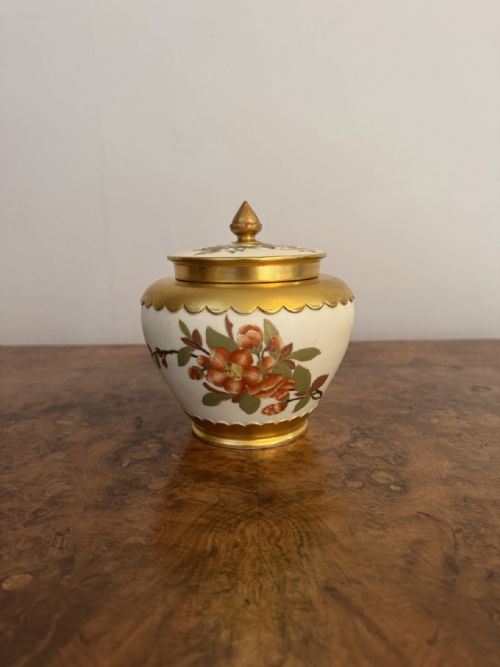
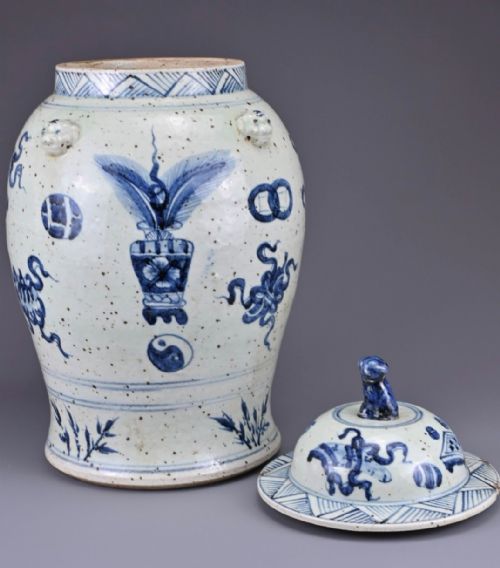
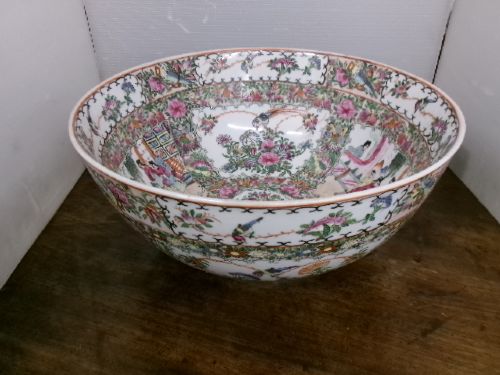
You are most likely to meet framed oil paintings and watercolours on this page depicting British merchant ships, Dutch boats in a gale, and coastal naval engagements. Alongside these flat works sit porcelain ginger jars, majolica pilgrim flasks, and decorative bowls painted with maritime subjects or floral patterns.
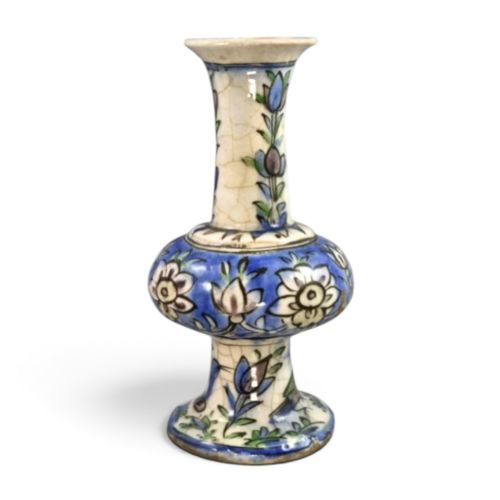
The objects originate from diverse workshops and schools, reaching from Georgian England and Regency Worcester to Meiji period Japan and late Qajar Persia. Whether rendered in oil on panel, gouache on board, or polychrome enamel on copper, each piece records maritime history or ceramic artistry across centuries.
Materials and technique
Makers utilised oil paint and watercolour on canvas, panel, and board to capture turbulent seas, rigging, and coastal fortifications. Applied brushwork builds the swells of water and the intricate details of three-masted schooners and steamships.
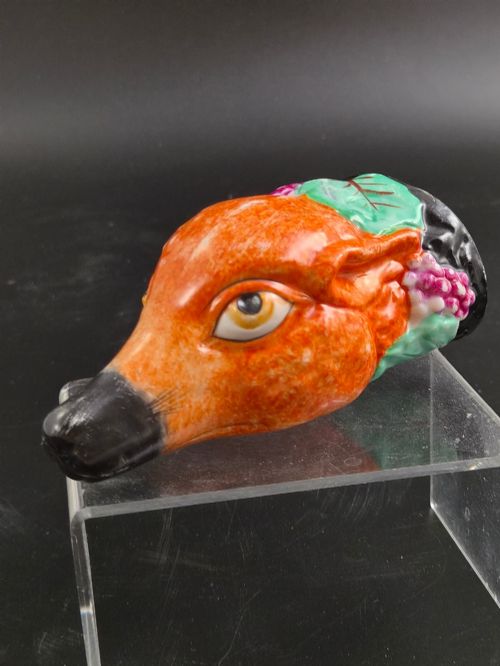
Ceramic vessels rely on earthenware, porcelain, and Delft faience, shaped into jars, vases, and bowls before receiving hand-painted decoration. Artisans applied polychrome glazes, enamel, and gold leaf, often fixing the colours through high-temperature kiln firing.
Listings combine 19th-century marine oil paintings with 18th-century Dutch Delft vessels and Japanese Imari porcelain.
Standards of execution
Quality rests in the precision of the hand-painted detail, whether discerning the rigging on a warship painting or the brush control on a glazed ceramic jar. Finer works display confident handling of light on water and accurate proportions in vessel architecture.
The reputation of the manufactory or artist dictates the standing of the piece, with works from established porcelain houses or recorded marine painters holding greater artistic distinction. Superior examples combine balanced composition with well-preserved glazes or pigments.
Flight Barr and Barr·Royal Worcester·Dominic Serres The Elder·Frank Watson Wood·Willy Bille
The Antique Vessel Painting Glossary
- Majolica
- Opaque tin-glazed earthenware decorated with brightly coloured metal oxides. This technique gained popularity across Italian and Dutch potteries.
- Moon flask
- A flattened spherical ceramic vessel supported by a narrow base and fitted with twin side handles. Potters often painted these surfaces with floral or figurative designs.
- Gouache
- An opaque water-based medium mixed with a gum binder, producing solid matte passages of colour. Painters utilised this for detailed maritime works on paper or board.
- Koro
- A Japanese incense burner typically raised on three feet and fitted with a decorative lid. Makers cast these in porcelain or bronze for interior display.
- Imari
- A style of Japanese export porcelain featuring underglaze blue and iron red highlights enriched with gold. Kilns produced these wares for international markets from the Edo period onward.
Antique Vessel Painting: Frequently Asked Questions
What is an antique vessel painting?
An antique vessel painting is a historical artwork depicting ships, boats, and maritime scenes on canvas, panel, or paper. These works capture naval engagements, merchant shipping, and coastal storms from past centuries.
Alongside flat paintings, the category includes painted ceramic vessels that feature maritime motifs or nautical themes. Together, they document the history of seafaring through varied artistic mediums.
How were ceramic vessels decorated?
Ceramic vessels were hand-painted using mineral pigments, enamels, and glazes before undergoing kiln firing. Artisans applied cobalt blue, polychrome colours, and gold leaf to porcelain, earthenware, and Delft faience.
Many pieces feature intricate scenes of flora, fauna, or figures that complement the physical form of the jar, bowl, or flask.
Where were these pieces made?
The items originate from diverse global centres, including British, Dutch, Italian, and Austrian workshops. European porcelain factories and regional schools produced both marine paintings and decorative pottery.
Asian pieces stem from Japanese kilns such as Imari and Kutani, as well as Chinese Canton potteries, reflecting international trade and aesthetic exchange.
How do I care for antique paintings?
Protect antique oil paintings and watercolours by keeping them away from direct sunlight and excessive humidity. Stable indoor temperatures prevent the canvas and wooden panels from warping or cracking over time.
Clean surfaces gently with a dry, soft cloth, avoiding liquid cleaners or harsh chemicals that can damage the delicate pigments and varnishes.