



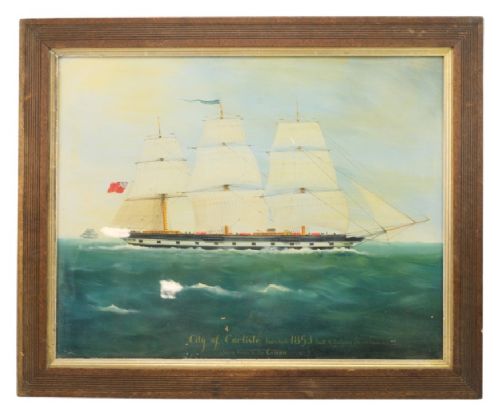
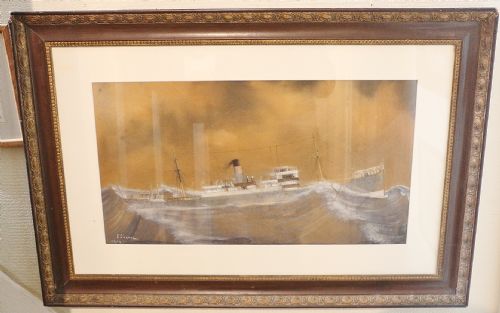
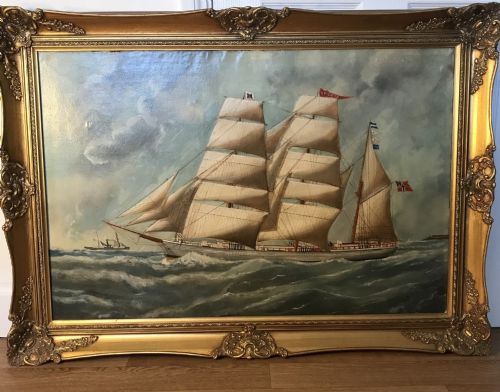
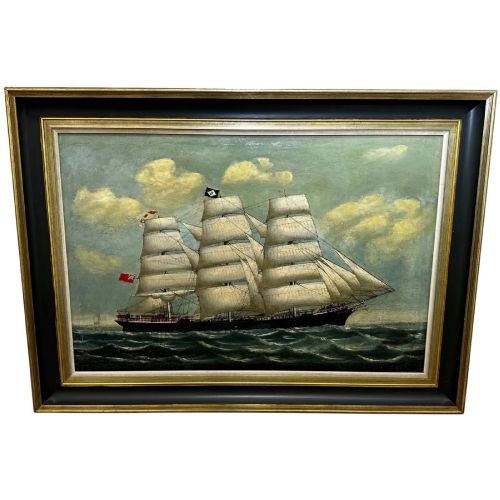
Ocean Seascape Artwork
When you search for ocean seascape artwork, you step into a visual record of shipping lanes, coastal harbours and open water rendered across two centuries.
Ocean Seascape Artwork
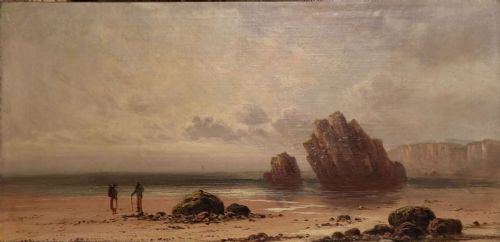
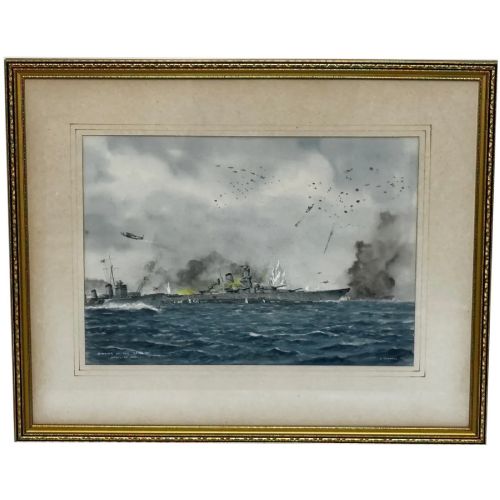
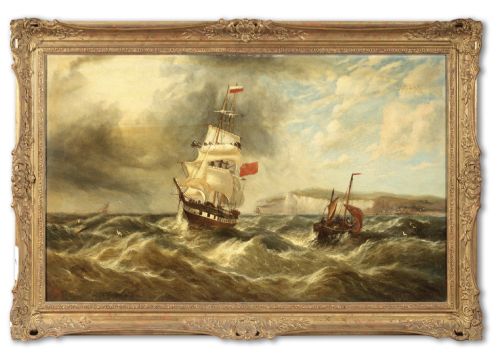
An ocean seascape artwork captures the movement of water, the changing light of the coast and the vessels that navigated the tides from the Victorian era onward. You will find oil paintings on canvas and board alongside delicate watercolours on paper, capturing everything from quiet Cornish inlets to violent storms in the open sea.
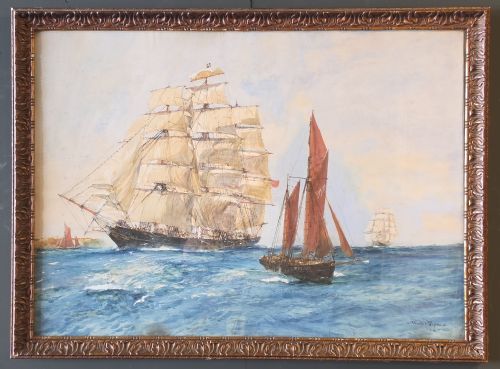
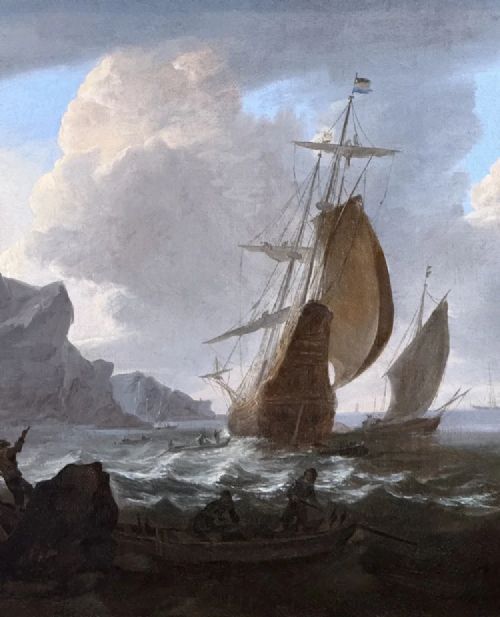
The selections span traditional nineteenth-century marine realism through to twentieth-century impressionist interpretations. Whether depicting a three-masted schooner off a rocky headlock or an unpeopled expanse of evening swell, these works record maritime history and coastal topography in pigment.
How they were made
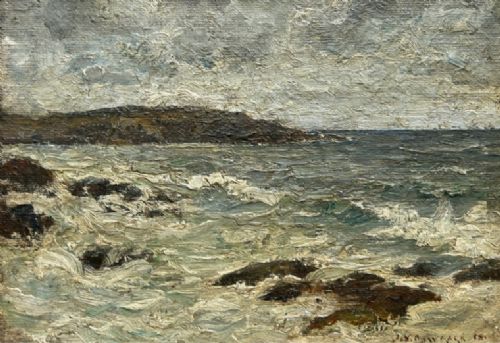
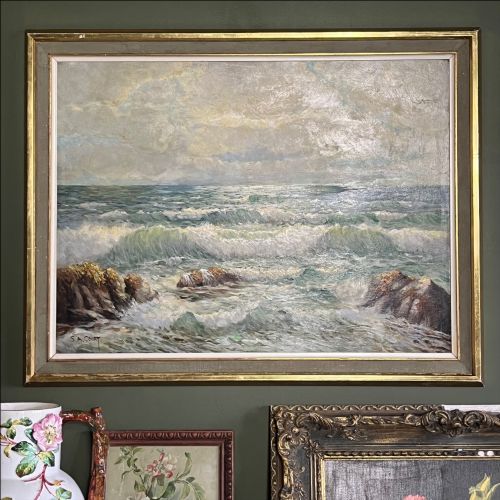
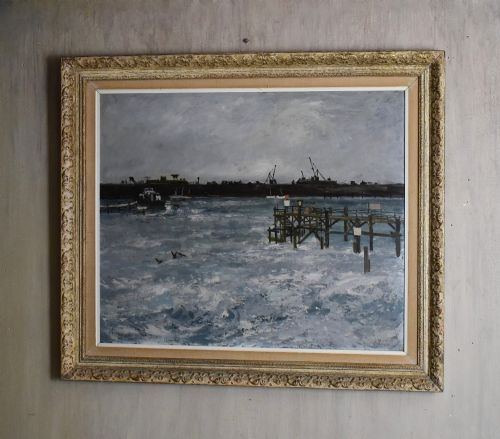
Artists relied primarily on oil on canvas or watercolour on paper, often working en plein air to catch the shifting light of the North Sea or the English Channel. Impasto technique builds thick texture into the crest of waves and the foaming wash against rocky shorelines.
Framing forms an integral part of the survival of these pieces, with many surviving in period gilt wood frames that complement the depth and tone of the marine palette.
The listings span the nineteenth and twentieth centuries, employing oil on canvas, gouache on board, and watercolour on paper.
What varies in quality
The success of an ocean seascape artwork rests upon the artist's command of water in motion and atmospheric perspective. A master hand renders the weight of a heavy swell and the transparency of breaking foam with direct, confident brushwork.
Compositional balance and accurate rendering of rigging, hull construction and wind direction separate works by trained marine specialists from competent amateur topographical efforts.
Clifford Hanney·Sidney A Court·Charles Edward Dixon·Eric Tufnell·William Banks Fortescue·John Rose Miles·Bonaventura Peeters·Peter Brannan·Thomas Hodgson Liddell·William Henry Williamson·George Stanfield Walters·Henry Barlow Carter·John Moxon·Elisabeth Bardon·Charles William Adderton·Charles Napier Hemy·Gustave De Bréanski·Thomas Bush Hardy·Daniel Sherrin·William Greaves
The Ocean Seascape Artwork Glossary
- Impasto
- Paint applied thickly to a canvas, standing out in relief from the surface so that the physical texture of the brush or palette knife remains visible in the crashing waves.
- En plein air
- The practice of painting outdoors to capture the direct, natural light and atmospheric conditions of the coast as they actually appear.
- Marine art
- Any form of visual artwork that depicts or draws its primary inspiration from the sea, ships, coastal views and maritime engagements.
- Sea stack
- A geological landform consisting of a steep and often vertical column or columns of rock in the sea near a coast, frequently featured in coastal scenery.
Ocean Seascape Artwork: Frequently Asked Questions
How do I date a seascape painting?
Examine the style of dress worn by figures on the shore, the rigging of depicted vessels, and the framing materials. Pigment analysis and stretcher construction also offer reliable clues to the decade of creation.
Signatures, exhibition labels on the reverse, and artist registry dates help narrow the timeline further.
What is the difference between oil and watercolour here?
Oils offer rich texture and deep colour saturation, allowing artists to build heavy impasto waves that catch the light. Watercolours rely on the white of the paper shining through thin washes to create luminous skies and translucent water.
Watercolour pieces are typically framed under glass for protection against atmospheric moisture.
Where should I hang a marine painting?
Choose a wall with indirect natural light to prevent glare on varnished oil surfaces or fading on paper works. Keep them away from direct heat sources and damp exterior walls to preserve the canvas and frame.
Pairing a coastal work with neutral wall colours allows the maritime palette to stand out clearly.